Summary
Retired Airbus A380s are now worth more as parts donors than as flyable aircraft, and Emirates is buying end-of-lease superjumbos specifically to strip them. Used A380s trade for $25 million to $60 million, yet a single new main landing gear set costs $25 million and four engines can return $15–20 million or lease for nearly $2 million monthly.
The Boeing 777X delay has forced Emirates to keep A380s flying until 2040. Parts harvesting protects first, business, and premium economy cabins on routes like Dubai–London, Dubai–Sydney, and Dubai–Los Angeles.
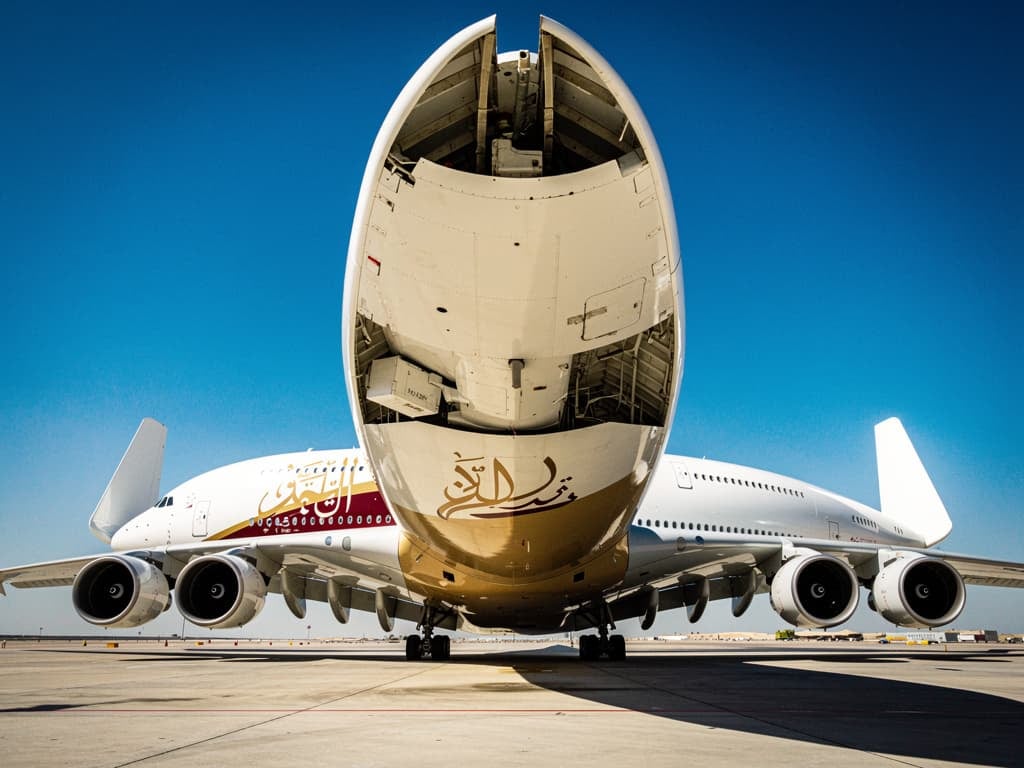
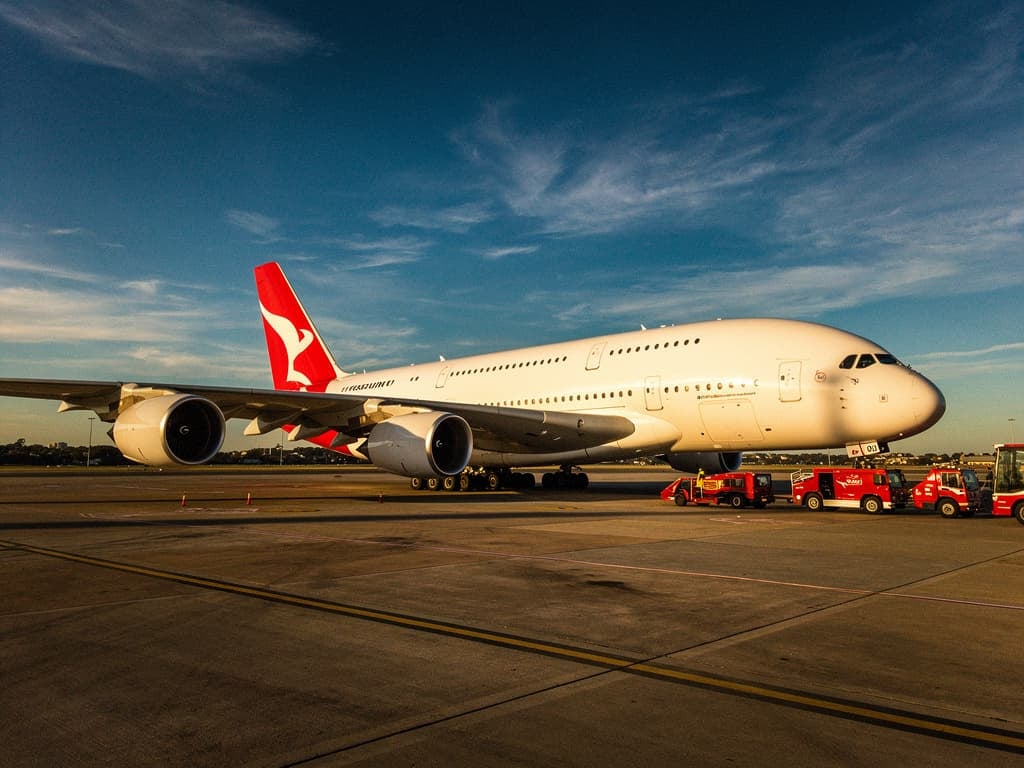
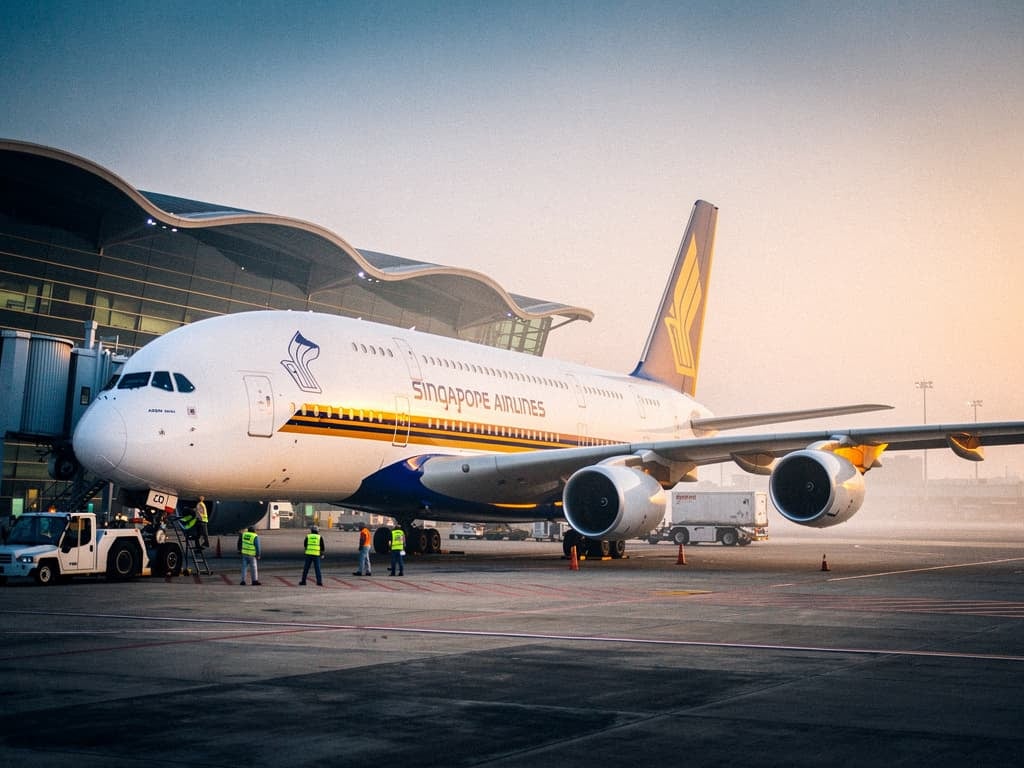
The economics of the Airbus A380 have inverted. For most superjumbos older than 15 years, the sum of engines, landing gear, and rotables now exceeds the value of the whole aircraft in flyable condition. That is why Emirates — the type’s largest operator with about 118 aircraft — is now acquiring retired A380s from other operators not to resurrect them, but to dismantle them.
The airline faces a parts supply squeeze no other operator has approached. The A380 has been out of production since 2021, and the Boeing 777X that was meant to replace the oldest A380s is running more than six years late. Emirates reportedly expects first Boeing 777-9 deliveries in the second quarter of 2027, pending certification. That leaves the oldest A380s, some now approaching 18 years old, flying longer than planned.
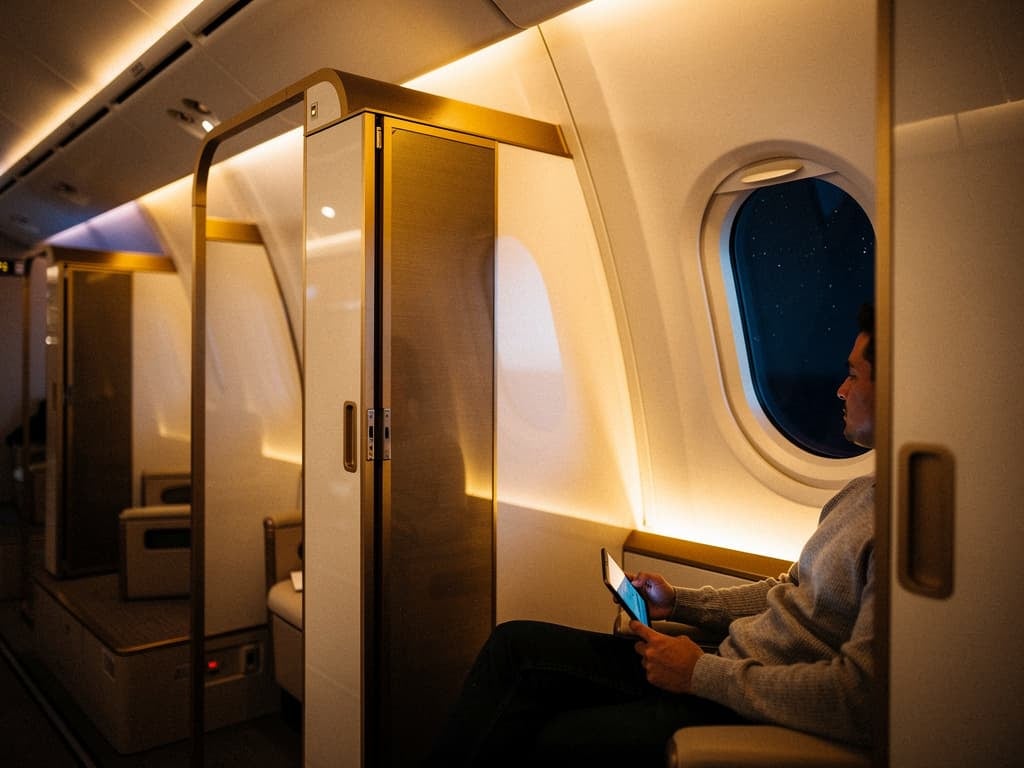
For travelers booking Emirates first or business class, the stakes are direct. The A380 remains Emirates’ most distinctive long-haul product, with first-class shower spas and an onboard lounge on flagship routes including Dubai–London, Dubai–Sydney, Dubai–Los Angeles, and Dubai–Bangkok. A reliable flow of used serviceable parts is what keeps those cabins in the air at scale through 2040.
The details
Emirates President Tim Clark has made the arithmetic explicit. Rather than buy a new main landing gear set for about $25 million, the airline pulls gear from fully written-down A380s already facing overhaul. “They are under retirement because we’ve got a major overhaul coming up,” Clark said in 2023. “Take the gear off them rather than buy a $25 million main landing gear.” He said the carrier needed two or three gear sets.
The whole-aircraft market supports the strategy. A complete used A380 changes hands for $25 million to $60 million, with most transactions clustering near $30 million. A managed teardown can recover $40 million to $50 million in usable components, including four Rolls-Royce Trent 900 or Engine Alliance GP7200 engines. Engine overhauls run $3 million to $5 million per unit, and each engine can lease for up to $480,000 per month.
Airbus has already built the teardown supply chain. In April 2025, the manufacturer selected Florida-based VAS Aero Services to dismantle three retired A380s at Tarmac Aerosave’s Tarbes facility. Emirates’ own secondary hub at Dubai World Central is now functioning as a parts department. Emirates’ official A380 fleet page confirms the type remains central to its experience, with a refreshed interior and multiple cabin configurations.
| Date | Event | Impact | Status |
|---|---|---|---|
| 2000 | Emirates orders first seven A380s at Farnborough Air Show before first flight | Anchors the program and later orders for 123 aircraft | Historical |
| 2007 | Singapore Airlines takes first A380 delivery under $197 million sale-leaseback | Establishes baseline new-build valuation | Historical |
| December 2021 | Final Emirates A380, A6-EVS, delivered; Airbus ends A380 production | No new airframes or new-build parts entering market | Completed |
| 2023 | Tim Clark reveals Emirates dismantling end-of-lease A380s for landing gear | Confirms parts value exceeds whole-aircraft market | Ongoing |
| April 2025 | Airbus selects VAS Aero Services for three-aircraft A380 teardown in Tarbes | Scales up managed part-out supply chain | In progress |
| Q2 2027 | Reported first Boeing 777-9 deliveries, pending certification | May eventually ease A380 reliance and parts demand | Pending |

Flight deals most people never see
Our AI monitors 150+ airlines for pricing anomalies that traditional search engines miss. Air Traveler Club members save $650 per trip per person on average: see how it works.
Each deal saves 40–80% vs. regular fares:

Why parts harvesting changes the A380’s premium outlook
The real insight isn’t that Emirates saves money. It’s that the airline has converted its own retired A380s into a protected parts supply, insulating flagship routes from the parts shortages that affect aging fleets. Air Traveler Club’s dismantling economics analysis found a similar inversion on a 13-flight-hour 787, but the stakes here are magnified because no new A380s exist.
That means Emirates can keep three-class A380s with first class and the onboard lounge flying on Dubai–London, Dubai–Sydney, and Dubai–Los Angeles without being forced to substitute a less premium twin-engine aircraft. The teardown strategy is less about salvage and more about preserving the superjumbo’s distinctive space and amenities for another decade and a half.
How to lock in Emirates A380 first class while the fleet stays intact
Emirates’ parts-harvesting strategy directly affects which A380 configurations fly your route. If the onboard shower spa or premium economy matters, here’s how to improve your odds.
- Verify the aircraft type and seat map at booking: Emirates sells multiple A380 layouts, including a two-class 615-seat variant with no first class and 58 business seats. Check emirates.com before paying.
- Prioritize flagship routes: Dubai–London, Dubai–Sydney, and Dubai–Los Angeles historically see three-class A380s with first class more consistently.
- Recheck 24 hours before departure: Aircraft swaps can replace a first-class A380 with a high-density version, especially on Bangkok, Manchester, and Mauritius rotations.
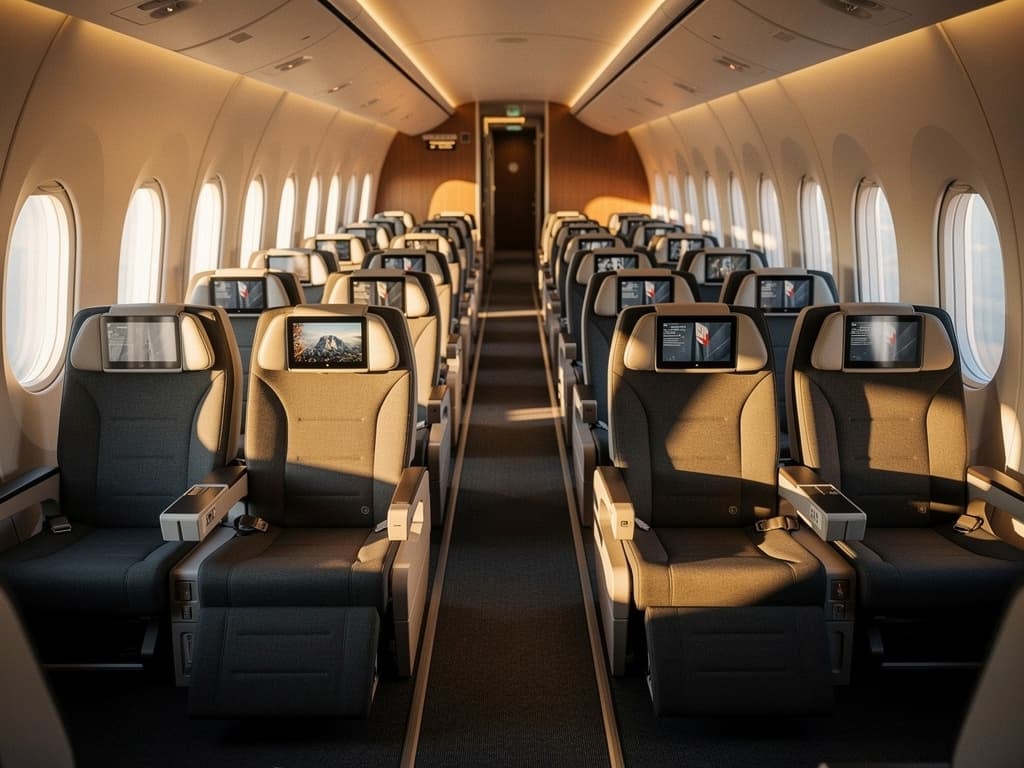
- Use seat maps to identify refreshed cabins: The “new Emirates A380” cabin appears on specific aircraft; a cream-and-bronze interior signals the refreshed product.
Watch for Emirates’ first 777-9 delivery — if it arrives in 2027, some A380 routes may shift equipment, but parts harvesting will keep the superjumbo fleet viable through 2040.
FAQ
Will Emirates keep flying the A380 through 2040?
Emirates has stated it plans to operate the A380 until at least 2040, and the parts-harvesting strategy is designed to support that timeline. The 777X delay prolongs rather than shortens A380 service.
Does using parts from retired A380s affect safety or reliability?
No. Dismantled parts enter the used serviceable material supply chain only after inspection, documentation, and certification. Emirates uses these components to maintain the active fleet, not to cut corners.
How can I avoid a two-class Emirates A380 with no first class?
Check the seat map before booking. Three-class A380s show first class and more business seats. High-density two-class A380s concentrate on routes like Dubai–Bangkok, Dubai–Manchester, and Dubai–Mauritius, but aircraft swaps remain possible.
Read more