Summary
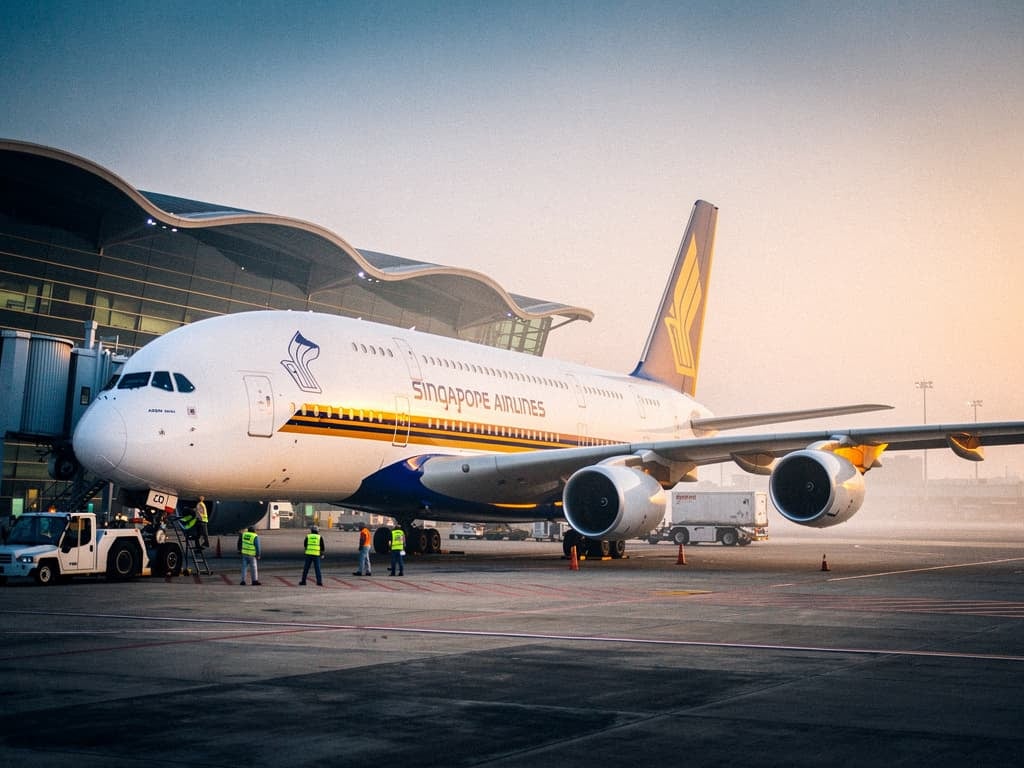
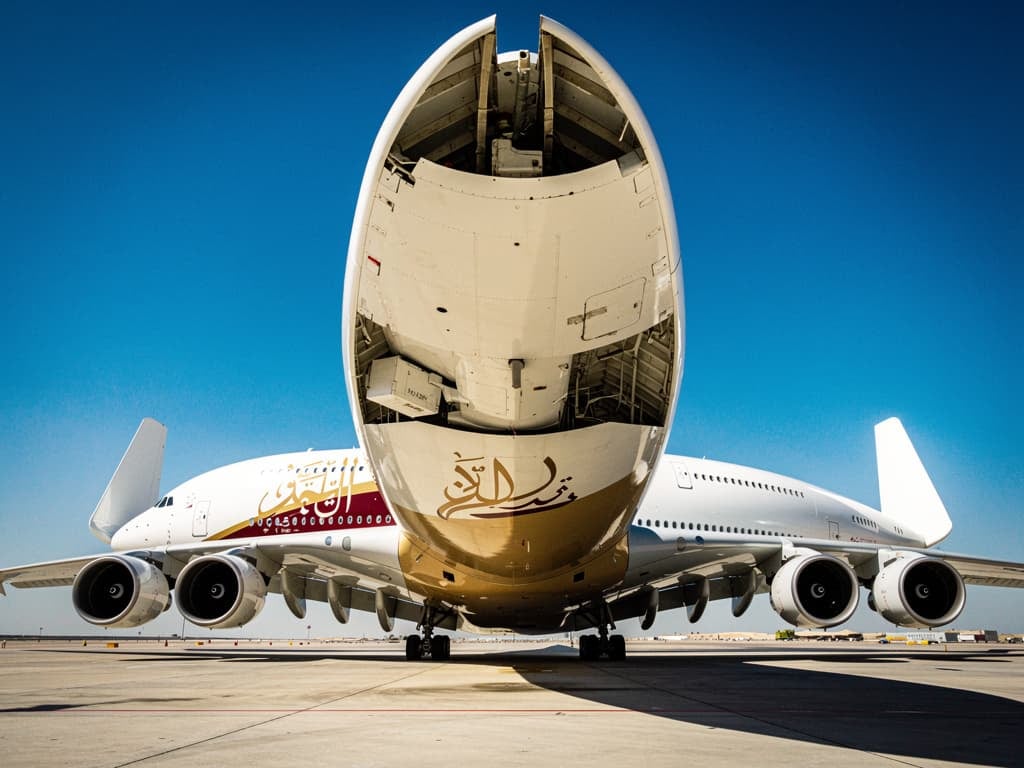
Emirates has pushed the return of its flagship Airbus A380 on five international routes to September 1, 2026, extending a capacity crunch through the peak summer travel month. The superjumbo will not serve Dubai–Glasgow, Hong Kong (nonstop), Osaka, Perth, or Prague in August, as the carrier cites the ongoing war in Iran for the cascading schedule changes filed over the July 11–12 weekend.
The delay slashes daily premium cabin availability by up to 80% on some routes, with smaller A350-900 and 777-300ER aircraft filling the gap. A further postponement to October 1 is considered likely if the conflict escalates.
For the third time since March, Emirates has redrawn its A380 deployment map, stranding five high-demand routes without the double-decker during August. The decision, confirmed in a weekend schedule filing with industry databases, directly impacts the premium cabin experience on corridors linking Dubai to Scotland, Central Europe, East Asia, and Australia.
The A380 is not merely a larger aircraft for Emirates. It is the carrier’s strategic capacity weapon and the centerpiece of its premium product, offering between 468 and 569 business class seats per flight on the affected configurations. Replacing it with an A350-900 — which typically carries 42 to 58 business seats — vaporizes the front-cabin inventory that connecting travelers from North America and Europe rely on for long-haul comfort to Asia-Pacific.
The five routes now face a 56% capacity drop on Glasgow alone, where daily seats for sale shrink from 1,038 to 664. The airline last operated the A380 to Glasgow on March 12, 2026, shortly after the Iran conflict began disrupting Gulf airspace. Since then, the Scottish route has been served by A350-900 and 777-300ER aircraft, a pattern repeated across the other four destinations.
Hong Kong presents a partial exception. The A380 still flies there, but only via Bangkok using fifth-freedom rights. Nonstop double-daily A380 service remains suspended until at least October 1, when Emirates plans to deploy three daily superjumbos to the city — two nonstop and one via the Thai capital.
The revised network and what each route loses
The schedule update, filed with Cirium Diio and OAG, sets a September 1 target for the A380’s return across all five markets. Perth had been due to see the aircraft return on July 27, days ahead of the other four routes, before the blanket postponement. Each destination now faces a specific configuration and capacity reality that will reshape booking dynamics well into the autumn.
| Route (DXB to) | Now due | Previously due | Planned A380 configuration |
|---|---|---|---|
| Glasgow (GLA) | September 1 | August 1 | Daily 519-seat |
| Hong Kong (HKG)* | September 1 | August 1 | Daily 487-seat until Sep 30; 2x daily from Oct 1 (487 + 517-seat) |
| Osaka (KIX) | September 1 | August 1 | Daily 468-seat until Oct 24, then 487-seat |
| Perth (PER) | September 1 | July 27 | Daily 468-seat |
| Prague (PRG) | September 1 | August 1 | Daily 487-seat (Oct 1–24), then 569-seat |
* Nonstop flights only. Hong Kong also receives daily A380 service via Bangkok.
Glasgow’s schedule reveals the operational logic behind the A380’s importance. Flight EK27 departs Dubai at 7:50 a.m. and reaches Scotland at 12:40 p.m. local time. The return, EK28, leaves Glasgow at 2:40 p.m. and lands in Dubai at 1:05 a.m. — a timing architecture designed to maximize Asia-Pacific connectivity. When the superjumbo finally returns, the daily seat count will jump from 664 to 1,038, a 56% increase delivered overnight.
Prague will see the most dramatic product shift. From October 25, Emirates plans to deploy its new three-class, 569-seat A380 configuration on the route, replacing the two-class, 615-seat layout previously used. This introduces a genuine first-class cabin to the Prague market for the first time on Emirates metal.

Flight deals most people never see
Our AI monitors 150+ airlines for pricing anomalies that traditional search engines miss. Air Traveler Club members save $650 per trip per person on average: see how it works.
Each deal saves 40–80% vs. regular fares:

Why the A380 gap matters beyond seat counts
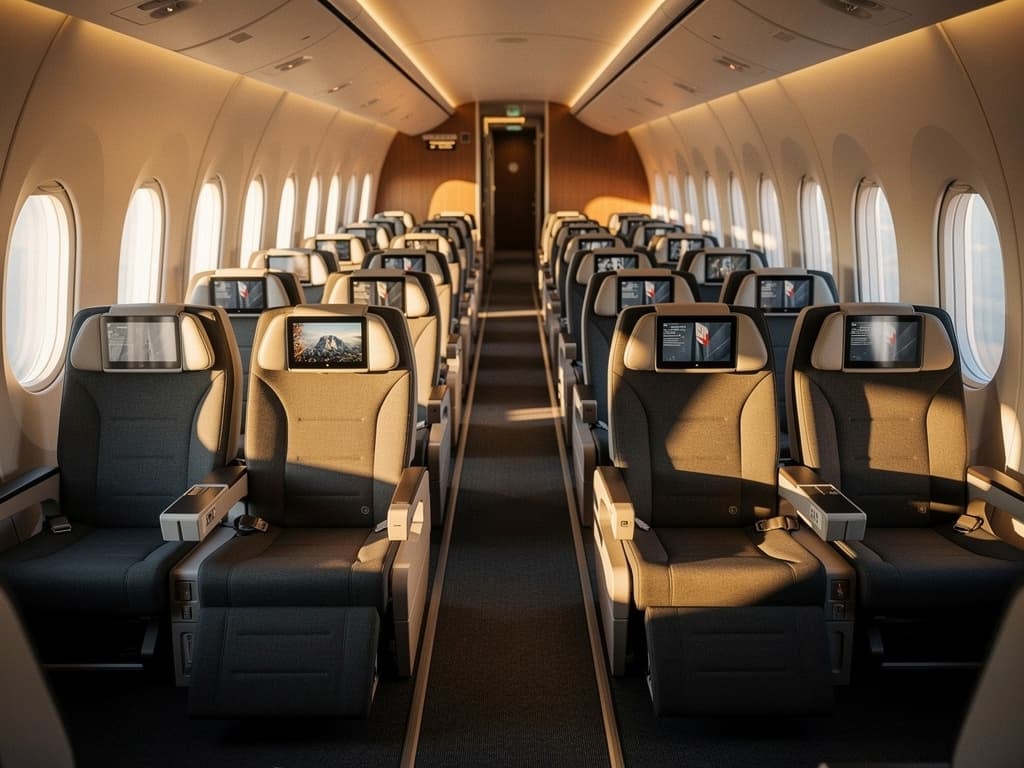
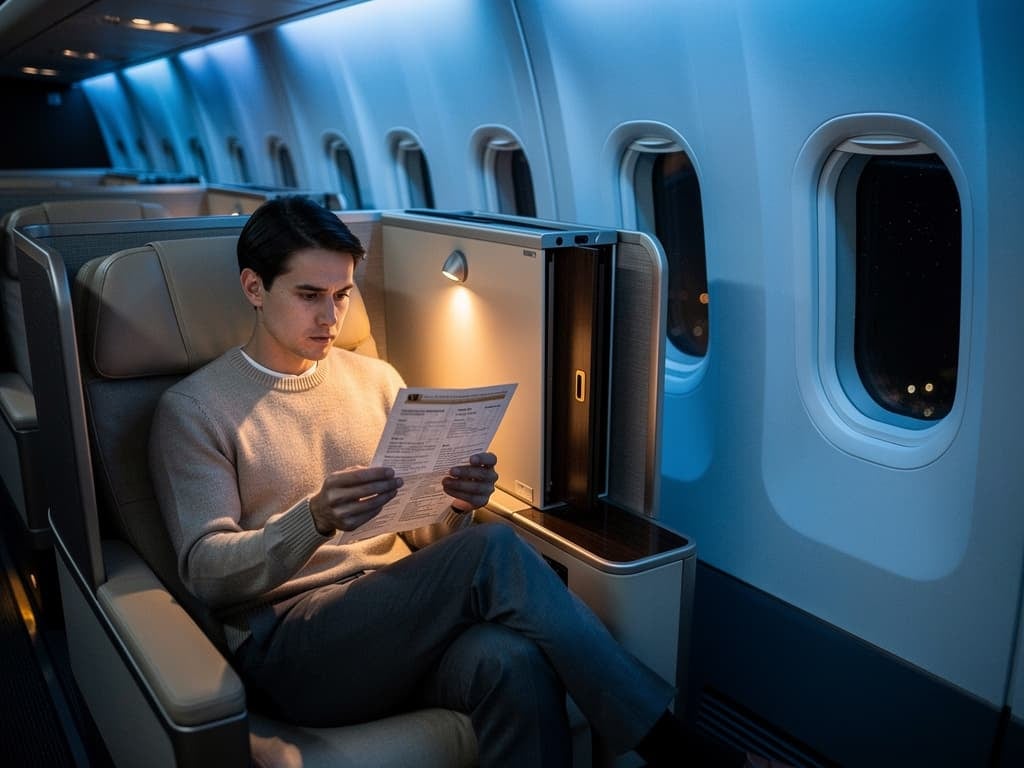
The capacity squeeze is only half the story. Emirates’ A380 business class — particularly on newer configurations — offers private suites and direct aisle access that the replacement A350-900 and 777-300ER aircraft cannot match. For travelers connecting from North America or Europe through Dubai to Hong Kong, Osaka, or Perth, the downgrade means a fundamentally different premium experience on the longest leg of their journey.
Competing Gulf carriers have faced the same headwinds. Qatar Airways dropped A380s from Paris, Frankfurt, and Perth in April 2026, also citing Iran-related airspace restrictions. The pattern suggests a structural, not temporary, realignment of Gulf superjumbo operations as long as the conflict persists. Air Traveler Club’s analysis of Emirates’ high-density A380 deployments earlier this year flagged the carrier’s willingness to sacrifice premium capacity for total seat volume — a trade-off now accelerated by geopolitical necessity.
If the September 1 target holds, Emirates will operate 82 daily A380 departures from Dubai to 53 destinations, up from 77 daily departures in September 2025. The growth comes partly from recent superjumbo returns to Shanghai Pudong and Guangzhou, plus added frequencies to Bangkok, Bali, Singapore, and Zurich. Delhi is scheduled to join the A380 network in October.
How to navigate the August capacity crunch
The August A380 gap forces a clear decision for premium travelers: accept a downgraded hard product on Emirates’ A350 or 777, or shift to a competitor offering a more consistent business class experience on these specific corridors.
- Act within 48 hours if you hold an August booking. Emirates’ fee-free rebooking and refund window is triggered by schedule change notifications. Waiting risks losing flexibility as alternative inventory on competing carriers tightens.
- Qatar Airways offers the strongest substitute product. Its A350-1000 business class, featuring Qsuite on most aircraft, provides direct aisle access and privacy that Emirates’ A350 and 777 cannot match on these routes. Fares are approximately 15% lower than Emirates’ current pricing.
- Points redemptions now outperform cash fares. With business class cash prices elevated by the capacity squeeze, Skywards award tickets — particularly on the A350 — offer better value. Monitor for A380 award space opening when the September schedule firms up.
- Hong Kong travelers should consider Cathay Pacific. The nonstop 777-300ER service offers 42 business class seats with a consistent hard product. While it lacks the A380’s spaciousness, it avoids the Bangkok stop and uncertain Emirates nonstop timeline.
- September and October bookings carry less risk. If the September 1 return holds, the capacity injection will likely soften fares and open award space. The risk is a further slide to October 1 — book refundable rates if traveling in September.
Watch for Emirates’ official statement on Iran airspace reopening, expected by late July 2026. If the carrier confirms safe passage corridors, the September 1 A380 return likely holds. Absent that confirmation, an October 1 delay becomes the base case.
FAQ
Will my Emirates business class seat change if I’m booked on an August flight?
Yes. If you are booked on any of the five affected routes in August 2026, your aircraft will be an A350-900 or 777-300ER rather than the A380. This means a different seat configuration, potentially less privacy, and a smaller business class cabin. Emirates is offering fee-free rebooking or refunds for affected passengers.
When is the A380 most likely to return to these routes?
Emirates has filed September 1, 2026, as the target date for all five routes. However, industry sources consider a further delay to October 1 likely if the Iran conflict continues to restrict Gulf airspace. A decision is expected by late July 2026.
Does Hong Kong still have any A380 service from Emirates?
Yes, but only via Bangkok. Emirates operates a daily A380 from Dubai to Hong Kong with a stop in Bangkok using fifth-freedom rights. Nonstop A380 flights between Dubai and Hong Kong remain suspended until at least October 1, 2026.
Read more