Summary
Four Asia-Pacific carriers are reshaping premium travel options across key long-haul corridors this year. AirAsia X launches its Kuala Lumpur–Bahrain–London Gatwick service on June 26, 2026, introducing a fifth freedom operation and the carrier’s first hub outside Malaysia. Qantas deploys the Airbus A380 on 13 of 14 weekly Singapore–Sydney services from December 7, 2026, adding 14 First Class suites and 70 Business seats to the route. Lufthansa adds non-stop Kuala Lumpur–Frankfurt service five times weekly from October 25, 2026, and Fiji Airways opens Gold Coast–Nadi from June 11, 2026.
Premium inventory on these routes will tighten quickly after launch announcements. Advance booking windows of 60–120 days are already open on most services.
Asia-Pacific aviation is entering one of its most active expansion phases in years, with four carriers simultaneously adding premium capacity, new routes, and upgraded aircraft across corridors that have been capacity-constrained since 2024. The moves collectively reshape how travelers connect South-east Asia with Europe, Australia, and the Pacific — and they create genuine booking decisions that reward early action.
The headline development is AirAsia X‘s entry into the Europe market. The Kuala Lumpur–Bahrain–London Gatwick service, launching June 26, 2026, marks only the carrier’s second fifth freedom operation and positions Bahrain as its first hub outside Malaysia. For travelers from Australia, Indonesia, and Vietnam transiting through Kuala Lumpur, this creates a new budget-premium routing to Europe that didn’t exist six months ago.
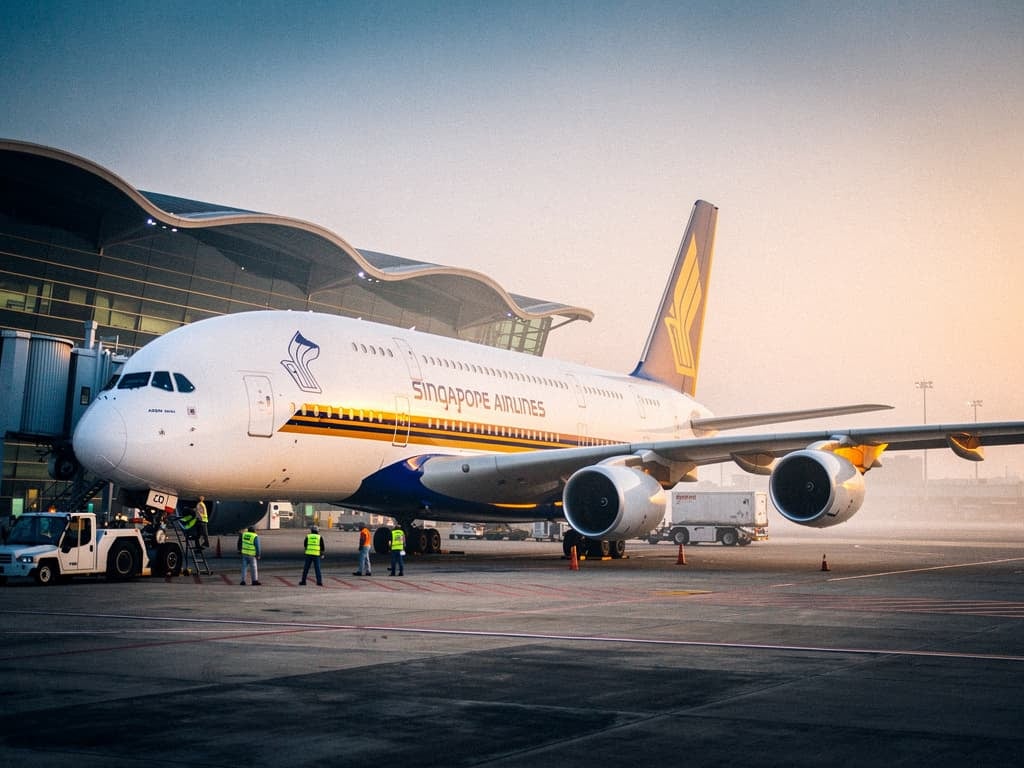
Simultaneously, Qantas is upgrading one of its most competitive routes. The Singapore–Sydney corridor already features Singapore Airlines A380 service and Cathay Pacific A350 operations — and from December 7, 2026, Qantas adds A380 capacity on 13 of its 14 weekly frequencies, increasing premium seat availability by approximately 30% on the route.
Lufthansa‘s non-stop Kuala Lumpur–Frankfurt launch on October 25, 2026 adds a fifth-weekly Star Alliance option on a corridor currently dominated by one-stop routings. And Fiji Airways‘ Gold Coast–Nadi service from June 11, 2026 opens a direct Queensland gateway to the Pacific for the first time.
The details behind each launch
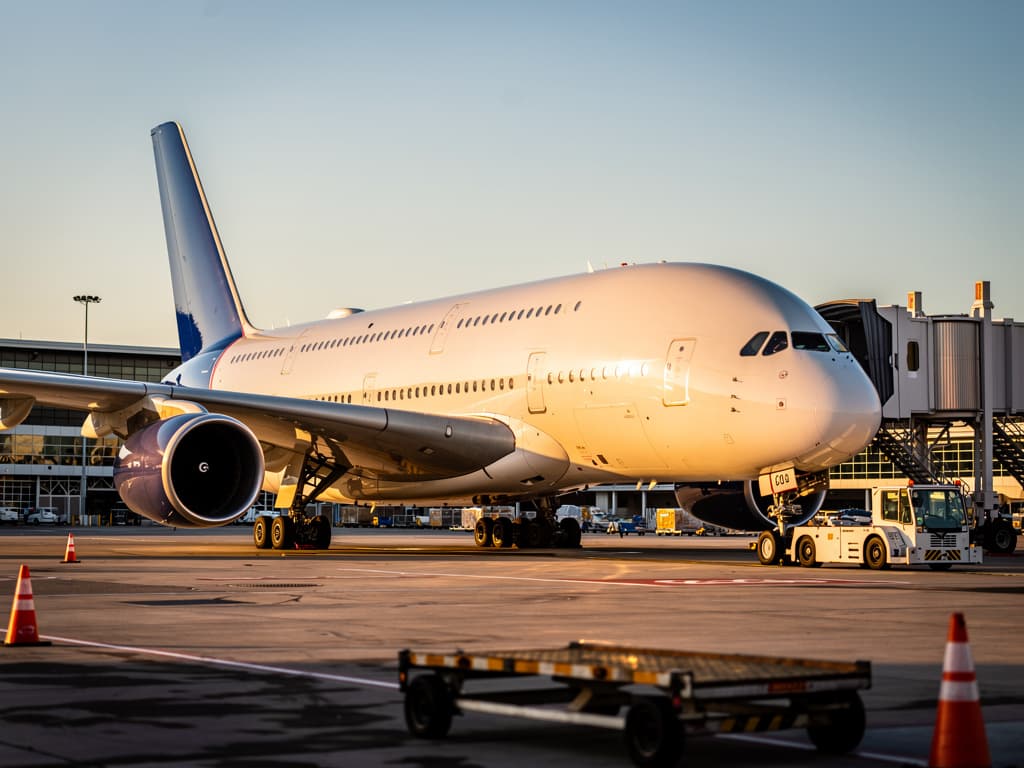
AirAsia X‘s Kuala Lumpur–Bahrain–London Gatwick routing operates on Airbus A330 aircraft, with the Bahrain–London sector functioning as a fifth freedom service — meaning the carrier can sell seats between those two points independently of the Kuala Lumpur origin. Industry filings confirm Bahrain will serve as the carrier’s first hub outside its home market, supporting transit traffic from South-east Asia and Oceania. The airline currently connects Kuala Lumpur with 95 destinations across 23 countries, operating close to 2,000 weekly flights. The London Gatwick addition extends that network into Western Europe for the first time.
The AirAsia X fifth freedom strategy follows its earlier Istanbul expansion in early 2026 — a pattern suggesting the carrier is systematically building a hub-and-spoke model through secondary Middle Eastern and European gateways rather than competing head-on with legacy carriers at primary hubs. Air Traveler Club’s analysis of fifth freedom flight economics explains why these routes frequently price 30–50% below equivalent legacy carrier fares on the same corridor.
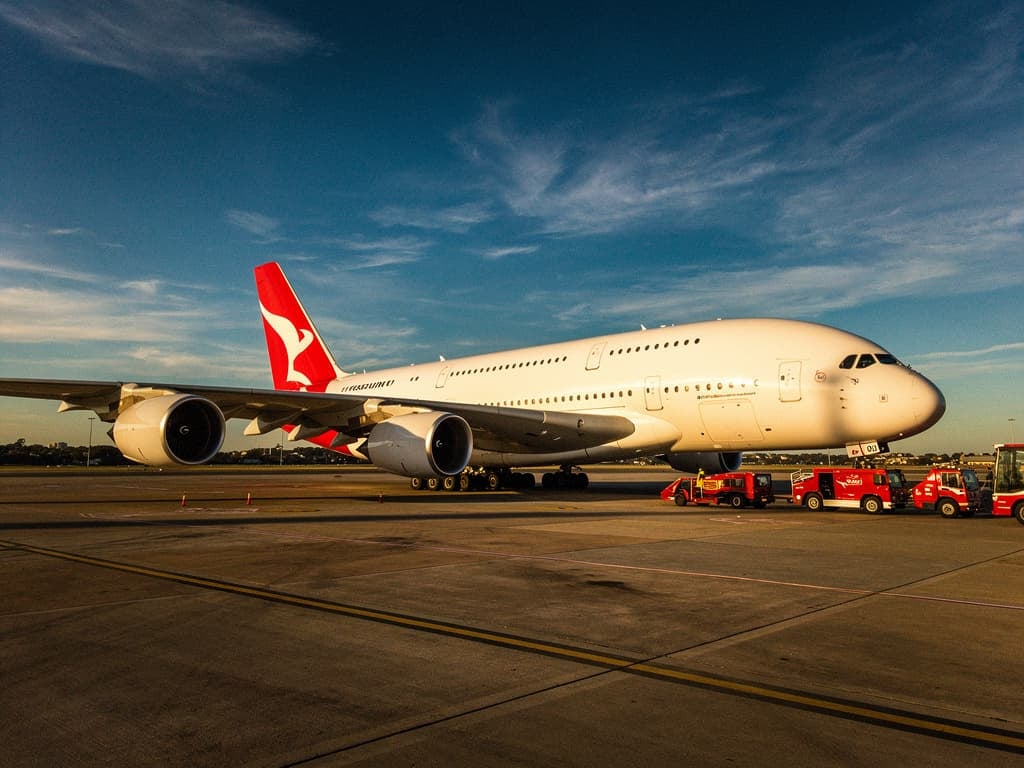
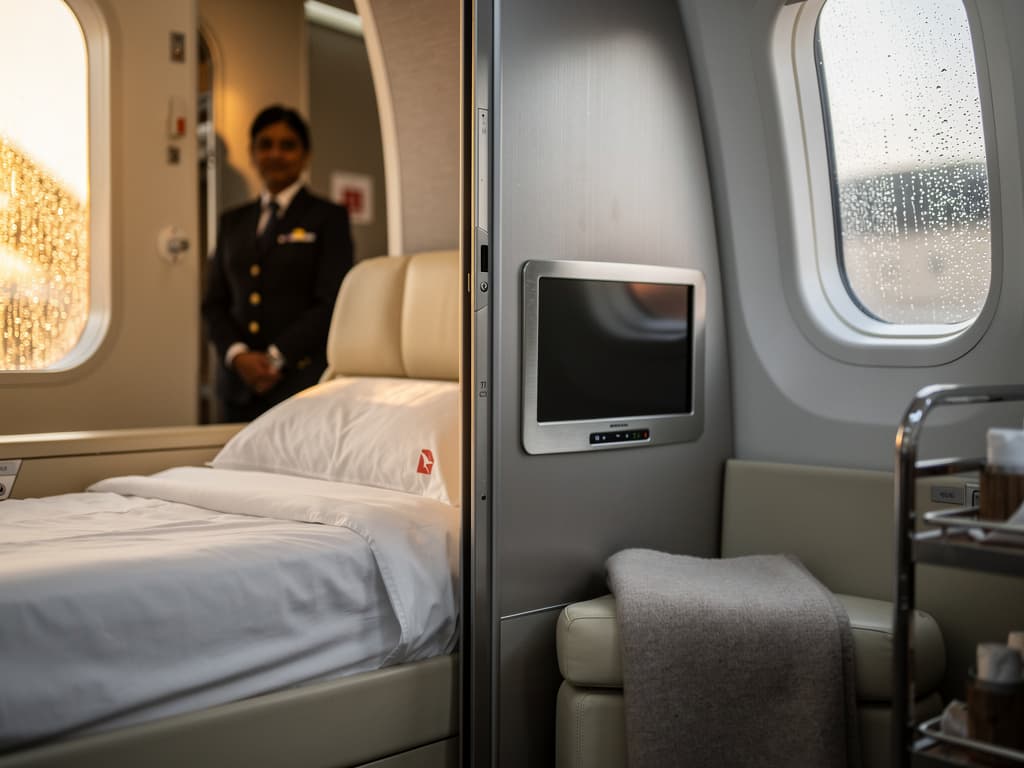
The Qantas A380 deployment on Singapore–Sydney is the most significant premium capacity addition on any trans-Tasman or Asia–Australia route this year. The aircraft carries 14 First Class suites, 70 Business seats, and 60 Premium Economy seats — replacing A330 operations on 13 of 14 weekly frequencies. The remaining frequency continues with an A330.
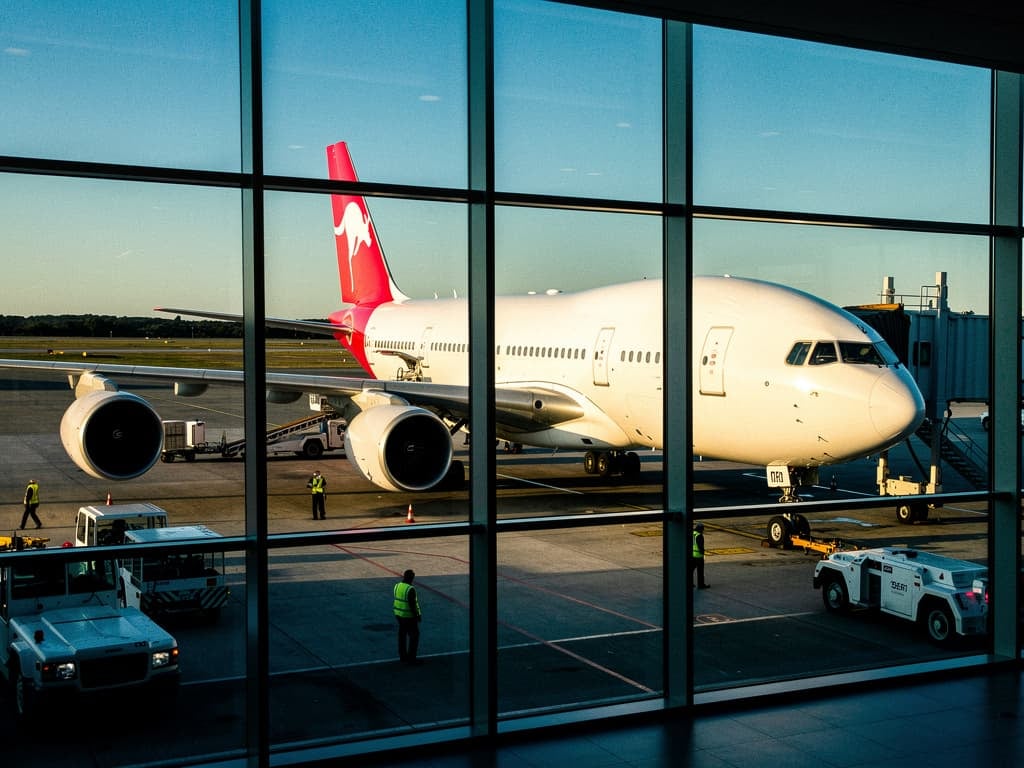
Lufthansa‘s Boeing 787 service between Kuala Lumpur and Frankfurt operates five times weekly — daily except Tuesdays and Thursdays — with 287 seats across three cabins. The route provides onward connectivity through Frankfurt to Lufthansa’s European network, competing directly with Air France’s Paris hub and British Airways’ London Heathrow operations on the South-east Asia–Europe corridor.
| Airline | Route | Aircraft | Launch date | Frequency |
|---|---|---|---|---|
| AirAsia X | Kuala Lumpur–Bahrain–London Gatwick | Airbus A330 | June 26, 2026 | Not yet confirmed |
| Qantas | Singapore–Sydney (A380 upgrade) | Airbus A380 | December 7, 2026 | 13 of 14 weekly |
| Lufthansa | Kuala Lumpur–Frankfurt | Boeing 787 | October 25, 2026 | 5x weekly (year-round) |
| Fiji Airways | Gold Coast–Nadi | Not yet confirmed | June 11, 2026 | Not yet confirmed |

Flight deals most people never see
Our AI monitors 150+ airlines for pricing anomalies that traditional search engines miss. Air Traveler Club members save $650 per trip per person on average: see how it works.
Each deal saves 40–80% vs. regular fares:

What the capacity surge means for premium bookings
The combined effect of these launches is a meaningful increase in premium seat supply across three distinct corridors — Asia–Australia, South-east Asia–Europe, and the Pacific — arriving within a six-month window between June and December 2026. That supply increase creates a short-term pricing opportunity that typically closes within 90 days of each launch.
Historical patterns on comparable Qantas A380 upgrades — including the Melbourne–Singapore and Sydney–Bangkok capacity additions in 2024–2025 — show that Business Class cash fares soften in the first 60–75 days post-launch as the airline fills new inventory, then firm as forward bookings accumulate. First Class award space on the Singapore–Sydney route has historically required 120,000+ Qantas Points one-way at peak; the A380 deployment’s additional 14 suites may ease that threshold temporarily.
The AirAsia X Bahrain–London service introduces a structural pricing variable that legacy carriers will need to respond to. If Business Class fares on the Kuala Lumpur–London corridor price below £3,000 roundtrip — a threshold that would represent genuine disruption — expect British Airways, Lufthansa, and Air France to respond with targeted fare matching on their own Asia–Europe services within 30–60 days of the AirAsia X launch.
How to position bookings across these four launches
These route additions represent genuine booking decisions with different urgency levels depending on your travel corridor. The June launches — AirAsia X and Fiji Airways — require action within weeks; the October and December launches allow a longer runway but reward early movers on premium inventory.
- AirAsia X Kuala Lumpur–Bahrain–London Gatwick (June 26, 2026): Book via AirAsia.com as soon as Business Class seat maps publish — expected mid-May 2026. This is a new route with unproven demand patterns; opening fares often represent the lowest pricing the carrier will offer on the corridor.
- Fiji Airways Gold Coast–Nadi (June 11, 2026): Book via FijiAirways.com now for June travel; the route’s launch coincides with the AFL partnership promotion, which may include introductory fare offers for Gold Coast market travelers.
- Lufthansa Frankfurt–Kuala Lumpur (October 25, 2026): Search Star Alliance award space via United.com or Lufthansa.com from late June 2026 — the 120-day pre-departure window. Cash fares are typically most competitive 75–90 days out (late July–early August 2026).
- Qantas A380 Singapore–Sydney (December 7, 2026): The longest runway but the highest-stakes premium product. Oneworld members should search award space via American Airlines AAdvantage or British Airways Executive Club from September 2026. Cash Business Class fares will likely soften in the first 60 days post-launch as Qantas fills expanded A380 inventory.
- Watch: AirAsia X Business Class seat specifications and pricing for the Bahrain–London sector are expected in May–June 2026. If the carrier prices below £3,000 roundtrip from London Gatwick, it signals a structural shift in Europe–Asia premium pricing that will affect competing carriers’ fare strategies through year-end.
FAQ
What is a fifth freedom flight and why does it matter for the AirAsia X London service?
A fifth freedom right allows an airline to carry passengers between two foreign countries as part of a service that originates in its home country. For AirAsia X, this means the Bahrain–London Gatwick sector can be sold as a standalone ticket, not just as part of a Kuala Lumpur–London booking. Travelers originating in Bahrain can book directly to London Gatwick on AirAsia X, and the carrier can price that sector independently — often below legacy carrier fares on the same route.
How does the Qantas A380 First Class product compare to Singapore Airlines on the Singapore–Sydney route?
Qantas operates 14 First Class suites on the A380 versus Singapore Airlines’ 12 suites on the same route. Qantas First Class suites offer direct aisle access and premium bedding; Singapore Airlines counters with superior lounge access at Changi via the SilverKris First Class Lounge. Award availability has historically been more accessible through Oneworld partners on Qantas than through Star Alliance partners on Singapore Airlines for this specific corridor.
Can I use Star Alliance miles to book the new Lufthansa Kuala Lumpur–Frankfurt service?
Yes. Lufthansa’s Frankfurt–Kuala Lumpur service is bookable with Star Alliance partner miles, including United MileagePlus and Air Canada Aeroplan, in addition to Miles & More. Award space typically peaks at 120 days pre-departure; searching from late June 2026 for October 25 launch dates will capture the best availability window. Business Class award rates vary by program — United MileagePlus and Aeroplan have historically offered competitive pricing on Lufthansa long-haul Business Class.
Read more