Summary
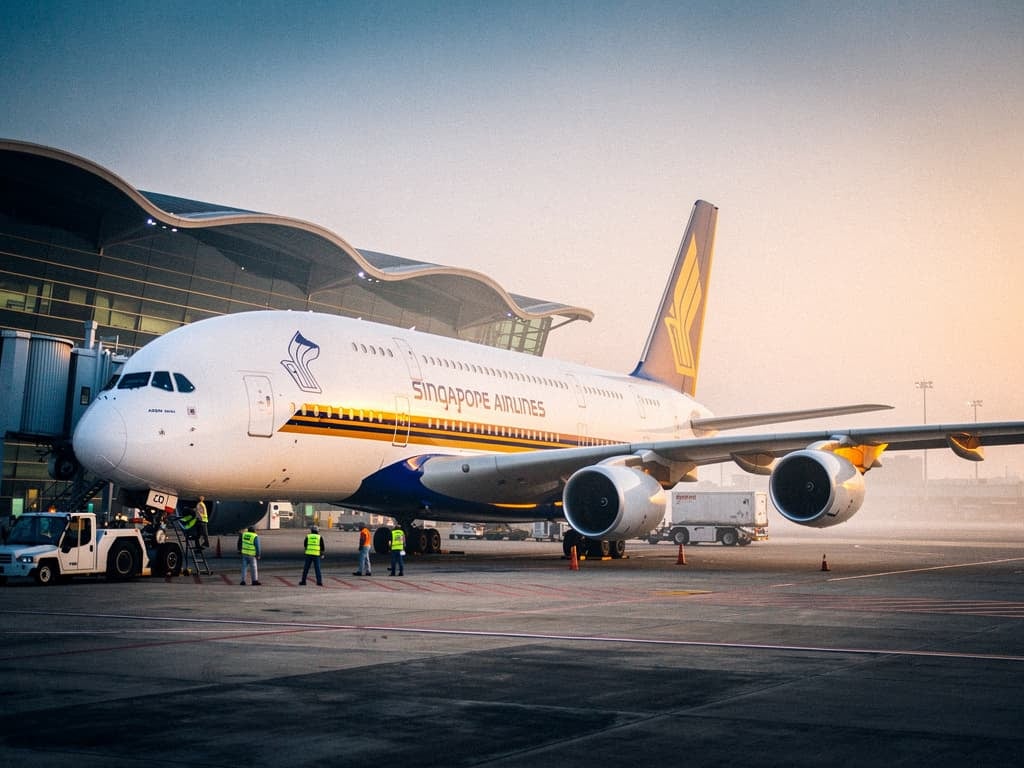
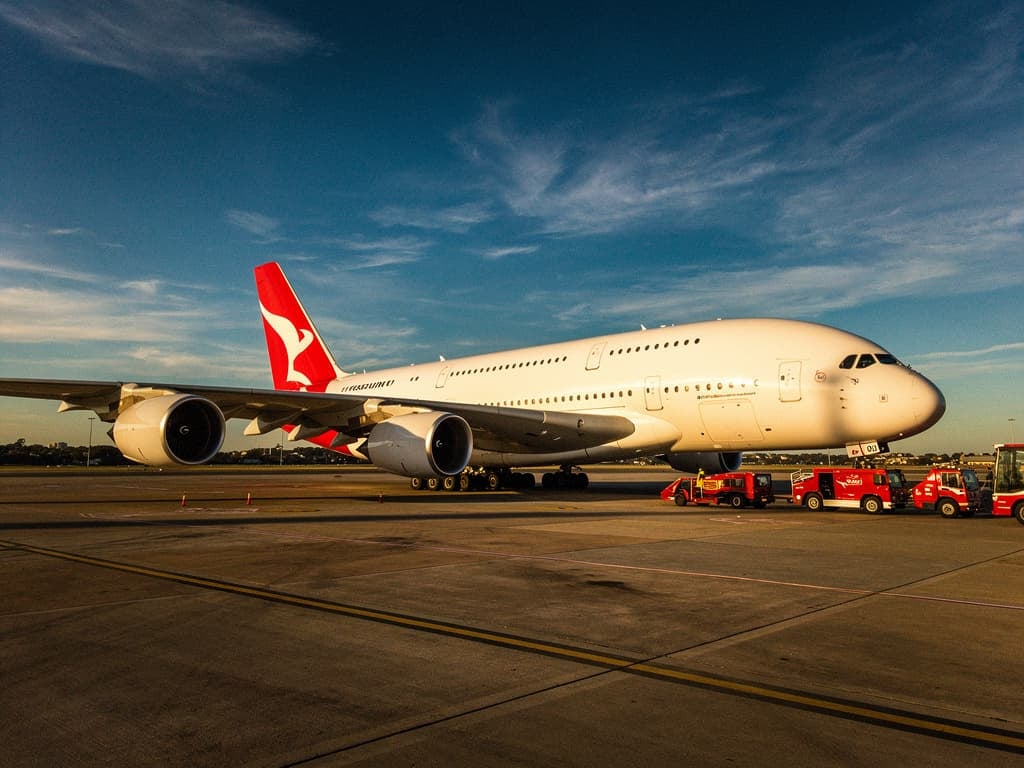
Korean Air has extended Airbus A380 operations on the Seoul Incheon to Tokyo Narita route beyond the originally planned April 2026 end date, maintaining superjumbo service on what remains the world’s shortest regularly scheduled A380 route at just 2 hours flight time. The extension preserves premium cabin capacity on the high-demand ICN-NRT corridor as Asiana Airlines prepares to end its own A380 service on the same route in May 2026.
The move signals sustained business class demand on this short-haul corridor. Korean Air operates the only remaining A380 service between the two cities after Asiana’s withdrawal, offering SkyTeam elites and award travelers continued access to spacious business class suites on a route typically served by narrowbody aircraft.
The decision to maintain A380 service on ICN-NRT reflects premium cabin economics that justify deploying a 407-seat superjumbo on a route shorter than most domestic U.S. flights.
Korean Air initially positioned the A380 on this corridor as temporary capacity through April 2026, but sustained demand has prompted the extension. The route operates multiple daily frequencies, with the A380 supplementing narrowbody service during peak business travel windows.
Two carriers have operated A380s on ICN-NRT simultaneously — Korean Air and Asiana Airlines — though Asiana will cease superjumbo operations on the route in May 2026 as part of fleet rationalization ahead of its merger with Korean Air.
why the A380 works on a 2-hour route
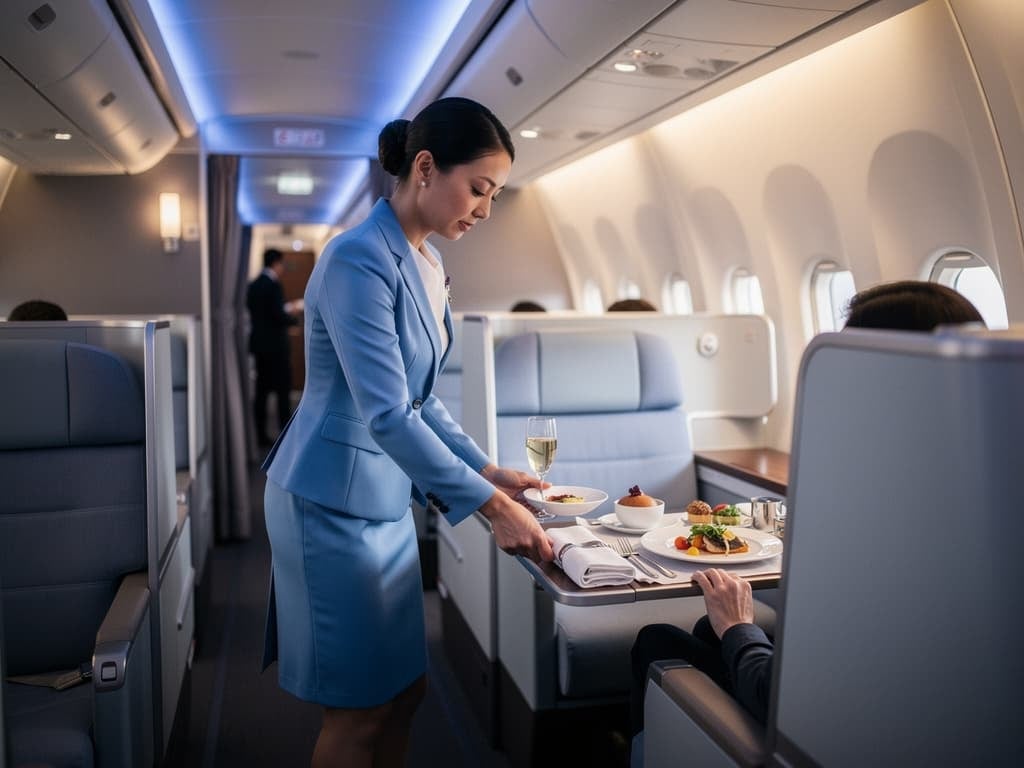
The ICN-NRT corridor ranks among Asia’s densest business travel markets, with corporate demand supporting premium cabin loads that make A380 economics viable despite the short block time. Korean Air configures its A380s with 94 business class seats in a 1-2-1 layout, offering lie-flat suites with direct aisle access — a product tier rarely seen on sub-3-hour routes.
The aircraft operates alongside Korean Air’s 787 and 777 fleet on ICN-NRT, with the A380 typically scheduled during morning and evening business travel peaks. Seoul and Tokyo anchor two of Asia’s largest financial centers, generating consistent premium traffic for banking, technology, and manufacturing sectors.
| Airline | Aircraft/Cabin | Daily frequencies | Key advantage |
|---|---|---|---|
| Korean Air | A380 Business (1-2-1) | 1-2 flights | Widest seats, quietest cabin |
| Asiana Airlines | A380 Business (1-2-1) | 1 flight (ends May 2026) | Similar product, fewer slots |
| Japan Airlines | 787-9 Business | 3-4 flights | Schedule flexibility, Tokyo connections |
| ANA | 777-300ER Business | 4-5 flights | Most departure options, Star Alliance access |

Flight deals most people never see
Our AI monitors 150+ airlines for pricing anomalies that traditional search engines miss. Air Traveler Club members save $650 per trip per person on average: see how it works.
Each deal saves 40–80% vs. regular fares:

what the extension means for award availability
The A380’s continued presence benefits SkyTeam award travelers seeking business class space on ICN-NRT. Korean Air releases Saver-level awards to partners including Delta and Air France-KLM, though inventory tightens during peak summer and year-end travel windows when corporate demand peaks.
With Asiana withdrawing its A380 in May 2026, Korean Air becomes the sole superjumbo operator on the route — concentrating premium award space within a single program. SkyPass members booking directly access the widest inventory, while partner redemptions face tighter allocations during high-demand periods.
The route’s short distance makes it a strategic positioning flight for travelers connecting to Southeast Asia or Oceania via Seoul, particularly those holding SkyTeam elite status seeking to maximize lounge access and upgrade opportunities across multiple segments.
strategic considerations for premium travelers
The A380 extension matters for booking decisions when premium cabin comfort outweighs schedule flexibility on this 2-hour sector.
- Elite status leverage: SkyTeam Elite Plus members gain priority boarding and lounge access at both ICN and NRT, with Korean Air’s Prestige Lounge at Incheon offering shower suites and à la carte dining before the short hop.
- Connection strategy: The A380 schedule aligns with evening departures to North America and morning arrivals from Southeast Asia, creating efficient connection windows for multi-segment premium itineraries.
- Award positioning: Use ICN-NRT as a positioning segment when booking complex SkyTeam awards — the short distance minimizes mileage costs while accessing premium metal unavailable on direct routings.
- Booking tools: Monitor seat maps via ExpertFlyer or KVS Tool to identify A380 service dates, as Korean Air rotates equipment based on demand and maintenance schedules.
Watch: Summer 2026 schedule filings will reveal whether Korean Air increases A380 frequencies beyond current levels, signaling expanded premium capacity as the Asiana merger integration progresses.
FAQ
How does Korean Air’s A380 business class compare to Japan Airlines on this route?
Korean Air’s A380 business class offers wider seats (22 inches vs. 20 inches on JAL’s 787) and a quieter cabin due to the four-engine configuration, but JAL provides more daily departure options and superior Tokyo connections through Haneda. Choose Korean Air for comfort on the 2-hour flight, JAL for schedule flexibility and onward travel within Japan.
Can I use Star Alliance miles to book Korean Air’s A380 on ICN-NRT?
No. Korean Air is a SkyTeam member, so Star Alliance programs like United MileagePlus or ANA Mileage Club cannot access Korean Air award inventory. Book through SkyTeam partners such as Delta SkyMiles, Air France-KLM Flying Blue, or directly via Korean Air SkyPass for A380 business class awards.
What happens to Asiana’s A380 service after May 2026?
Asiana Airlines will cease A380 operations on ICN-NRT in May 2026 as part of fleet rationalization ahead of its merger with Korean Air. The aircraft will be retired or redeployed to other routes, leaving Korean Air as the sole A380 operator on the Seoul-Tokyo corridor. Passengers holding Asiana bookings after May 2026 will be re-accommodated on narrowbody equipment or Korean Air flights.
Read more