Summary
Qantas Airways has rolled out its first specially configured Airbus A350-1000ULR from the Toulouse assembly line, featuring 238 seats including six first-class suites and 52 business-class seats designed for 22-hour nonstop flights from Sydney to New York JFK and London Heathrow starting in the first half of 2027. The aircraft incorporates a dedicated “Wellbeing Zone” with stretch areas, exercise programs, and hydration stations to address the physiological challenges of ultra-long-haul travel exceeding 10,500 miles.
The 12-aircraft order represents the operational launch of Project Sunrise after eight years of development, but tight inventory on just six first-class and 52 business-class seats per flight will require advance planning. Current one-stop alternatives via Dubai, Dallas/Fort Worth, and Singapore remain the primary options until commercial service begins.
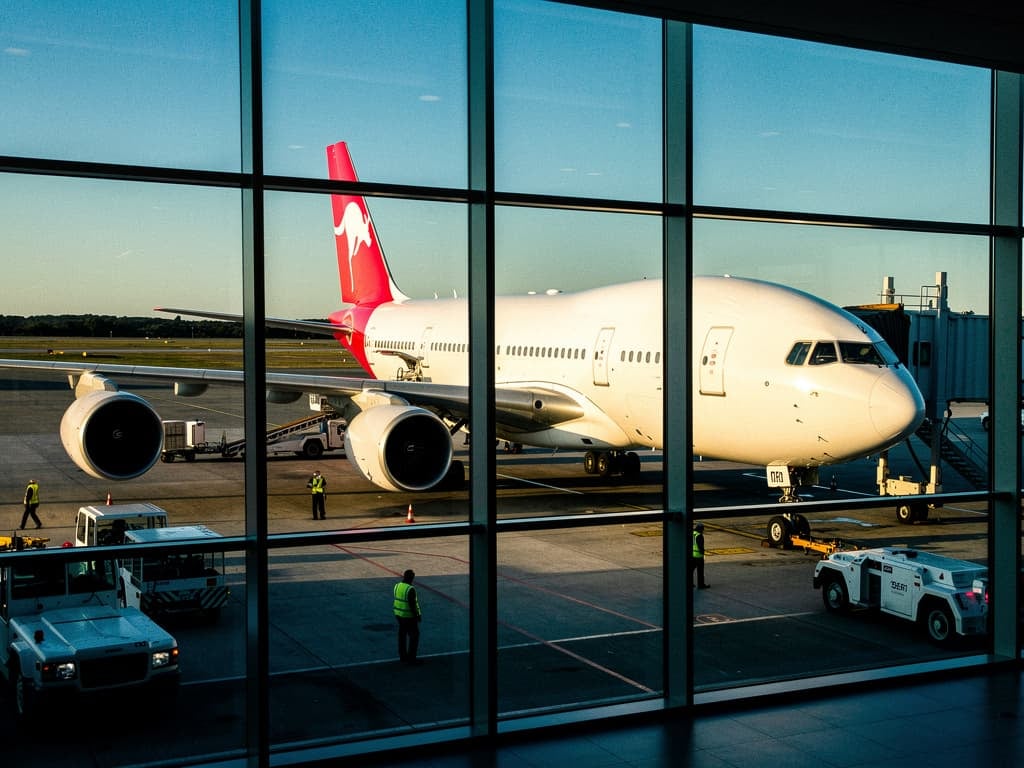
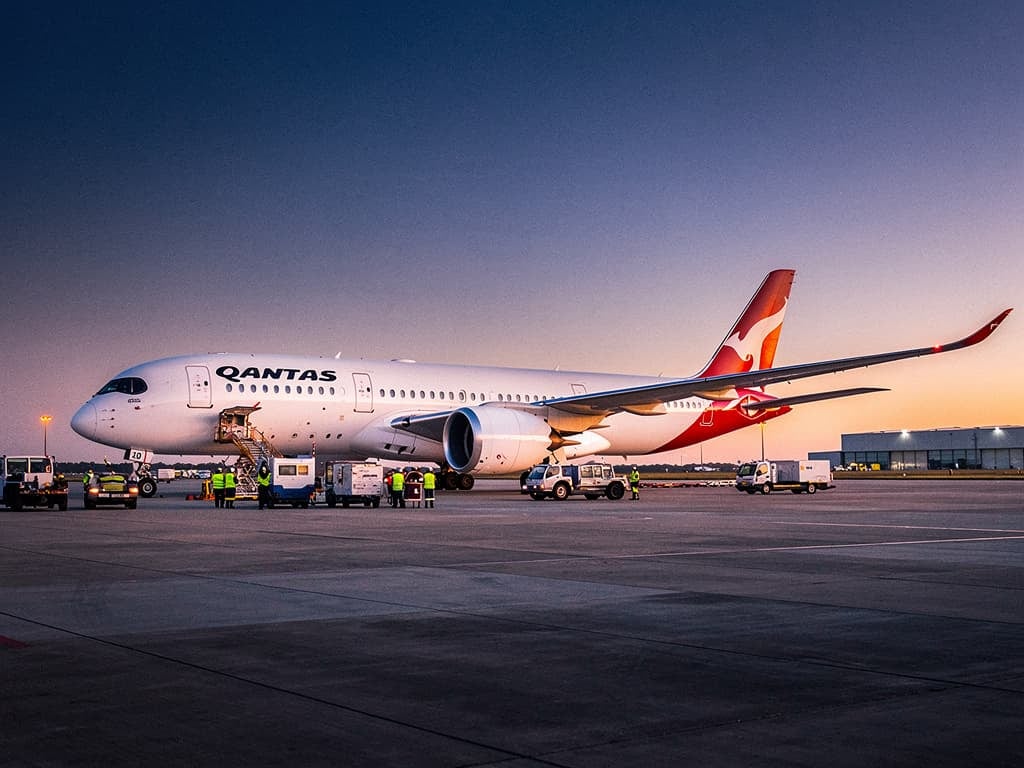
The world’s longest commercial flight is about to get a dedicated aircraft. Qantas last week completed assembly of its first A350-1000ULR in Toulouse, France, marking a tangible milestone for Project Sunrise — the airline’s plan to connect Sydney directly with New York and London on flights lasting up to 22 hours.
The aircraft features an extra fuel tank enabling nonstop service on the 10,573-mile Sydney-London route, shaving up to four hours off current one-stop itineraries via Dubai or Singapore. Flight testing begins early 2026, with delivery scheduled for later in the year ahead of commercial launch in 2027’s first half.
This isn’t speculative aviation. The configuration prioritizes space over density with 238 total seats — roughly 60 fewer than standard A350-1000 layouts that can accommodate 300-plus passengers. Six first-class seats and 52 business-class suites anchor the premium offering, while the dedicated Wellbeing Zone represents the airline’s response to research conducted during 2019 demonstration flights that monitored passenger health impacts on 19-hour sectors.
For Qantas Frequent Flyer members and Oneworld elites, the routes unlock nonstop access to two of the world’s most traveled long-haul city pairs from Australia. But the limited premium inventory across just 12 aircraft means booking windows will be tight from day one.
The aircraft and route details
The A350-1000ULR variant differs from standard models through structural modifications enabling extended range. An additional fuel tank increases total capacity, while aerodynamic refinements optimize fuel burn on sectors exceeding 18 hours. Qantas selected the type after evaluating Boeing 777X and 787-10 alternatives, ultimately prioritizing the Airbus platform’s proven ultra-long-haul performance on routes like Singapore Airlines’ Newark service.
The cabin layout reflects lessons from the 2019 Project Sunrise research flights, when Qantas operated a lightly loaded Boeing 787-9 from New York JFK to Sydney in 19 hours and 26 minutes. Researchers monitored passenger and crew health markers, tracking sleep patterns, hydration levels, and the effectiveness of in-flight exercise routines. That data directly informed the Wellbeing Zone design — a dedicated space featuring stretch handles, on-screen exercise programs, and hydration stations accessible to all cabin classes.
| Airline | Aircraft/Cabin | Routing | Approximate fare |
|---|---|---|---|
| Qantas (2027) | A350-1000ULR Business | SYD-LHR/JFK nonstop | Data pending verification |
| Emirates | A380 Business | SYD-LHR via DXB | $8,000-$11,000 RT |
| British Airways | A380 Club Suites | SYD-LHR via SIN | $7,500-$10,500 RT |
| American Airlines | 787-9 Flagship Business | SYD-JFK via DFW | $8,000-$12,000 RT |
| Qantas | 787 Business | SYD-JFK via LAX | $7,000-$9,500 RT |
Sydney-London Heathrow has not been confirmed as the inaugural route, though the 10,573-mile distance makes it the longest sector in the Project Sunrise network. Sydney-New York JFK at approximately 10,000 miles represents the second target, with both routes scheduled to launch during 2027’s first six months pending regulatory approvals and crew certification.

Flight deals most people never see
Our AI monitors 150+ airlines for pricing anomalies that traditional search engines miss. Air Traveler Club members save $650 per trip per person on average: see how it works.
Each deal saves 40–80% vs. regular fares:

What this means for premium award space
The introduction of nonstop Sydney-London and Sydney-New York service creates new redemption opportunities within the Oneworld alliance, but inventory constraints will define accessibility. With just six first-class and 52 business-class seats per aircraft across a 12-plane fleet, award availability will be significantly tighter than on high-frequency routes operated by larger fleets.
Qantas Frequent Flyer members can expect standard award pricing structures to apply, though the airline has not yet published redemption rates for Project Sunrise flights. Partner redemptions through American AAdvantage, British Airways Executive Club, and other Oneworld programs should follow typical long-haul Australia pricing, which currently ranges from 70,000 to 110,000 miles one-way in business class depending on the program and routing.
The Air Traveler Club’s analysis of Oneworld business class pricing to Australia shows significant fare variations based on departure city, with Scandinavian origins often delivering €2,600-3,000 roundtrip rates compared to €4,500-plus from London or Frankfurt. While Project Sunrise operates from Sydney rather than to it, the pricing dynamics suggest positioning strategies may influence total trip costs for those connecting from Europe or North America.
The Wellbeing Zone adds a strategic dimension beyond seat comfort. For travelers sensitive to the physical toll of extended flights, the structured wellness features may justify premium pricing over competing one-stop options that offer shorter individual flight segments but longer total journey times including connections.
Strategic considerations for ultra-long-haul bookings
Project Sunrise flights launching in 2027 create a new ultra-long-haul benchmark, but the limited fleet and tight premium inventory require different booking strategies than high-frequency routes.
- Book at the outer edge of the window: With just 12 aircraft serving two routes, premium award space will be constrained from launch. Plan to book 330-355 days out for cash fares and at the maximum advance window for awards — likely 11-12 months based on comparable ultra-long-haul patterns.
- Evaluate nonstop premium vs one-stop value: Current one-stop options via Dubai, Dallas/Fort Worth, and Singapore offer established premium products with more frequent service and potentially better award availability. The four-hour time savings on nonstop service carries a premium, but connecting itineraries provide flexibility if Project Sunrise inventory is unavailable.
- Monitor positioning opportunities: For travelers originating in Europe or North America, positioning to Sydney for the return nonstop may offer better value than roundtrip nonstop fares once pricing is published. Scandinavian and Dublin departure points historically deliver lower business class fares to Australia within the Oneworld network.
- Consider the Wellbeing Zone factor: If you’re sensitive to the physical demands of 22-hour flights, the structured wellness features may justify the premium over competing products. For those who sleep well on aircraft, the incremental benefit may not offset tighter award availability.
- Track the 2026 flight test program: Delivery delays or certification issues could push commercial launch into 2027’s second half. Monitor Qantas announcements through mid-2026 before committing to positioning flights or connecting itineraries timed around Project Sunrise availability.
Watch for completion of the early 2026 flight test program and late 2026 delivery of the first aircraft — successful execution confirms the 2027 launch timeline and unlocks booking windows for Oneworld elites planning ultra-long-haul redemptions.
Read more