Summary
Air New Zealand will deploy six full-length lie-flat sleep pods—dubbed Skynest—on Boeing 787-9 aircraft beginning November 2026, with booking opening May 18, 2026. Economy and Premium Economy passengers on the carrier’s 17-hour New York-Auckland route can reserve four-hour sleep sessions for $495, accessing 6.6-foot bunks with fresh bedding, USB outlets, and privacy curtains positioned between the Economy and Premium Economy cabins.
Each aircraft accommodates six simultaneous sleepers in three-level bunk configuration, with two four-hour rotation windows per flight starting after main meal service. Passengers aged 15 and older who are able-bodied may book one session per flight, with crew refreshing bedding during 30-minute handover periods.
What began as an aviation industry curiosity in early 2020—full-length bunk beds wedged into economy class—finally materializes this year as Air New Zealand confirms Skynest deployment on new 787-9 deliveries. The concept survived pandemic delays, Boeing production slowdowns, and widespread skepticism about whether passengers would actually pay $495 for a four-hour horizontal nap on a 17-hour flight.
They will.
The carrier developed Skynest after three years of research at its Auckland innovation center, filing patent and trademark applications before COVID-19 shuttered the project. By 2022, Air New Zealand revived the concept with delivery timelines targeting 2024—a schedule that slipped as Boeing grappled with production constraints affecting multiple carriers’ cabin rollouts. The six-year gap between announcement and deployment mirrors broader industry delays, but the May 18 booking launch confirms genuine operational commitment rather than vaporware marketing.
Skynest targets economy passengers on ultra-long-haul routes—specifically the back-breaking New York JFK to Auckland service—who need mid-flight rest without committing to full Premium Economy or Business Class upgrades. The $495 price point positions these pods between standard economy seating (no lie-flat option) and Premium Economy’s full-flight lie-flat seat at significantly higher base fares. Six pods replace six standard economy seats in a dedicated section, arranged in three-level bunks accessible only during cruise altitude.
The pod specifications and booking mechanics
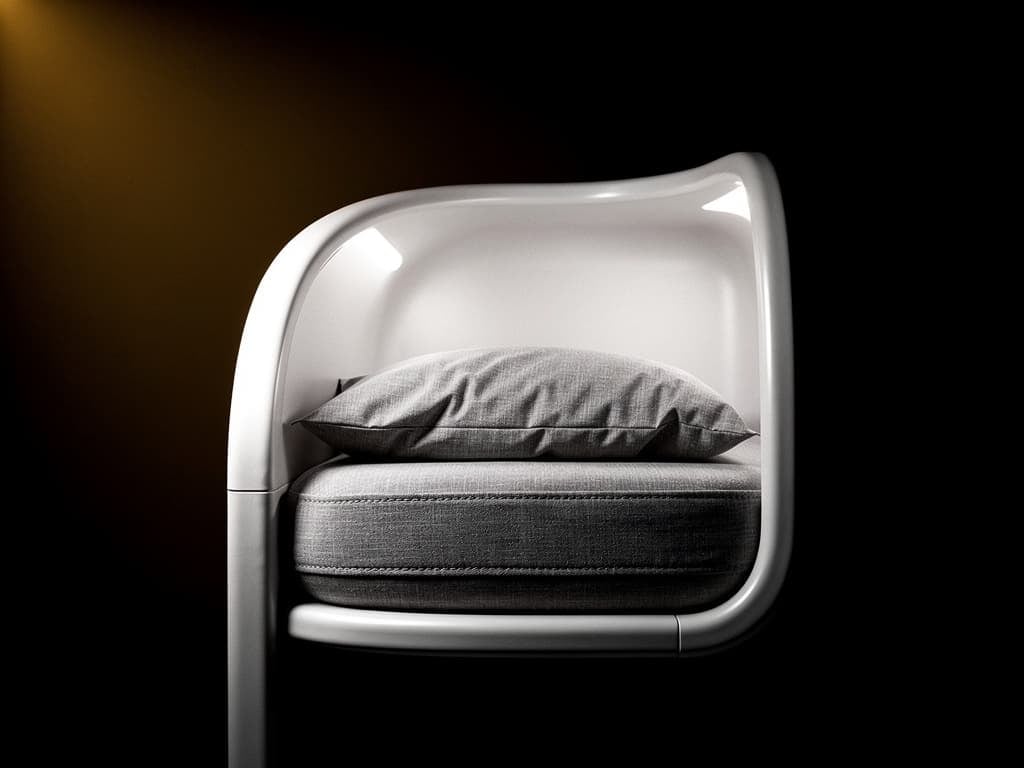
Each Skynest pod measures 6.6 feet (203 cm) long and 25 inches wide at the shoulders, tapering to 16 inches at the feet—dimensions that accommodate most adult passengers but exclude those requiring additional space. The airline positions these bunks between Economy and Premium Economy cabins on 787-9 V5 aircraft, creating a dedicated rest zone that doesn’t disrupt standard cabin flow.
Pods include full-length mattresses, fresh bedding, pillows, blankets, semi-sheer privacy curtains, USB-A and USB-C charging outlets, small storage belts, and ambient lighting. No individual entertainment screens exist within the bunks; passengers must use headphones for audio or video content on personal devices. The airline provides amenity kits with eye masks, earplugs, socks, and wellness items.
Booking opens May 18, 2026 via Air New Zealand’s website and mobile app for travel beginning November 2026. The carrier offers two four-hour time slots per flight, starting immediately after main meal service. When sessions end, lighting automatically illuminates, and crew members begin 30-minute handover procedures to refresh bedding for the next rotation. Passengers may book only one session per flight, and pods remain unavailable during taxi, takeoff, and landing due to certification restrictions.
| Cabin tier | Seat/bed specs | Session/flight duration | Approximate pricing |
|---|---|---|---|
| Economy | 17.3″ width, 32″ pitch, standard recline | Full 17-hour flight | $1,200–$1,600 roundtrip |
| Skynest pod | 6.6′ lie-flat, 25″ shoulder width, fresh bedding | 4-hour mid-flight session | Economy fare + $495 per session |
| Premium Economy | 19.5″ width, 41″ pitch, full lie-flat seat | Full 17-hour flight | $3,500–$4,800 roundtrip |
| Business Class | Lie-flat bed, direct aisle, shower spa | Full 17-hour flight | $8,500–$12,000+ roundtrip |

Flight deals most people never see
Our AI monitors 150+ airlines for pricing anomalies that traditional search engines miss. Air Traveler Club members save $650 per trip per person on average: see how it works.
Each deal saves 40–80% vs. regular fares:

How Skynest fits the ultra-long-haul landscape
No competing carrier operates dedicated economy sleep pods, making Skynest a genuine first-to-market innovation rather than competitive catch-up. Singapore Airlines Premium Economy on A380 and 787-10 aircraft offers 6.7-inch wider seats with 40-inch pitch and direct aisle access, but requires full-flight booking at base fares exceeding $2,500 roundtrip on comparable ultra-long-haul routes. Cathay Pacific Premium Economy delivers similar specifications with enhanced meal service at comparable pricing.
United Airlines now licenses Air New Zealand’s earlier Skycouch technology—three economy seats converting into a padded bed via fold-up footrests—launching its “Relax Row” on select 787 routes later in 2026. That seat-conversion approach targets families and couples willing to book full rows, while Skynest’s dedicated bunk-bed design serves individual travelers seeking mid-flight rest without row-booking requirements. The Air Traveler Club’s analysis of JAL’s 8-abreast 787 economy configuration demonstrates how aircraft layout decisions significantly impact passenger comfort on long-haul flights—a principle Skynest extends by sacrificing six seats for horizontal rest capacity.
Skynest’s $495 four-hour session delivers lie-flat rest at economy-accessible pricing, but the session constraint limits its utility. Passengers seeking full-flight comfort still face Premium Economy upgrades costing $2,300–$3,200 more than economy base fares, or Business Class upgrades exceeding $6,900. The pod concept works best for travelers who can function on four hours of horizontal sleep mid-flight, then return to standard economy seating for departure and arrival phases.
Strategic booking guidance for Skynest access
The May 18, 2026 booking launch creates a narrow window for securing Skynest sessions on peak travel dates—six-pod capacity on 17-hour flights means tight inventory during November-December 2026 holiday periods and January-February 2027 summer travel.
- Book economy base fares first, then add Skynest: The carrier requires valid Economy or Premium Economy tickets before allowing pod reservations. Secure base fares during sales, then add $495 sessions when booking opens May 18.
- Target post-meal service time slots: The first four-hour rotation begins immediately after main meal service—typically 2-3 hours into the flight. This timing allows passengers to eat, then sleep through the mid-flight period when standard economy seating becomes most uncomfortable.
- Consider Premium Economy for full-flight comfort: If your budget accommodates $3,500–$4,800 roundtrip fares, Premium Economy delivers lie-flat seating for the entire 17-hour journey plus enhanced meal service and priority boarding. Skynest’s four-hour session leaves 13 hours in standard economy.
- Monitor November 2026 operational debut: Early adopters should expect potential service adjustments as crew members refine handover procedures and bedding refresh protocols. The carrier’s track record with Skycouch suggests operational competence, but first-month deployment always carries execution risk.
- Alternative: JAL’s 8-abreast 787 economy configuration: For passengers prioritizing seat width over lie-flat capability, Japan Airlines’ 2-4-2 economy layout on 787 aircraft delivers 48cm seat width versus the standard 43cm—a meaningful comfort upgrade on overnight flights without session time limits.
Watch for Q1 2027 demand data release. Strong uptake signals potential expansion to additional Air New Zealand routes and possible licensing to carriers operating competing ultra-long-haul services.
FAQ
Can Premium Economy passengers book Skynest pods?
Yes. Both Economy and Premium Economy ticket holders may reserve Skynest sessions for $495 per four-hour block. Premium Economy passengers gain the option to supplement their lie-flat seats with dedicated bunk rest during mid-flight periods, though most will likely find their existing seat sufficient for the 17-hour journey.
What happens if I fall asleep and miss the end of my four-hour session?
Lighting in the bunks automatically illuminates when your session ends, and crew members will wake passengers who don’t exit voluntarily. The airline enforces strict 30-minute handover windows to refresh bedding for the next rotation, so extended stays aren’t possible. Set a personal alarm as backup.
Can I book Skynest for my child under 15 years old?
No. Air New Zealand restricts Skynest access to passengers aged 15 years and older who are able-bodied. Families traveling with younger children should consider the carrier’s Skycouch option—three economy seats converting into a bed-like area with fold-up footrests—which accommodates children and doesn’t have age restrictions.
Will other airlines copy the Skynest concept?
Not directly. Air New Zealand holds patents and trademarks for the Skynest design, preventing competitors from simply replicating the bunk-bed configuration. However, the carrier has licensed its earlier Skycouch technology to United Airlines, suggesting willingness to monetize intellectual property. If Skynest proves commercially successful, expect licensing discussions with carriers operating non-competing ultra-long-haul routes.
Read more