Summary
Qantas has confirmed that the first of its 12 Airbus A350-1000ULR aircraft for Project Sunrise will not arrive until April 2027, a slip of several months from the previously expected late-2026 delivery. Airbus has attributed the delay to supply chain issues, pushing back what would become the world’s longest nonstop commercial flights — Sydney to London and Sydney to New York — on a mission of approximately 22 hours and nearly 10,000 nautical miles.
The first aircraft is currently in the paint shop in Toulouse, with test flights expected within weeks and pilot training already underway in Sydney. Qantas says a route announcement and inaugural service timing will follow next month.
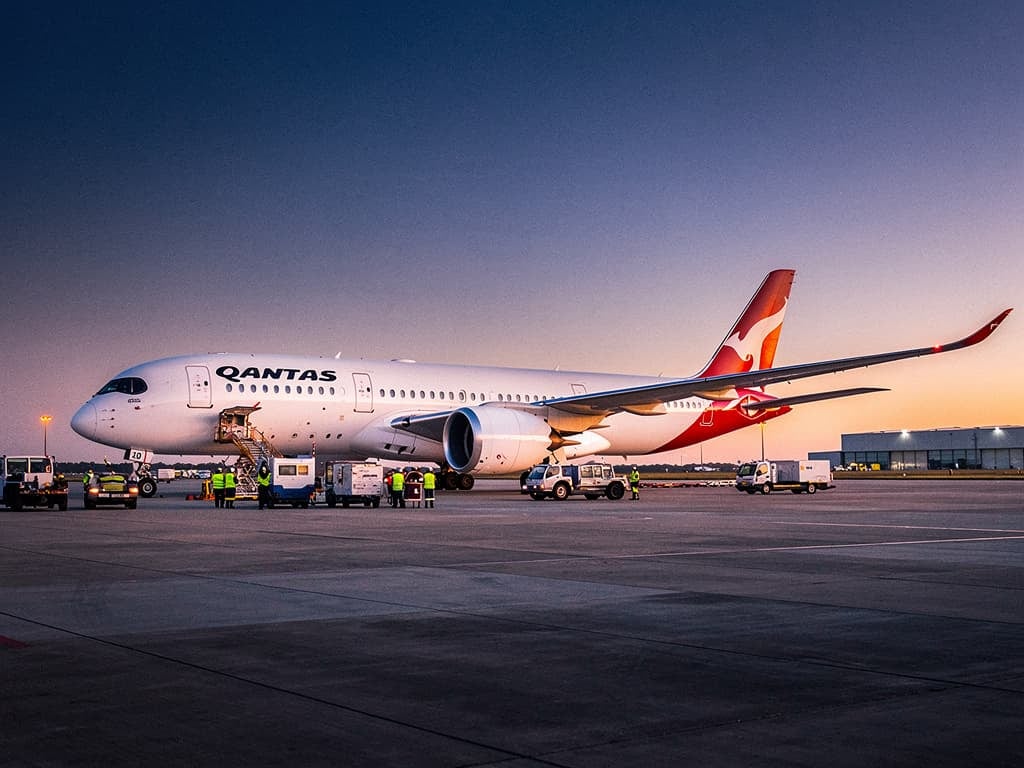
Project Sunrise just slipped again. Qantas confirmed on May 25, 2026, that its first specially modified Airbus A350-1000ULR will not reach Australian soil until April 2027 — a delay the manufacturer attributes to supply chain disruptions that have become a recurring theme across the widebody delivery landscape.
The news lands at an awkward moment. The aircraft had only recently rolled out of the Airbus assembly line in Toulouse, generating significant momentum around the program. Now, with the first delivery pushed into the second quarter of next year, the airline’s ambition to operate the world’s longest nonstop commercial flights faces another waiting period — and the premium travelers, corporate buyers, and award planners who have been building itinerary assumptions around a 2026 launch must recalibrate.
Qantas says the remaining four aircraft in the initial delivery tranche will follow in “quick succession” after April 2027. The airline confirmed the first aircraft is currently in the paint shop in Toulouse, that test flights will begin within weeks, and that pilot training is already underway at a new A350 simulator in Sydney. A route announcement and inaugural commercial service timing are expected next month.
The nonstop mission itself remains unchanged: Sydney–London Heathrow and Sydney–New York JFK, covering distances that no commercial aircraft currently flies without a stop.
The technical and commercial picture behind the slip
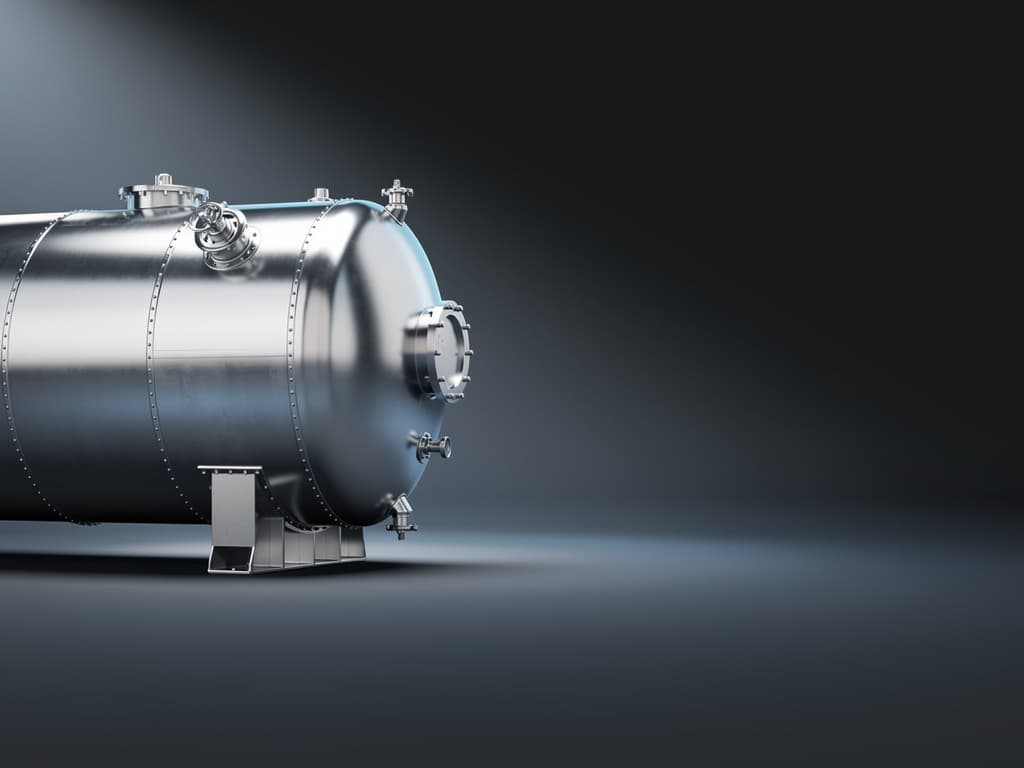
The A350-1000ULR is not a standard widebody. Airbus modified the base A350-1000 airframe with an additional 20,000-liter fuel tank installed at the rear of the aircraft — a structural and certification challenge that has already required one redesign following a request from Australia’s Civil Aviation Safety Authority (CASA). CASA formally approved the revised fuel tank configuration on June 4, 2024, at the IATA annual general meeting in Dubai, clearing a critical regulatory hurdle.
Supply chain pressure is the stated cause of the latest slip, and it is not isolated to this program. The broader widebody delivery environment has been strained by shortages in aerostructures, cabin components, and engine supply — pressures that have affected Airbus and Boeing programs alike across 2024 and 2025.
Qantas has ordered 12 A350-1000ULR aircraft in total for Project Sunrise. With the first delivery now set for April 2027, the pace of fleet buildup will determine how quickly the airline can scale frequency on both the London and New York routes beyond inaugural operations.
| Date | Event | Impact | Status |
|---|---|---|---|
| June 4, 2024 | CASA approves revised A350-1000ULR fuel tank design | Cleared critical regulatory hurdle after earlier redesign request | Completed |
| Early 2026 | First A350-1000ULR rolls out of Toulouse assembly line | Confirmed aircraft in production; raised expectations for 2026 delivery | Completed |
| May 2026 | Aircraft enters paint shop in Toulouse; test flights imminent | Program active but delivery timeline revised | In progress |
| June 2026 | Qantas to announce first route and inaugural service timing | Will set commercial launch expectations for Sydney–London and Sydney–New York | Pending |
| April 2027 | First A350-1000ULR delivery to Qantas | Delayed from late 2026; four additional aircraft to follow in quick succession | Revised target |
| 2027 (TBC) | Commercial Project Sunrise service begins | Sydney–London and Sydney–New York nonstop flights enter operation | Pending delivery and certification |

Flight deals most people never see
Our AI monitors 150+ airlines for pricing anomalies that traditional search engines miss. Air Traveler Club members save $650 per trip per person on average: see how it works.
Each deal saves 40–80% vs. regular fares:

Where Project Sunrise sits in the ultra-long-haul premium field
The competitive context matters here. Singapore Airlines has operated its A350-900ULR on the Singapore–New York and Singapore–Los Angeles nonstop routes since 2018, establishing the reference standard for endurance-oriented premium travel. That aircraft carries a business-class-only configuration in its nonstop guise — a deliberate choice that prioritizes yield over volume on marathon sectors.
Qantas is taking a different approach. The Project Sunrise A350-1000ULR will carry 238 seats across three cabins, including six first-class suites and 52 business-class seats — a denser configuration than Singapore’s nonstop product, but one that introduces a first-class tier the Singapore model does not offer on its ULR routes. The aircraft also incorporates a dedicated wellbeing zone with stretch areas and hydration stations, a direct response to the physiological demands of flights exceeding 22 hours.
It is worth noting that Singapore Airlines is simultaneously navigating its own A350 program complications — Air Traveler Club’s analysis of the Singapore Airlines A350 cabin retrofit delay shows that supply chain and certification pressures have pushed SIA’s next-generation cabin rollout to Q1 2027 as well, a parallel that underscores how industry-wide these constraints have become.
For Sydney-origin travelers, the competitive calculus is straightforward: no existing carrier offers a nonstop option to London or New York. The question is not whether Qantas beats the competition on the route — it is whether the product, when it finally arrives, justifies the wait over the current one-stop alternatives via Dubai, Singapore, or Dallas/Fort Worth.
How to position around the revised 2027 timeline
The April 2027 delivery date is a target, not a guarantee — and the history of this program warrants treating it as such. That said, Qantas’s June route announcement will be the most important near-term signal: if the airline loads inaugural schedules tied directly to the revised delivery cadence, it signals confidence in a controlled entry into service. If the announcement is vague on timing, expect further slippage.
- Do not book around 2026 assumptions. Any itinerary planning that assumed a Project Sunrise launch before year-end should be revised. The first commercial flights will not operate until at least mid-2027 at the earliest, and that assumes a clean delivery and certification process after April.
- Watch the June route announcement closely. Qantas has committed to naming the first route and inaugural timing next month. That announcement will reveal whether Sydney–London or Sydney–New York launches first, and whether the airline is targeting a soft launch or a full commercial rollout from day one.
- Set alerts for Qantas Frequent Flyer award inventory. With only six first-class suites and 52 business-class seats per aircraft, inaugural Project Sunrise award space will be extremely limited. When schedules load, availability will move fast — particularly in first class, which represents a new cabin tier for Qantas on this route type.
- Track the delivery cadence after April 2027. The four aircraft following the first delivery in “quick succession” will determine how quickly Qantas can build meaningful frequency. A slow follow-on cadence would keep the product scarce and fares elevated well into 2028.
Watch: if Airbus supply chain conditions deteriorate further through late 2026, the April 2027 target itself could shift. The next hard checkpoint is the start of test flights — expected within weeks — which will confirm whether the certification timeline is tracking to plan.
FAQ
When will Qantas Project Sunrise flights actually start?
Commercial Project Sunrise flights cannot begin before the first A350-1000ULR is delivered in April 2027, and the launch date will depend on how quickly Airbus completes test flights and certification after delivery. Qantas has said it will announce the first route and inaugural timing in June 2026, which will provide the clearest indication of when commercial service begins.
Which routes will Project Sunrise operate?
Qantas plans nonstop flights from Sydney Kingsford Smith International Airport (SYD) to both London Heathrow (LHR) and New York JFK, covering approximately 10,000 nautical miles over around 22 hours. Which route launches first has not yet been confirmed; Qantas says that announcement is coming in June 2026.
How many seats will be available on Project Sunrise flights?
Each A350-1000ULR will carry 238 seats in a three-cabin configuration: six first-class suites, 52 business-class seats, and the remainder in premium economy and economy. With only 12 aircraft on order and the first delivery in April 2027, availability — particularly in first class — will be tightly constrained at launch.
Why has Project Sunrise been delayed again?
Airbus has attributed the latest delay to supply chain issues affecting the A350-1000ULR production and delivery process. The program has faced multiple setbacks previously, including a fuel tank redesign required by Australia’s Civil Aviation Safety Authority before CASA approved the revised configuration in June 2024.
Read more