Summary
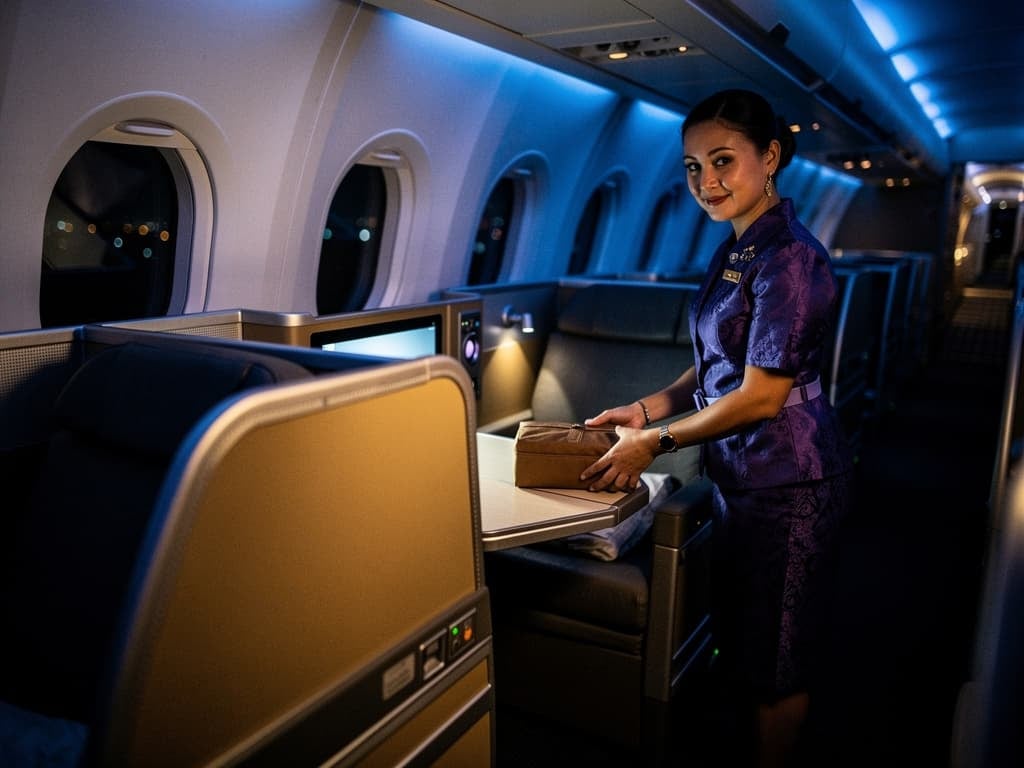
Singapore Airlines has pushed the first retrofitted Airbus A350-900 with its next-generation first and business class cabins to Q1 2027, a nine-month slip from the originally targeted Q2 2026. The S$1.1 billion (US$868.7 million) programme covering 41 A350-900 and A350-900ULR aircraft cites industry-wide supply chain constraints and delayed certification of one of the new seat products — with full programme completion now targeted by end-2030.
The A350-900ULR timeline, originally slated for Q1 2027, will be updated separately. Passengers holding 2026 bookings on SIA’s long-haul A350 routes will fly the current 2013-era cabin product for at least eight additional months beyond the original schedule.
The most anticipated premium cabin refresh in Asia-Pacific aviation just got significantly more complicated. Singapore Airlines confirmed on May 6, 2026, that supply chain disruptions and a seat certification delay have pushed its landmark A350 cabin retrofit programme back by roughly nine months — a setback that reshapes booking calculus for anyone targeting the airline’s next-generation first and business class products through 2027.
The delay is not cosmetic. The retrofit covers every cabin class across 41 widebody jets, including the ultra-long-range A350-900ULR variants that operate SIA’s flagship nonstop routes between Singapore and New York JFK, Los Angeles, and San Francisco. Those routes — among the longest commercial flights in the world — will continue operating with the current cabin configuration well into next year.
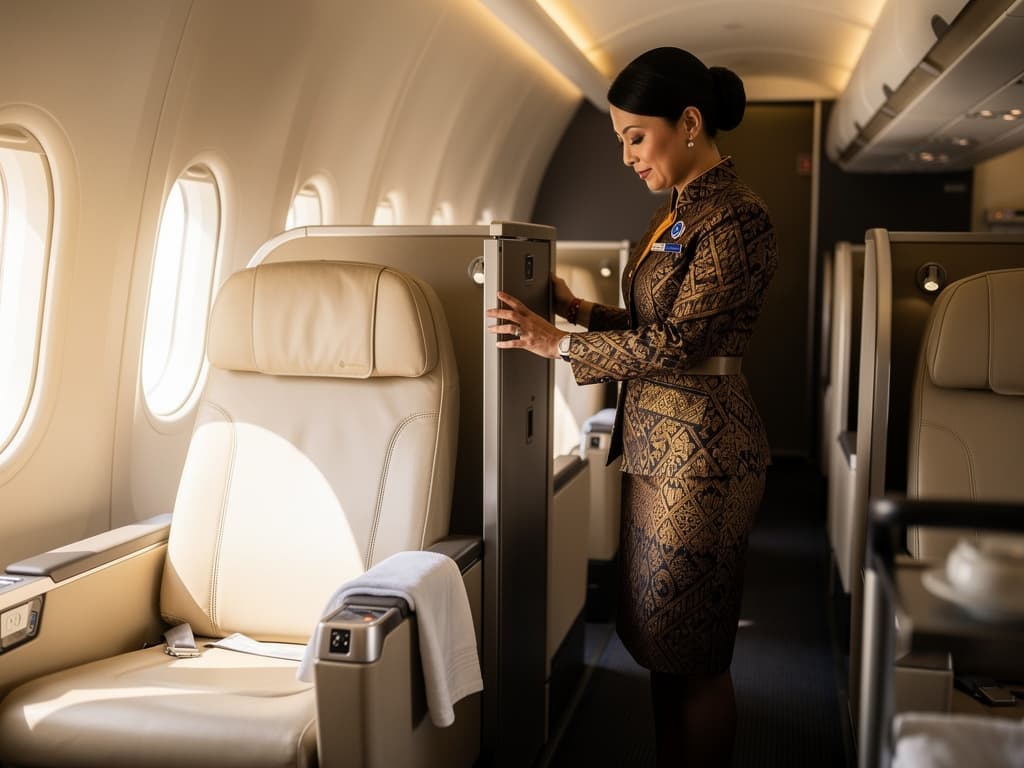
What makes this consequential for frequent flyers is the programme’s scope. At S$1.1 billion, this is one of the largest cabin investment programmes in commercial aviation history, encompassing all-new first, business, premium economy, and economy products alongside next-generation KrisWorld inflight entertainment and enhanced dining. A formal product unveiling is still planned for the second half of 2026 — but passengers won’t experience the new cabins until Q1 2027 at the earliest.
The details behind the delay
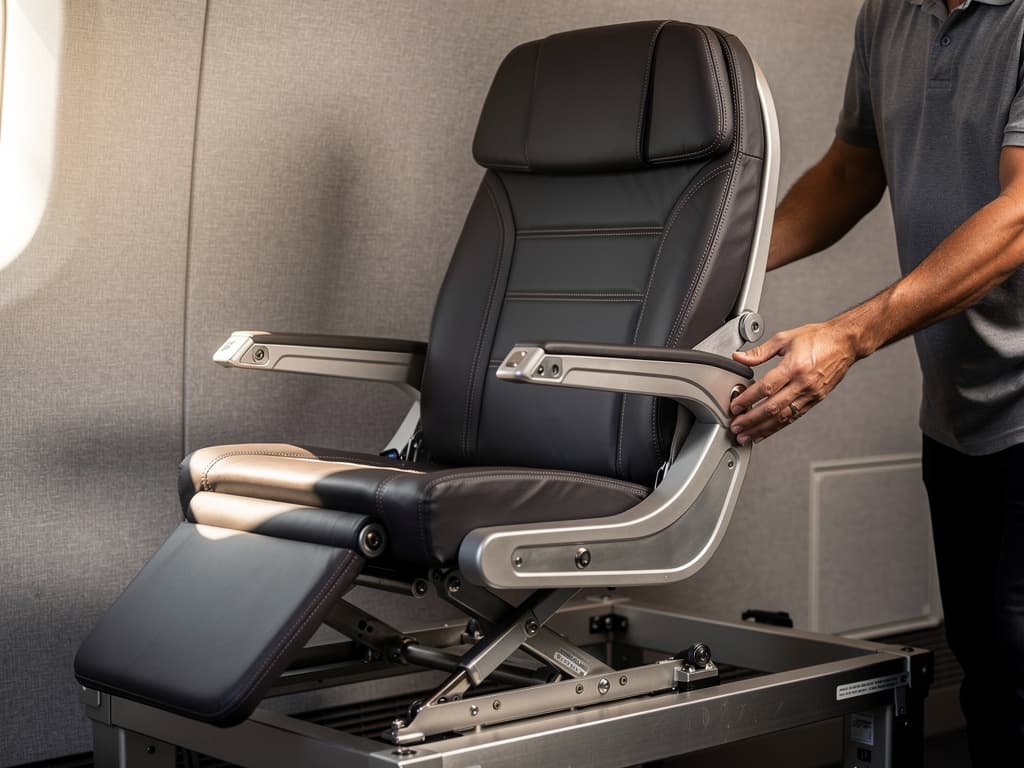
The airline confirmed two distinct causes: industry-wide supply chain constraints affecting cabin component manufacturing, and a specific certification delay for one of the new seat products. The latter is the more significant variable — seat certification timelines are largely outside an airline’s direct control, subject to regulatory approval processes that can extend unpredictably when novel design elements are involved.
Retrofit work is being conducted by SIA Engineering Company in Singapore, the airline’s maintenance subsidiary. The programme’s domestic execution reduces some logistical complexity, but it cannot accelerate regulatory certification. The airline’s confirmation notes that the A350-900ULR entry-into-service timeline — originally Q1 2027 — will be communicated separately, suggesting that variant may face additional schedule uncertainty.
| Milestone | Original target | Current status | Notes |
|---|---|---|---|
| First retrofitted A350-900 (long-haul) entry into service | Q2 2026 | Q1 2027 | Nine-month slip; supply chain + seat certification |
| A350-900ULR entry into service | Q1 2027 | To be confirmed | Separate update pending from airline |
| Cabin product unveil event | H2 2026 | H2 2026 (unchanged) | Seat specs to be confirmed at unveil |
| Full programme completion (41 aircraft) | End-2030 | End-2030 (unchanged) | Covers A350-900 and A350-900ULR fleet |
| Programme investment | S$1.1 billion | S$1.1 billion (unchanged) | Approx. US$868.7 million |

Flight deals most people never see
Our AI monitors 150+ airlines for pricing anomalies that traditional search engines miss. Air Traveler Club members save $650 per trip per person on average: see how it works.
Each deal saves 40–80% vs. regular fares:

What the delay means in competitive context
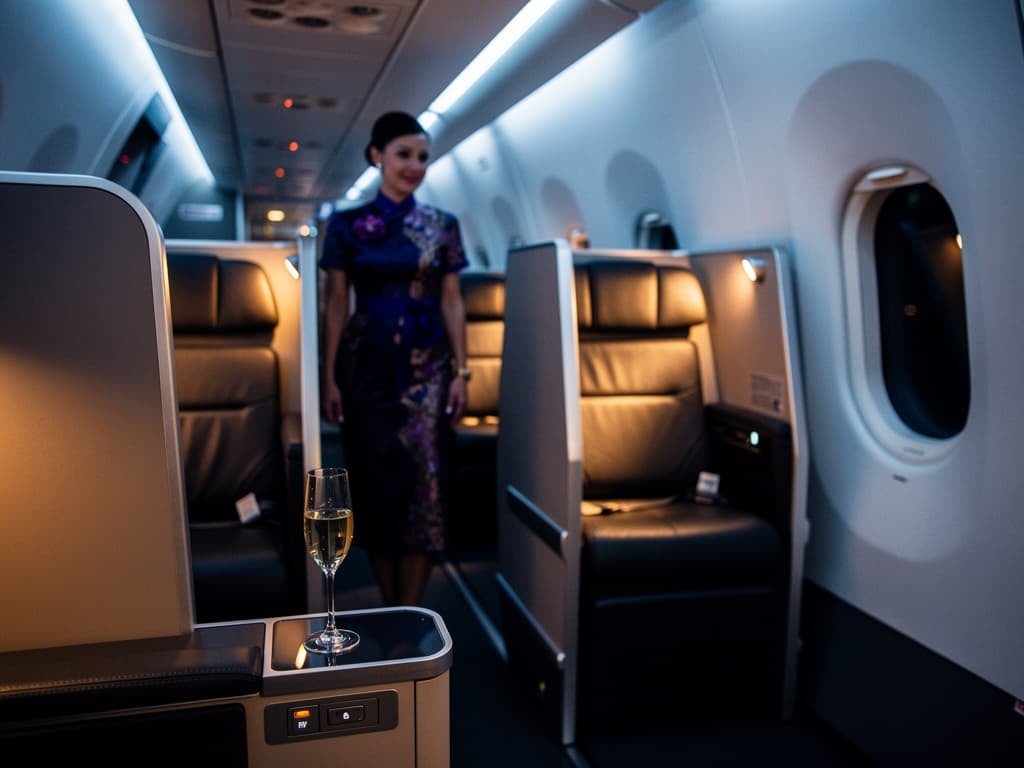
Nine months is a meaningful window in premium cabin competition. Qatar Airways QSuites — with its 80-inch bed, quad-seat configurations, and double-bed option — continues operating across the Middle East hub network without delay. Cathay Pacific’s Aria Suite on A350s offers direct aisle access and competitive bed dimensions on Asia-Europe routes. ANA’s “The Room” first class on 777s maintains taller partitions than SIA’s current A350 product.
The delay does not fundamentally alter SIA’s competitive position — the airline’s service reputation and KrisFlyer programme remain strong differentiators — but it extends the period during which rivals can credibly claim a hardware edge on specific routes.
Air Traveler Club’s analysis of the A350 retrofit timeline notes that KrisFlyer members targeting the new cabins should expect tight award availability for six to twelve months after launch, as demand concentrates on the first retrofitted aircraft.
SIA’s own retrofit history offers calibrated reassurance. The 777-300ER business class refresh announced in 2015 entered service on schedule in Q4 2017, with full fleet rollout completing by 2020 despite minor supply disruptions. The A380 Suites programme scaled more slowly but delivered a product that redefined the first class benchmark. Both precedents suggest SIA executes reliably once certification clears — the current delay is a function of external constraints, not programme management failure.
How to navigate bookings while the retrofit timeline shifts
The Q1 2027 slip creates a clear decision framework for anyone planning SIA long-haul travel in the next 18 months — whether to book now on the current product, wait for the new cabins, or redirect to competing carriers.
- Book current A350 business class through end-2026 without hesitation. The existing product — 78-inch flat bed, 28-inch width, 1-2-1 layout — remains competitive. Holding out for the new cabin means waiting until at least Q1 2027, and award availability on the first retrofitted aircraft will be extremely tight at launch.
- Target SIN-LHR and SIN-FRA routes for the first retrofitted aircraft. SIA typically introduces new cabin products on high-visibility European routes before ULR deployments. Watch the H2 2026 unveil event for route assignment signals.
- Monitor KrisFlyer Spontaneous Escapes for ULR award space. The SIN-JFK and SIN-LAX nonstops run on A350-900ULR with tight inventory; the retrofit delay means current cabin awards on these routes remain the only option through at least Q1 2027, with the ULR timeline still unconfirmed.
- Consider Star Alliance partner awards via United MileagePlus or Air Canada Aeroplan for SIA business class, where saver-level pricing can undercut KrisFlyer’s own rates on peak dates.
- Watch the H2 2026 cabin unveil closely. If SIA reveals seat certification progress alongside product images, Q1 2027 entry is on track. Any further delay signals at the unveil would push the realistic timeline into mid-2027 and warrant reassessing competitor options on Asia-US routes.
FAQ
Which Singapore Airlines routes will get the new A350 cabins first?
SIA has not officially confirmed the launch route for the first retrofitted A350-900. Based on the airline’s historical pattern with new cabin introductions — including the 777-300ER refresh and A380 Suites — high-frequency European routes such as Singapore-London Heathrow and Singapore-Frankfurt are the most likely candidates for the initial deployment in Q1 2027. The A350-900ULR routes to New York JFK, Los Angeles, and San Francisco will follow on a separate timeline that the airline has not yet confirmed.
Will the delay affect KrisFlyer award redemptions on A350 routes?
The delay does not change award pricing or availability on current A350 routes — those cabins remain bookable through the KrisFlyer portal and partner programs like United MileagePlus and Air Canada Aeroplan. However, once the first retrofitted aircraft enters service in Q1 2027, expect award inventory on those specific aircraft to be extremely limited for the first six to twelve months as demand concentrates on the new product. Booking the current cabin now avoids that competition entirely.
What is causing the seat certification delay specifically?
The airline has not publicly identified which seat product is pending certification or the specific regulatory issue involved. Seat certification delays typically arise from novel structural or safety design elements requiring additional testing under aviation authority standards — in this case, likely involving the new first class enclosed suite mechanism or the business class privacy door system. Certification is conducted by the relevant aviation authority, not the airline, and timelines are not directly within SIA’s control.
Read more