Summary
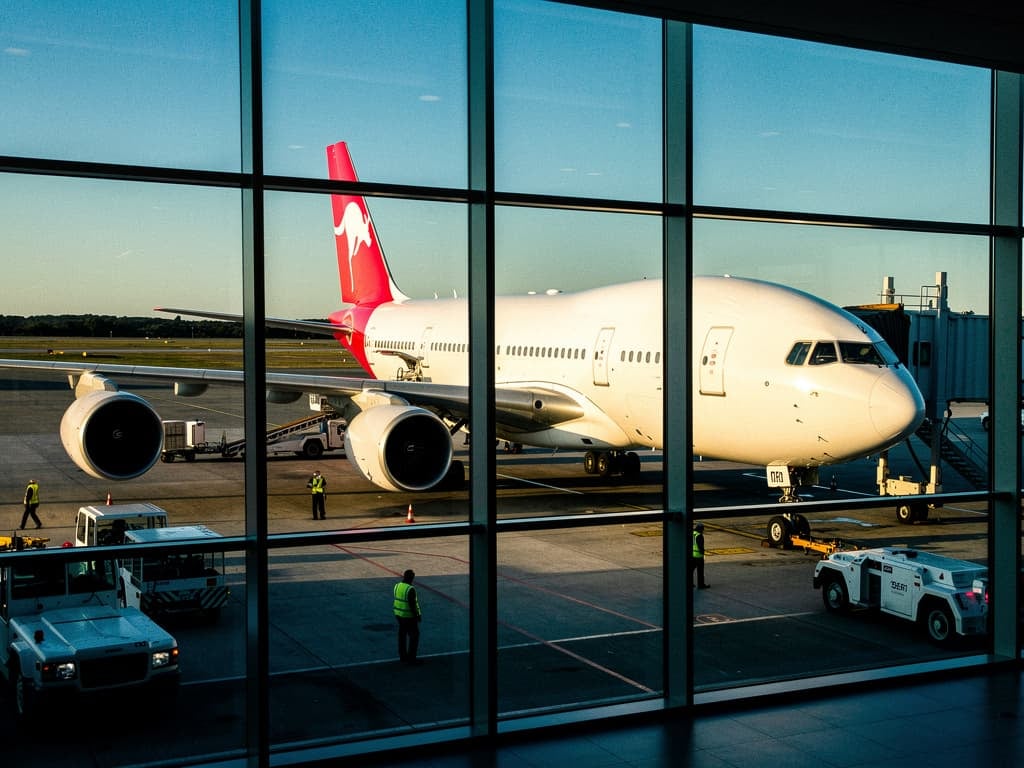
The world’s longest-range commercial aircraft took its first flight on 2 June 2026, when Airbus lifted the Qantas A350-1000ULR — serial number MSN 707 — from Toulouse to begin a two-month certification campaign. The aircraft, purpose-built for Project Sunrise‘s nonstop Sydney–London and Sydney–New York missions of up to 22 hours, will undergo approximately 80 hours of flight testing before commercial delivery, now scheduled for April 2027.
Qantas has not yet opened bookings or named a launch route, with a formal announcement expected in late June 2026. The 12-aircraft order means this is a fleet program, not a single-aircraft experiment.
For eight years, Project Sunrise existed as a compelling promise — nonstop flights from Australia’s east coast to London and New York, eliminating the connection through Dubai, Singapore, or Doha that defines the current premium experience. On 2 June 2026, that promise crossed into engineering reality.
The first Airbus A350-1000ULR built for Qantas completed its maiden flight over France, logging 3 hours and 43 minutes in the air and reaching just above 41,000 feet with Airbus test crews aboard. The flight formally opened a two-month certification campaign covering the aircraft’s modified fuel architecture and new systems — the technical foundation that makes 22-hour nonstop sectors possible.
This milestone is categorically different from earlier Project Sunrise planning phases. Previous announcements involved route concepts, aircraft selections, and regulatory discussions. What began on June 2 is the certification of the actual airframe Qantas intends to operate commercially, with a specific delivery date — April 2027 — now attached to MSN 707.
The scope of the program is significant. Qantas has ordered 12 A350-1000ULRs in total, positioning Sunrise as a sustained fleet operation rather than a flagship experiment. For travelers currently routing through Gulf and Asian hubs to reach London or New York from Sydney or Melbourne, the competitive calculus on those journeys is beginning to shift.
What the test campaign actually certifies
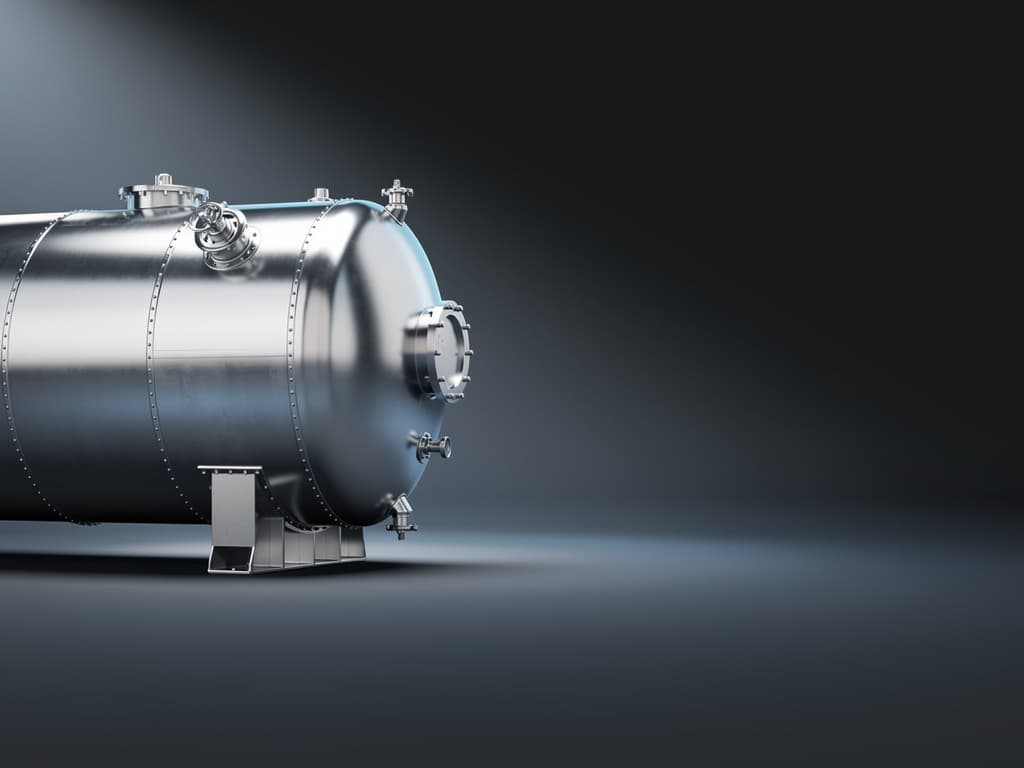
The A350-1000ULR’s extended range doesn’t come from a larger airframe — it comes from a structural modification that adds an additional rear centre fuel tank, extending range by approximately 1,000 nautical miles beyond the standard A350-1000’s already considerable reach. A new galley air cooling system is also being certified during this campaign, a detail that matters for 22-hour cabin operations where galley thermal management directly affects service consistency.
Airbus has confirmed the two-month test campaign will cover both flight hours and extensive ground checks for these new and redesigned components. The Airbus press release frames the June 2 flight as the start of a formal certification process, not a demonstration flight — a distinction that matters for understanding the timeline to commercial service.
| Milestone / Specification | Detail | Status |
|---|---|---|
| First flight (MSN 707) | 2 June 2026, Toulouse, France | Complete |
| Flight test campaign | ~80 hours over two months | In progress |
| Key modification: fuel | Additional rear centre tank (+1,000 nm range) | Under certification |
| Key modification: systems | New galley air cooling system | Under certification |
| Maximum sector length | Up to 22 hours (Sydney–London / Sydney–New York) | Design target |
| First commercial delivery | April 2027 | Scheduled |
| Total fleet order | 12 A350-1000ULRs | Confirmed |
| Route announcement | Late June 2026 (expected) | Pending |

Flight deals most people never see
Our AI monitors 150+ airlines for pricing anomalies that traditional search engines miss. Air Traveler Club members save $650 per trip per person on average: see how it works.
Each deal saves 40–80% vs. regular fares:

Why this changes the one-stop premium equation
The competitive pressure from Project Sunrise won’t be felt equally across all routes. Emirates, Qatar Airways, Singapore Airlines, and Cathay Pacific currently dominate the premium market between Australia’s east coast and both London and New York, routing passengers through Dubai, Doha, Singapore, and Hong Kong respectively. Their product advantage has always been seat quality and service — not elapsed time.
Sunrise removes the connection entirely. A 22-hour nonstop sector is a longer flight than any of those one-stop itineraries in total, but it eliminates the transit, the terminal change, and the disrupted sleep cycle that a hub connection introduces. For business travelers and those in premium cabins, that trade-off — longer air time, zero ground time — is the core value proposition.
Air Traveler Club’s analysis of the A350-1000ULR maiden flight and certification path notes that the tight inventory of just six first-class and 52 business-class seats per aircraft will make early booking positioning critical once sales open. That scarcity dynamic is worth tracking now, before the route announcement creates demand pressure.
The broader market signal is this: once Qantas names a launch city pair and opens ticket sales, the one-stop premium carriers will face a direct comparison they haven’t had to manage before. Schedule, onboard product, and loyalty program value will all be measured against a nonstop alternative for the first time on these corridors.
What the certification timeline means for booking decisions
The two-month test campaign running from June through approximately August 2026 is the critical near-term window. Two developments will signal whether Project Sunrise is tracking toward its April 2027 delivery or faces further slippage.
First, watch for Qantas‘s late-June route announcement. If the airline names a specific city pair — Sydney–London or Sydney–New York — alongside a ticket sale date, it confirms the program has moved from test-phase development to commercial planning. A vague announcement without a sale date would suggest the airline is managing expectations while certification continues.
Second, the commercial cabin certification of MSN 707 after the flight test campaign concludes will confirm whether the aircraft’s modified configuration — the rear centre tank, the galley cooling system, the 238-seat cabin layout — passes regulatory review as planned. That outcome, expected in August or September 2026, is the stronger signal for whether the April 2027 delivery holds.
Until bookings open, travelers planning Australia–London or Australia–New York premium itineraries for 2027 should maintain flexibility in their routing decisions. Current one-stop options via Gulf and Asian hubs remain the only bookable premium product on these corridors — but locking into non-refundable fares before the Sunrise launch window is confirmed carries timing risk in both directions.
Watch: if Qantas opens Sunrise sales before year-end 2026, expect capacity to fill quickly given the constrained six first-class and 52 business-class seat count per flight.
FAQ
When will Qantas Project Sunrise flights be available to book?
Qantas has not yet opened commercial bookings for Project Sunrise. The airline is expected to announce the first route and launch timing in late June 2026, with the first aircraft delivery scheduled for April 2027. Commercial service is anticipated in the first half of 2027, pending successful completion of the two-month certification campaign.
Which routes will Project Sunrise operate?
Project Sunrise is designed to operate nonstop flights between Sydney and London Heathrow, and between Sydney and New York JFK — sectors of up to 22 hours. Qantas has not yet confirmed which route will launch first or whether Melbourne will be added as a departure point.
What is the A350-1000ULR and how is it different from a standard A350?
The A350-1000ULR (Ultra Long Range) is a modified version of the standard A350-1000, fitted with an additional rear centre fuel tank that extends range by approximately 1,000 nautical miles. A new galley air cooling system is also being certified. These modifications enable sectors of up to 22 hours that the standard variant cannot sustain.
How many seats will the Project Sunrise A350 have?
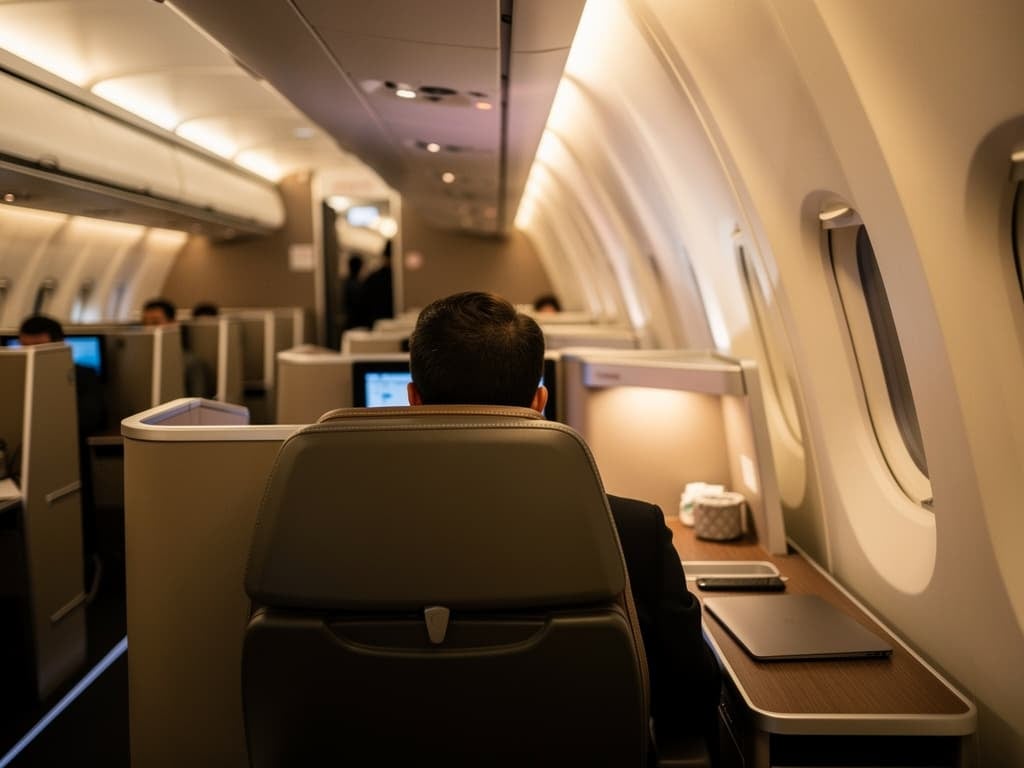
The Qantas Project Sunrise A350-1000ULR will carry 238 seats in total, including six first-class suites, 52 business-class seats, and the remainder in premium economy and economy. The aircraft also features a dedicated Wellbeing Zone with stretch areas and hydration stations designed for ultra-long-haul operations.
Read more