Summary
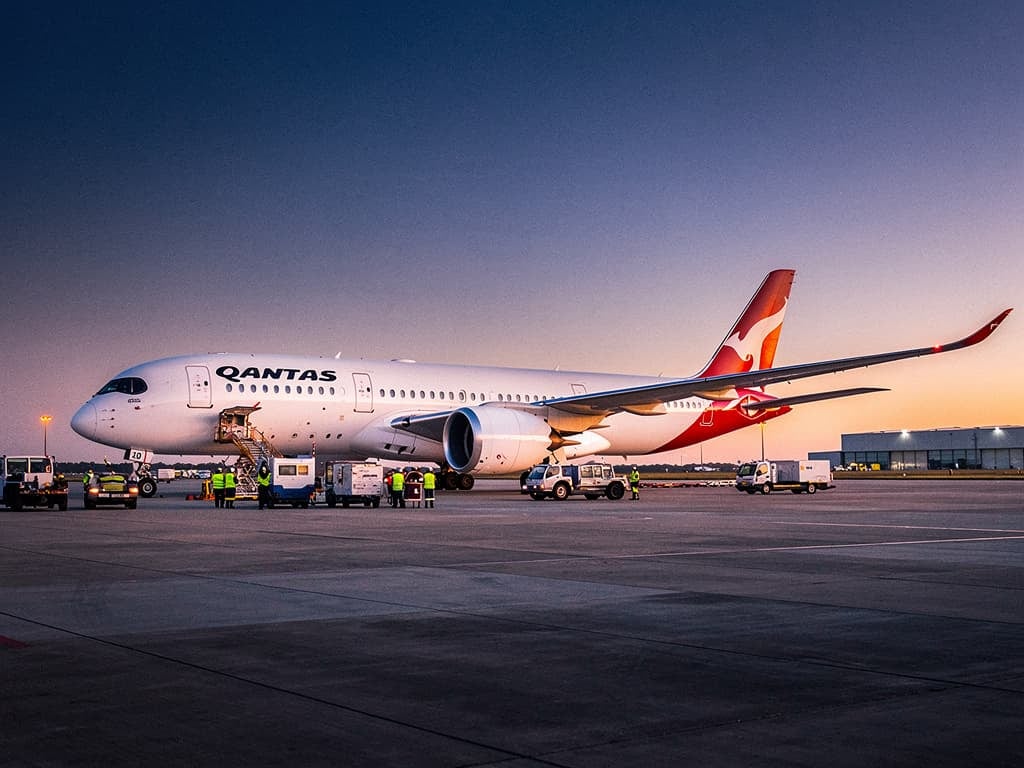
Airbus has launched the first long‑endurance test flight of Qantas’s purpose‑built A350‑1000ULR, departing Toulouse for Melbourne on a nonstop 17,000‑kilometre mission that underpins the carrier’s Project Sunrise ultra‑long‑haul ambitions.
Tickets are not yet on sale — Qantas plans to open the booking window in February 2027, just months before the first 238‑seat aircraft, named Vega, arrives in April. The commercial nonstop Sydney–London and Sydney–New York sectors will then commence in October 2027.
Just after 07:30 local time on 23 July 2026, the A350‑1000ULR registered F‑WULR lifted off from Toulouse‑Blagnac Airport and set course for Melbourne, a marathon journey of nearly 17,000 kilometres expected to take almost 22 hours.
The flight is the first real‑world validation of an aircraft that Airbus and Qantas have engineered specifically for nonstop links between Australia’s east coast and both Europe and North America. Analysts will gather system‑level data across the entire mission — from fuel‑burn rates and crew‑rest protocols to cabin‑environment behaviour — that will feed into the certification programme ahead of commercial service.
The 12‑aircraft order, placed in May 2022, underpins Qantas’s most aggressive network play in a generation.
The initial routes will connect Sydney with London‑Heathrow and New York, with Melbourne and Brisbane later added to the map alongside destinations including Paris and Chicago. Each sector will eliminate the one‑stop itineraries that currently dominate these corridors, compressing multi‑day journeys into a single hop.
The details
The A350‑1000ULR test flight is tracking on Flightradar24 as it crosses the globe, and the aircraft’s arrival in Melbourne is expected around 09:30 local time on 24 July. The manufacturer described the sortie as a single‑hop transition from summer to winter, while Qantas simply signalled, “See you in Melbourne tomorrow.”
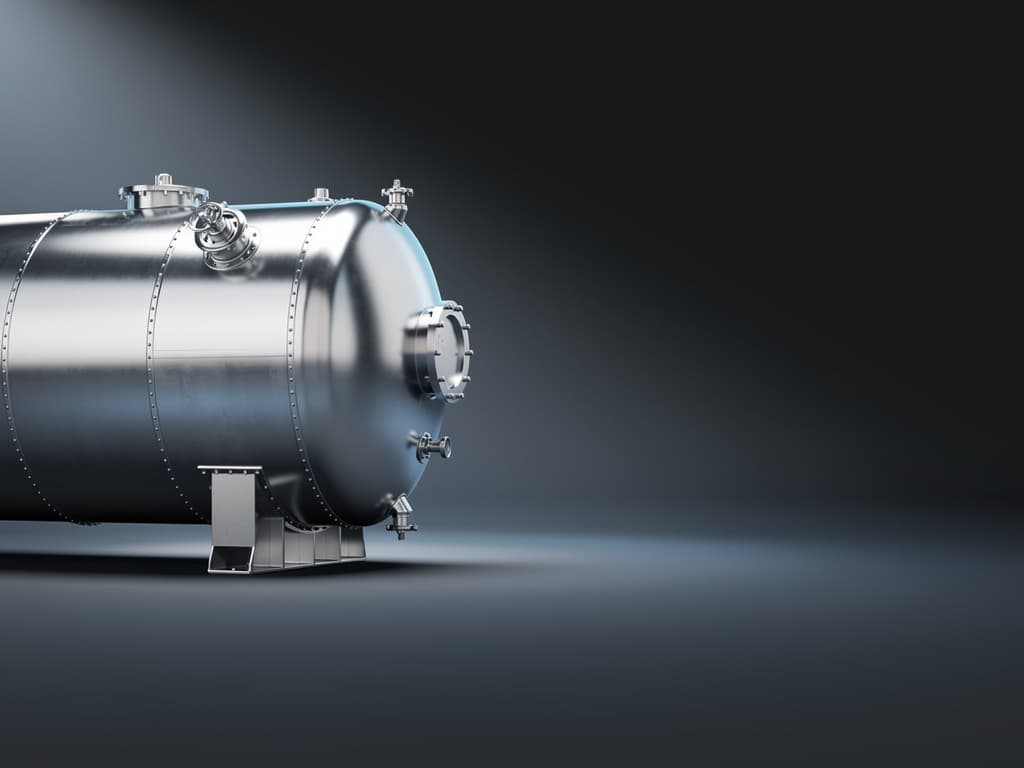
The aircraft carries a rear centre fuel tank that adds roughly 1,000 nautical miles of range, enabling nonstop missions of up to 10,000 nautical miles and flight times of as long as 22 hours. The test campaign is expected to run for about two months following this pioneering long‑endurance leg.
| Date | Event | Impact | Status |
|---|---|---|---|
| 23 July 2026 | First Toulouse–Melbourne long‑endurance test flight | Begins certification data collection; proves ultra‑long‑range capability | Underway |
| Late 2026 | Completion of two‑month test campaign | Clears path for type‑certification approval for commercial operations | Pending |
| February 2027 | Ticket sales open for Sydney–London and Sydney–New York | First booking window; inventory expected to be tight, especially in premium cabins | Upcoming |
| April 2027 | First aircraft delivery (Vega) | Confirms production and certification timelines are on track | Planned |
| October 2027 | Project Sunrise commercial launch | Inaugural nonstop Australia–Europe/New York sectors begin | Target |

Flight deals most people never see
Our AI monitors 150+ airlines for pricing anomalies that traditional search engines miss. Air Traveler Club members save $650 per trip per person on average: see how it works.
Each deal saves 40–80% vs. regular fares:

The value-add
Project Sunrise is not merely another aircraft delivery — it creates a new segment of nonstop premium flying that bypasses today’s mega‑hub logic. Where Singapore Airlines’ A350‑900ULR set the current ultra‑long‑haul benchmark, Qantas is betting on a lower‑density cabin tailored specifically to 20‑hour‑plus sectors.
Air Traveler Club’s detailed analysis of the A350’s wellbeing zone and premium cabin digs deeper into the physiological design work underpinning the 238‑seat layout. For premium travellers, that research translates to a fundamentally different arrival experience — one that aims to mitigate, rather than just endure, the consequences of marathon flights.
The competitive landscape is unlikely to be static. Any success by Qantas on Sydney–London could accelerate similar direct‑route aspirations from Gulf or Asian carriers, potentially reshaping long‑haul premium availability over the next five years.
How to position for the February 2027 booking window
The real leverage for premium travellers lies in being operationally ready the moment tickets go on sale, because supply will be sharply constrained at launch.
- Register for project‑specific alerts. Sign up on Qantas’s dedicated A350 Project Sunrise page now. The airline will likely notify its subscriber base first — before mass media coverage drives a second wave of demand.
- Build a flexible points balance. While no redemption chart has been published, Qantas Frequent Flyer and partner programs such as American Airlines AAdvantage are natural conduits. Accumulating transferable credit‑card points now preserves optionality.
- Monitor certification milestones. If the aircraft’s two‑month test campaign completes on schedule and Vega is delivered in April 2027, confidence that the October 2027 launch will hold firm increases — making early‑bird bookings less risky.
- Consider fare-class flexibility. Given the experimental nature of ultra‑long‑haul schedules initially, refundable or change‑friendly premium fares may prove smart insurance even if priced at a premium.
Watch for the first official sale date announcement, expected before February 2027. If Qantas confirms partner‑award access or publishes a redemption table, the calculus changes materially.
FAQ
When will Qantas start selling Project Sunrise tickets?
Qantas plans to open ticket sales in February 2027, roughly eight months before commercial flights begin in October 2027. No earlier access path has been confirmed.
How long is the nonstop Sydney–London flight?
The sector can stretch to almost 10,000 nautical miles with flight times of up to 22 hours, depending on wind and routing. The aircraft’s extended fuel capacity is purpose‑designed for these endurance missions.
What premium cabin features can passengers expect?
The 238‑seat layout includes six first‑class suites and 52 business‑class seats, complemented by a dedicated Wellbeing Zone with stretch areas and hydration stations. Detailed seat dimensions and privacy features have not yet been released.
Read more