Summary
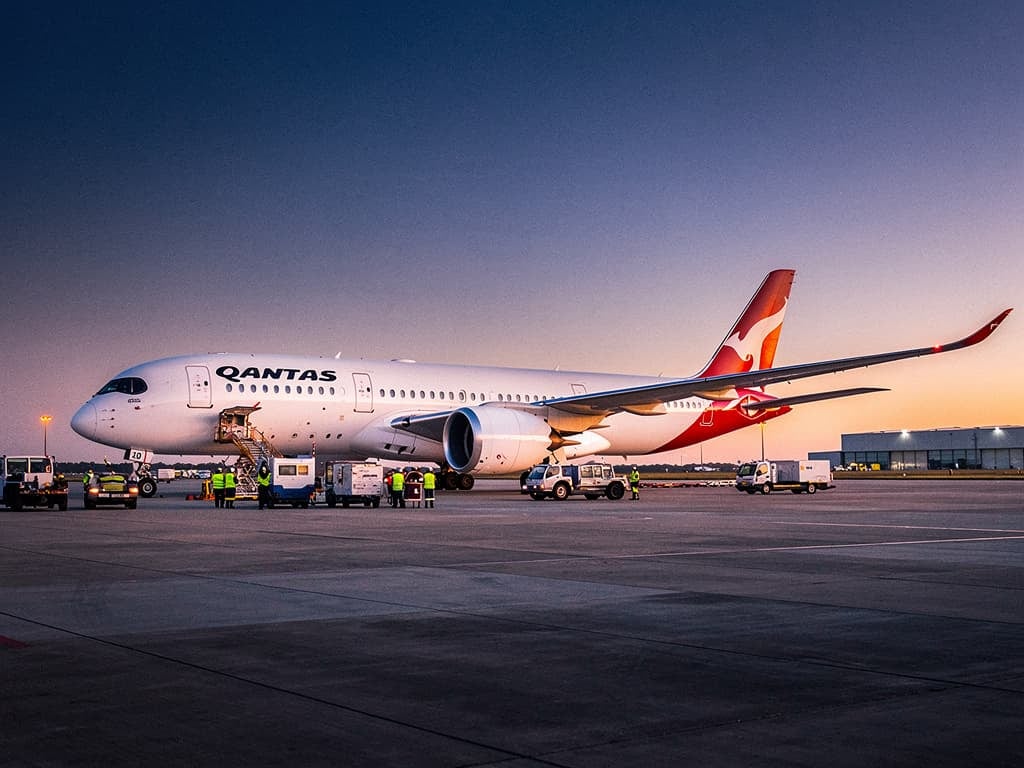
Airbus launched the first long-endurance test flight of Qantas’ custom A350-1000ULR on 23 July 2026, flying nonstop from Toulouse-Blagnac to Melbourne — a 17,000-kilometer route that will validate the aircraft for Project Sunrise. The 238-seat airliner, the lowest density of any A350, is engineered for 22-hour sectors to London and New York and features a rear center fuel tank adding 1,000 nautical miles of range.
Commercial service is not expected until October 2027, with bookings likely opening in February 2027, but this certification milestone brings the reality of nonstop Australia–Europe and Australia–U.S. premium flying sharply into focus, intensifying anticipation for what will be the world’s longest nonstop passenger routes.
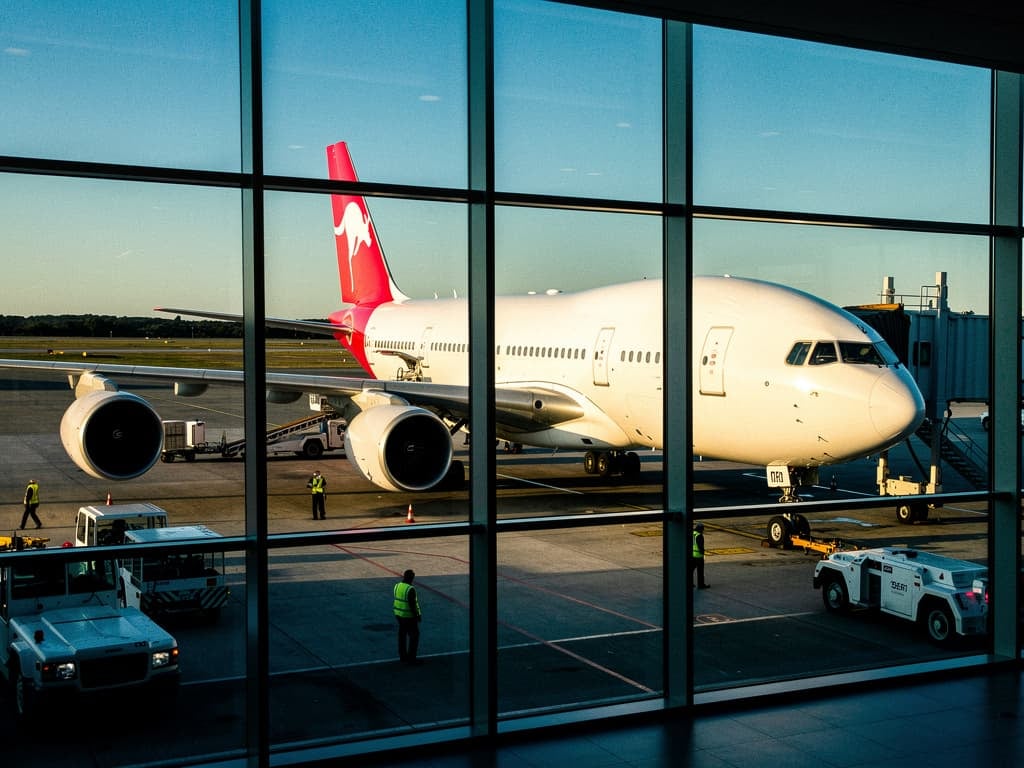
Shortly after 07:30 local time on 23 July 2026, an Airbus test crew lifted off from Toulouse-Blagnac Airport in the first A350-1000ULR prototype, registration F-WULR, bound for Melbourne. The flight climbed to 35,000 feet and, tracked by Flightradar24, was scheduled to touch down around 09:30 on 24 July — roughly 22 hours of nonstop flying.
The endurance test forms the crux of a two-month certification campaign that began when the variant first flew on 2 June 2026. It is the moment when the aircraft proves it can operate the world’s longest commercial sectors without a stopover.
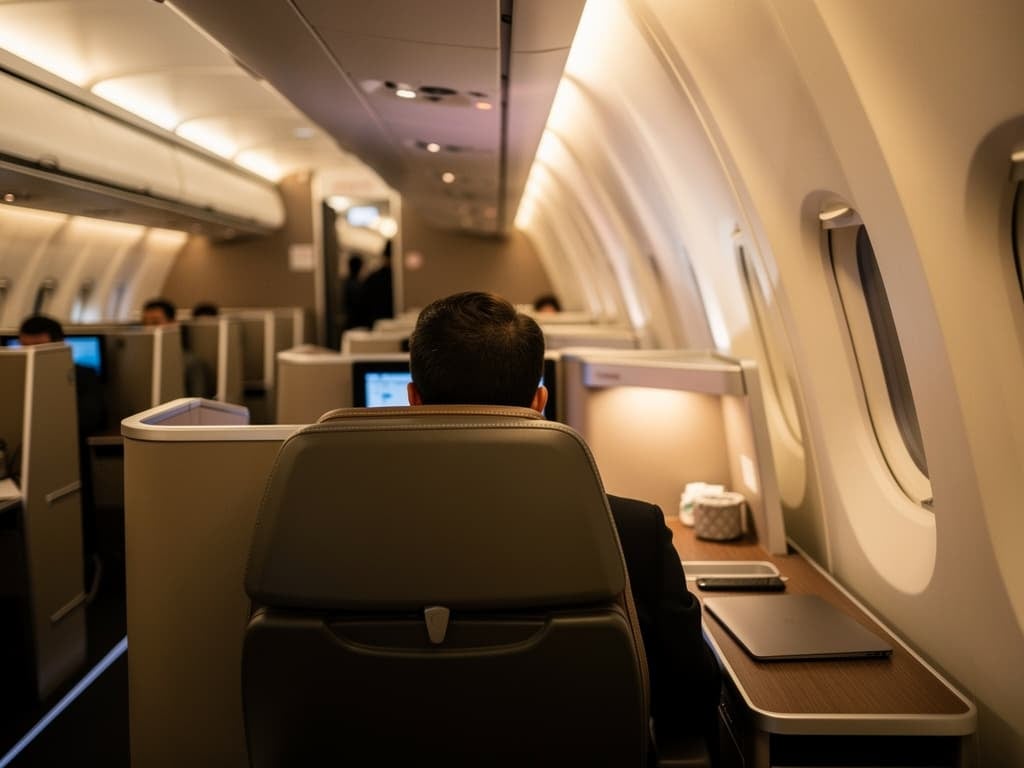
Qantas has spent a decade researching the cabin with the University of Sydney’s Charles Perkins Centre and Caon Design Office, aiming to reduce jet lag on 22-hour journeys. The airline will fit just 238 seats across first, business, premium economy and economy — the lowest density of any A350 globally — and has stressed that wellbeing zones, exercise spaces and tailored meal service are core to the experience.
The program, known as Project Sunrise, will initially connect Sydney to London and New York nonstop, before expanding from Melbourne and Brisbane to London, New York, Paris and Chicago. The first aircraft, named Vega, is due for delivery in April 2027, and the inaugural London–Sydney commercial flight is pencilled in for October 2027.
Flight test puts Project Sunrise on final approach
The 17,000-kilometre trek from Toulouse to Melbourne is collecting data on systems performance over extreme distance, including fuel efficiency, engine behaviour and cabin environment. Airbus confirmed the flight as part of the certification campaign for the A350-1000ULR, a bespoke variant whose rear centre tank adds roughly 1,000 nautical miles of range.
| Date | Event | Impact | Status |
|---|---|---|---|
| 2 June 2026 | First flight of A350-1000ULR | Start of two-month certification programme | Completed |
| 23–24 July 2026 | Toulouse–Melbourne long-endurance test | Validates 22-hour nonstop capability | Underway |
| August 2026 (expected) | Completion of certification campaign | Clears path for type certificate and delivery prep | Pending |
| February 2027 (expected) | Bookings open for Project Sunrise flights | First public sale of nonstop premium seats | Pending |
| April 2027 | First aircraft delivery (Vega) | Qantas receives initial A350-1000ULR | Scheduled |
| October 2027 (planned) | Inaugural London–Sydney commercial flight | Launch of revenue service, New York to follow | Planned |

Flight deals most people never see
Our AI monitors 150+ airlines for pricing anomalies that traditional search engines miss. Air Traveler Club members save $650 per trip per person on average: see how it works.
Each deal saves 40–80% vs. regular fares:

Why this test flight matters more than a press release
Qantas’ ultra-long-haul ambitions have been delayed several times since Project Sunrise was first conceived. This test flight signals that the technical obstacles are being cleared — the airframe, the range extension, and the endurance necessary for 22-hour nonstop operations are no longer theoretical. The milestone also frames a product that will compete on speed and, notably, on space: an ultra-low-density cabin paired with a wellness-focused design could siphon high-yield passengers from one-stop alternatives and fundamentally alter pricing on the Australia–Europe corridor.
Air Traveler Club’s detailed breakdown of the Project Sunrise cabin and 22-hour flight experience examines the wellbeing initiatives and the tight inventory that just 6 first-class suites and 52 business-class seats will create.
What the certification campaign means for the 2027 launch
This test flight confirms the A350-1000ULR is mechanically on track, but the real watchpoint is whether the two-month certification programme — which started on 2 June 2026 — concludes around August 2026 without hiccups. If it does, Airbus can pivot to delivery preparation, keeping Qantas on pace for its April 2027 first handover and the October 2027 inaugural. Any slip would cascade through the entire timeline. The bookings opening in February 2027 will be the first moment premium travellers can actually secure these nonstop flights; setting a reminder now is the only concrete action worth taking.
FAQ
When will Qantas open bookings for Project Sunrise flights?
Based on current indications, Qantas is expected to open bookings for the first Sydney–London Project Sunrise flights in February 2027, with the inaugural commercial service following in October 2027. No official sale date has been confirmed, so monitor Qantas announcements in early 2027.
How long is the certification campaign for the A350-1000ULR?
Airbus has stated the test campaign will run approximately two months from the first flight on 2 June 2026. Completion, expected around August 2026, would clear the variant for type certification and enable final delivery preparations.
Which routes will the A350-1000ULR serve?
Qantas will deploy the A350-1000ULR initially on nonstop Sydney–London and Sydney–New York flights, with subsequent expansion connecting Melbourne and Brisbane to London, New York, Paris and Chicago.
Read more