Summary
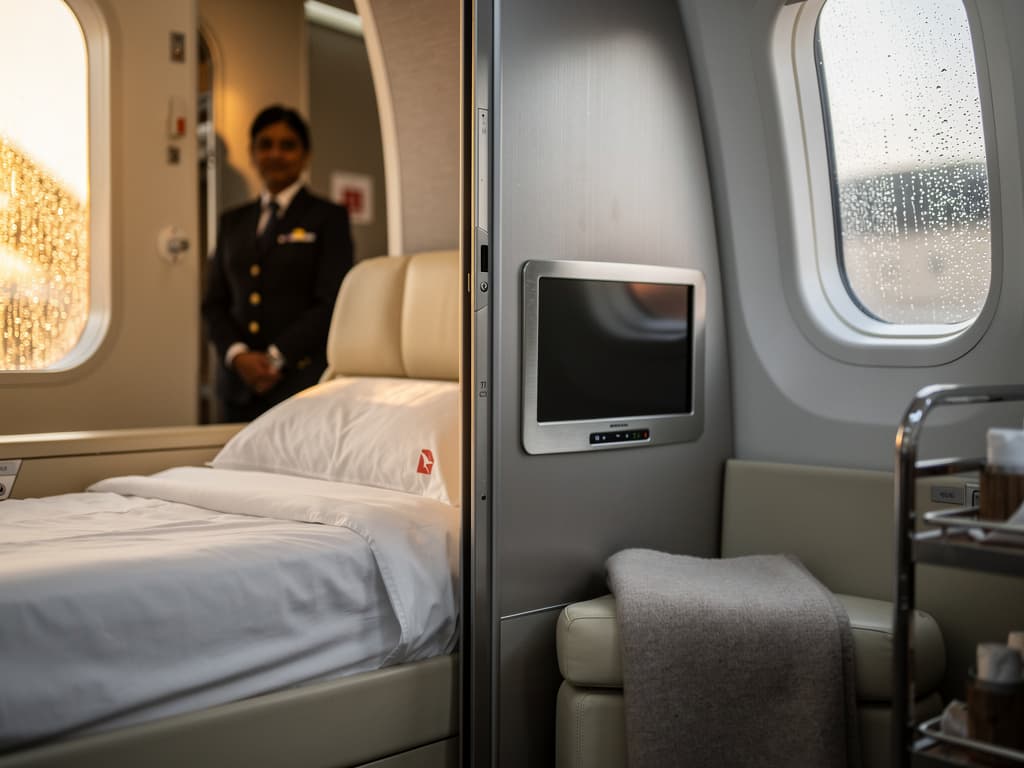
Qantas is preparing to retire its fleet of 10 Airbus A380s from around FY2032, replacing them with Airbus A350-1000s and additional Boeing 787s as part of a $15 billion AUD fleet renewal programme. The first new aircraft deliveries are expected from July 2027, with the A350 also serving as the backbone of Project Sunrise — the airline’s planned nonstop Sydney–London and Sydney–New York service. Premium capacity on those routes will be tight from the outset, with just six first-class suites and 52 business-class seats per aircraft.
New deliveries begin only in 2027 and the full fleet transition stretches into the early 2030s, meaning the changeover will be gradual rather than sudden. For premium travelers, the booking window for Project Sunrise’s first commercial flights remains open — but not for long.
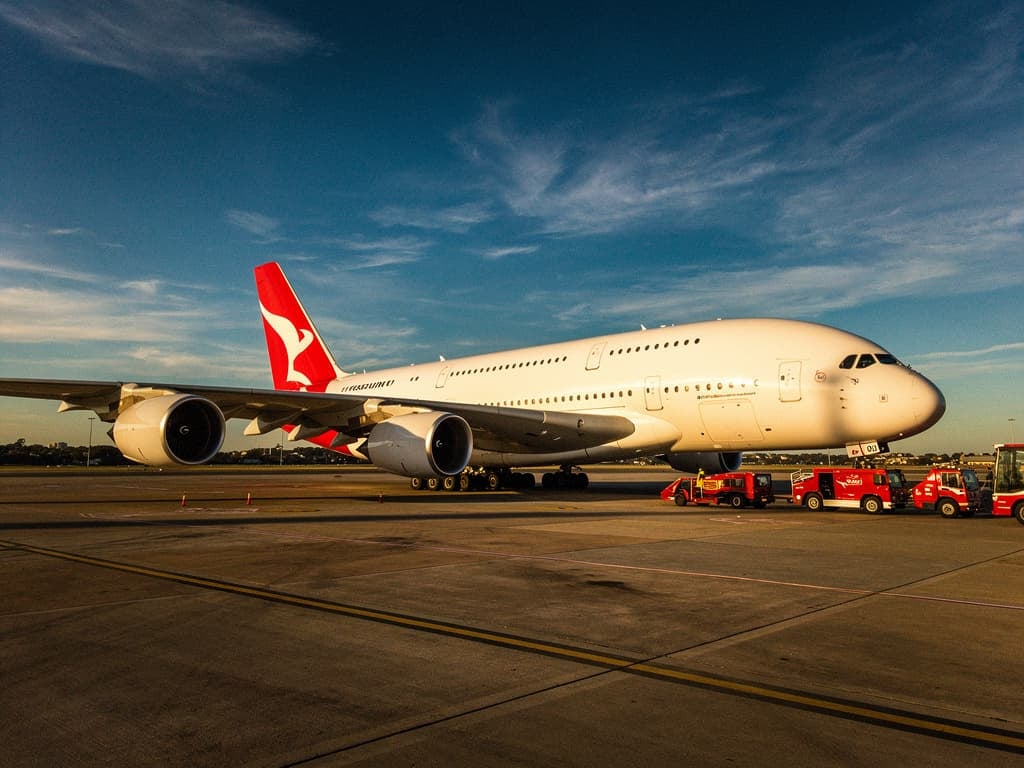
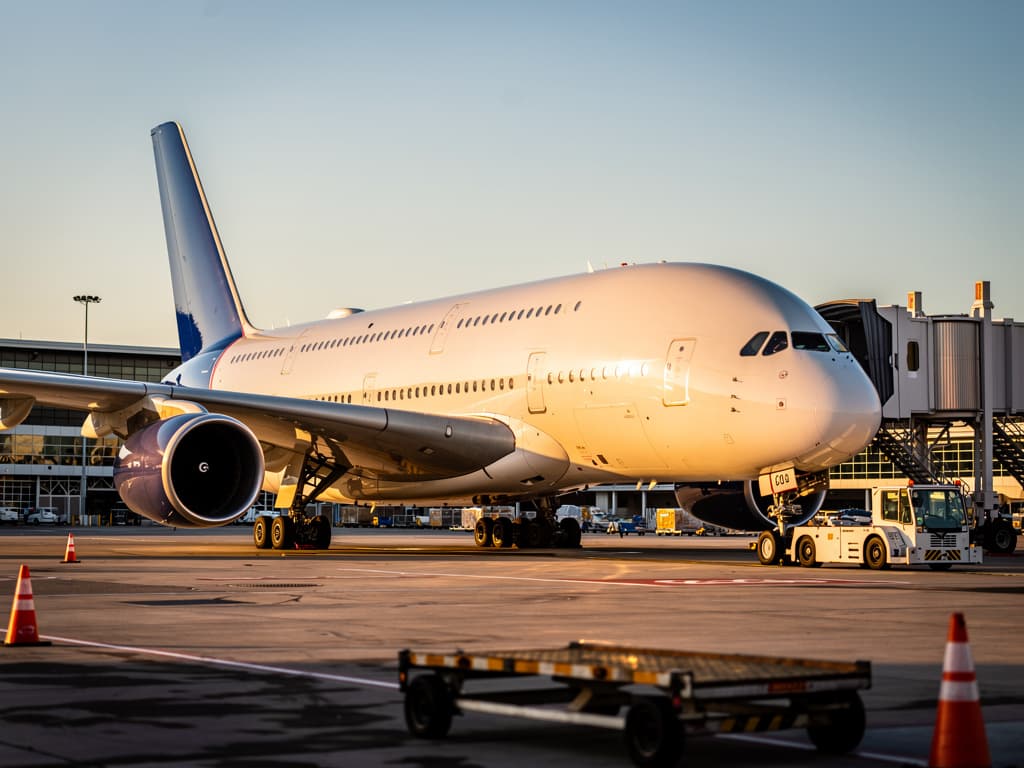
The superjumbo era at Qantas has an expiry date, and the airline is now navigating the most consequential fleet decision in a generation. The carrier has confirmed its 10 Airbus A380s will begin retiring from around FY2032, replaced by a combination of Airbus A350-1000s and Boeing 787-9s and 787-10s — aircraft that will define Australian long-haul flying for decades.
The stakes extend well beyond a routine fleet swap. Qantas CEO Vanessa Hudson has positioned the A350 as the aircraft that will finally make Project Sunrise commercially viable, enabling nonstop flights from Sydney and Melbourne to London and New York — routes that currently require a connection through Dubai, Dallas/Fort Worth, or Singapore. The first Project Sunrise A350 completed its maiden test flight from Toulouse on 2 June 2026, with commercial delivery now scheduled for April 2027.
What makes this moment strategically significant is the collision of ambition and constraint. Global aircraft order backlogs remain near record levels, and a decision placed today may not translate into an aircraft on the tarmac until well into the next decade. For the airline, that means acting now — and for premium travelers, it means the transition from A380 to A350 will unfold gradually, with mixed cabin experiences across the fleet for several years.
The details of Qantas’s fleet transition
Qantas has been transparent about the broad timeline. The A380 retirement begins around FY2032, with A350-1000s taking over as the primary long-haul widebody. The airline’s confirmed fleet renewal plan also includes additional Boeing 787s for routes that don’t require the A350’s ultra-long-haul range. New aircraft arrivals begin from July 2027 and continue for years — a gradual buildout, not a single transition event.
The $15 billion AUD programme is the largest fleet renewal in the carrier’s history, covering both domestic and international networks. That scale reflects how much ground needs to be covered: the airline is replacing not just the A380 but also ageing Airbus A330s, while simultaneously building the Project Sunrise capability from scratch.
Supply chain pressure is the complicating variable. Both Airbus and Boeing are still working through pandemic-era backlogs, and delivery queues for popular widebody types stretch years into the future. An order placed today for additional A350s or 787s would likely not result in delivery until the mid-2030s at the earliest — which is precisely why Qantas has been locking in positions well in advance.
| Aircraft | Role | Fleet size (planned) | Key timeline |
|---|---|---|---|
| Airbus A380 | High-capacity trunk routes (SYD–LAX, SYD–DFW, SYD–LHR via stop) | 10 (current) | Retirement begins ~FY2032 |
| Airbus A350-1000ULR | Project Sunrise ultra-long-haul nonstop (SYD/MEL–LHR, SYD/MEL–JFK) | 12 (ordered) | First delivery April 2027 |
| Boeing 787-9 | Medium long-haul international routes | Part of renewal programme | Deliveries from July 2027 |
| Boeing 787-10 | Higher-capacity long-haul routes | Part of renewal programme | Deliveries from July 2027 |

Flight deals most people never see
Our AI monitors 150+ airlines for pricing anomalies that traditional search engines miss. Air Traveler Club members save $650 per trip per person on average: see how it works.
Each deal saves 40–80% vs. regular fares:

Why this fleet decision reshapes premium long-haul economics
This is not simply an aircraft procurement story. Qantas is resetting its entire premium long-haul yield model — and the implications for business-class pricing and award availability are significant. The A350’s smaller premium cabin on Project Sunrise routes means the airline has structural reasons to price those seats firmly from launch. Nonstop Sydney–London eliminates roughly four hours of travel time versus the best one-stop options; that time premium alone supports a pricing premium.
A directly comparable moment came in 2013, when Qantas deferred long-haul aircraft deliveries under demand pressure — a decision that stretched the mixed-fleet transition period and kept older cabin products in service longer than planned. The pattern suggests the airline prefers to manage delivery timing carefully rather than force abrupt fleet changes. Premium travelers should expect a similar gradual rollout this time: A380 services continuing on trunk routes well into the early 2030s, while A350 capacity builds slowly from 2027.
Air Traveler Club’s analysis of the Project Sunrise A350 test flight program confirms the aircraft completed its first flight on 2 June 2026, with approximately 80 hours of certification flying ahead before commercial delivery in April 2027. The 12-aircraft order confirms this is a fleet programme, not a single-aircraft experiment — but the rollout pace means premium inventory will remain constrained for several years.
For competing itineraries, Singapore Airlines, Emirates, and Cathay Pacific all operate established premium-cabin networks between Australia and Europe or North America via their respective hubs. Those options will remain relevant — and competitively priced — until Project Sunrise reaches meaningful scale.
What the A350 delivery timeline means for booking strategy
This is a positioning phase, not a launch phase — and the next 12 months should be read accordingly. Qantas has every incentive to keep premium demand anchored on the A380 while preserving pricing power for the A350 debut. The strategic risk is that any further delivery delays compress the rollout window, making the first Project Sunrise flights commercially valuable but operationally fragile.
- Monitor the April 2027 delivery milestone: The first A350-1000ULR delivery to Qantas is the trigger event. Once the aircraft is in the carrier’s hands, a commercial launch announcement — and bookable inventory — typically follows within weeks.
- Watch for Classic Flight Reward release dates: Award space on Project Sunrise will be limited given the small premium cabin. Qantas Frequent Flyer members should set alerts for the first schedule publication and act quickly — early release windows close fast on high-demand routes.
- Keep A380 options in play: The superjumbo continues operating Sydney–Los Angeles, Sydney–Dallas/Fort Worth, and Sydney–London (via stop) through the early 2030s. It remains the only Qantas aircraft carrying First Class, making it the default premium option until A350 services are established.
- Compare one-stop alternatives now: Singapore Airlines, Emirates, and Cathay Pacific will maintain competitive pricing on Australia–Europe and Australia–North America routes until Project Sunrise reaches scale. Locking in a one-stop business-class fare at current rates remains a viable hedge against launch-period pricing on the A350.
Watch for Qantas publishing final A350 cabin specifications or a first-bookable Project Sunrise schedule — if it happens before the end of 2026, it signals the airline is moving from fleet planning to active revenue generation, and premium inventory competition will intensify immediately.
FAQ
When will Qantas retire its A380 fleet?
Qantas has confirmed its 10 Airbus A380s will begin retiring from approximately FY2032. The retirement is gradual, not a single event, with A350-1000s and additional Boeing 787s taking over long-haul routes as new aircraft are delivered from July 2027 onward.
What aircraft will replace the A380 on Qantas long-haul routes?
The primary replacement is the Airbus A350-1000ULR, which Qantas has ordered in a batch of 12 aircraft specifically for Project Sunrise ultra-long-haul missions. Additional Boeing 787-9s and 787-10s will cover other long-range international routes that don’t require the A350’s extreme range capability.
When will Qantas Project Sunrise flights be bookable?
The first Airbus A350-1000ULR is scheduled for delivery in April 2027, following a certification campaign that began with the aircraft’s first test flight on 2 June 2026. Qantas has not yet opened bookings or named a commercial launch date; a formal announcement is expected in the second half of 2026.
Does the A380 still fly First Class on Qantas?
Yes. The Airbus A380 is currently the only aircraft in the Qantas fleet carrying First Class, with 14 First Class suites on each aircraft. That product will remain exclusive to the A380 until A350 deliveries begin and the new cabin configuration is confirmed — making the superjumbo the default choice for First Class bookings on Qantas through at least the late 2020s.
Read more