Summary
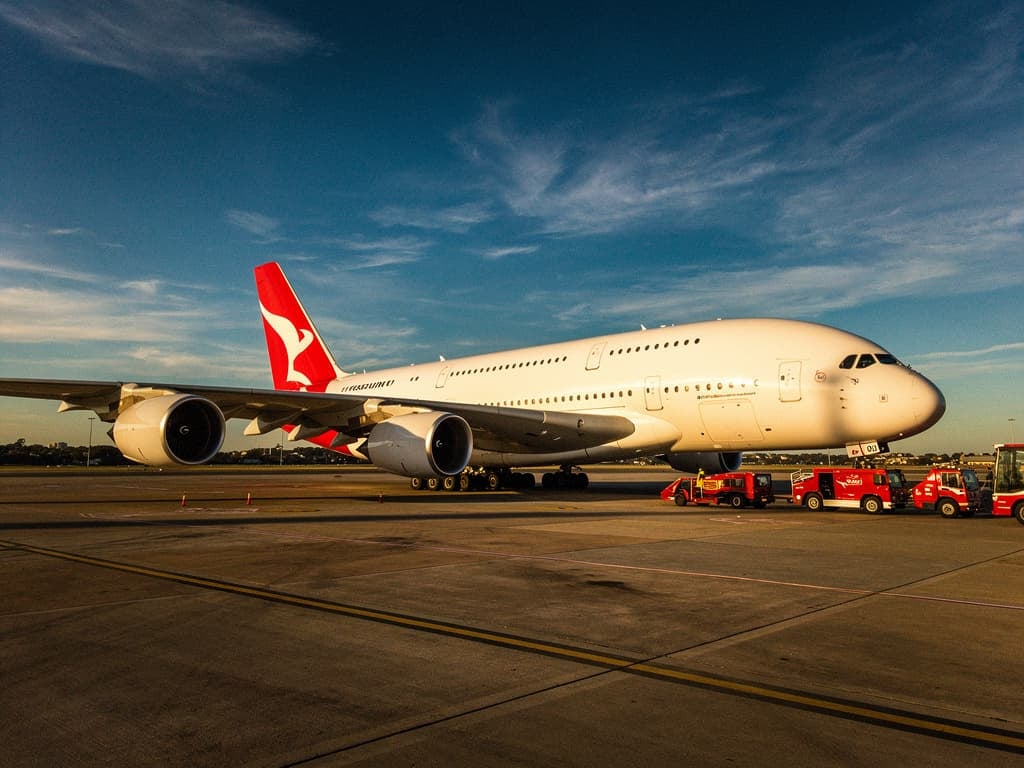
Emirates purchased 29 Airbus A380s during its FY2025-26 financial year — converting leased superjumbos to full ownership rather than returning them — as the carrier posted its highest-ever pre-tax profit of $6.2 billion on record revenue of $41 billion. The acquisitions, priced at roughly $45 million per airframe based on prior comparable deals, cement the airline’s commitment to operating the double-decker until at least 2040, with a target of up to 110 operational A380s by year-end 2026.
The strategy runs directly counter to the industry narrative of A380 retirement — and it has direct implications for premium cabin availability on the world’s busiest long-haul routes. With 91 of 215 aircraft already through Emirates’ retrofit program, the cabin product is actively improving.
The A380 was supposed to be dying. Instead, Emirates just bought 29 more of them in a single year — and did so from a position of record financial strength that few airlines anywhere can match.
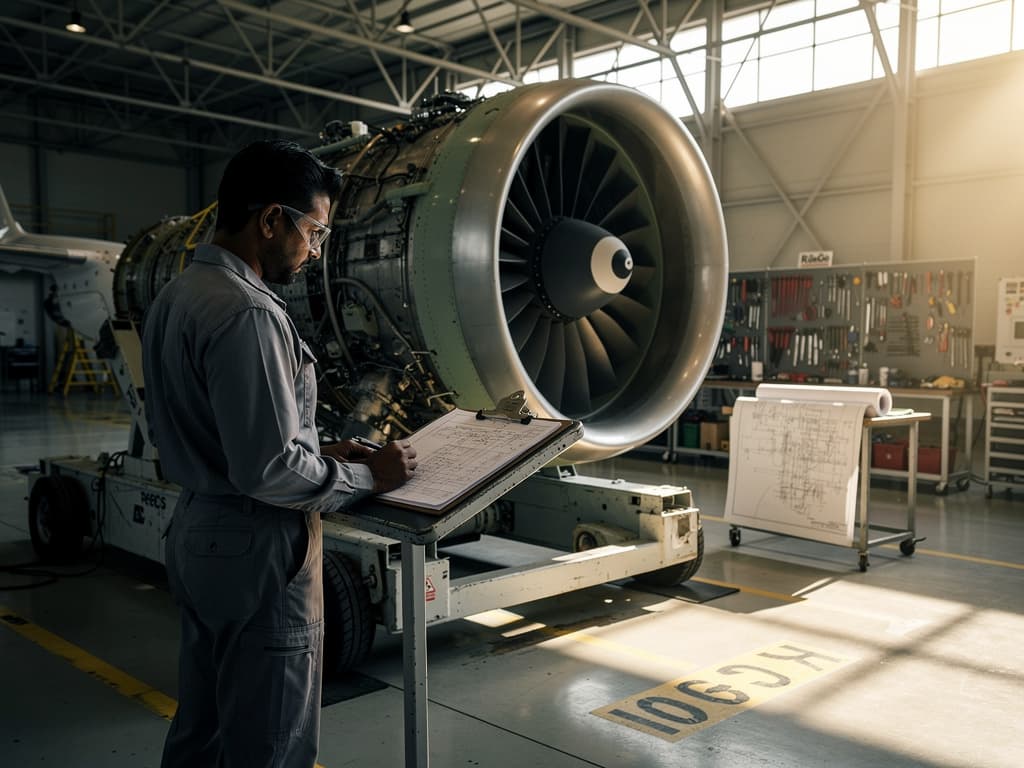
The Dubai-based carrier’s FY2025-26 annual report confirms the bulk purchase of leased Airbus A380 airframes, transitioning aircraft already operating in its network to full ownership rather than returning them to lessors at lease expiry. The move eliminates ongoing monthly lease payments while locking in long-term control over airframes that cannot be replaced — Airbus ended A380 production in 2021, and more than 30 examples have already been scrapped globally, representing over 12% of all A380s ever built.
This is not a sentimental decision. Emirates is the world’s largest A380 operator, with more than 90 examples currently in service and a fleet order book exceeding 360 aircraft including 270 Boeing 777Xs and 54 A350s. The A380 purchases sit alongside a $4.9 billion capital investment year that also covered new facilities, equipment, and technology — all funded by profits that survived a geopolitical crisis in the final months of the reporting period.
President Sir Tim Clark has confirmed the airline’s intention to keep the double-decker flying until 2041. That timeline now has a financial architecture behind it.
The details: 29 aircraft, one financial year
Emirates’ pattern of buying out end-of-lease A380s is well established, but the FY2025-26 volume — 29 aircraft in 12 months — represents a significant acceleration. Industry filings confirm the mechanics: in June 2025, Emirates purchased four A380 airframes from Doric Nimrod Air Three for approximately $180 million, or roughly $45 million each. In 2024, five A380s from Doric Nimrod Air Two changed hands at $40 million per aircraft. A forward sale agreement with Monaco-based Stratos covers one additional A380-800 — MSN 190, registration A6-EOO — at its 2027 lease conclusion, an aircraft that has operated for Emirates since September 2015.
The per-unit economics matter. At $40–45 million per airframe for a production-ended aircraft with a known maintenance profile, Emirates is acquiring high-capacity premium infrastructure at a fraction of new-build cost — a Boeing 777X list price exceeds $400 million. Ownership also eliminates return-condition obligations and gives the airline full discretion over retrofit scheduling, parts cannibalization from grounded examples, and end-of-life decisions.
Regulatory filings and Aviation Week’s reporting on the Stratos transaction confirm the forward-sale structure is becoming a preferred instrument — Emirates secures the aircraft before lease expiry, avoiding any gap in operational continuity.
| Transaction date | Seller / lessor | Aircraft quantity | Price per airframe | Status |
|---|---|---|---|---|
| 2024 | Doric Nimrod Air Two | 5 A380-800s | ~$40 million | Completed |
| June 2025 | Doric Nimrod Air Three | 4 A380-800s | ~$45 million | Completed |
| FY2025-26 (full year) | Multiple lessors | 29 A380-800s total | ~$45 million (est.) | Completed |
| 2027 (forward sale) | Stratos (MSN 190 / A6-EOO) | 1 A380-800 | Undisclosed | Contracted |

Flight deals most people never see
Our AI monitors 150+ airlines for pricing anomalies that traditional search engines miss. Air Traveler Club members save $650 per trip per person on average: see how it works.
Each deal saves 40–80% vs. regular fares:

What this means for premium cabin access
The A380 ownership strategy has a direct consequence for anyone booking Emirates First or business class on high-demand routes: the aircraft isn’t going anywhere, and the product aboard it is actively improving. Air Traveler Club’s analysis of the A380 versus 787 development race provides essential context on why the superjumbo’s economics work differently from any twin-aisle alternative — capacity density on trunk routes like Dubai–London or Dubai–Sydney makes the four-engine operating cost defensible in ways that don’t apply to thinner markets.
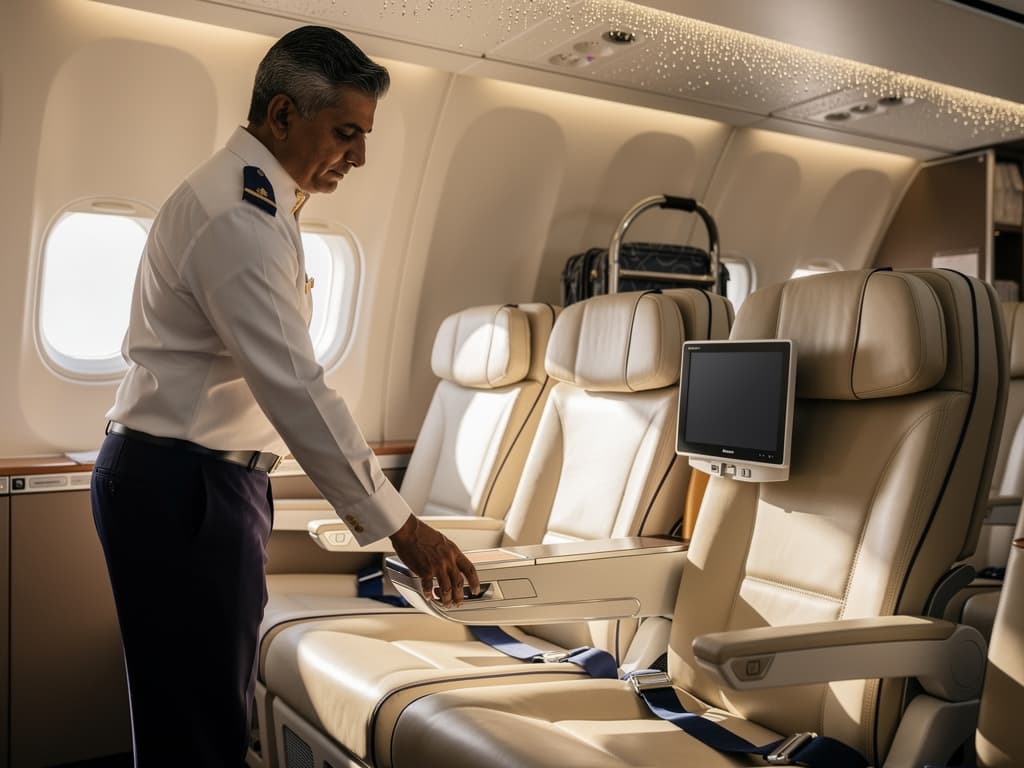
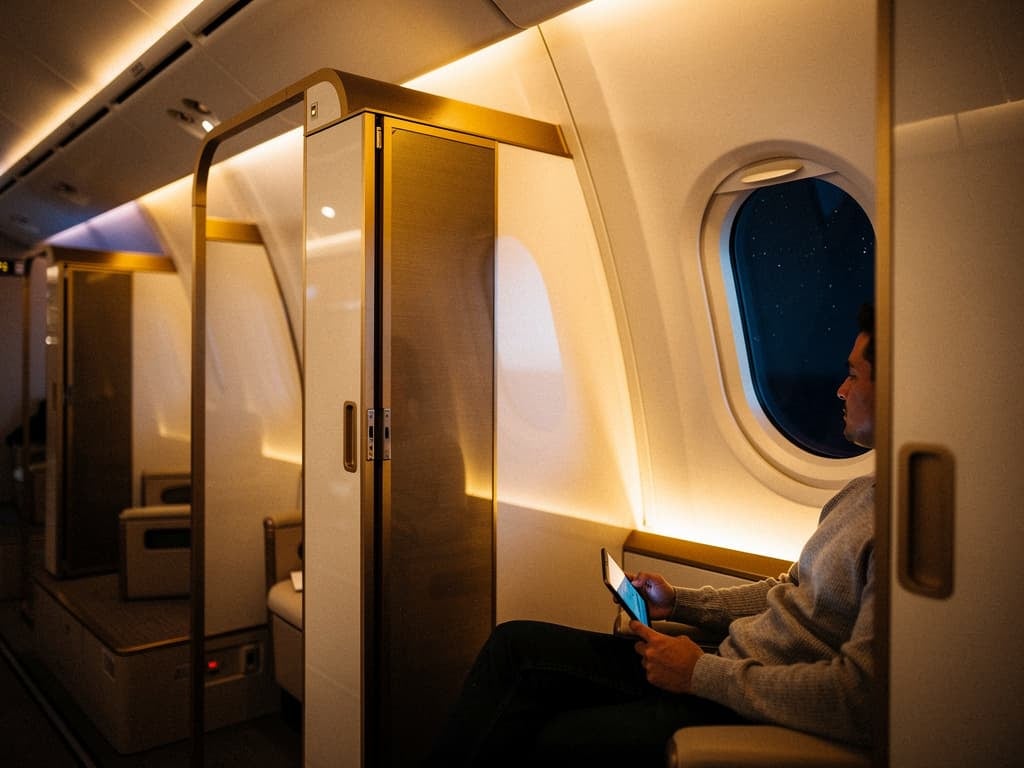
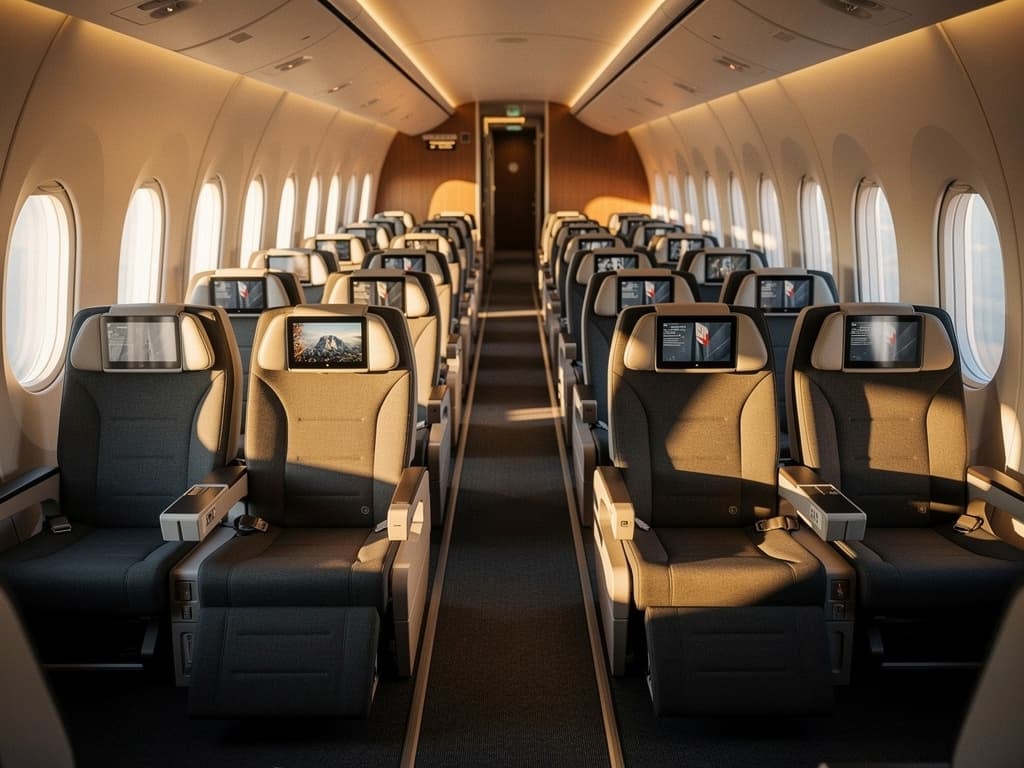
Emirates’ retrofit program — 91 aircraft completed out of 215 targeted — is the variable that matters most for premium travelers right now. Retrofitted A380s carry the updated First Suite product with closing doors, redesigned Business class seats, and the addition of premium economy. Non-retrofitted aircraft retain the older open-suite First configuration and the legacy Business layout. The gap in product quality between the two sub-fleets is significant.
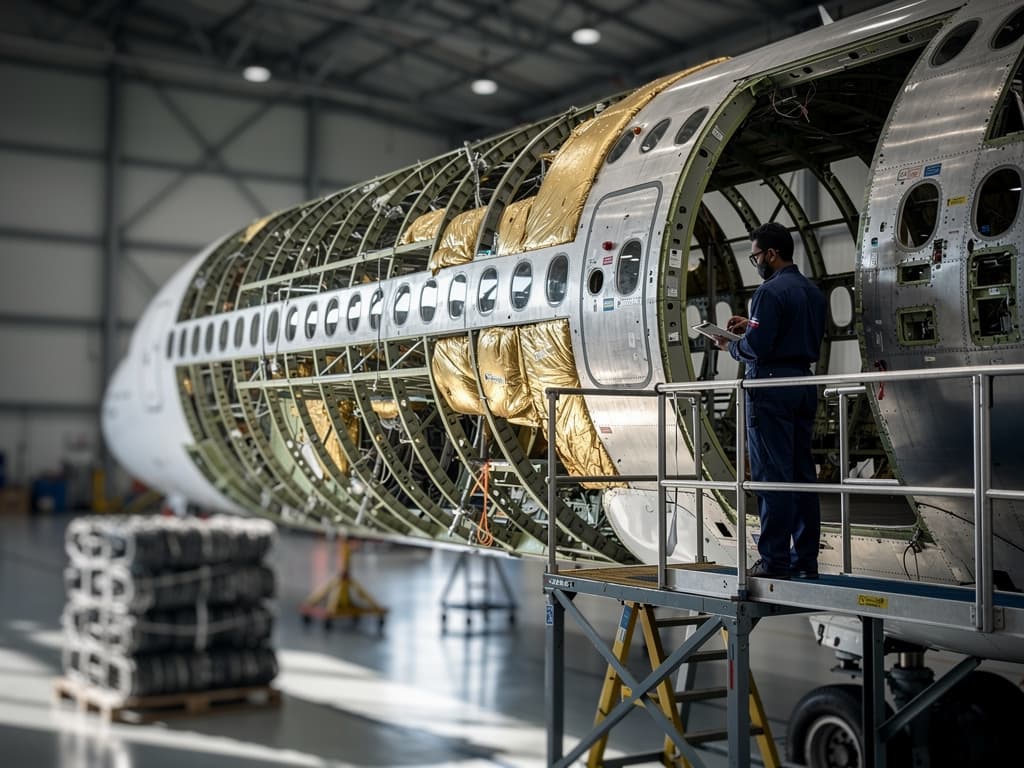
Parts scarcity is also shaping the ownership calculus in ways that benefit passengers. With production ended and over 30 A380s already scrapped for parts, Emirates’ grounded examples function as a dedicated spares pool — reducing maintenance downtime and keeping active aircraft in revenue service rather than in hangar queues.
How to identify and book the best Emirates A380 cabins
Not all Emirates A380s deliver the same experience — and the difference between a retrofitted and non-retrofitted aircraft is substantial enough to warrant checking before booking.
- Identify the sub-fleet at booking: Emirates operates three A380 configurations. Older aircraft carry 14 First / 76 Business / 427 Economy. Post-retrofit aircraft shift to 6 First / 44 Business / 371 Economy with premium economy added. At booking, check the seatmap on Emirates.com — 6 First Suite rows signals a retrofitted aircraft; 14 rows signals the legacy product.
- Use equipment codes to filter: ExpertFlyer lists Emirates A380s under equipment code 388. Filter by this code when searching award availability to confirm you’re booking the right aircraft type, not a 777-300ER substitution.
- Target flagship routes for A380 consistency: DXB-LHR (EK001/002), DXB-JFK (EK203), and DXB-SYD (EK414/415) operate A380s year-round with the highest probability of retrofitted aircraft. Avoid assuming A380 deployment on secondary routes without confirming the seatmap.
- Award space opens 355 days out: Emirates Skywards Platinum and Gold members access First class award waitlisting. Cash-paying travelers on these routes should note that award inventory in First is tightest in Q4 and around school holidays — book at the 355-day window for best availability.
- Watch retrofit completion pace: With 91 of 215 aircraft retrofitted as of FY2026 and the program targeting completion by approximately 2028, the proportion of upgraded aircraft in the active fleet will increase materially over the next 24 months.
FAQ
Why is Emirates buying A380s instead of just letting the leases expire?
Returning aircraft to lessors at lease end triggers costly return-condition requirements — repainting, maintenance sign-offs, and configuration restoration — while also surrendering operational control. Buying the airframes at $40–45 million each eliminates those costs, gives Emirates full discretion over retrofit scheduling and parts cannibalization from grounded examples, and secures capacity that cannot be replaced through new orders since A380 production ended in 2021.
How do I know if my Emirates A380 flight has the new retrofitted cabin?
Check the seatmap at booking on Emirates.com or via the Emirates app. Retrofitted A380s show 6 First Suite rows (44 Business seats, premium economy added); non-retrofitted aircraft show 14 First rows and 76 Business seats. ExpertFlyer users can search by equipment code 388 and cross-reference the seat count to confirm configuration before ticketing.
Does Emirates’ A380 commitment affect award availability for Skywards members?
Securing ownership of 29 additional A380s stabilizes the fleet rather than expanding it — these aircraft were already flying. The more meaningful variable for award availability is the retrofit program: as more aircraft add premium economy, some First and Business inventory may shift. Skywards Platinum and Gold members retain priority waitlisting access for First class awards, and the 355-day booking window remains the most reliable entry point for peak-season redemptions.
Read more