Summary
The Airbus A350 family has been powered exclusively by Rolls-Royce Trent XWB engines since the aircraft entered commercial service in 2015 — and that arrangement is locked in by far more than a contract. Airbus engineered the A350’s composite wings, nacelles, pylons, and cooling architecture specifically around the Trent XWB’s aerodynamic and structural characteristics, making a competing powerplant from GE Aerospace or Pratt & Whitney effectively impossible without a near-complete airframe redesign. Regulatory filings confirm the exclusivity on the A350-900 extends through at least 2030.
For travelers, the engine is fixed — but the cabin product is not. Identifying whether your flight operates an A350-900 or the larger A350-1000 before booking remains the more consequential variable.
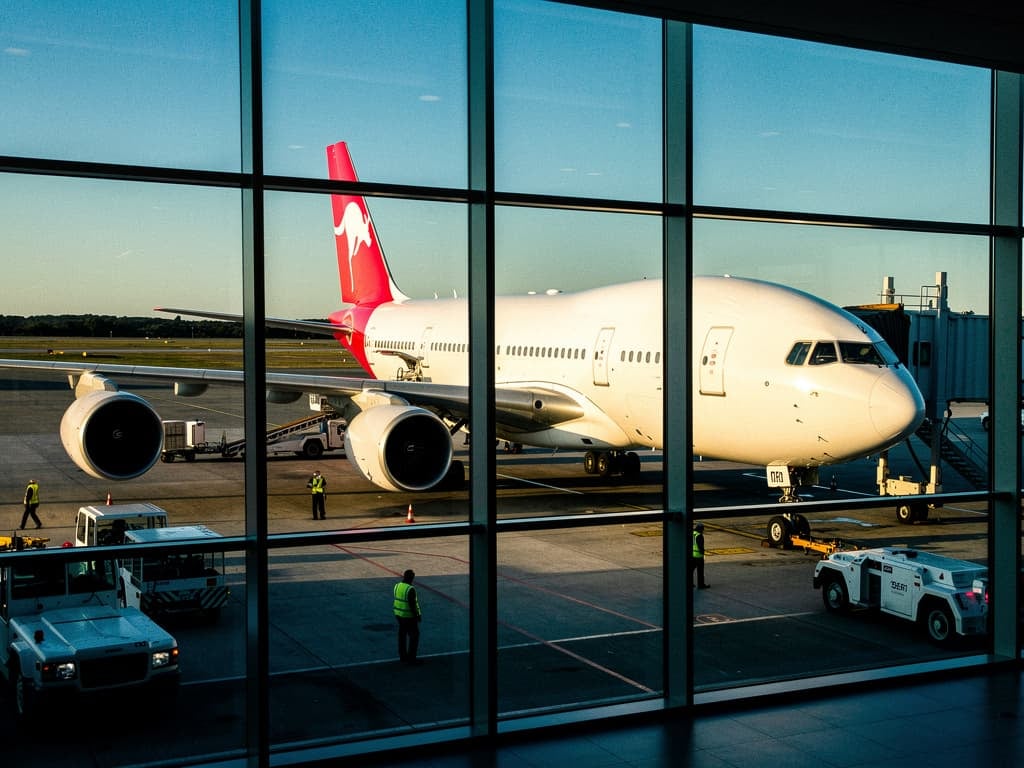
Most passengers boarding an Airbus A350 notice the curved wingtips, the wide cabin, and the mood lighting. Few notice that every single aircraft in the family shares one engine — and that this was never going to be any other way. When Airbus launched the A350 program, it made a structural commitment to Rolls-Royce that went far beyond a supplier agreement: the aircraft’s carbon fiber reinforced polymer wings, pylon geometry, nacelle airflow, and vibration architecture were all optimized around the Trent XWB from the first engineering drawings.
That decision has proven commercially decisive. Rolls-Royce now holds more than 2,600 Trent XWB engines in service or on order across more than 60 airline customers worldwide. No competing engine has entered certification for the type. GE Aerospace declined to pursue an A350 powerplant at program launch, and no active development effort has emerged since.
The exclusivity is not a limitation Airbus is working around. It is the architecture.
Understanding why matters for anyone who flies long-haul on the A350 — because the engine arrangement shapes maintenance stability, future cabin upgrade timelines, and the operational reliability record that makes the aircraft one of the most dependable widebodies in commercial service today. The Trent XWB has accumulated more than 11 million flight hours with an operational reliability rate of approximately 99.95%, a figure that reinforces Airbus’ position that introducing a second engine supplier would deliver little practical benefit to airlines.
How the A350 and Trent XWB became inseparable
Earlier widebody families were designed with engine competition in mind. The Airbus A330 could be ordered with Rolls-Royce Trent 700, General Electric CF6, or Pratt & Whitney PW4000 powerplants. Boeing followed similar strategies across several programs. The A350 broke from that model entirely. Rolls-Royce became the sole Original Engine Manufacturer for both the A350-900 and A350-1000 variants, and the aircraft’s entire structural logic was built around that single engine family.
The technical barriers to introducing an alternative are substantial. Different engines produce different fan diameters, nacelle shapes, bypass ratios, weight distributions, and mounting configurations. Installing a GE9X derivative or an advanced geared turbofan on the A350 would require re-engineering the pylons, recalibrating cooling and bleed air systems, and reevaluating wing loading and aeroelastic responses under entirely new operating conditions. Regulators would then require new structural testing, vibration analysis, and flight validation — effectively treating the modified aircraft as a distinct subvariant. The development cost would run into billions of dollars with uncertain commercial returns, given that airlines already operate a mature and highly reliable engine solution.
In 2020, Airbus and Rolls-Royce formally extended the Trent XWB’s exclusive position on the A350-900 through at least 2030, ending roughly 18 months of industry speculation that GE Aerospace might eventually introduce a competing option. No such alternative has materialized.
| Parameter | Specification | Significance |
|---|---|---|
| Fan diameter | 118 inches (3.00 m) | Nacelle geometry engineered into A350 wing structure |
| Bypass ratio | 9.6:1 | Optimized around A350 aerodynamic environment |
| Overall pressure ratio | 50:1 | Advanced figure at 2015 entry into service |
| Takeoff thrust | 84,000 lb force | Matched to A350-900 MTOW and range targets |
| Engine length | 228.8 inches (5.8 m) | Pylon and mounting architecture built to this dimension |
| Fleet reliability | ~99.95% | Accumulated across 11+ million flight hours |

Flight deals most people never see
Our AI monitors 150+ airlines for pricing anomalies that traditional search engines miss. Air Traveler Club members save $650 per trip per person on average: see how it works.
Each deal saves 40–80% vs. regular fares:

Why co-engineering created a relationship closer to interdependence than compatibility
Rolls-Royce did not adapt an existing engine for the A350. The Trent XWB was developed as a dedicated powerplant, with nacelle aerodynamics, airflow management, and acoustic performance coordinated in parallel with the aircraft’s wing design. The engine’s operating profile and the airframe’s aerodynamic architecture evolved together — which is precisely why the relationship is so difficult to dissolve.
The A350’s extensive use of composite materials compounds the challenge. Composite wing structures are engineered with precise load distributions in mind. Altering engine characteristics changes how forces travel through the wing during flight, potentially requiring structural reinforcement or redesign that cascades through the entire airframe. Modern widebodies operate with tighter integration margins than earlier aluminum-framed aircraft, where engine interchangeability was more feasible.
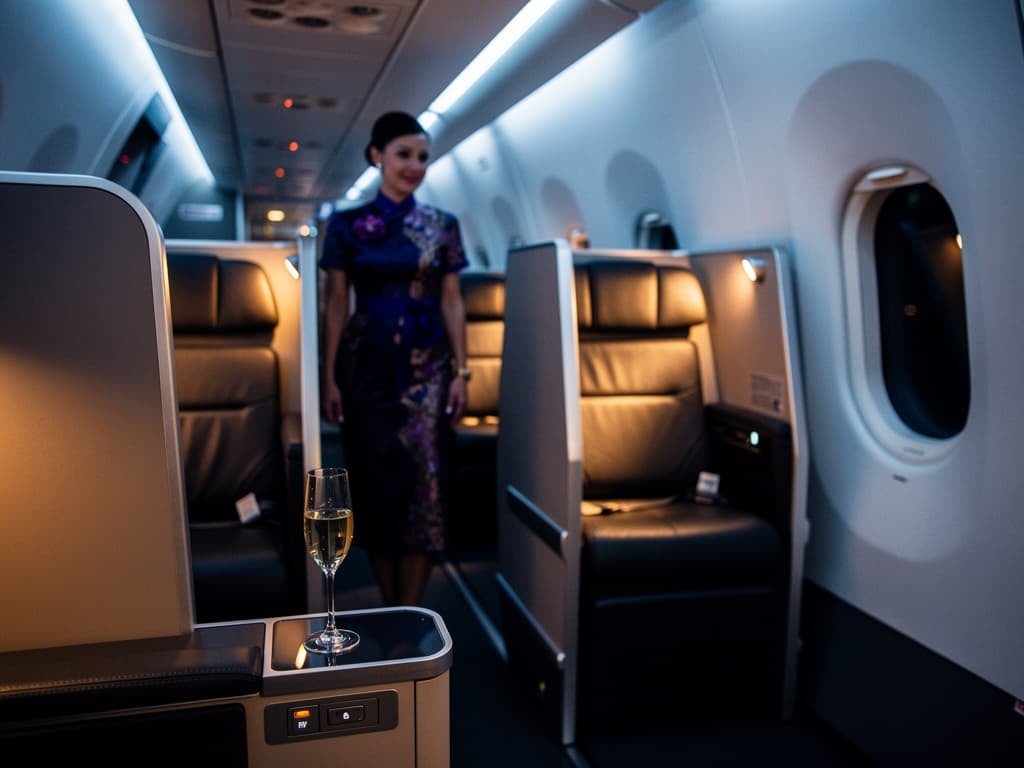
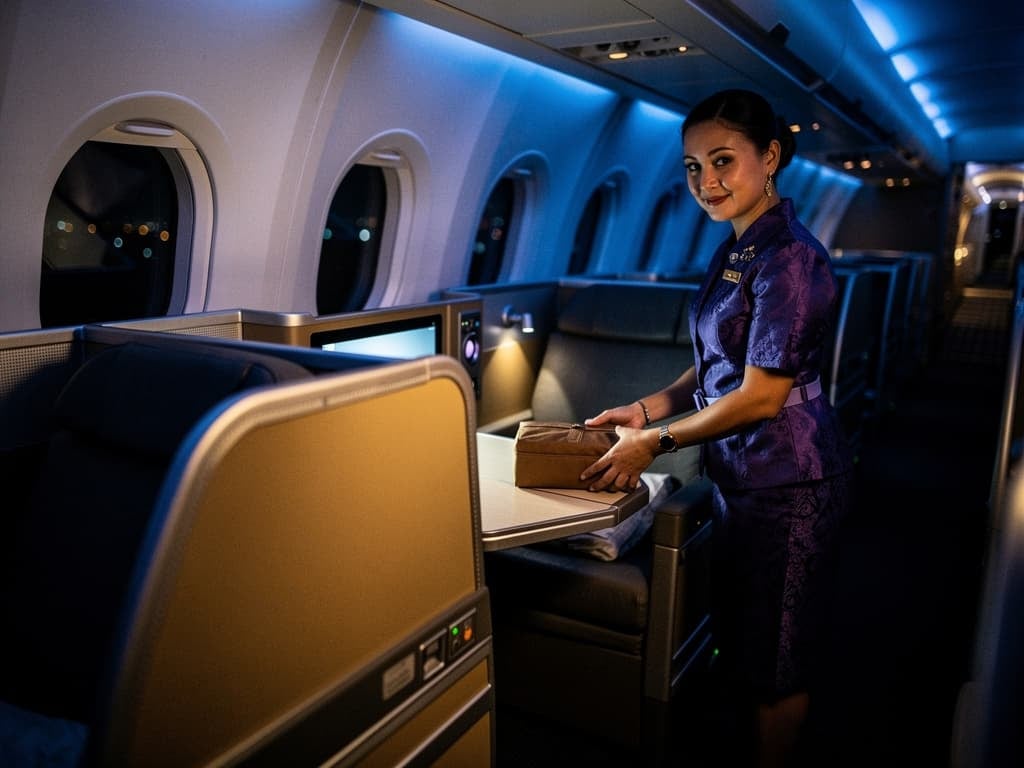
Air Traveler Club’s analysis of Emirates’ new A350 business class illustrates how the cabin product — not the engine — is where airline differentiation actually happens on this type. The propulsion system is a constant; the seat, the screen, and the privacy door are the variables that separate one A350 operator from another.
In April 2025, the European Union Aviation Safety Agency certified the Trent XWB-84 Enhanced Performance variant, incorporating improvements to fan and compressor design, refined turbine aerodynamics, and enhanced blade cooling. That upgrade path — continuous refinement within the same engine family — is the model Airbus and Rolls-Royce have committed to rather than reopening the airframe to competing powerplants.
What the 2030 exclusivity window means for the A350’s future
This is an awareness story with a clear forward signal rather than an immediate booking action — but the timeline matters for anyone tracking long-haul fleet development. The Trent XWB’s confirmed exclusivity on the A350-900 runs through at least 2030, and no competing engine program is in active development for the type. That stability is the baseline assumption for the next four years of A350 operations.
Watch for any EASA or FAA regulatory filing referencing non-Trent XWB propulsion on the A350 — if it appears, it would signal that the industry has moved from theoretical discussion into certification reality, with downstream implications for future subvariants, weight limits, and cabin configurations on new deliveries. That filing does not exist today.
The more proximate development to monitor is the A350-1000 First Class Experience, which Airbus has moved into formal development with a target entry into service from around 2030 — the same horizon as the current engine exclusivity window. If a named launch customer announces a commitment to that cabin concept, it would be the clearest signal that the A350 platform’s next chapter is about the front of the cabin, not the engine beneath the wing.
Read more