A passenger died one hour into British Airways flight BA32 from Hong Kong to London on March 15, 2026, and the crew stored the body in the rear galley — where a heated floor caused a foul smell that distressed 331 passengers over the remaining 13.5 hours of the flight. Upon landing at Heathrow, police held all passengers seated for 45 minutes for inquiries, and multiple crew members required time off work due to psychological impact.
British Airways confirmed all procedures were followed correctly and no formal passenger complaints have been filed. The incident exposes a gap in standardized protocols for mid-flight deaths — airlines lack uniform guidance on body storage during ultra-long-haul flights.
A woman in her 60s died shortly after takeoff on British Airways flight BA32 from Hong Kong to London on March 15, 2026, triggering a 13-hour ordeal that left passengers and crew traumatized. The pilots elected to continue the flight rather than divert, following standard protocol that classifies a post-mortem event as non-emergency. Crew wrapped the body and placed it in the rear galley of the Airbus A350-1000, unaware that the galley’s heated floor would accelerate decomposition.
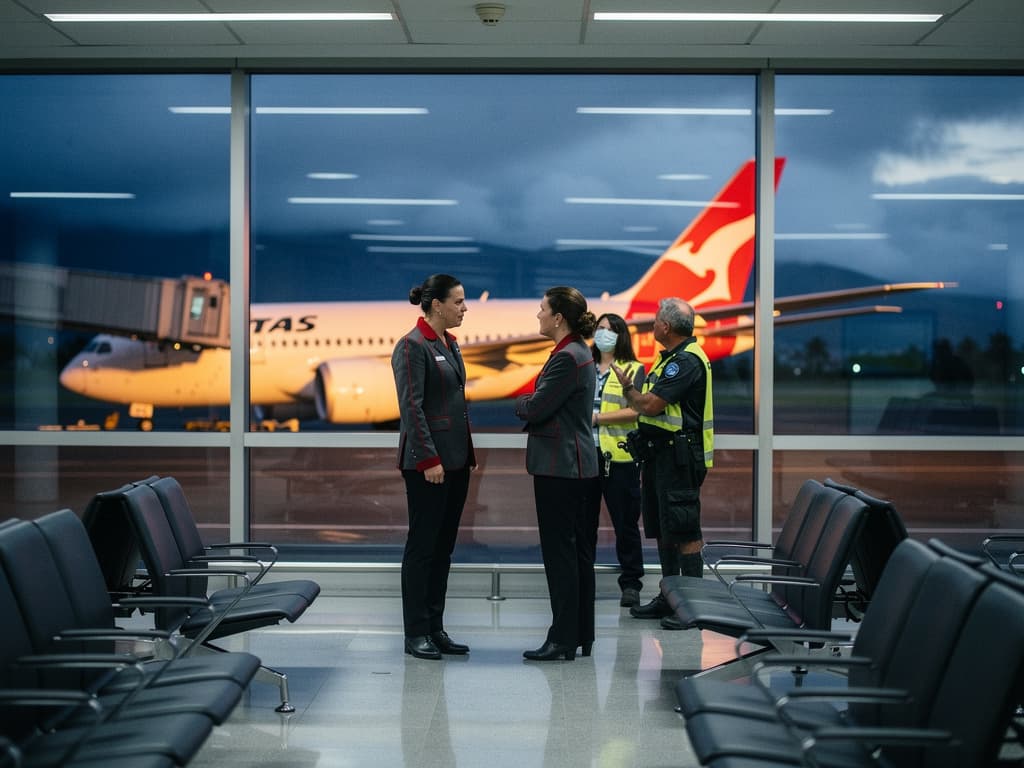
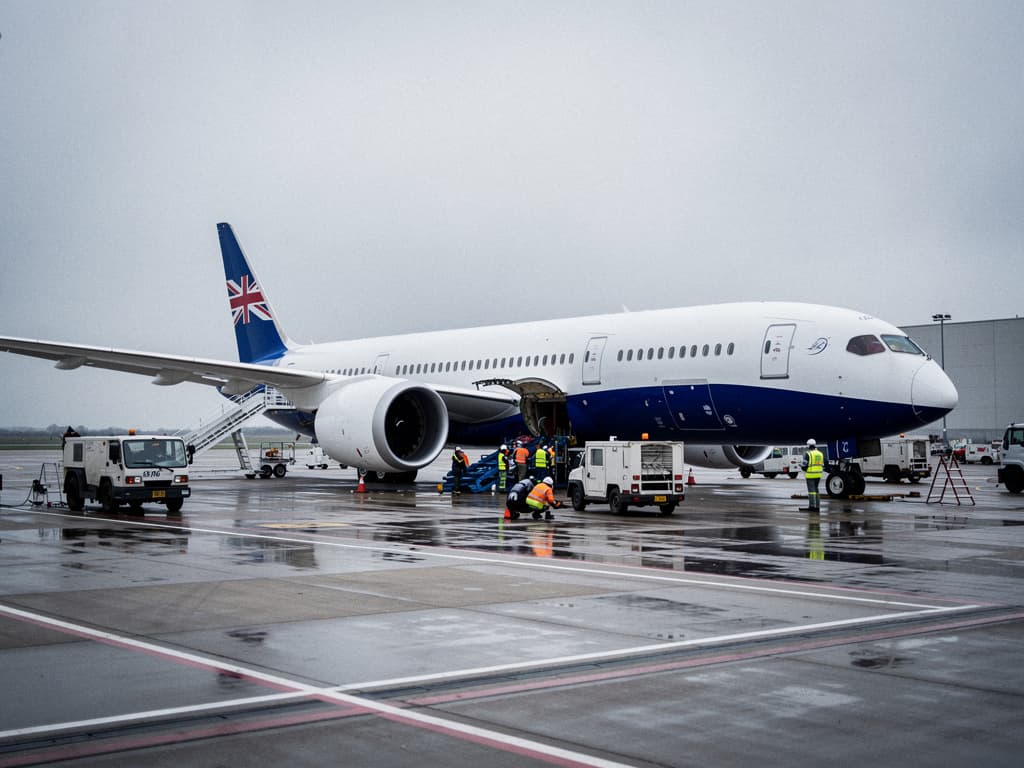
Passengers near the galley reported a worsening smell as the flight neared London. Upon arrival at Heathrow, Metropolitan Police boarded the aircraft and held all 331 passengers in their seats for 45 minutes while conducting inquiries — a procedural step that compounded the distress.
Several crew members have been unable to return to work due to the psychological toll. British Airways provided support services and stated that all protocols were followed correctly, though the airline acknowledged that no industry-wide standard exists for handling mid-flight deaths on ultra-long-haul routes.
What happened on flight BA32
The flight departed Hong Kong at its scheduled time with a full passenger load. Approximately one hour into the 13.5-hour journey, the woman collapsed and was pronounced dead by crew trained in emergency medical response. The pilots assessed the situation and determined that diverting would not change the outcome — aviation protocol treats a confirmed death as a non-emergency that does not warrant return or unscheduled landing.
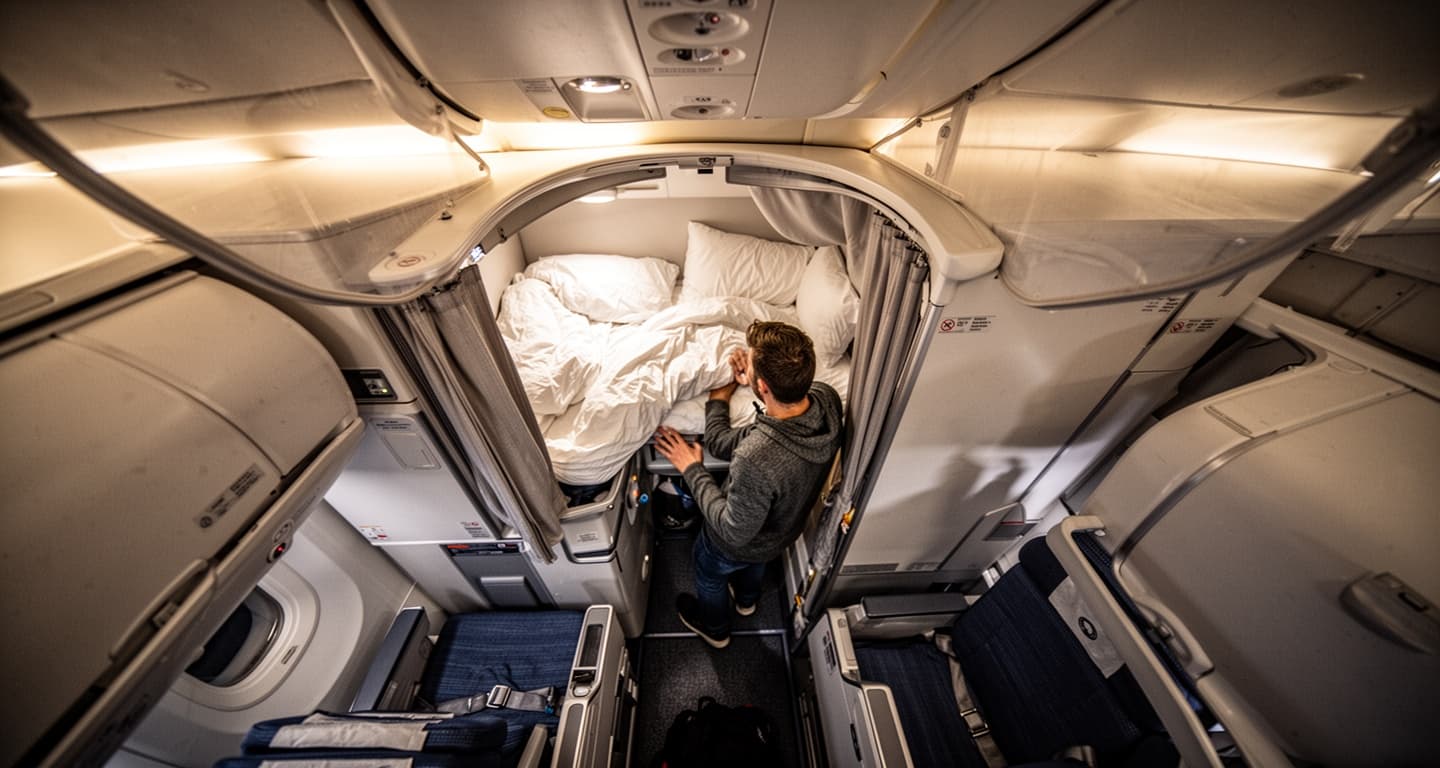
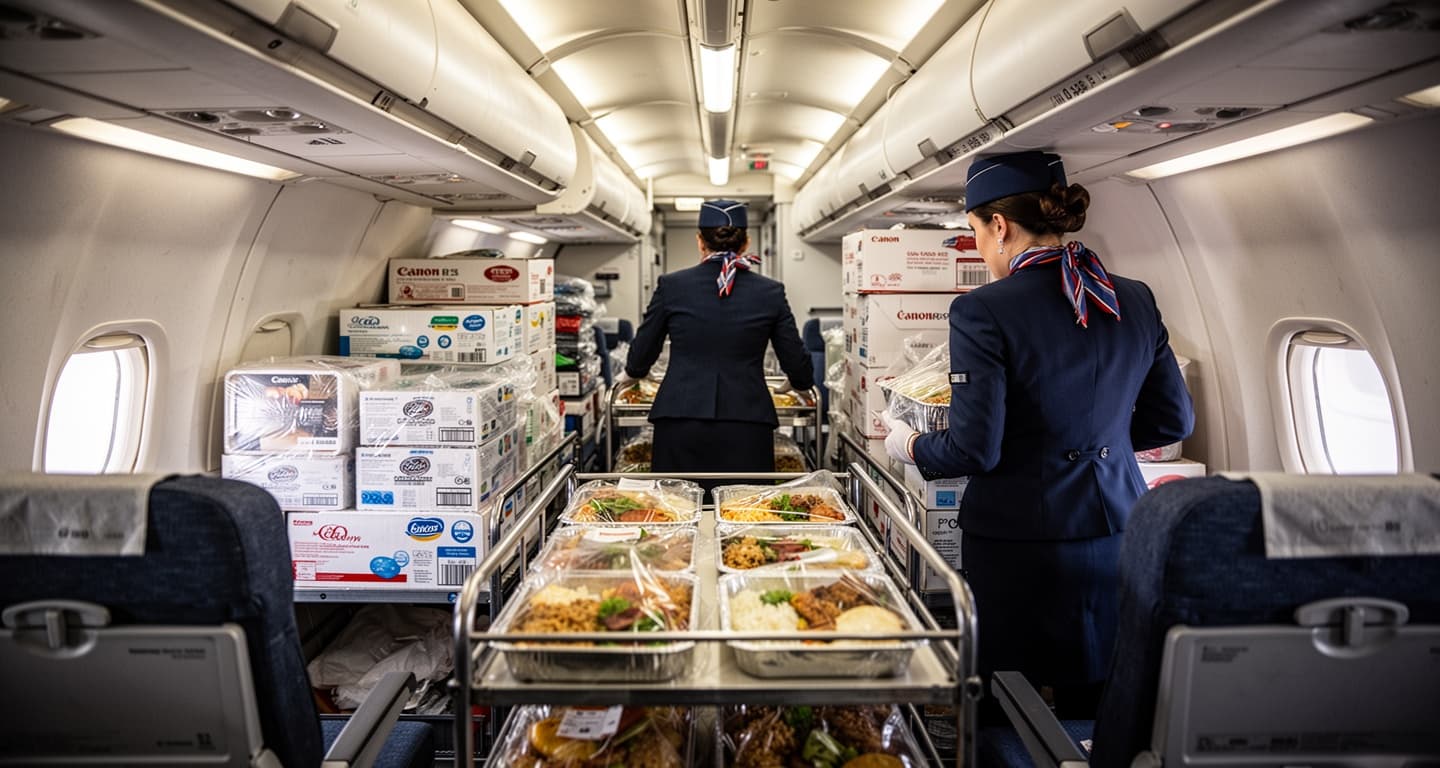
Crew initially considered securing the body in a lavatory but rejected the option due to space constraints and the need to keep facilities available for passengers. They wrapped the body in available materials and placed it in the rear galley, isolating the area as much as the aircraft layout allowed. The A350-1000 galley features a heated floor to maintain food service temperatures — a design element the crew did not account for when making the storage decision.
As the flight progressed, passengers seated in the rear cabin began noticing an odor. By the time the aircraft descended into London, the smell had become pronounced enough that multiple passengers later described the experience as deeply distressing. The family of the deceased remained seated in the cabin throughout the flight.
| Time | Event | Impact |
|---|---|---|
| Departure | BA32 departs HKG on schedule | 331 passengers, A350-1000 |
| +1 hour | Passenger dies, crew confirms death | Body moved to rear galley |
| +7 hours | Odor reported by rear cabin passengers | Heated galley floor accelerates issue |
| Landing | Police board, hold passengers 45 min | Inquiries conducted, family interviewed |
| Post-flight | Crew members unable to return to work | BA provides psychological support |

Flight deals most people never see
Our AI monitors 150+ airlines for pricing anomalies that traditional search engines miss. Air Traveler Club members save $650 per trip per person on average: see how it works.
Each deal saves 40–80% vs. regular fares:

The regulatory gap in mid-flight death protocols
Airlines operate under national and international safety frameworks, but those frameworks do not mandate uniform procedures for handling deceased passengers during flight. The UK Civil Aviation Authority certifies British Airways as a UK Air Operator Certificate holder and conducts annual audits under EASA Part-CAO standards. In-flight emergencies follow CAP 789 guidance, which classifies post-mortem events as non-diversionary and requires body isolation — but does not specify storage location or environmental controls.
EASA oversees A350 type certification and mandates crew training on passenger welfare under AMC1 ORO.GEN.200, yet galley floor heating is a design feature intended for food service, not body storage. The CAA investigates complaints via aviationenforcement@caa.co.uk and maintains mandatory reporting systems, but no violations have been reported in this case. British Airways’ self-audit confirmed that crew followed existing procedures — the issue is that those procedures assume galley storage without accounting for environmental factors on ultra-long-haul flights.
A 2019 incident on a British Airways flight from Johannesburg to London involved a similar galley storage decision, but no odor issues were reported and the flight continued without complaint. The difference: that flight was shorter, and the galley floor heating did not create the same conditions. A 2022 Emirates flight from London to Dubai diverted only after the deceased passenger’s family insisted — the body had been placed in a lavatory with a curtain, and the diversion was a family request rather than a regulatory requirement.
What to do if you are affected
This incident does not trigger compensation under UK261 or equivalent passenger rights frameworks — a mid-flight death is classified as an extraordinary circumstance, and the 45-minute police hold does not meet the three-hour delay threshold for claims.
- Existing bookings: Contact British Airways directly to request a route change or rebooking without penalty. Reference the March 15 incident and ask for a customer service exception.
- Alternative carriers: Cathay Pacific operates seven weekly Hong Kong–London flights on A350 aircraft with competitive economy fares. Virgin Atlantic offers five weekly frequencies with a strong premium economy product.
- Psychological support: If you were on flight BA32 and require assistance, British Airways has confirmed that support services are available through their customer care team.
- Regulatory inquiries: The UK CAA accepts complaints via aviationenforcement@caa.co.uk. If you believe procedures were not followed, file a formal report with specific details.
Watch: A UK CAA investigation announcement would signal a potential protocol audit and crew retraining for British Airways long-haul galleys, which could affect passenger confidence on the Hong Kong–London route.
Why didn’t the pilots divert the flight?
Aviation protocol treats a confirmed death as a non-emergency that does not require diversion. The pilots followed standard procedure by continuing to the scheduled destination, as diverting would not change the outcome and would create additional operational disruption.
Can passengers claim compensation for this incident?
No. UK261 and equivalent passenger rights frameworks classify mid-flight deaths as extraordinary circumstances that do not trigger compensation. The 45-minute police hold also does not meet the three-hour delay threshold required for claims.
What is British Airways doing to prevent this from happening again?
British Airways has confirmed that all procedures were followed correctly and that crew received psychological support. The airline has not announced changes to its protocols, as the incident exposed a gap in industry-wide standards rather than a failure to follow existing rules.
Are other airlines better equipped to handle mid-flight deaths?
No airline has a standardized protocol for body storage on ultra-long-haul flights. The issue is systemic — aviation regulators have not mandated uniform procedures, and galley design features like heated floors are not accounted for in crew training.
Read more