Summary
American Airlines flight attendants filed a formal grievance demanding additional compensation for London Heathrow routes after the carrier abruptly switched catering suppliers, forcing crews to manage double-provisioned galleys with meals flown from the United States for both outbound and return legs. The Association of Professional Flight Attendants confirmed crews now work under “significantly increased and often unpredictable workload” conditions, with Flagship Business service reduced to single-tray “dine and rest” options—no seafood, no pre-ordered meals, no ice cream—while Economy and second Premium Economy meals remain fully adjusted.
The disruption affects all 19 daily American Airlines flights between Heathrow and nine U.S. cities, representing nearly 25% of transatlantic capacity on the route. Passengers holding premium bookings within the next 48 hours face degraded service quality that places American below British Airways and Virgin Atlantic standards.
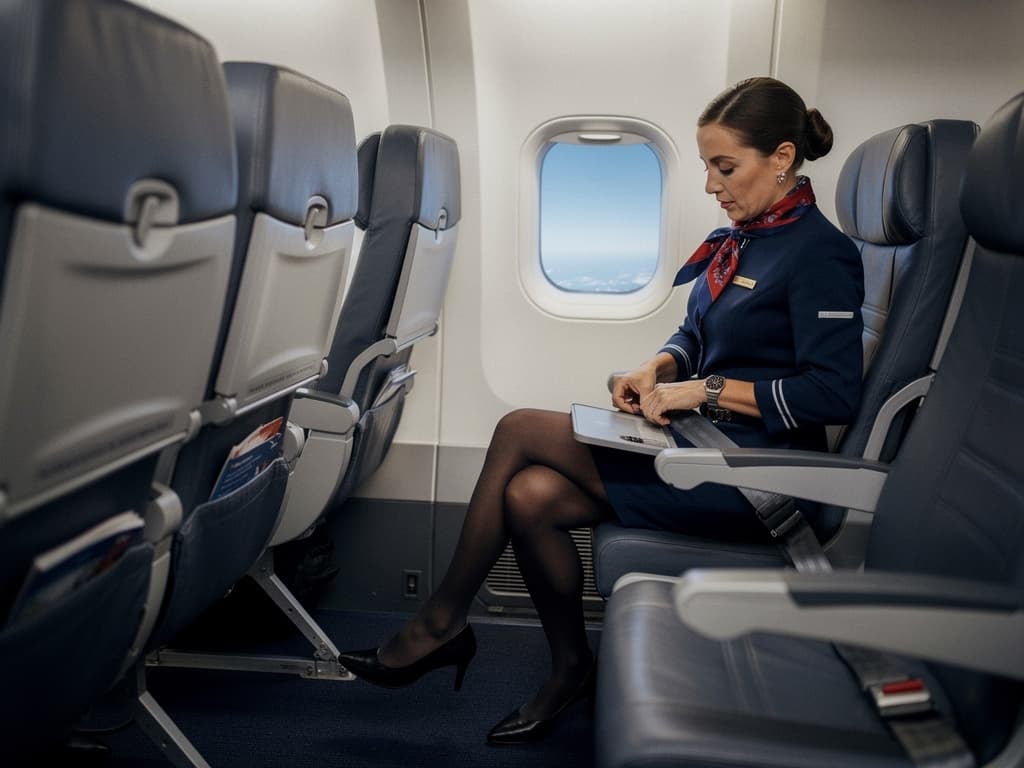
The catering crisis at London Heathrow has turned American Airlines‘ premium cabin service into an operational liability. Flight attendants now manage galleys packed with double the normal food inventory—meals loaded in the United States that must serve passengers on both the outbound flight to London and the return leg back across the Atlantic.
This arrangement is virtually unprecedented on long-haul transatlantic routes. Aircraft galleys lack the refrigeration capacity and storage space to keep perishable items fresh for 16-20 hours, forcing the airline to strip down its Flagship Business menu to shelf-stable proteins and vegetarian options only.
The Association of Professional Flight Attendants escalated the issue earlier this month, filing a grievance that explicitly states crews are “doing more work under more difficult conditions, without any corresponding adjustment to staffing or compensation.” The union represents flight attendants based in New York and other American Airlines hubs serving Heathrow.
British Airways stepped in to provide partial relief, lending space from its contract with premium caterer Do&Co to supply fresh meals for Flagship Business and the first service in Premium Economy. But that arrangement covers only a fraction of American’s operation—Economy passengers and the second Premium Economy meal service remain subject to the double-catered limitations.
How double-catering degrades the premium experience
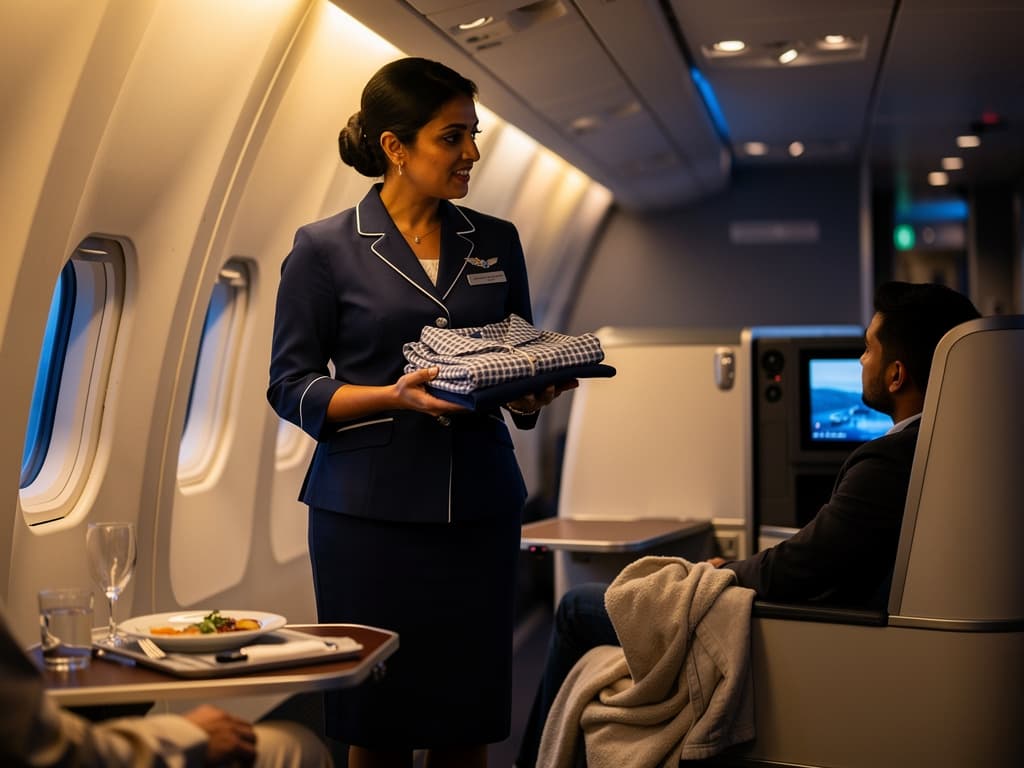
The operational reality of double-catering creates a cascading service failure. Galleys designed for single-leg provisioning now hold twice the inventory, forcing flight attendants to navigate cramped workspaces while managing meal carts that must be carefully segregated by flight leg.
Industry sources confirm the airline dropped its previous London catering supplier without public explanation, though unverified reports suggest hygiene concerns in the contractor’s kitchens may have prompted the abrupt termination. One unconfirmed photo circulating among crew members appeared to show a rodent in a business class bread basket.
American Airlines operates 19 flights daily between Heathrow and nine U.S. cities, including Dallas-Fort Worth, Charlotte, Chicago O’Hare, Los Angeles, Miami, New York JFK, Philadelphia, Phoenix, and Raleigh-Durham. The carrier transported an estimated 14.5 million passengers between the United States and London in 2024, making this route network critical to its transatlantic strategy.
The Do&Co partnership has drawn positive passenger feedback for business class meals, but the arrangement remains temporary. Whether American converts this into a permanent contract or resolves issues with its previous supplier will determine how long premium travelers face service restrictions.
| Airline | Seat product | Key specs | Approximate pricing |
|---|---|---|---|
| American Airlines | Flagship Business | 1-2-1 reverse herringbone, limited meal options during disruption | $3,500–5,500 RT |
| British Airways | Club Suite | 1-2-1 direct aisle access, full Do&Co multi-course dining | $4,000–6,000 RT |
| Virgin Atlantic | Upper Class | 1-1-1 herringbone with social bar, premium lounge experience | $3,500–5,500 RT |
| Delta Air Lines | Delta One Suites | Door-enclosed pods, Westin Heavenly bedding, superior privacy | $4,500–7,000 RT |

Flight deals most people never see
Our AI monitors 150+ airlines for pricing anomalies that traditional search engines miss. Air Traveler Club members save $650 per trip per person on average: see how it works.
Each deal saves 40–80% vs. regular fares:

What the crew grievance reveals about operational strain
The flight attendant union’s language exposes the depth of the operational breakdown. Describing workload as “significantly increased and often unpredictable” signals that crews face more than just extra meal trays—they’re managing inventory confusion, passenger complaints about missing menu items, and the physical challenge of working in overstuffed galleys.
Air Traveler Club’s analysis of comfortable long-haul aircraft emphasizes that premium cabin service quality depends as much on crew workflow efficiency as seat hardware. When galleys become storage puzzles, service timing suffers and passenger satisfaction drops.
The union’s demand for compensation reflects a broader labor relations tension at American Airlines. Flight attendants work under a contract that bases pay on scheduled flight time, not actual workload intensity. Double-catering fundamentally changes the job without changing the pay structure—a gap the union is now forcing management to address.
For premium travelers, this creates a secondary risk: crew morale issues can compound service quality problems. Flight attendants managing frustrating working conditions while fielding passenger complaints about missing ice cream and limited meal choices face burnout that affects the entire cabin experience.
Strategic guidance for premium bookings
The catering disruption creates immediate rebooking urgency for passengers holding Flagship Business or Premium Economy reservations on London routes within the next 60 days—service quality now trails competitors by a measurable margin.
- Rebook to British Airways or Virgin Atlantic if schedule flexibility allows. BA Club Suite offers full Do&Co dining with direct aisle access on A350 and 777 aircraft, while Virgin Upper Class provides the social bar experience and superior lounge access at Heathrow.
- Request mileage compensation proactively by calling the Executive Platinum desk and citing “materially degraded service conditions.” Reference the 7,500-15,000 mile compensation range reported by other passengers, though American has not confirmed this as official policy.
- Monitor award space on partner airlines through the AAdvantage portal. British Airways and Iberia award availability often opens 2-3 weeks before departure as revenue bookings firm up.
- Avoid booking new American Airlines London flights until the carrier announces a permanent catering solution. The Do&Co arrangement remains temporary, and service quality could deteriorate further if that partnership ends without a replacement.
- Document service failures if you fly during the disruption. Photograph limited meal options, note missing amenities, and file complaints through aa.com within 24 hours of travel to strengthen compensation claims.
Watch for American’s announcement of a permanent London catering supplier by May 2026. If the Do&Co partnership expands to cover all meal services, premium travelers gain dining quality matching British Airways standards. If the airline reverts to its previous supplier or selects a lower-tier contractor, expect continued service limitations and potential crew shortages as labor negotiations drag on.
FAQ
Can I get a refund if I cancel my American Airlines London flight due to catering issues?
Standard refund policies apply—non-refundable tickets remain non-refundable unless American makes a schedule change exceeding two hours. Service quality reductions don’t automatically trigger refund eligibility, but passengers can argue “materially changed conditions” when requesting exceptions. Elite status holders have better leverage for waivers.
Will American Airlines extend the British Airways Do&Co catering arrangement permanently?
The airline has not announced plans beyond the temporary arrangement. Industry patterns suggest 4-8 weeks for permanent supplier contracts, with decisions typically driven by cost negotiations and kitchen capacity. Passenger feedback on Do&Co quality may influence whether American pursues a long-term partnership.
Do other American Airlines international routes face similar catering problems?
The double-catering approach appears isolated to London Heathrow flights. American’s other European and transatlantic routes continue operating with standard single-leg provisioning from local suppliers. The London situation stems from the specific supplier termination at that airport.
How does double-catering affect food safety and freshness?
Meals loaded in the United States for consumption 16-20 hours later push the limits of aircraft refrigeration systems. Airlines typically avoid this practice on long-haul routes because galleys lack the temperature control needed to maintain food safety standards for extended periods. The shift to shelf-stable proteins and elimination of seafood reflects these constraints.
Read more