Summary
The Federal Aviation Administration proposed a $255,000 civil penalty against American Airlines on April 8, 2026, alleging the carrier allowed 12 flight attendants who tested positive for alcohol, amphetamines, cocaine, marijuana, and methamphetamine between May 2019 and December 2023 to resume safety-sensitive duties without completing mandatory follow-up testing required under federal drug and alcohol regulations.
The airline has 30 days to respond to the enforcement letter — a deadline that falls on May 8, 2026 — while the FAA simultaneously pursues a $304,272 fine against Southwest Airlines for similar violations involving 11 employees, including pilots.
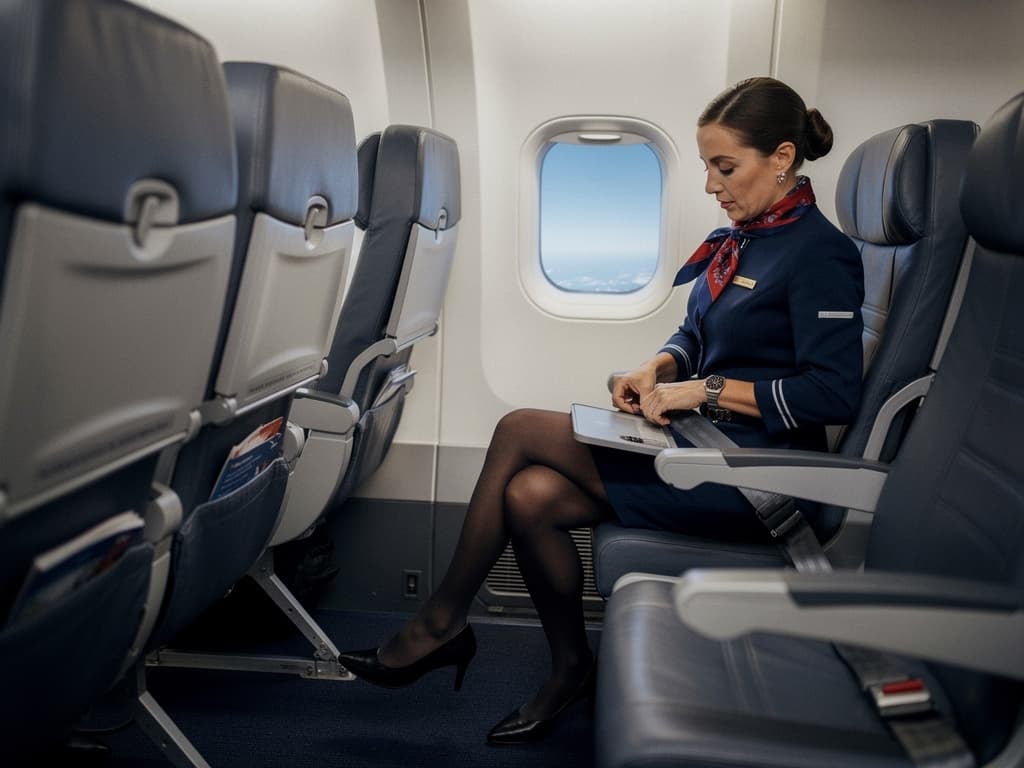
Twelve American Airlines flight attendants tested positive for controlled substances over a four-and-a-half-year span, yet returned to work in premium cabins and economy sections alike before federal testing protocols were satisfied. The FAA’s enforcement action targets procedural failures that allowed crew members to bypass follow-up screenings mandated after initial positive results.
The substances detected ranged from alcohol to methamphetamine, with violations spanning from May 2019 through December 2023.
This enforcement action affects travelers across American’s domestic and international network, including passengers in Flagship First and Flagship Business cabins where these flight attendants may have worked. The airline operates over 6,700 daily flights to 350 destinations across 50 countries, meaning the alleged violations touched routes from premium transcontinental services to long-haul international operations.
The carrier confirmed it is reviewing the FAA notice but provided no timeline for corrective measures beyond the mandatory 30-day response window.
The regulatory violations
Federal regulations require airlines to remove employees from safety-sensitive duties immediately after positive drug or alcohol tests, then conduct a series of follow-up screenings before reinstating them. The FAA alleges American Airlines failed to complete this testing sequence for all 12 flight attendants, allowing them to return to cabin service prematurely.
The violations occurred across a 56-month period, with the most recent case dating to December 2023 — just 16 months before the FAA’s enforcement announcement. Regulatory filings show the agency discovered the lapses during a routine audit of the carrier’s drug and alcohol testing program, which covers approximately 130,000 employees including pilots, flight attendants, mechanics, and ground personnel.
The FAA’s enforcement letter specifies that each flight attendant resumed duties before completing the return-to-duty process, a violation that carries penalties of up to $21,250 per employee under current federal aviation regulations.
| Airline | Proposed penalty | Employees affected | Violation period |
|---|---|---|---|
| American Airlines | $255,000 | 12 flight attendants | May 2019–December 2023 |
| Southwest Airlines | $304,272 | 11 (pilots, flight attendants, mechanics) | August 2021–July 2024 |
| Amerijet International | Enforcement pending | 1 pilot (refusal case) | 2024 incident |

Flight deals most people never see
Our AI monitors 150+ airlines for pricing anomalies that traditional search engines miss. Air Traveler Club members save $650 per trip per person on average: see how it works.
Each deal saves 40–80% vs. regular fares:

The industry pattern
The American Airlines penalty arrives five days after the FAA announced a $304,272 fine against Southwest Airlines for similar follow-up testing failures. That case involved 11 employees across multiple job categories — pilots, flight attendants, and aircraft mechanics — who tested positive for substances including marijuana, cocaine, and amphetamines between August 2021 and July 2024.
Southwest’s violations included cockpit crew, a higher-risk category that explains the larger per-employee penalty despite fewer total cases. The carrier also faces a 30-day response deadline with no resolution announced.
These enforcement actions signal intensified FAA scrutiny of airline drug testing compliance following a February 2026 U.S. Court of Appeals ruling that required independent review of pilot drug test refusals. That case involved Amerijet International and established precedent for stricter oversight of carrier-administered testing programs. Air Traveler Club’s analysis of the American Airlines enforcement action explores how these regulatory patterns affect premium cabin operations and elite traveler confidence.
Strategic guidance for premium travelers
The 30-day response window creates a monitoring period through May 8, 2026, when American Airlines must either contest the allegations, propose corrective measures, or settle the penalty — a decision that will signal whether operational changes affect premium cabin service quality.
- Book with confidence through May 8: No operational disruptions announced, and violations predate the airline’s stated 2025 testing enhancements. Premium cabin service continues normally across all routes.
- Monitor elite communications: ConciergeKey and Executive Platinum members should watch for proactive outreach from the airline regarding safety protocols, similar to post-incident reassurances issued after previous FAA actions.
- Leverage existing protections: Elite status benefits include priority rebooking and fee waivers if operational concerns arise. Same-day flight changes remain available for Platinum Pro and higher tiers without additional cost.
- Consider alliance alternatives: Oneworld partners including Qatar Airways, British Airways, and Cathay Pacific offer comparable premium products on overlapping routes with no current FAA enforcement actions.
- Award space remains accessible: No changes to AAdvantage award availability or partner redemptions. Saver awards to Europe continue at 57,500 miles one-way in business class on select dates.
Watch for the airline’s formal response by May 8 — a settlement with enhanced auditing procedures would provide the clearest signal that testing protocols have been strengthened without operational impact to premium travelers.
FAQ
Will this affect my upcoming American Airlines flight?
No immediate operational changes have been announced. The FAA enforcement action addresses historical violations from 2019-2023, and the airline states it has enhanced testing procedures since then. Your flight will operate normally unless the carrier announces specific schedule adjustments during the 30-day response period ending May 8, 2026.
Can I get a refund or change my booking because of this news?
Standard fare rules apply — this FAA notice does not trigger automatic refund eligibility or waived change fees. Refundable tickets can be canceled per original terms, while basic economy fares remain non-refundable. Elite members with Platinum Pro status or higher can use existing same-day change benefits without additional cost.
How does this compare to other airline safety violations?
The $255,000 penalty is moderate by FAA standards. Southwest faces a larger $304,272 fine for similar violations involving pilots, while historical enforcement actions have ranged from $50,000 for minor infractions to over $1 million for repeated safety violations. Drug testing lapses are procedural violations rather than in-flight safety incidents.
Should I avoid American Airlines until this is resolved?
The violations involve follow-up testing procedures, not active impairment during flights. No safety incidents have been linked to these cases, and the airline operates under continuous FAA oversight. Travelers concerned about safety protocols can monitor the carrier’s May 8 response or book with alliance partners like Qatar Airways or British Airways on overlapping routes.
Read more