Summary
A Boeing 787-8 Dreamliner with only 13 flying hours is being dismantled at Roswell International Air Center because its parts are worth more than $50 million — double what the complete aircraft sold for in 2021. The aircraft, N947BA, is one of Boeing’s early “terrible teens” production units with structural issues that reduced its maximum takeoff weight by up to 12 tonnes, making it an ideal donor as the global 787 fleet hits 12-year maintenance checks amid severe parts shortages.
This marks the first GE-powered 787 teardown in the United States and signals a troubling pattern for premium travelers: airlines will increasingly cannibalize low-cycle aircraft to keep operational fleets flying, potentially delaying business class retrofits and reducing award space availability on long-haul routes through 2027.
The sight of a nearly pristine Boeing 787-8 Dreamliner being reduced to spare parts would have been unthinkable five years ago. Today, it represents cold economic logic in an aviation market where component scarcity has flipped the traditional calculus of aircraft value.
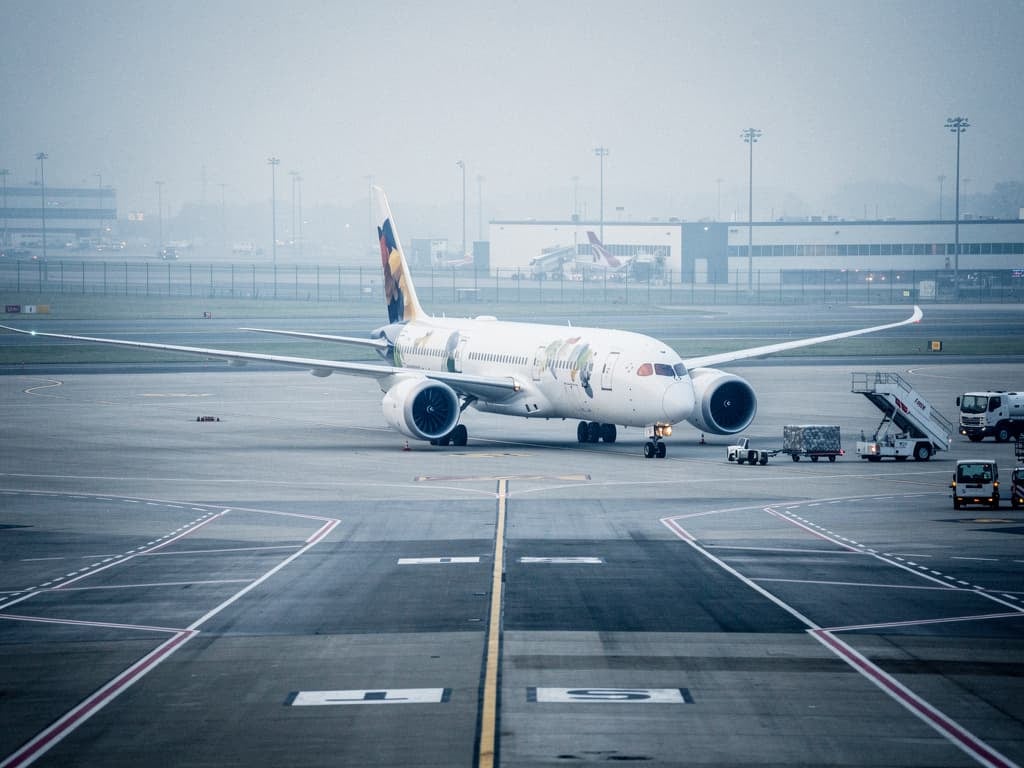
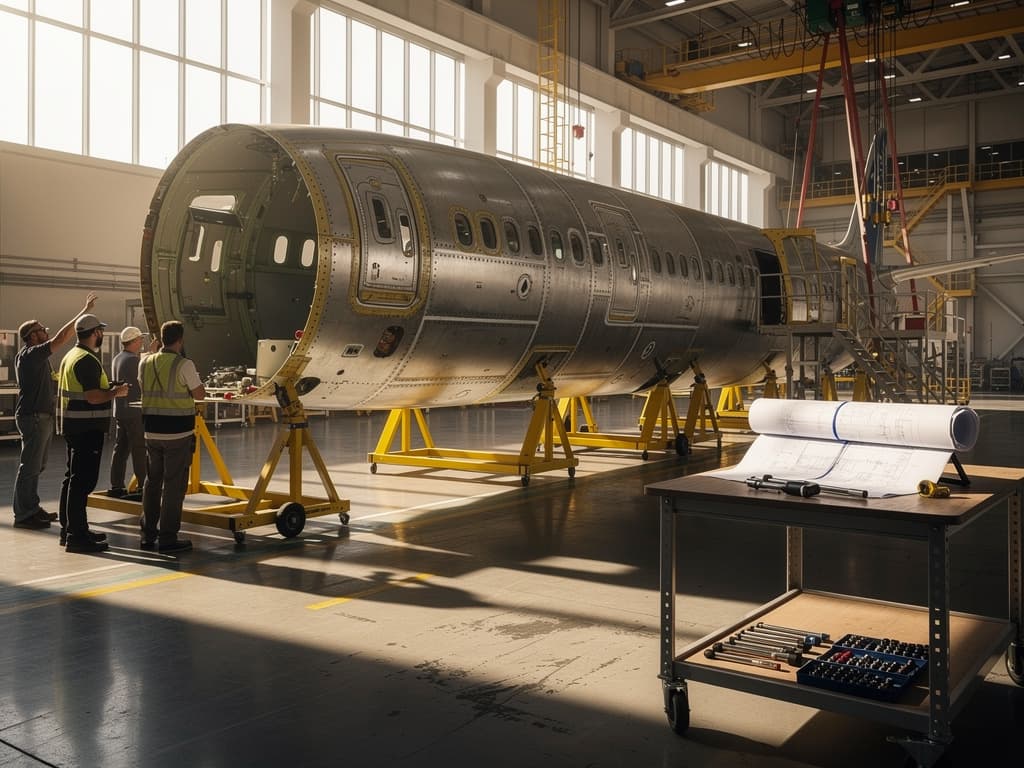
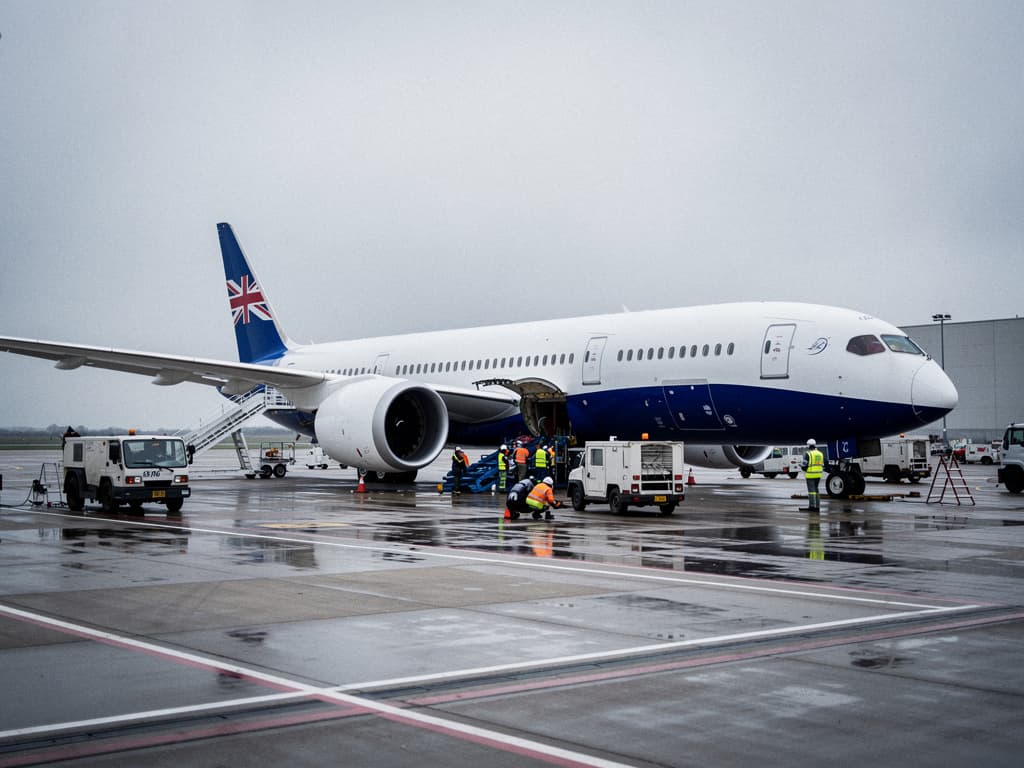
N947BA, the 17th Dreamliner to roll off Boeing’s Everett production line, accumulated barely more than a dozen flight hours before arriving at Roswell International Air Center in New Mexico for dismantling by C&L Aviation. The aircraft never entered commercial service, spending most of its existence in desert storage after a series of failed ownership attempts.
What makes this teardown significant isn’t just the low flight time — it’s what the decision reveals about the state of the 787 parts market and what that means for premium cabin availability on long-haul routes. When a complete aircraft is worth less than the sum of its engines, landing gear, and avionics, the implications ripple through award space, retrofit timelines, and business class pricing for the next 18 months.
The aircraft’s backstory reads like an aviation cautionary tale. Originally destined for Royal Air Maroc, N947BA was rejected due to assembly defects and excess weight — hallmarks of Boeing’s early-production “terrible teens” batch that required custom wing-fuselage reinforcements. Crystal Cruises purchased the jet in 2017 with plans to configure it with 60 first-class seats for around-the-world luxury air journeys, but that venture collapsed before launch. The aircraft sold again in 2021 for $25 million, then sat in Victorville storage for seven years before its final move to the scrapyard.
Why parts are worth more than planes
The economics driving N947BA’s dismantling are straightforward: the 787 fleet is maturing faster than the supply chain can support it. As hundreds of Dreamliners approach their 12-year heavy maintenance checks, airlines face a critical shortage of serviceable components — particularly engines, landing gear, and avionics — that can ground aircraft for months.
Tim Brecher, president of C&L Aviation, framed the teardown as a response to market necessity: “Disassembling a virtually new 787 with only a few ferry cycles has never been done before. But with much of the 787 fleet hitting the 12-year mark and needing heavy maintenance, the shortage of spares in the marketplace, combined with the ongoing challenges in the supply chain, make this sort of project critical.”
The two GEnx-1B engines alone carry a half-life market valuation of $20 million each according to IBA data, immediately exceeding the aircraft’s 2021 sale price by $15 million. Add landing gear shipsets valued at $4-6 million, avionics and line-replaceable units worth $2-4 million, plus APU and nacelle hardware, and the total parts value pushes well above $50 million.
This isn’t theoretical. Two ex-Norwegian 787-8s were dismantled at Glasgow Prestwick in 2023, marking the first commercial Dreamliner teardowns. Those aircraft had logged nearly a decade of service and were approaching expensive maintenance events, making them rational candidates. N947BA’s near-zero flight time makes it an outlier, but the underlying market forces are identical.
| Component | Estimated value | Market context |
|---|---|---|
| 2× GEnx-1B engines | $40 million | IBA half-life valuation at $20M each |
| Landing gear shipset | $4-6 million | High demand as fleet enters heavy checks |
| Avionics and major LRUs | $2-4 million | Hard-to-source line-replaceable units |
| APU and nacelle hardware | $2-3 million | Critical rotable components |
| Brakes, wheels, actuators | $2-3 million | Smaller items with collective value |
| Total estimated value | $50-56 million | Exceeds whole-aircraft resale by 100%+ |

Flight deals most people never see
Our AI monitors 150+ airlines for pricing anomalies that traditional search engines miss. Air Traveler Club members save $650 per trip per person on average: see how it works.
Each deal saves 40–80% vs. regular fares:

The 787-8’s complicated role in premium travel
For premium travelers, the 787-8 occupies an awkward middle ground in the widebody hierarchy. The aircraft typically configures 36-48 business class seats in either 1-2-1 reverse herringbone layouts — like United’s 48-seat Polaris configuration with 78-inch beds — or older 2-2-2 lie-flat arrangements that premium travelers actively avoid.
The larger 787-9 variant offers 40-78 business seats with similar lie-flat products but crucially adds range for nonstop premium routes like Los Angeles-Sydney. That makes the -9 the preferred aircraft for long-haul business class, while the -8 increasingly serves secondary routes or gets retrofitted with denser configurations.
Air Traveler Club’s analysis of JAL’s 787 economy configuration from Australia highlights how aircraft setup dramatically affects passenger experience — the same principle applies in business class, where identifying which 787 variant and which interior generation matters more than the aircraft type alone.
N947BA was supposed to bypass this entirely. Crystal Cruises’ plan called for 60 first-class seats in an ultra-premium configuration that would have positioned it as a flying hotel rather than a commercial airliner. That vision died with the company’s financial troubles, leaving the aircraft as an expensive curiosity with no clear market fit.
Strategic implications for premium travelers
The teardown of a near-new 787 signals a parts shortage severe enough to make cannibalization economically rational, which translates directly to operational constraints for airlines flying premium cabins on long-haul routes.
- Book long-haul business class awards immediately if you have flexible dates in the next 12 months. Parts shortages will force airlines to ground 787s for extended maintenance, reducing premium cabin inventory during peak seasons and tightening award space availability.
- Prioritize 787-9 and A350 equipment over 787-8s when booking. The -8 variant faces higher cannibalization risk due to its position as the oldest Dreamliner in widespread service, meaning more frequent aircraft swaps and potential downgrades to older interiors.
- Monitor retrofit announcements closely — airlines may delay planned business class upgrades to preserve operational aircraft rather than take jets offline for interior work. This extends the lifespan of older 2-2-2 configurations you want to avoid.
- Consider alternative aircraft types on routes where 787 dominance creates vulnerability. The 777-300ER and A350 face different parts ecosystems, potentially offering more reliable premium cabin access if 787 shortages worsen.
- Watch for dynamic pricing increases on 787-heavy routes as airlines recognize reduced capacity. Business class fares could rise 10-15% on transatlantic and transpacific routes where Dreamliners represent the majority of premium seats.
Watch for Boeing 787 production stabilization announcements or FAA approvals on new deliveries by Q3 2026. If accelerated, it eases parts pressure and boosts premium cabin availability. Delays signal ongoing shortages forcing more teardowns, raising business class fares 10-15% and cutting award space on transatlantic and Pacific routes for 12+ months.
FAQ
Why would airlines tear down a nearly new aircraft instead of flying it?
N947BA had structural issues from early production that reduced its maximum takeoff weight by 12 tonnes, making it less valuable as an operational aircraft. Combined with its lack of service history and the current parts shortage, the engines alone ($40 million) plus landing gear and avionics push total parts value above $50 million — double what the complete aircraft sold for in 2021.
How does this affect business class availability on 787 routes?
Parts shortages force airlines to ground operational 787s for extended maintenance periods, reducing premium cabin inventory during peak travel seasons. This tightens award space availability and may delay planned business class retrofits as airlines prioritize keeping existing aircraft flying over interior upgrades.
Should I avoid booking 787-8 flights for premium travel?
Not necessarily avoid, but prioritize 787-9 or A350 equipment when possible. The 787-8 faces higher cannibalization risk as the oldest Dreamliner variant in service, increasing chances of aircraft swaps or downgrades to older 2-2-2 configurations. Check seat maps at booking to verify you’re getting modern 1-2-1 lie-flat seating.
Are more 787 teardowns likely in the near future?
Yes. The global 787 fleet is hitting 12-year heavy maintenance checks while supply chains remain constrained. Early-build aircraft with structural issues or limited service history — like VP-CSC, another “terrible teens” unit with only three flights — become attractive teardown candidates when parts values exceed whole-aircraft resale prices.
Read more