Summary
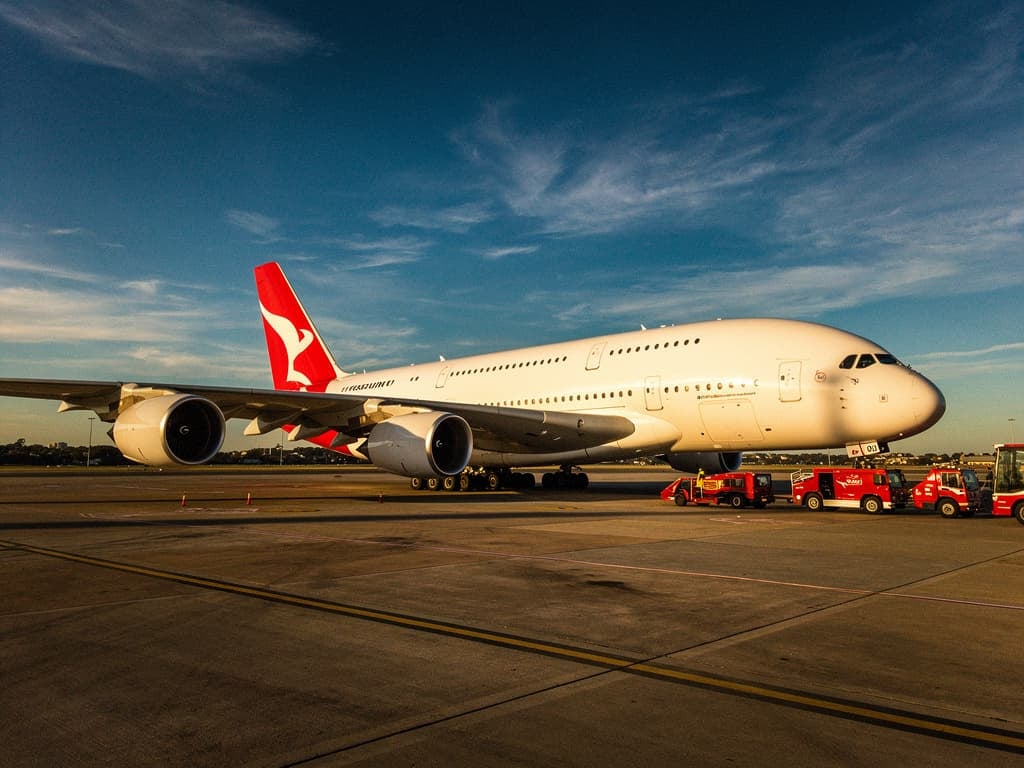
Qantas will begin retiring its 10 remaining Airbus A380s in 2028, four years ahead of schedule, as rising maintenance and fuel costs make the superjumbo commercially untenable. The decision, confirmed in August 2026, will improve net cashflow by approximately A$300 million from fiscal 2028 to 2031, but it spells the end of the airline’s flagship first-class and premium-economy product on key Australia–North America routes.
The first route casualty is Melbourne–Los Angeles, which loses A380 service on October 24, 2026, switching entirely to Boeing 787-9 operations. For premium cabin travelers, that means fewer first-class seats and a different business-class layout starting October 25.
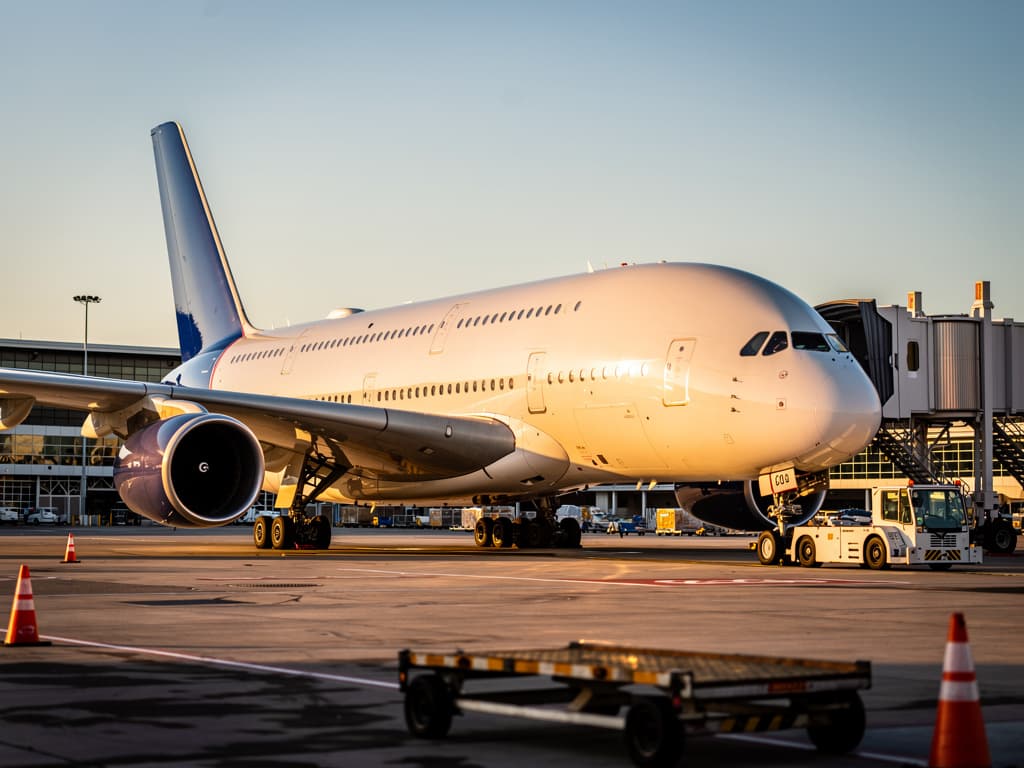
The Airbus A380 is beloved by passengers for its quiet cabin and spacious premium seats, but Qantas has decided that affection doesn’t pay the bills. In August 2026, the airline announced it would accelerate the retirement of its 10 remaining superjumbos, pulling them from service by 2028 instead of the early 2030s. The move underscores a brutal economic reality: maintenance and fuel costs for the out-of-production giant have become too steep, even as travelers clamor for the experience.
Qantas is not just retiring an aircraft; it is reshaping its long-haul network around smaller, more efficient twin-engine widebodies—Airbus A350-1000s and Boeing 787s—that promise better unit economics and a modernized premium cabin. The transition will directly affect the Australia–North America corridor, where the A380 currently flies between Melbourne and Los Angeles, among other routes.
Starting October 25, 2026, that route will shift entirely to the 787-9, a change that eliminates first-class suites and reduces total seat count while potentially expanding business-class and premium-economy availability. For travelers holding bookings or planning award redemptions, the fleet change is already triggering schedule updates and seat-map revisions. Cam Wallace, CEO of Qantas International and Freight, acknowledged the aircraft’s passenger appeal but hinted at its commercial shortcomings, telling investors the A380 has been out of production since 2021 and that supply-chain challenges already loom.
The details
Qantas confirmed the retirement timeline in August 2026, citing maintenance and fuel costs that would otherwise drain cashflow. The airline expects to avoid roughly A$300 million in maintenance expenses between fiscal 2028 and 2031 by grounding the A380s early. Replacement capacity will come from new A350-1000s and 787s, with a stated goal of supporting premium-cabin growth.
The first concrete route change is already set. AeroRoutes reports that Qantas will remove A380 service from Melbourne–Los Angeles on October 24, 2026, and operate all seven weekly flights with the 787-9 from October 25. That means the superjumbo’s first-class suites and larger business-class cabin will disappear from the route months before the broader fleet retirement begins.
| Date | Event | Impact | Status |
|---|---|---|---|
| August 2026 | Qantas announces early A380 retirement | 10 aircraft to exit by 2028; A$300M cashflow benefit | Confirmed |
| October 24, 2026 | Last A380 service on Melbourne–Los Angeles | First-class suites removed from route | Confirmed |
| October 25, 2026 | All MEL-LAX flights switch to 787-9 | 42 business, 28 premium economy, no first class | Confirmed |
| 2028 | Remaining A380s begin retirement | Further route withdrawals expected; A350-1000s to replace | Planned |
| 2027–2028 | First A350-1000 deliveries | Six first-class suites, 52 business-class seats on ultra-long-haul routes | Projected |

Flight deals most people never see
Our AI monitors 150+ airlines for pricing anomalies that traditional search engines miss. Air Traveler Club members save $650 per trip per person on average: see how it works.
Each deal saves 40–80% vs. regular fares:

The value-add
Qantas is not merely retiring an old jet; it is resetting how Australia competes for transpacific premium traffic. The airline will likely protect yield by shifting demand onto fewer, newer widebodies with higher efficiency and less maintenance risk. Over the next 3–12 months, the winning routes will be the ones where Qantas can preserve premium frequency without relying on superjumbo scale; the losers will be routes where first-class scarcity and downgraded aircraft frequency weaken the brand. Air Traveler Club’s analysis of Qantas’ A350 ultra-long-haul configuration details the premium cabin layout that will eventually replace A380 capacity, offering a glimpse of the product consistency—or lack thereof—that travelers can expect.
How to navigate the A380 phase-out on your next Qantas booking
For travelers holding Qantas premium-cabin bookings or planning redemptions on Australia–North America routes, the fleet transition demands immediate attention to aircraft assignments and seat maps.
- Check your flight number now: If you’re booked on Melbourne–Los Angeles after October 24, 2026, your aircraft has likely changed to a 787-9, eliminating first class and altering business-class seat layout. Verify via Qantas’ manage booking tool.
- Lock in A380 first class before the cutoff: Award availability in first class on the A380 is already limited; book by early October 2026 to secure a suite on the final A380-operated flights.
- Reassess upgrade instruments: The 787-9 has fewer premium seats overall, which may tighten upgrade clearance for elite members. Consider using points for confirmed business-class awards rather than relying on waitlists.
- Monitor A350-1000 delivery news: Qantas’ future premium product will center on the A350, with six first-class suites and 52 business-class seats on ultra-long-haul routes. Early booking windows will be critical once those aircraft enter service.
- Watch for additional route changes: Sydney–Los Angeles and other A380 routes could see similar early substitutions. Follow Qantas’ schedule updates closely.
Watch for Qantas’ next network update—expected in early 2027—which will likely detail further A380 route withdrawals and A350 deployment plans.
FAQ
Will Qantas still offer first class after the A380 retires?
Yes, but only on Airbus A350-1000 aircraft, which will feature six first-class suites. The Boeing 787-9 does not have a first-class cabin, so routes served exclusively by 787s will offer only business class as the highest tier.
What happens to my existing booking if my flight switches from A380 to 787?
Qantas will rebook you in the equivalent cabin where possible. First-class passengers will be downgraded to business class and receive a refund of the fare difference. Business and premium economy passengers should see minimal disruption, though seat maps and specific seat assignments may change.
Can I still fly the A380 on Qantas after 2028?
No. All 10 remaining A380s will be retired by 2028. Some may operate until the end of that year, but no A380 flights will be available beyond the retirement window.
Which routes will lose A380 service first?
Melbourne–Los Angeles is confirmed to switch to 787-9 on October 25, 2026. Sydney–Los Angeles and Sydney–Singapore are likely candidates for early withdrawal, but Qantas has not yet announced specific timelines for those routes.
Read more