Summary
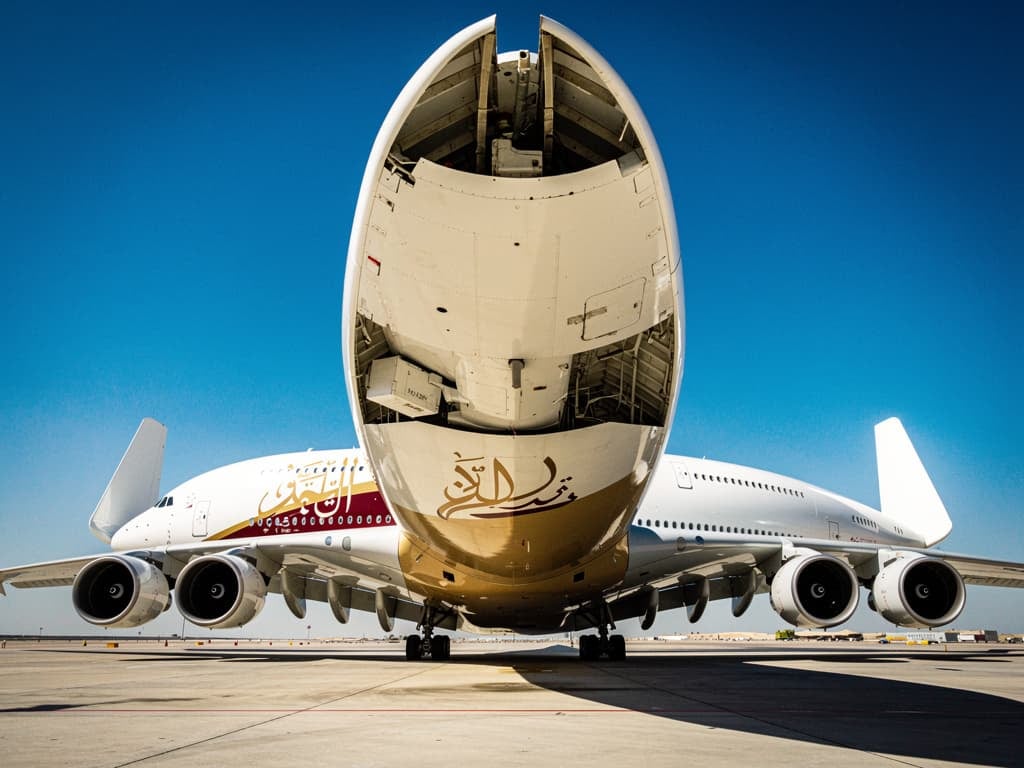
An Emirates A380 carrying 373 passengers was stranded on a remote stand at Hangzhou Xiaoshan International Airport for more than 10 hours without functioning air conditioning after thunderstorms forced a diversion from Shanghai on July 22, 2026. Crew duty limits expired and immigration processing stalled, trapping passengers in rising cabin temperatures well into the following day.
The total ordeal stretched to 17 hours from departure to disembarkation. Emirates has apologized and provided hotel accommodation and onward transport, but the incident exposes serious gaps in diversion readiness at secondary Chinese airports when a superjumbo arrives unannounced.
For the 373 passengers aboard Emirates flight EK302, what should have been a routine late-night arrival into Shanghai Pudong turned into a sweltering, claustrophobic ordeal that stretched across 17 hours. After thunderstorms closed Shanghai, the Airbus A380 diverted to Hangzhou Xiaoshan International Airport — a facility never designed to process an unscheduled widebody arrival of this scale.
The aircraft parked on a remote stand, and the cabin air conditioning failed. With the original flight crew now out of legal duty time and Chinese immigration authorities unable to clear an unexpected international arrival, the superjumbo became a temporary prison. Passengers reported stifling heat, and one social media account suggested a traveler may have fainted — a detail that has yet to be officially confirmed.
For premium cabin travelers on the Dubai–Shanghai route, the incident is a stark reminder that even an airline renowned for its onboard product can falter when operational contingencies unravel. The A380’s very size — a selling point in normal operations — magnified the logistical nightmare, concentrating hundreds of passengers, their baggage, and a complex crew-replacement requirement at an airport with limited international processing capacity.
The timeline of the diversion and ground hold
Flight EK302 departed Dubai on the evening of July 22 and was approaching Shanghai when severe thunderstorms forced a diversion to Hangzhou, roughly 180 kilometers southwest. After landing, the aircraft was directed to a remote stand, and the air conditioning system became inoperative — it remains unclear whether the fault lay with the aircraft’s own systems or with the ground power supply at Hangzhou.
Crew duty limits, governed by UAE and international regulations, expired while the aircraft sat on the ground, making it illegal for the original pilots and cabin crew to continue. A replacement crew had to be sourced, a process that took hours. Simultaneously, immigration and border inspection personnel were not immediately available for the unscheduled arrival, preventing passengers from disembarking into the terminal.
Passengers were eventually allowed off the aircraft after more than 10 hours, and Emirates arranged meals, hotel accommodation in Hangzhou, and ground transport to Shanghai the following day. The airline has publicly apologized and thanked Hangzhou airport and border authorities for their assistance, as confirmed by Shanghai Daily’s reporting.
| Date/Time | Event | Impact | Status |
|---|---|---|---|
| July 22, evening | EK302 departs Dubai for Shanghai | Normal operations | Completed |
| July 22, late night | Diverted to Hangzhou due to thunderstorms | Unscheduled landing at secondary airport | Occurred |
| July 22–23, overnight | Air conditioning fails; crew duty limits expire | Passengers confined on board; cabin temperature rises | Occurred |
| July 22–23, overnight | Immigration processing delays | Disembarkation blocked for 10+ hours | Occurred |
| July 23, morning | Passengers deplane; Emirates provides hotel and transport | Overnight accommodation, onward travel to Shanghai | Completed |

Flight deals most people never see
Our AI monitors 150+ airlines for pricing anomalies that traditional search engines miss. Air Traveler Club members save $650 per trip per person on average: see how it works.
Each deal saves 40–80% vs. regular fares:

Why the A380’s scale turned a weather event into a passenger crisis
The Emirates A380 is the pinnacle of commercial long-haul premium travel, but its very size creates a vulnerability that smaller widebodies avoid. When an unscheduled A380 lands at a secondary airport without pre-arranged international processing, the sheer number of passengers — 373 in this case — overwhelms immigration, baggage handling, and ground services. Competing Gulf carriers like Qatar Airways and Singapore Airlines operate multiple daily frequencies to China with smaller aircraft, giving them more flexibility to rebook premium passengers quickly when disruptions hit.
Air Traveler Club’s analysis of the Kuala Lumpur baggage meltdown earlier this year showed how a single infrastructure failure can cascade into hours-long passenger ordeals — a pattern that now echoes in Hangzhou. For premium travelers, the lesson is that operational recovery can take far longer than the flight delay itself when the diversion airport isn’t equipped for an unexpected international widebody.
How to protect yourself on the Dubai–Shanghai route
For travelers holding bookings on Emirates’ Dubai–Shanghai service — or connecting through Dubai to other Chinese destinations — this incident underscores the importance of proactive disruption planning, especially during summer thunderstorm season.
- Monitor weather and rebooking options early. If severe storms are forecast for Shanghai, check Emirates Manage Booking or contact the airline directly to explore rerouting before departure. Proactive changes can avoid being caught in a diversion altogether.
- Keep all documentation. Boarding passes, delay notifications, and receipts for out-of-pocket expenses are essential for both airline compensation claims and credit card trip delay benefits. Emirates has committed to covering hotel and transport, but retaining records protects you if disputes arise.
- Activate premium card protections before you travel. Review your card’s trip delay and baggage delay coverage thresholds, and know how to file a claim. For this route, a card with robust delay insurance can turn a multi-hour ground hold into a covered expense rather than an out-of-pocket loss.
- Consider booking through a premium travel advisor. Advisors with direct airline liaison desks can often rebook or re-route faster than self-service tools when a diversion strands an entire A380 load of passengers at an unprepared airport.
Watch for any operational changes from Emirates on the Dubai–Shanghai route — if the airline adjusts diversion planning or crew positioning at alternate airports, it will signal that this incident has prompted internal review.
FAQ
What caused the air conditioning failure on the Emirates A380?
The exact cause has not been publicly confirmed. It could be a mechanical fault on the specific aircraft or a failure of the ground power supply at Hangzhou to support cabin cooling systems. Maintenance findings, if released, will clarify whether the issue was aircraft-side or airport-side.
What rights do passengers have when a diversion leads to a prolonged ground hold?
Under international air passenger rights frameworks, airlines are generally required to provide care — meals, accommodation, and onward transport — during significant delays. Emirates provided hotel accommodation and ground transport to Shanghai. Additional compensation may depend on the specific circumstances and applicable regulations, such as EU261 if the flight originated in the EU (which it did not).
Is Hangzhou a common diversion airport for Shanghai flights?
Yes, Hangzhou Xiaoshan International Airport is a frequent alternate for Shanghai Pudong during thunderstorms, especially for widebody aircraft. However, it lacks pre-arranged procedures for handling large unscheduled international arrivals, which contributed to the immigration and processing delays in this incident.
How can I avoid being stuck on a plane for hours after a diversion?
There is no guaranteed way to avoid a ground hold after an unscheduled diversion, but you can reduce the impact by booking flights with airlines that have robust rebooking capabilities at alternate airports, carrying essential items in your carry-on, and ensuring you have travel insurance or premium credit card coverage that activates after a few hours of delay.
Read more