Summary
The diversion of Emirates flight EK302 on July 22 turned into a 17-hour onboard ordeal for 373 passengers and crew after thunderstorms forced the Airbus A380 to land in Hangzhou. With crew duty limits exhausted and a replacement team delayed by heavy rain, passengers endured a cabin air-conditioning failure and emergency services intervention before disembarking at 6 a.m. the following day.
Although Emirates provided hotel accommodation and onward transport, the carrier defended keeping passengers onboard as standard procedure to avoid immigration complications. The A380 remained grounded in Hangzhou for two days.
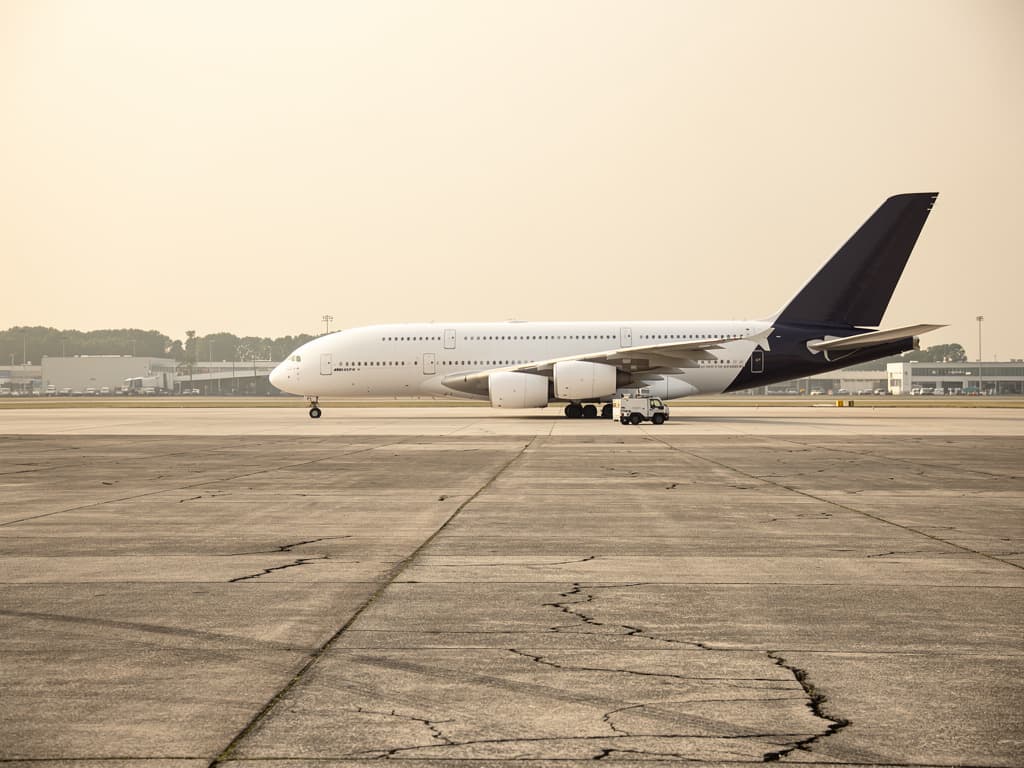
The world’s largest passenger aircraft landed where it wasn’t supposed to, and 373 people found themselves trapped onboard for nearly a full day. What should have been a routine summer diversion became one of the most severe tarmac delay incidents involving a superjumbo in recent memory—revealing how quickly a weather bump can cascade into a passenger-care crisis when an A380 touches down at a secondary Chinese airport.
Emirates Flight EK302 departed Dubai for Shanghai Pudong on July 22, 2026, with full cabins and an experienced crew. After roughly seven hours in the air, the approach into Pudong was blocked by intense thunderstorms. The flight crew elected to divert to Hangzhou Xiaoshan International Airport, a facility with limited experience handling the world’s largest passenger jet.
What followed was a chain of failures that exposed the brittleness of A380 contingency planning. The original crew’s flight duty limits expired, a replacement team battled flooded roads from Shanghai, and when systems were finally restarted, a hidden technical fault grounded the aircraft for another day. For premium travelers accustomed to Emirates’ vaunted onboard product, the gulf between marketing and operational reality was measured in sleepless hours on a steaming tarmac.
The incident impacts not only those on the July 22 service but also raises urgent questions for anyone flying long-haul into China’s storm-prone eastern airports this summer. The disruption window remains relevant for travelers transiting Dubai to Shanghai through early August.
The cascade of failures that kept 373 people stuck
Flight tracking data and official reports confirm that EK302 touched down in Hangzhou late on July 22. The initial plan was straightforward: wait out the weather, refuel if necessary, and complete the short hop to Pudong. But that plan disintegrated within hours. The flight crew had already logged a full Dubai–Shanghai duty cycle, and legal limits on flight time for multi-pilot crews are non-negotiable.
With no pre-positioned replacement crew in Hangzhou, Emirates dispatched pilots and cabin staff from Shanghai. Heavy rain turned the usual three-hour road journey into a five-hour slog. They arrived at the aircraft around 4 a.m. on July 23.
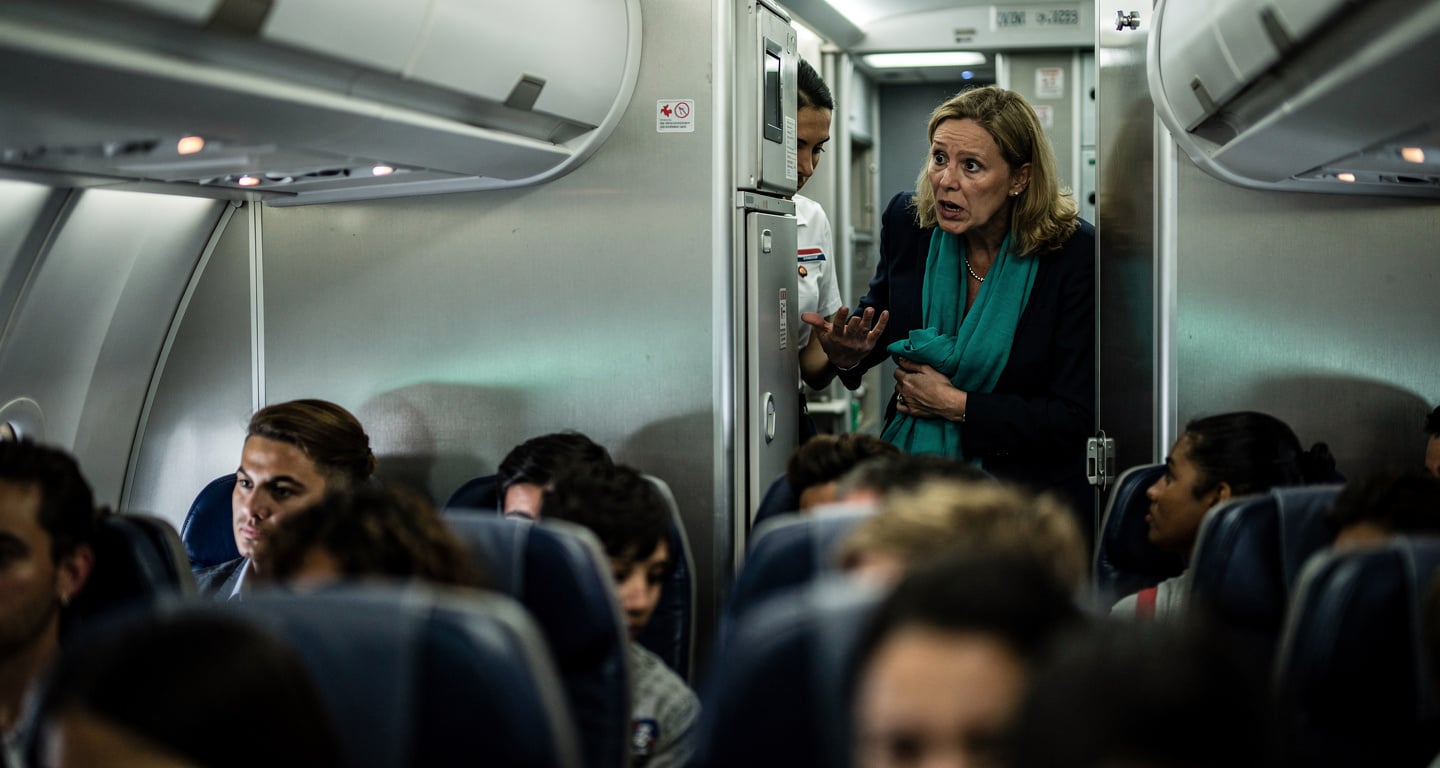
During the wait, the A380’s auxiliary power faltered. The cabin air-conditioning shut down, temperatures rose, and several passengers reported feeling unwell. Emergency medical services were called to the aircraft. Even after the new crew restarted systems and prepared for departure, a previously undetected technical fault prevented takeoff.
At nearly 6 a.m.—roughly 17 hours after landing—passengers were finally permitted to disembark. Those who had paid thousands for business class seats and those in economy alike stumbled into a terminal never designed for an A380’s passenger volume. Emirates confirmed the aircraft remained grounded in Hangzhou for two days before returning to Dubai, and provided hotel accommodation and onward transport to affected passengers.
| Date/Time (local) | Event | Impact | Status |
|---|---|---|---|
| July 22, late evening | EK302 diverts to Hangzhou due to thunderstorms at Pudong | 373 passengers and crew stranded at alternate airport | Diversion completed |
| July 22, night | Crew duty time limit exceeded; replacement crew dispatched from Shanghai | Delay extends; passengers kept onboard | In progress |
| July 23, ~4 a.m. | Replacement crew arrives, restarts systems; technical fault discovered | Takeoff impossible; aircraft grounded | Fault identified |
| July 23, ~6 a.m. | Passengers disembark after 17 hours; transferred to hotels | Immediate passenger care provided; journey to Shanghai arranged | Passenger handling completed |
| July 23–24 | A380 remains in Hangzhou for two days of technical checks | Operational knock-on to Emirates schedule; aircraft freed July 25 | Resolved |

Flight deals most people never see
Our AI monitors 150+ airlines for pricing anomalies that traditional search engines miss. Air Traveler Club members save $650 per trip per person on average: see how it works.
Each deal saves 40–80% vs. regular fares:

Why A380 diversions hit differently
The EK302 incident isn’t merely a weather story—it’s a case study in why the A380’s operational footprint can become its greatest liability. A narrowbody or even a Boeing 777 carrying 250 passengers can be absorbed by a secondary airport with far less friction. Fill every seat on an A380 and you need bussing capacity, immigration processing, and hotel inventory that most alternate airports don’t keep on standby. The result is exactly what unfolded: a temptation to keep passengers onboard, a fragile chain of crew logistics, and a recovery timeline measured in days rather than hours.
Air Traveler Club’s examination of superjumbo operational disruptions highlights how the aircraft’s passenger load amplifies even routine contingencies. When Emirates parked the world’s largest passenger jet at an undersized gate in Hangzhou, the airline effectively parked a small village with no easy way out.
What this ordeal means for future A380 diversions in China
The CAAC is expected to review the handling of this incident. If regulators conclude that passenger care fell short—particularly the decision to keep 373 people onboard through the night—new protocols for international diversions at Chinese secondary airports could emerge. Emirates has not indicated any fleet swap on EK302, but the two-day grounding suggests the airline may now treat Hangzhou as a high-risk alternate during summer thunderstorm months. For travelers, the key takeaway is that premium cabin product does not insulate against ground-side bottlenecks. Watch for a CAAC statement within the next week; any criticism would signal tighter rules that could reshape how Gulf carriers plan for Chinese diversions.
FAQ
Why were passengers kept onboard for 17 hours?
The initial plan was a short wait for weather improvement, but the delay exhausted crew duty limits. Replacement crew faced a five-hour road trip through rain, and after they arrived, a technical fault prevented takeoff. Immigration pre-clearance was not immediately activated, so passengers remained onboard until 6 a.m.
Does Emirates compensate passengers for delays of this length?
Emirates provided hotel accommodation and onward transport to Shanghai. Additional compensation may be available under China’s aviation passenger rights regulations or applicable international rules. Affected travelers can file a claim via Emirates’ official customer relations channel with their booking reference.
What should I do if I have an upcoming booking on EK302?
Check your reservation status on emirates.com for any schedule updates. The incident was a one-off disruption, and EK302 has since resumed normal operations, but monitoring is advisable, especially if you are traveling in early August while fleet positioning stabilizes.
Could this kind of extended tarmac delay happen on other routes?
Rare in such extreme form, but possible anytime a large widebody diverts to an airport without robust handling infrastructure. Summer thunderstorm season in eastern China makes Dubai–Shanghai and similar corridors particularly vulnerable. The incident may prompt Emirates to refine its alternate-airport planning.
Read more