Summary
Delta Air Lines has officially unbundled its premium cabins, launching basic business class and basic first class fares that strip away lounge access, advance seat assignments, and change flexibility — challenging the all-inclusive luxury experience travelers expect. The new fares, effective July 8, 2026, apply to domestic, Latin American, and soon long-haul international routes, with basic business class debuting on transcontinental and Asia-Pacific flights in September 2026.
Basic business class tickets include lounge access through January 18, 2027 as a grace period, but independent analysis suggests the fares are not cheaper than previous lowest business class prices — they simply add restrictions to existing fare buckets, forcing travelers to buy up for full benefits.
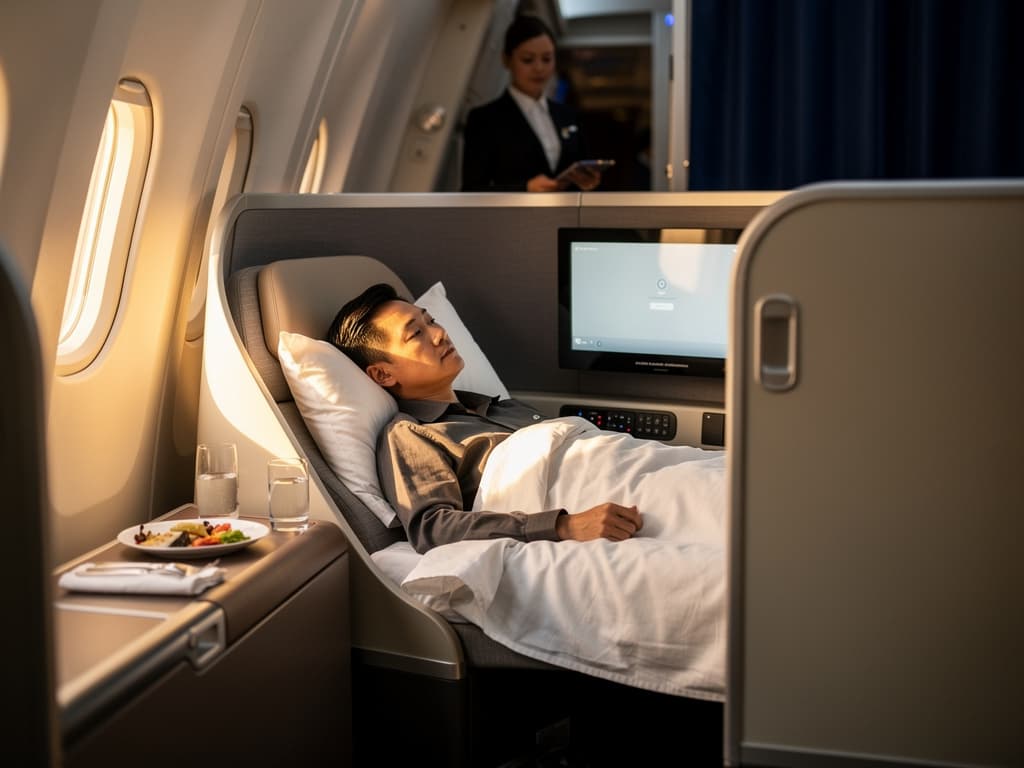
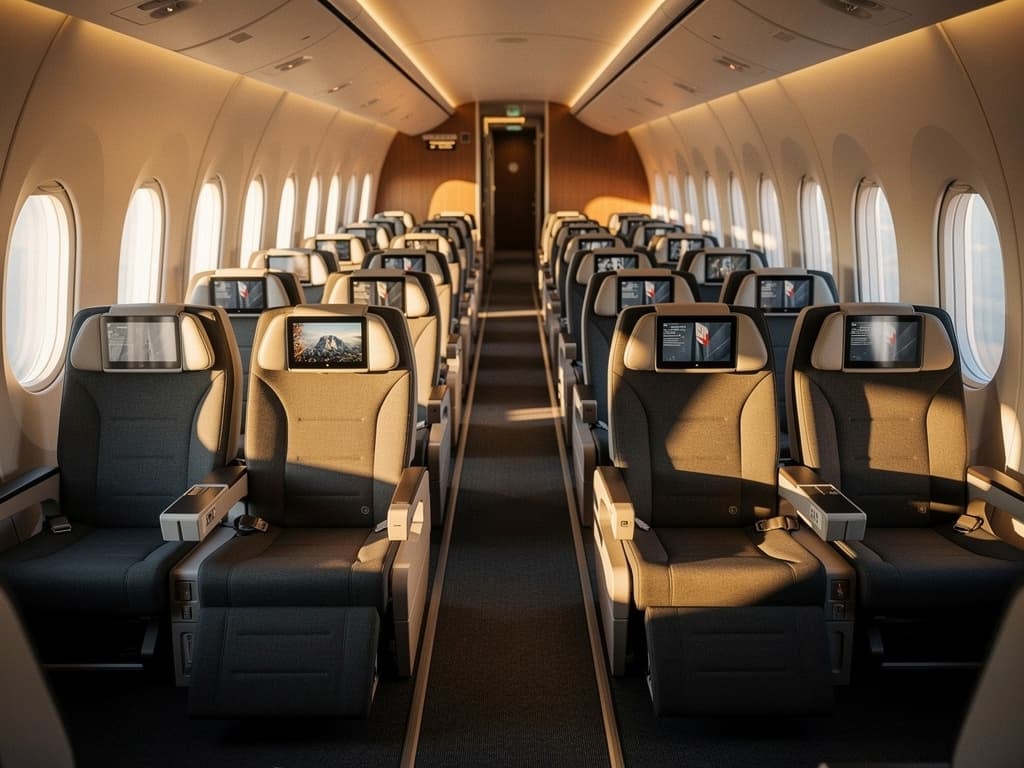
Delta Air Lines began selling basic business class tickets on July 8, 2026, a move that fundamentally redefines how US legacy carriers price premium travel. The new fare — pointedly branded “business class” rather than Delta One — delivers the same lie-flat seat and onboard service but removes the ground experience that defines the premium product.
For travelers booking long-haul routes to Tokyo, Seoul, Shanghai, or Sydney, the change is immediate: the cheapest business class tickets now exclude access to Delta One Lounges and automatic entry to Delta Sky Clubs, unless you hold elite status or a qualifying credit card. Advance seat assignments become a paid extra, mileage earning drops, and same-day changes are prohibited.
Delta’s Chief Commercial Officer framed the move as giving customers more choice, but the industry reality is stark: this is fare segmentation designed to push leisure travelers toward higher-priced tickets. United Airlines introduced a similar unbundled Polaris product earlier, and now Delta has followed, completing the legacy carrier shift toward à la carte premium pricing.
The rollout is staggered. Basic first class is available immediately on select domestic and Latin American flights, while basic business class — the long-haul version — starts in September 2026 for premium transcontinental and international routes. A critical grace period preserves lounge access for basic business class tickets purchased through January 18, 2027, after which the full restrictions lock in.
The details of Delta’s unbundled premium fares
The new basic business class fare sits below Classic Business and full Delta One in Delta’s hierarchy. Onboard, you’ll still find the same suite, dining, and service — but the airport experience is gutted. No complimentary advance seat selection (you can pay or wait until check-in), no automatic Delta Sky Club entry, and no access to the carrier’s flagship Delta One Lounges. Mileage accrual is reduced, and checked baggage allowance shrinks.
Delta confirmed the grace period in its official fare rules: basic business class tickets include lounge access through January 18, 2027, after which the exclusion takes full effect. The airline’s own fare class page now details seat selection policies for Basic experiences, confirming that advance assignments are not included.
The segmentation mirrors what Delta did with economy fares a decade ago and with extra-legroom Comfort+ in late 2025. Now the same logic reaches the front of the plane. Crucially, the new basic fares are not a new, lower price point; they are restrictions layered onto the existing lowest business class fare buckets. That means the cheapest business class ticket you used to buy is now a stripped-down version — and to get what you previously had, you’ll need to pay more.
| Fare type | Cabin | Key restrictions | Lounge access | Mileage earning |
|---|---|---|---|---|
| Basic Business | Long-haul international, premium transcon | No advance seat selection, no free changes, reduced baggage | Included until Jan 18, 2027; excluded thereafter | Reduced |
| Basic First | Domestic, Latin America | No advance seat selection, no same-day changes | Not included | Reduced |
| Premium Select Basic | Select long-haul | No advance seat selection, limited flexibility | Not included | Reduced |

Flight deals most people never see
Our AI monitors 150+ airlines for pricing anomalies that traditional search engines miss. Air Traveler Club members save $650 per trip per person on average: see how it works.
Each deal saves 40–80% vs. regular fares:

Why this isn’t the discount it appears to be
Delta’s basic business class is being marketed as a new way to access premium cabins, but the underlying economics tell a different story. The cheapest business class fares aren’t getting cheaper — they’re getting worse. Industry analysis confirms that basic business class is a segmentation tool, not a genuine price cut. The previous lowest business class fare bucket is now the basic fare, with all the restrictions attached. To regain seat selection, lounge access, and flexibility, travelers must buy up to Classic Business or full Delta One, often at a premium.
Air Traveler Club’s deep dive into United’s Base Polaris fares revealed the same pattern: a $400 round-trip savings came at the cost of zero mileage accrual and no lounge access. Delta’s version follows the same playbook, with the temporary lounge grace period as the only meaningful differentiator. For non-elite travelers, the value proposition erodes quickly — especially on Asia-Pacific routes where lounge access at US hubs is a core part of the premium experience.
How to lock in lounge access before the grace period ends
The January 2027 cutoff creates a clear booking window for travelers who want the full Delta One ground experience at the basic business class price. For non-elite flyers, acting before that date is the only way to avoid losing lounge access on these fares.
- Book by January 18, 2027. Any basic business class ticket issued before that date includes lounge access for travel through the ticket’s validity. This applies even if the flight departs after the cutoff.
- Leverage elite status. SkyMiles Medallion Gold, Platinum, and Diamond members retain lounge access and upgrade priority on basic business class fares regardless of the grace period. If you hold status, the restrictions are largely irrelevant.
- Compare Classic Business pricing. Before accepting basic restrictions, check the fare difference to Classic Business. On some routes, the upcharge may be modest and worth the flexibility and lounge access.
- Use award tickets for full benefits. Award bookings in business class are not subject to basic fare restrictions. If you have SkyMiles to burn, this preserves the complete premium experience.
- Watch for American Airlines’ response. With United and Delta both unbundling, American is the last holdout. A similar move by Q4 2026 could further reshape premium cabin pricing across the US3.
FAQ
What is the difference between Basic Business and Delta One?
Basic Business offers the same lie-flat seat and onboard service as Delta One but excludes advance seat assignments, lounge access, free changes, and full mileage earning. It is branded “business class” to signal the missing ground experience. Delta One fares include all premium benefits.
Will Basic Business fares be cheaper than previous business class fares?
Analysis indicates they are not materially cheaper. The new basic fares are essentially the previous lowest business class fare bucket with restrictions added, so travelers pay the same or more for fewer benefits. Genuine savings have not been confirmed.
Do elite status holders lose lounge access on Basic Business?
No. SkyMiles Medallion Gold, Platinum, and Diamond members retain lounge access and upgrade priority regardless of fare type. Only non-elite travelers lose automatic lounge access on basic business class tickets after the grace period ends.
When does the lounge access grace period end?
Basic business class tickets include lounge access through January 18, 2027. Tickets purchased on or after January 19, 2027, will not include automatic Delta Sky Club or Delta One Lounge access unless the traveler qualifies via elite status or a credit card.
Read more