Summary
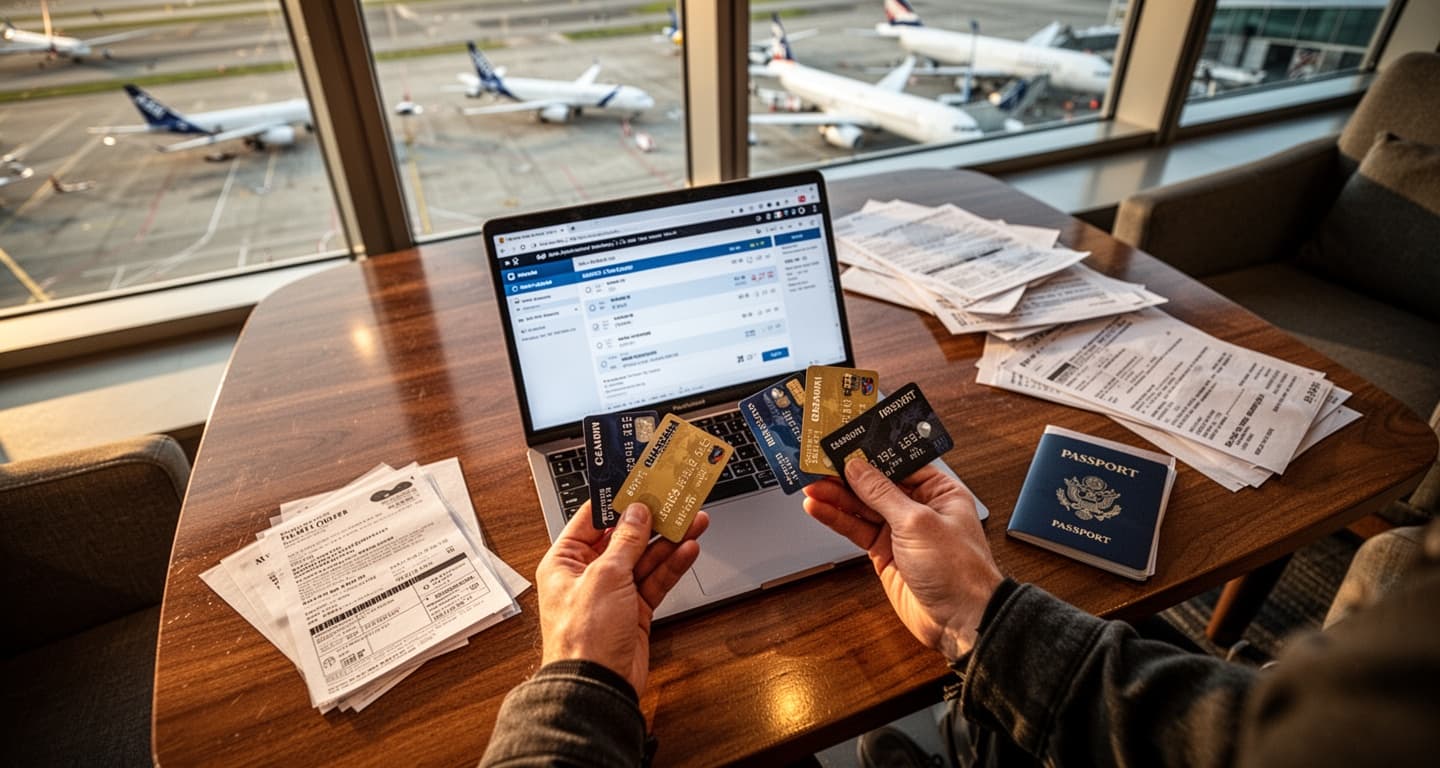
United Airlines now sells Base Polaris business class fares starting at $6,000+ that award zero redeemable miles to MileagePlus general members without a co-branded credit card—while stripping complimentary seat assignments, Polaris lounge access, second checked bags, and all change flexibility. The carrier’s new three-tier premium cabin structure eliminates Premier Qualifying Flights for all passengers on Base fares regardless of elite status, forcing even Premier 1K members to pay $79-149 per segment for advance seat selection on transcontinental and international routes.
Base fares price approximately $400 less round-trip than Standard tickets but deliver no mileage accrual for non-cardholders—a penalty that costs frequent flyers thousands in lost award value annually. The restrictions take effect immediately on select long-haul routes, with broader rollout planned through late 2026.
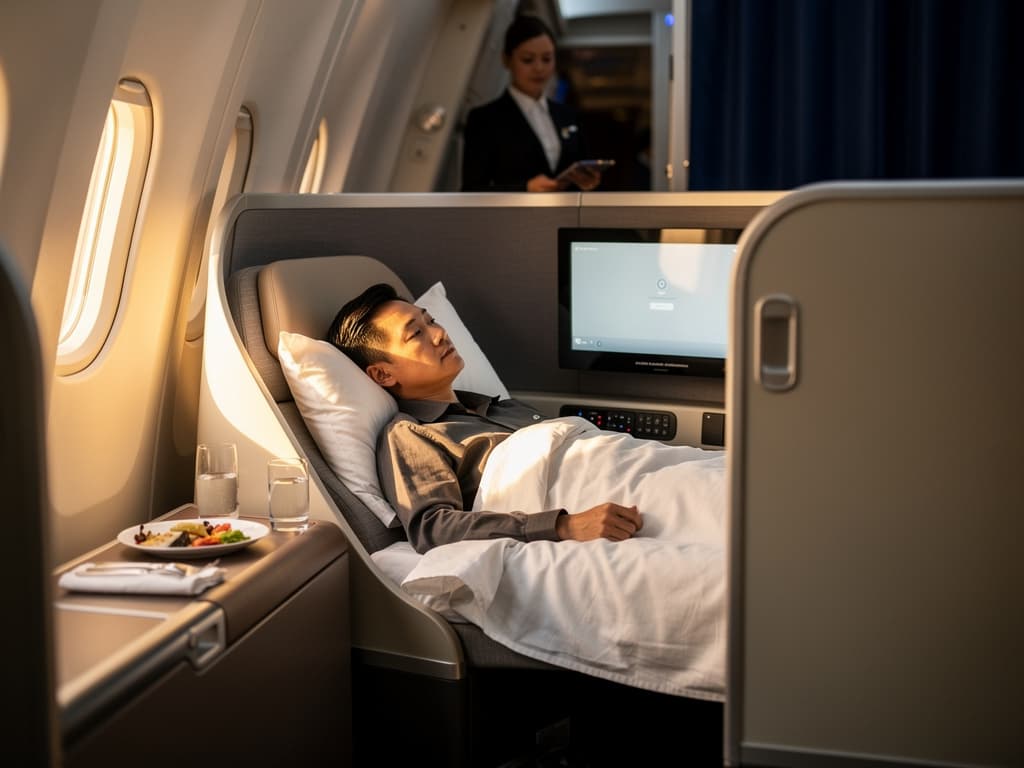
United Airlines has activated sales of its most restrictive premium cabin product in company history. Base Polaris business class tickets—priced from $6,000 to $8,000+ on international routes—now strip benefits that were standard across all business class fare codes for decades.
The three-tier structure divides Polaris and Premium Plus into Base, Standard, and Flexible categories. Base fares eliminate complimentary advance seat assignments, forcing passengers to pay $79-149 per flight segment to reserve specific seats. Second checked bags disappear. Polaris lounge access downgrades to United Club only, even for top-tier elites.
Most punitive: zero redeemable miles for general members without eligible co-branded credit cards. A $6,000 Houston-Buenos Aires round-trip earns nothing—no miles, no Premier Qualifying Flights, only Premier Qualifying Points based on cash spend excluding taxes.
The mileage penalty scales with status but remains severe. Premier Silver members earn 2x miles without a card versus 7x for Premier Platinum cardholders. Even Premier 1K passengers max out at 6x without plastic, down from historical 11x earnings on full-fare business class.
How the restriction structure works
The carrier confirmed Base fares now bookable on united.com for Polaris-equipped flights covering international, transcontinental U.S., and long-haul Hawaii routes. Inventory appears limited but available year-round where offered, mirroring basic economy’s controlled distribution.
Base tickets exclude change and cancellation rights entirely—no rebooking, no refunds, no exceptions. Upgrades to Polaris Studio seats (the carrier’s premium lie-flat product with direct aisle access) remain blocked. Passengers receive one checked bag versus two on Standard fares.
| Status tier | Without United card | With eligible card | Historical J-class rate |
|---|---|---|---|
| General member | 0x | 3x | 5x |
| Premier Silver | 2x | 5x | 7x |
| Premier Gold | 3x | 6x | 8x |
| Premier Platinum | 4x | 7x | 9x |
| Premier 1K | 6x | 9x | 11x |
Seat assignment fees range from $79 for standard window/aisle positions to $149 for preferred forward cabin locations. The carrier charges per segment—a three-leg itinerary requiring seat selection on each flight costs $237-447 in additional fees beyond the base ticket price.

Flight deals most people never see
Our AI monitors 150+ airlines for pricing anomalies that traditional search engines miss. Air Traveler Club members save $650 per trip per person on average: see how it works.
Each deal saves 40–80% vs. regular fares:

The competitive context
No U.S. carrier currently matches this restriction level in premium cabins. Delta Air Lines maintains full mileage accrual and lounge access across all Delta One fare classes, with 10x base earning for SkyMiles members. American Airlines bundles Flagship Business lounge access and two checked bags as standard on all business class tickets, though the carrier recently stripped elite benefits from basic economy fares starting May 18.
United’s Base pricing sits approximately $400 less round-trip than Standard fares on tested routes—a Houston-Buenos Aires example showed $6,000 Base versus $6,400 Standard. But the $400 discount disappears when accounting for mandatory seat fees and lost mileage value.
The carrier introduced basic economy in 2018 with zero PQF earning for general members, expanding restrictions by early 2026 to eliminate redeemable miles entirely without credit card spend. Premium cabins now mirror this framework—the first time a U.S. carrier has applied basic economy-style penalties to business class products priced above $5,000.
What this means for your bookings
Base fares target price-sensitive corporate travelers and leisure passengers willing to sacrifice flexibility for lower upfront costs—but the math rarely favors Base selection for anyone earning miles.
- Avoid Base fares unless paying cash with no loyalty program participation. The $400 round-trip discount gets consumed by seat fees and lost mileage value for anyone tracking MileagePlus balances or requalification progress.
- Standard fares deliver 3-5x better value for frequent flyers. The $200 per direction premium restores full lounge access, complimentary seat assignments, two checked bags, and 5-11x mileage earning depending on status.
- Award bookings remain unaffected currently. MileagePlus redemptions continue booking into Standard or Flexible inventory with full perks—no indication the carrier plans tiered award space, though that risk exists if Base fares gain traction.
- Existing reservations require immediate review. Contact United Reservations at 1-800-864-8331 within 24 hours if booked into Base inventory unknowingly—the carrier may offer rebooking to Standard within the original 24-hour purchase window, though no formal waiver policy exists.
- Monitor competitor responses through Q4 2026. If United’s premium load factors hold steady despite restrictions, expect Delta and American to test similar unbundling by year-end.
Watch United’s Q2 2026 earnings call in July. If premium cabin revenue per available seat mile drops or load factors decline more than 5 percentage points, the carrier may adjust Base earning rates or restore limited benefits to protect demand.
FAQ
Can I upgrade a Base fare to Standard after booking?
Base fares prohibit all changes and cancellations. No upgrade path exists to Standard or Flexible inventory post-purchase. You must cancel and rebook at current pricing, forfeiting the original ticket cost entirely.
Do award tickets book into Base fare inventory?
MileagePlus award redemptions currently book into Standard or Flexible fare classes with full benefits including lounge access, complimentary seat assignments, and two checked bags. No indication exists that the carrier plans tiered award space, though this could change if Base fares prove profitable.
Which United credit cards qualify for the mileage earning bonus on Base fares?
Eligible cards include the United Quest, Club Infinite, and Business cards with annual fees. The no-annual-fee Gateway card and debit card do not qualify unless meeting steep minimum spending thresholds. Cardholders earn 3-9x miles on Base fares depending on elite status.
Will other airlines match United’s Base fare restrictions?
Delta and American have not announced similar premium cabin unbundling as of April 2026. Industry analysts expect competitive responses by Q4 2026 if United’s Base fares maintain profitability without significant demand erosion. Historical patterns show U.S. carriers typically match restrictive policies within 6-12 months.
Read more