Summary
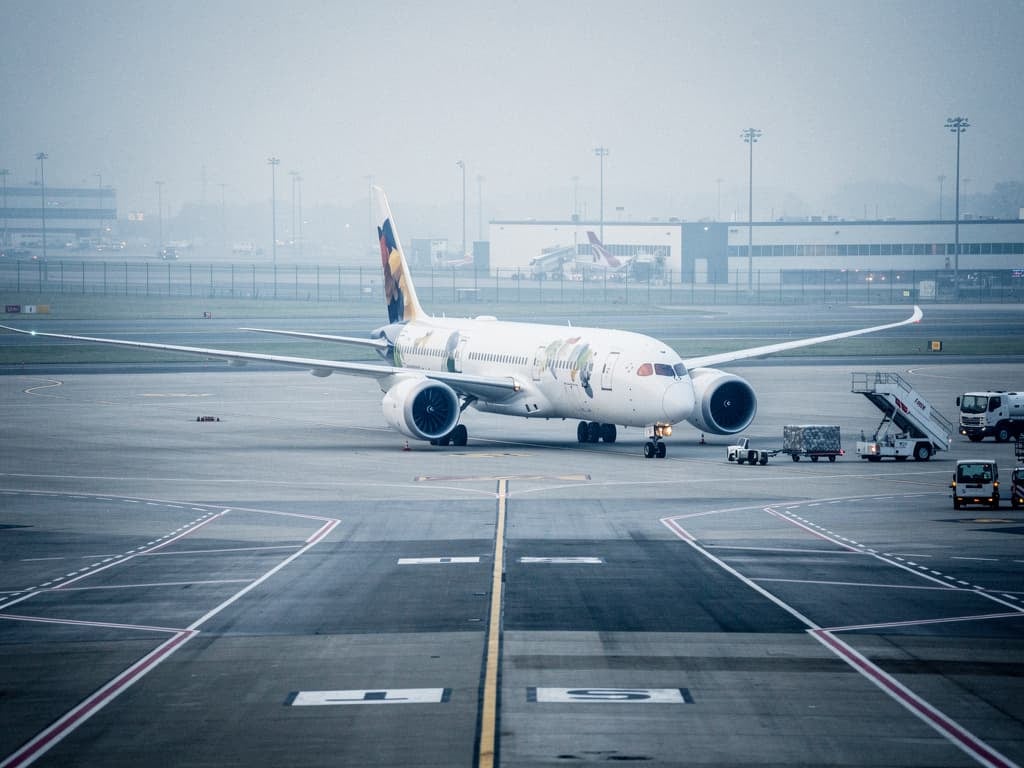
An American Airlines Boeing 787-9 Dreamliner operating flight AA719 from Rome to Philadelphia made an emergency diversion to Dublin on July 25 after six of the eight flight attendants simultaneously reported dizziness and illness over the Atlantic. The aircraft, carrying approximately 284 passengers, landed safely, but with no replacement crew available the onward Philadelphia segment was cancelled, stranding everyone in Ireland.
The cause of the mass crew sickness remains unconfirmed, with investigators yet to determine whether a cabin air system fault, chemical leak, or other factor triggered the event. Passengers on this transatlantic route face immediate rebooking challenges as American Airlines scrambles to recover the operation.
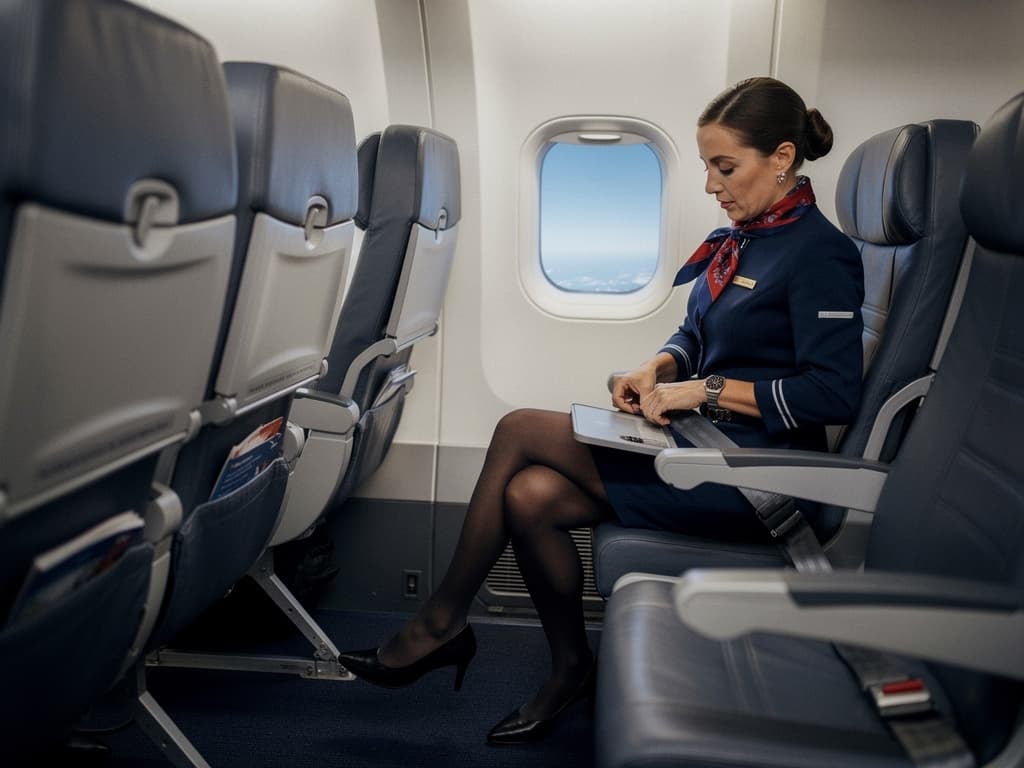
What began as a routine eight-and-a-half-hour crossing turned into a high-stakes medical emergency on Saturday afternoon when the pilots of American Airlines flight AA719 abruptly turned their Boeing 787-9 toward Dublin. Six flight attendants — three-quarters of the cabin crew — had fallen ill almost simultaneously, leaving the aircraft without enough healthy crew to continue safely to Philadelphia.
The aircraft had departed Rome Fiumicino just before 1 p.m. local time and was cruising at 38,000 feet over the Atlantic when the decision was made. Flight tracking data shows the jet veered north toward Ireland roughly three hours into the flight, with the crew declaring a medical emergency to air traffic control. The exact nature of the illness — whether hypoxia from a faulty air conditioning pack, a chemical leak from a cleaning product, or something else entirely — remains unknown.
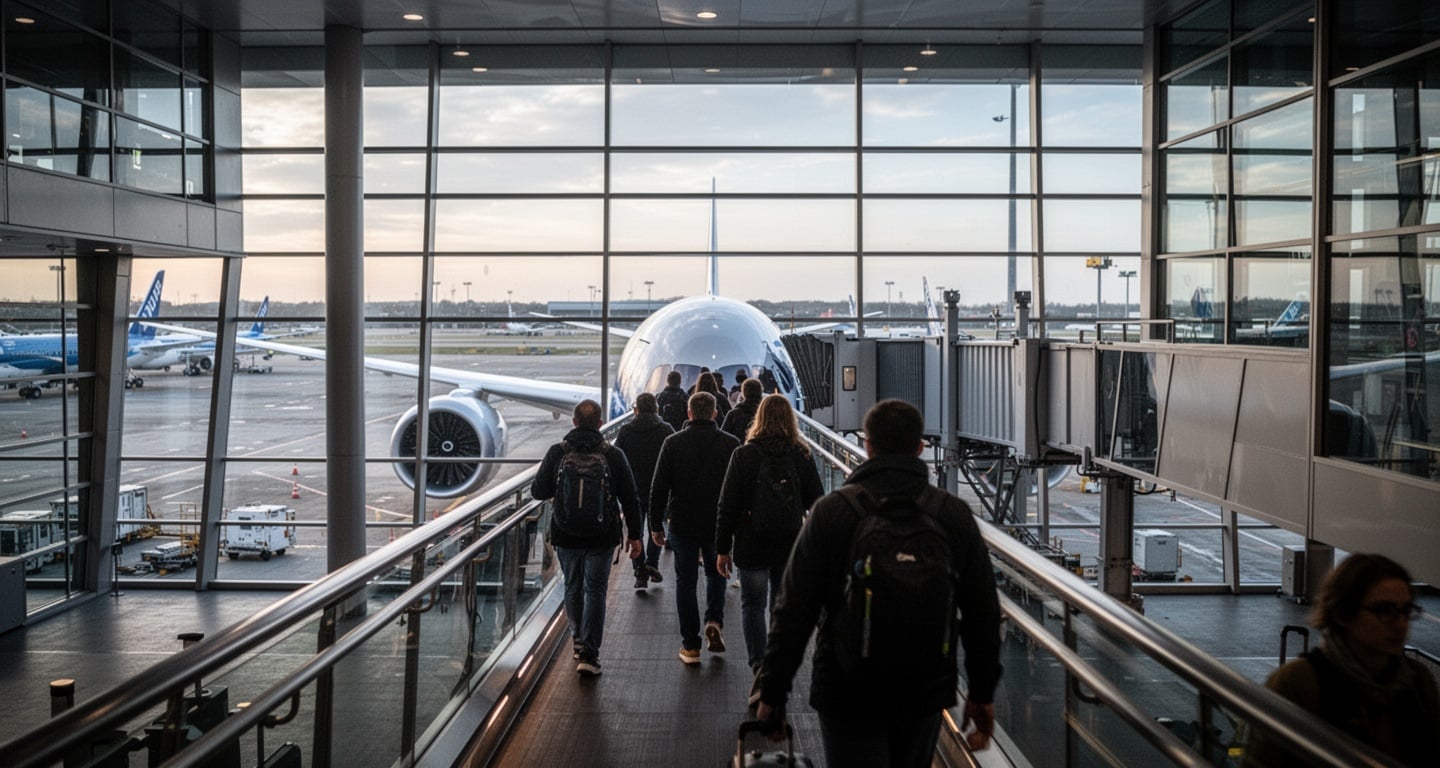
For the 284 passengers on board, the safe landing in Dublin was only the beginning of the disruption. With no replacement crew stationed in Ireland and the cause of the sickness still a mystery, American Airlines cancelled the onward leg to Philadelphia. Passengers were left stranded, their transatlantic journeys severed mid-route.
The incident immediately raises questions about cabin environmental safety on the 787, an aircraft that does not use engine bleed air for pressurization — making a traditional fume event less likely. Instead, attention turns to the air conditioning packs that supply cabin air. A partial failure could reduce oxygen levels enough to trigger dizziness and light-headedness, particularly among physically active crew members running a meal service. An alternative scenario, drawn from a strikingly similar 2018 American Airlines diversion, involves a spilled industrial cleaning solution releasing noxious vapors.
American Airlines has not yet issued a statement on the cause, and the crew illness reports remain unconfirmed by official sources. The airline’s transatlantic network, heavily used by premium-cabin travelers between Europe and the U.S. East Coast, now faces scrutiny over how it handles the operational fallout and passenger care.
What flight data and reports reveal
Flight AA719 pushed back from Rome Fiumicino just before 1 p.m. on July 25, bound for Philadelphia International. The seven-year-old 787-9, registration not yet publicly confirmed, climbed to cruise altitude and tracked northwest over France before heading out over the Atlantic. About three hours into the flight, the aircraft made an abrupt turn toward Ireland and descended toward Dublin Airport, where it landed safely on Saturday afternoon.
The crew illness narrative, first reported by an aviation insider on social media and later detailed by a premium travel publication, indicates that six of the eight flight attendants began feeling dizzy and unwell simultaneously. While none were incapacitated, the pilots determined the flight could not continue with so few healthy crew members. A conflicting account from an aviation tracking site described the diversion as a response to a passenger medical emergency, underscoring the lack of official clarity. No passengers were reported injured.
The 787’s bleedless architecture eliminates the risk of engine oil contaminants entering the cabin through the air system, but it does not rule out other environmental hazards. A malfunctioning air conditioning pack could reduce cabin oxygen levels subtly — enough to affect crew members exerting themselves during service but not necessarily to trigger a depressurization warning. The 2018 London–Philadelphia diversion, caused by a bottle of industrial cleaner left in a lavatory, shows how quickly a chemical spill can incapacitate crew.
| Time (local) | Event | Impact | Status |
|---|---|---|---|
| 12:50 p.m. | AA719 departs Rome Fiumicino | Routine transatlantic service | Completed |
| ~3 hours into flight | Pilots declare medical emergency, divert to Dublin | Flight path altered; crew illness reported | Confirmed by flight tracking |
| Saturday afternoon | Aircraft lands safely in Dublin | 284 passengers disembark; no injuries | Confirmed |
| Post-landing | Onward Philadelphia segment cancelled | Passengers stranded; no replacement crew available | Confirmed by airline operations |
| Ongoing | Cause of crew illness under investigation | Potential regulatory review | Unconfirmed; AA silent |

Flight deals most people never see
Our AI monitors 150+ airlines for pricing anomalies that traditional search engines miss. Air Traveler Club members save $650 per trip per person on average: see how it works.
Each deal saves 40–80% vs. regular fares:

Why this diversion matters for transatlantic travelers
When a widebody goes tech or a crew falls ill mid-Atlantic, the operational ripple effects hit premium-cabin passengers hardest. Business-class flyers on AA719 faced not just a delay but a full cancellation with no immediate replacement aircraft, forcing rebooking onto later flights — potentially in lower cabins — and unplanned overnight stays in Dublin. American’s duty-of-care obligations under EU261 and its own policies will be tested as it accommodates stranded passengers.
The 787’s unique air system means this event won’t trigger the kind of fleet-wide fume-event scrutiny that bleed-air aircraft sometimes face, but it does put a spotlight on cabin environmental monitoring. Air Traveler Club’s analysis of a United 787 diversion earlier this year — caused by an electrical smell — highlights how even new-generation jets can experience cabin air anomalies that disrupt operations. For now, the absence of an official cause leaves travelers with uncertainty and a reminder that in-flight medical emergencies can cascade into journey-derailing cancellations.
What the investigation timeline means for 787 operations
The Irish Air Accident Investigation Unit (AAIU) has not yet confirmed whether it will open a formal inquiry, but any crew incapacitation event on a commercial flight typically draws regulatory attention. If investigators identify a mechanical cause — such as an air conditioning pack malfunction — expect a service bulletin or airworthiness directive that could affect 787 operators globally. A finding of chemical contamination would likely trigger procedural reviews at American Airlines and its ground-handling contractors.
For now, the incident remains a single-aircraft event with no immediate fleet-wide implications. Travelers booked on American’s transatlantic 787 services should monitor the airline’s app for rebooking updates and watch for any official statement in the next 24 to 72 hours. If the cause is traced to a maintenance or procedural lapse, the operational impact could widen.
FAQ
What caused the six flight attendants to fall ill on AA719?
The cause remains unconfirmed. Possible explanations include a partial failure of an air conditioning pack leading to reduced cabin oxygen levels, or a chemical leak from a cleaning product — similar to a 2018 American Airlines incident. The Boeing 787’s bleedless air system makes traditional fume events unlikely.
How were the 284 passengers accommodated after the Dublin diversion?
American Airlines cancelled the onward Philadelphia segment and was responsible for rebooking passengers on alternative flights and providing hotel accommodations. Details of the specific reaccommodation have not been released, but EU261 regulations entitle passengers to care and compensation depending on the circumstances.
Is this a recurring problem with the Boeing 787 Dreamliner?
No pattern of cabin-air defects has been established for the 787. The aircraft’s bleedless architecture eliminates engine bleed-air contamination risks, but air conditioning pack issues can occur on any aircraft type. Prior American Airlines 787 diversions include a 2018 chemical spill and an unrelated mechanical issue.
What should I do if I’m booked on a future American Airlines 787 transatlantic flight?
Monitor your flight status through the American Airlines app and ensure your contact information is up to date. If you hold a premium credit card, review your trip delay and cancellation benefits. No operational changes to the 787 fleet have been announced as a result of this single event.
Read more