Summary
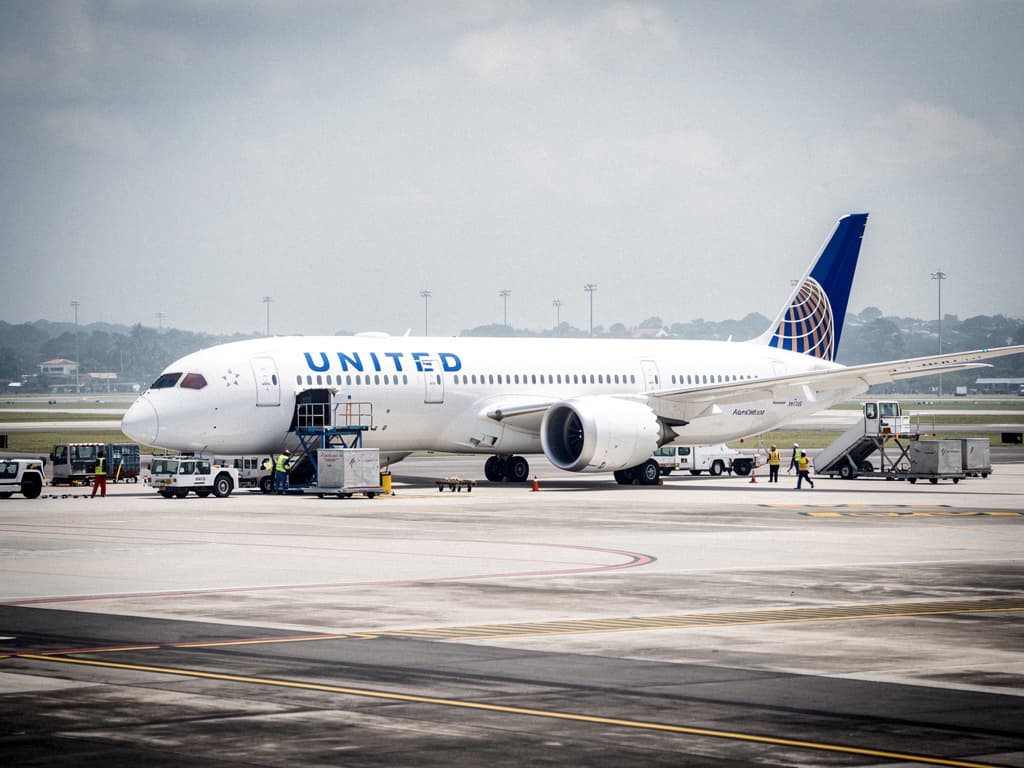
United Airlines‘ brand-new Boeing 787-9 Dreamliner (registration N61101) — the first aircraft configured with the carrier’s next-generation Elevated experience, including 56 Polaris Business Class suites and eight Polaris Studio seats — made an emergency return to Singapore’s Changi Airport on April 24, 2026, less than two hours after departing as flight UA-2 bound for San Francisco, after an electrical smell began permeating the cabin. The aircraft has since been ferried empty back to San Francisco on a non-routine flight number pending engineering inspection.
United confirmed the cancellation of UA-2 citing a maintenance issue but has released no further technical details. The aircraft is not currently scheduled to operate any revenue flights while engineers investigate the source of the odor.
The timing could hardly be more conspicuous. United Airlines‘ most significant premium aircraft in years — the first Boeing 787-9 configured with the airline’s Elevated experience — had completed just its first-ever transpacific crossing before being forced back to Singapore’s Changi Airport with an electrical smell filling the cabin.
Flight UA-2, departing Singapore at approximately 9:30 am local time on April 24, was airborne for less than two hours before the flight crew requested an immediate return. The aircraft entered a holding pattern — likely to reduce landing weight by burning fuel — before touching down safely. No injuries have been reported.
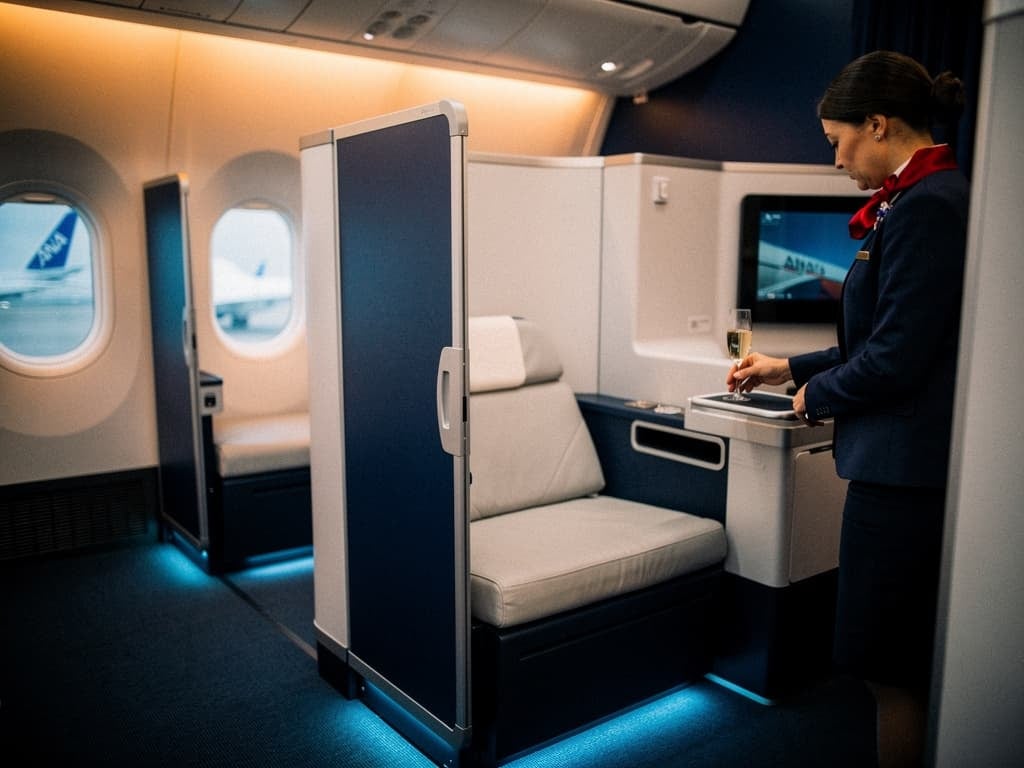
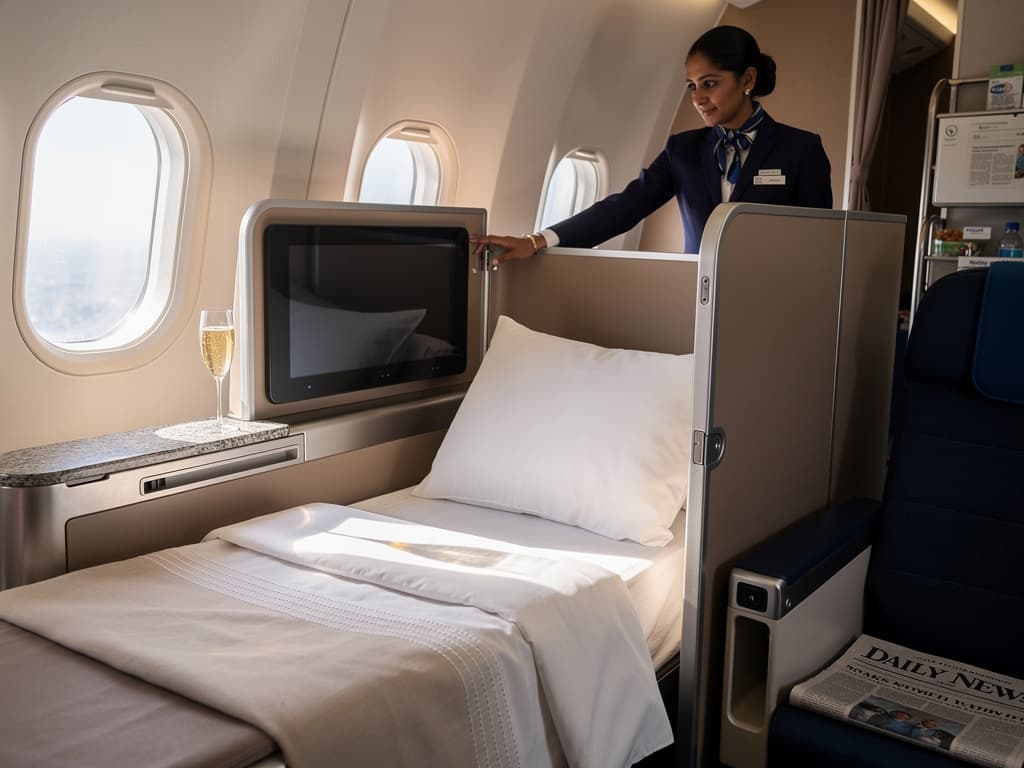
The incident grounds what is arguably the most premium-dense widebody currently operated by a U.S. carrier. N61101 carries 56 Polaris suites with sliding privacy doors, eight Polaris Studio seats positioned as a business-class-plus tier, 35 Premium Plus seats, and just 123 economy positions — making it a premium-heavy configuration unlike anything previously in United’s fleet. The aircraft had entered commercial service on March 29, 2026, operating domestic routes from San Francisco before its inaugural transpacific departure as UA-1 on April 22.
What happened on UA-2 out of Singapore
N61101 arrived at Changi Airport on the morning of April 24 after the 16-hour westbound crossing from San Francisco — a journey that crosses the international date line, meaning the aircraft departed April 22 and arrived April 24. After a brief ground stop of just a few hours, it pushed back as UA-2 for the return leg.
The electrical smell emerged shortly after takeoff. Initial suspicion centered on the aircraft’s GEnx engines, which power the 787-9 variant. Ground engineers in Singapore attempted to replicate the odor with the aircraft stationary — a standard diagnostic procedure — but were unable to clear the aircraft within the operational window available.
United explored an aggressive recovery plan: ferry the aircraft to Honolulu, where a fresh crew would be pre-positioned to complete the SFO leg, sidestepping crew duty-hour limits. That plan was ultimately abandoned when Singapore-based engineers couldn’t certify the aircraft in time. The flight was cancelled, and N61101 was subsequently ferried back to San Francisco — without passengers — on a non-routine flight number, confirming the aircraft is being returned to its home engineering base rather than resuming commercial service.
The airline confirmed the cancellation was due to a maintenance issue. No further technical disclosure has been made as of publication.
| Date | Flight / Event | Status | Notes |
|---|---|---|---|
| April 22, 2026 | UA-1 SFO→SIN (inaugural transpacific) | Completed | First international revenue flight for N61101 |
| April 24, 2026 (~6:50 am) | Arrival at Singapore Changi | Completed | 16-hour crossing; date line crossing accounts for two-day span |
| April 24, 2026 (~9:30 am) | UA-2 SIN→SFO departure | Diverted — cancelled | Electrical smell in cabin; returned to Changi <2 hours after takeoff |
| April 24–25, 2026 | Ground investigation, Singapore | Inconclusive | Engineers unable to replicate or clear odor; Honolulu relay plan abandoned |
| April 25, 2026 | Ferry flight SIN→SFO (non-revenue) | In progress at publication | Non-routine flight number; no passengers; engineering review pending at SFO |

Flight deals most people never see
Our AI monitors 150+ airlines for pricing anomalies that traditional search engines miss. Air Traveler Club members save $650 per trip per person on average: see how it works.
Each deal saves 40–80% vs. regular fares:

A pattern worth watching on the 787 fleet
This is not the first time a United Airlines 787-9 has returned to base with an electrical odor complaint. In January 2025, a separate 787-9 (registration N29985, operating as UAL1900 on the SFO-EWR route) declared an emergency during climb after crew reported a smoke smell in the cabin, returning to San Francisco without incident. No fire was identified in either case — the odor alone triggered the precautionary returns, which is standard protocol.
The broader 787 fleet has seen similar diversions across operators. A prior United 787 diversion to a remote Pacific island after a smell report underscores that these incidents, while alarming to passengers, tend to resolve as isolated maintenance findings rather than systemic fleet issues. The GEnx engine — the powerplant on United’s 787-9s — has a documented history of bleed-air and seal-related odor events, though investigators have not confirmed engine involvement in the April 24 incident.
What distinguishes this case is the aircraft involved. N61101 is not a routine 787-9 — it is the lead aircraft for United’s Elevated program, a configuration the airline has positioned as its answer to Qatar Airways‘ Qsuite and Singapore Airlines‘ suite products on transpacific routes. Air Traveler Club’s coverage of the Elevated 787-9 launch details the full cabin specification — including the eight front-row Studios with 27-inch 4K OLED screens and Ossetra caviar service — that was aboard when the diversion occurred.
What the N61101 investigation timeline means for SFO-SIN bookings
The next two weeks will determine whether this incident is a contained maintenance finding or the opening chapter of a more complex story for United’s premium fleet expansion.
- Monitor N61101’s return to service: If United’s SFO engineering team clears the aircraft by approximately May 1, that signals a minor, isolated fault — likely a seal or sensor issue — and the Elevated rollout continues on schedule. A grounding extending beyond 10 days suggests a more complex investigation, potentially involving GEnx engine inspections across multiple airframes.
- Verify your aircraft type before flying UA-1 or UA-2: Use FlightAware’s registration search to confirm whether N61101 or a substitute is assigned to your departure. A 777-200ER substitution means a fundamentally different cabin — check the seatmap at booking and again 72 hours before departure.
- Award holders should act now: MileagePlus award space on SFO-SIN is historically tight. If your booking is cancelled due to equipment substitution and the replacement aircraft doesn’t carry the cabin class you booked, request a fee-free redeposit and monitor for N61101’s return rather than accepting a downgraded cabin.
- Watch for FAA involvement: If investigators determine the odor source implicates a systemic component — engine bleed-air ducting, electrical bus architecture, or cabin air recirculation — expect an Airworthiness Directive covering the broader 787-9 GEnx fleet. That would extend well beyond United’s operation.
Watch: United’s next scheduled operation for N61101 and any maintenance release statement from the airline’s engineering division in San Francisco will be the clearest early signal of scope.
FAQ
Was the UA-2 diversion on April 24 declared a full emergency?
The flight crew requested an immediate return to Singapore after detecting an electrical smell in the cabin. The aircraft entered a holding pattern before landing. United has not publicly characterized the event as a declared emergency, though precautionary returns of this type are treated as priority landings by air traffic control regardless of formal emergency declaration status.
What is the difference between the Polaris Studio seats and standard Polaris suites on N61101?
The eight Polaris Studio seats occupy the front row of the business cabin and are positioned as an enhanced tier above the standard 56 Polaris suites. Studios offer larger seat dimensions, additional legroom, upgraded in-flight service including Ossetra caviar, 27-inch 4K OLED screens, and quartzite side tables. Standard Polaris suites feature sliding privacy doors and direct aisle access in a 1-2-1 configuration — already a significant upgrade over United’s legacy 2-2-2 Polaris layout on older aircraft.
Are passengers affected by the UA-2 cancellation entitled to compensation beyond rebooking?
Under United’s Contract of Carriage, mechanical cancellations entitle passengers to rebooking on the next available flight at no charge or a full refund. U.S. Department of Transportation rules require cash refunds for cancelled flights when passengers opt not to rebook. EU261/2004 compensation — which can reach €600 per passenger — may apply if the departure was from Singapore and the passenger holds an EU-issued ticket, though this depends on the operating carrier’s jurisdiction and ticket origin. Passengers should contact United directly and document all out-of-pocket expenses incurred due to the cancellation.
Has United identified the cause of the electrical smell?
As of publication, United has confirmed only that UA-2 was cancelled due to a maintenance issue. Engineers in Singapore were unable to replicate the odor during ground testing, and the aircraft has been ferried to San Francisco for further inspection. Initial suspicion focused on the GEnx engines, but no official cause has been identified or disclosed.
Read more