Summary
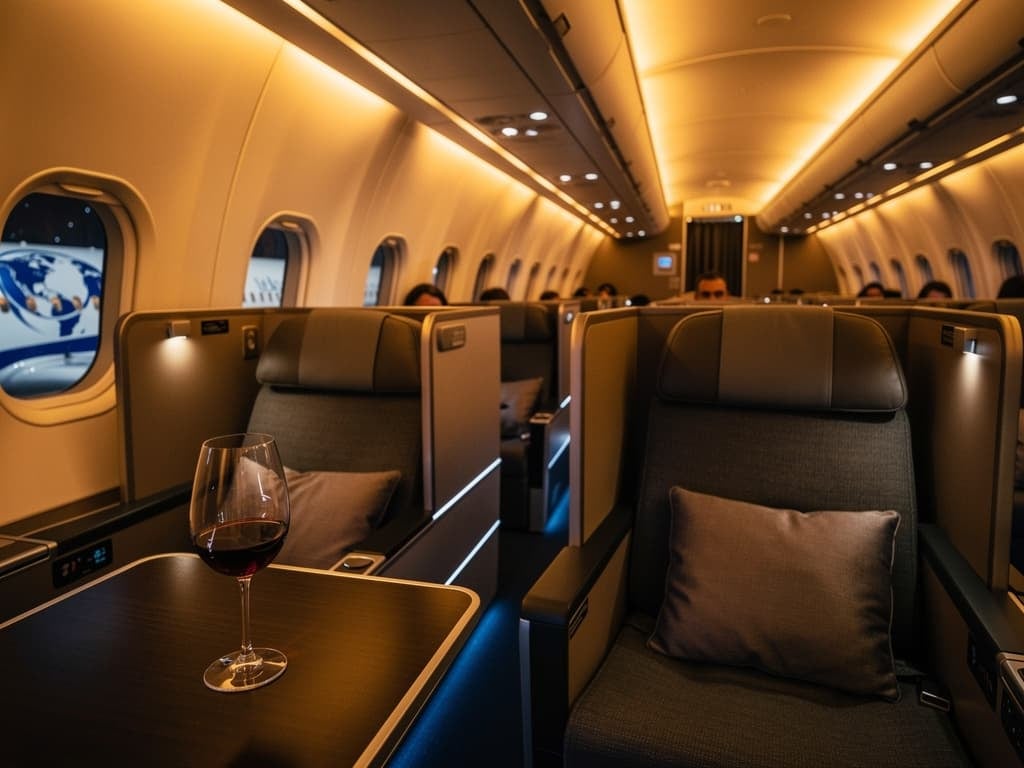
United Airlines will add over 250 aircraft by April 2028, doubling premium seats on key international routes with fully-reclining Polaris business class featuring privacy doors, caviar service, and the largest entertainment screens among U.S. carriers. The Airbus A321XLR replaces Boeing 757s with 32 premium seats versus current 16, while new Coastliner aircraft offer 20 Polaris plus 12 Premium Plus seats on transcontinental routes.
The MileagePlus loyalty overhaul effective April 2, 2026 prioritizes high-spending cardholders, reshaping value for Premier 1K and Global Services members. United’s 60% international revenue concentration positions it ahead of Delta and American in premium yield during fuel volatility.
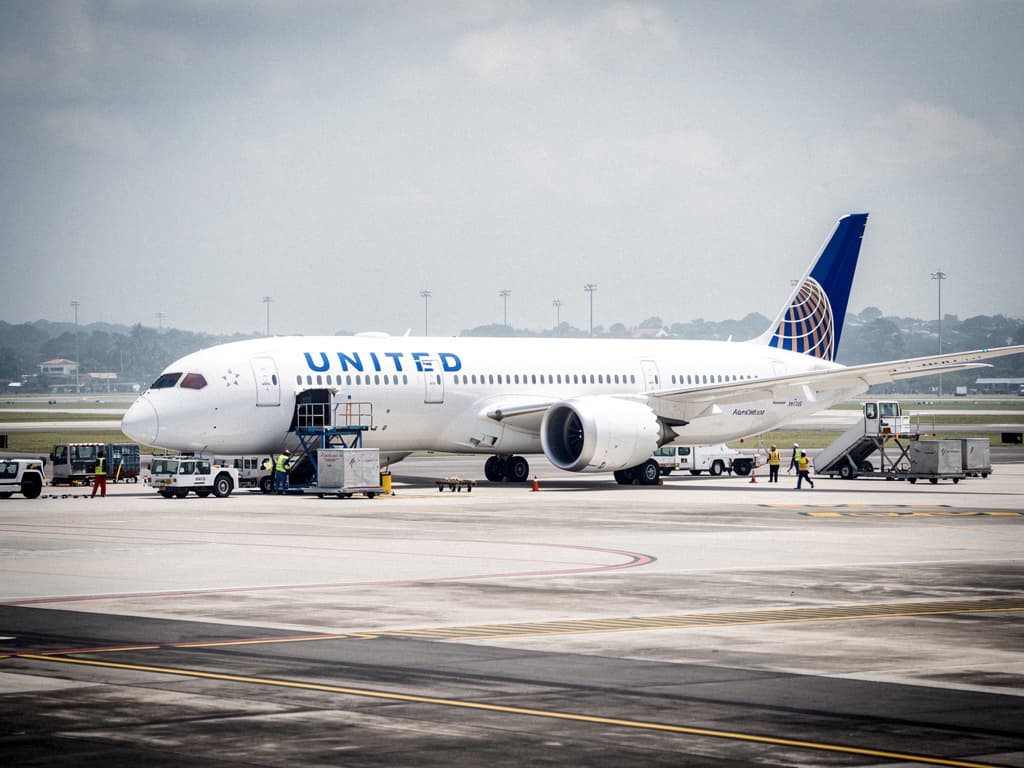
United’s fleet expansion represents the aviation industry’s most aggressive premium capacity bet since pandemic recovery. The carrier is taking delivery of 20 Boeing 787-9 Dreamliners in 2026 alone, supporting a strategic shift that favors higher-paying passengers over volume growth.
This move comes as fuel prices hover above $100 per barrel, creating pressure on carriers to maximize revenue per seat. United’s response: expand premium cabins rather than total capacity, a calculation that international routes with business-class yields justify fuel costs better than economy-heavy domestic flying.
The timing matters for HNWIs booking 2026-2027 travel. New aircraft configurations debut on high-demand routes first — LAX/SFO to Newark on Coastliner, international long-haul on A321XLR — meaning premium seat availability shifts significantly by Q3 2026.
How the fleet expansion reshapes premium availability
The 68 Airbus A321neo aircraft arriving through 2028 split between two configurations. Coastliner targets transcontinental routes with 20 Polaris and 12 Premium Plus seats, replacing older 757s that carried just 16 business-class seats. The A321XLR variant, designed for international routes up to 4,700 nautical miles, doubles premium capacity to 32 seats.
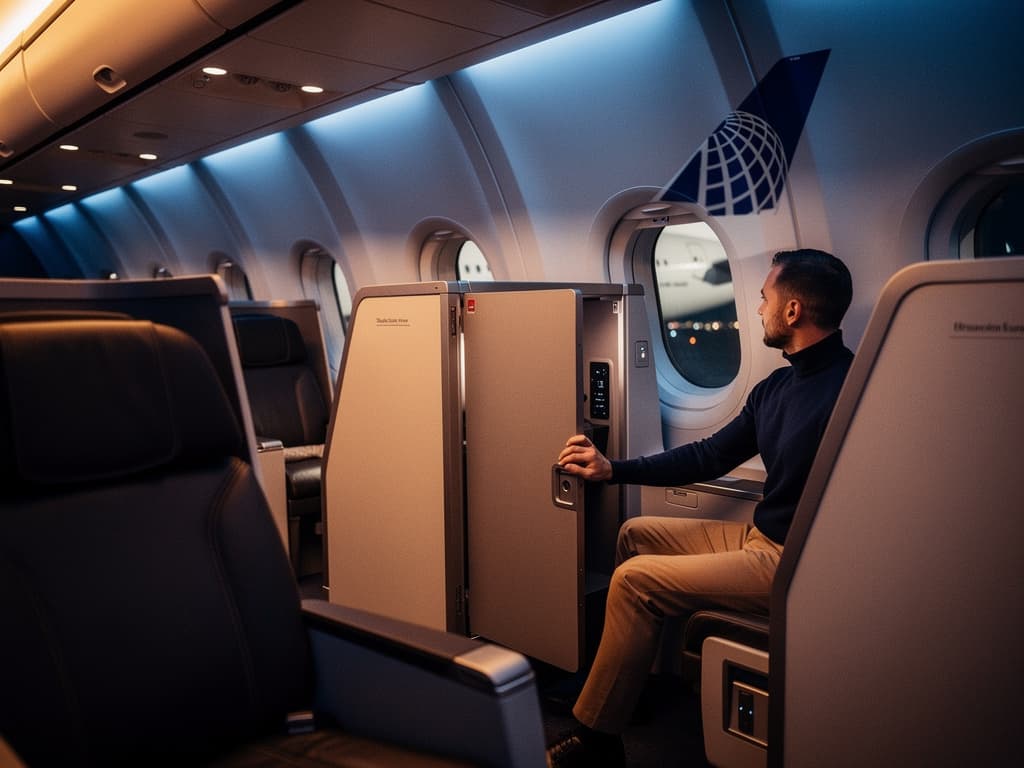
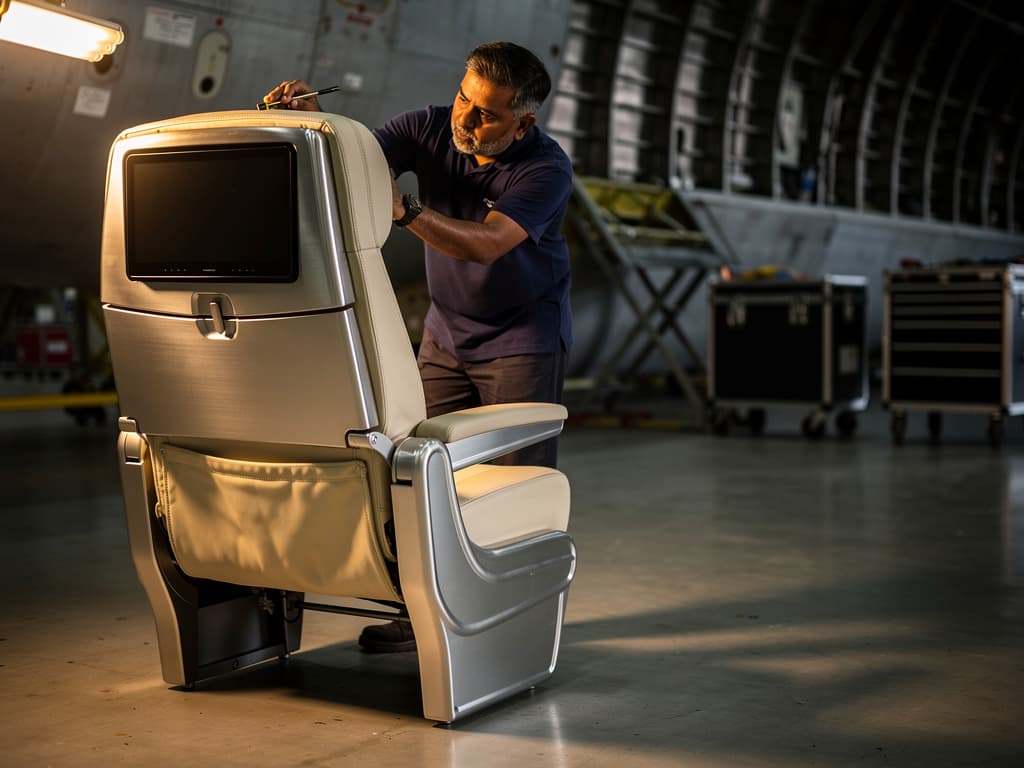
United’s new Polaris cabins include privacy doors — a feature previously exclusive to international widebodies — on narrowbody aircraft. The carrier is installing 4K seatback screens with Bluetooth connectivity across the fleet, paired with Starlink Wi-Fi for live streaming capability.
| Aircraft | Premium seats | Route deployment | Replaces |
|---|---|---|---|
| A321neo Coastliner | 32 (20 Polaris + 12 Premium Plus) | LAX/SFO-EWR transcontinental | 757-200 (16 business) |
| A321XLR | 32 premium total | International routes to 4,700nm | 757-200 (16 business) |
| 787-9 Dreamliner | 48 Polaris | Long-haul international | Fleet expansion |

Flight deals most people never see
Our AI monitors 150+ airlines for pricing anomalies that traditional search engines miss. Air Traveler Club members save $650 per trip per person on average: see how it works.
Each deal saves 40–80% vs. regular fares:

Why United’s premium bet outpaces Delta and American
United generates 60% of revenue from international markets, exceeding Delta’s international focus and significantly ahead of American’s domestic-heavy network. This concentration makes premium cabin expansion more defensible — international business-class yields typically run 4-5x economy fares, versus 2-3x on domestic routes.
The carrier’s widebody intake supports this positioning. Twenty 787-9 deliveries in 2026 give United the newest long-haul fleet among U.S. carriers, while American struggles with debt-heavy balance sheets limiting aircraft orders. Delta One remains United’s primary competitor, but United’s Newark hub and new Tokyo Haneda slots provide network advantages Delta cannot easily replicate.
The premium push extends beyond hardware. United’s $20 billion MileagePlus program valuation — higher than the airline’s market cap at times — drives the April 2026 loyalty overhaul. The changes favor high-spending co-branded cardholders over traditional mileage earners, a calculation that premium cabin expansion makes more valuable when upgrade inventory increases.
Strategic response for premium travelers
The fleet rollout creates a 12-18 month window where premium seat availability varies dramatically by route and booking timeline. HNWIs should adjust booking strategies accordingly.
- Book A321XLR routes early: International routes receiving the new aircraft see doubled premium capacity, but initial deployment focuses on high-demand markets. Monitor United’s route announcements for A321XLR assignments — these represent the best award availability windows.
- Leverage MileagePlus changes before April 2: Current earning rates expire April 1, 2026. High-spend cardholders should accelerate purchases to maximize points under existing structure, then reassess card strategy post-overhaul.
- Target transcontinental Coastliner routes: LAX/SFO-EWR receives priority for new aircraft. These routes offer lie-flat Polaris on 5-6 hour flights previously served by domestic first class — significant value increase for same mileage cost.
- Consider mixed-cabin bookings: As United adds premium seats on long-haul segments, manually constructing itineraries with economy domestic connections can unlock business-class availability automated tools miss.
- Monitor 787 delivery schedule: Twenty Dreamliners in 2026 represent significant capacity, but Boeing delivery delays remain industry-wide risk. Track United’s quarterly delivery updates — schedule slips compress premium seat availability.
Watch: United’s flight attendant contract negotiations conclude Q3 2026. Labor agreements directly impact service quality on premium products and can delay aircraft deployments if unresolved.
FAQ
When do United’s new Polaris privacy doors become available?
Initial deployment begins Q3 2026 on Airbus A321neo Coastliner aircraft serving LAX/SFO-EWR routes, followed by A321XLR international routes in late 2026. Fleet-wide rollout extends through 2028 as 250+ aircraft enter service.
How does the MileagePlus overhaul affect award bookings?
Changes effective April 2, 2026 favor high-spending co-branded cardholders with enhanced earning rates and upgrade priority. Traditional mileage-based elite status becomes less valuable relative to credit card spend, particularly for accessing expanded Polaris inventory on international routes.
Which routes receive A321XLR aircraft first?
United has not announced specific A321XLR route assignments, but the aircraft’s 4,700 nautical mile range targets transatlantic and Latin America routes currently served by 757s. Newark hub routes to Europe and West Coast to Hawaii/Latin America are likely initial deployments based on current 757 utilization.
Does United’s premium expansion affect economy pricing?
Premium cabin expansion typically supports economy fare stability by increasing revenue per flight, reducing pressure to raise economy prices. However, reduced total seat count per aircraft (due to more premium seats) can tighten economy availability on high-demand routes, potentially increasing prices through supply constraint rather than direct fare increases.
Read more