Summary
United Airlines has introduced new fare families for its Polaris business class and premium economy products, immediately restricting the cheapest tickets by removing complimentary lounge access, advanced seat selection, and change flexibility. This significant devaluation takes effect for bookings made from April 3, 2026, impacting both new and existing reservations.
Travelers holding existing Polaris bookings on discounted fares should review their itineraries within the next 24-48 hours to understand potential new restrictions. The changes mean that what was once standard for Polaris is now an upcharge, fundamentally altering the value proposition for premium cabin flyers.
United Airlines has quietly rolled out a major shift in its premium cabin offerings, fundamentally altering the value proposition for travelers booking discounted Polaris business class and premium economy fares. Effective immediately, the airline’s cheapest premium tickets will no longer include core benefits such as complimentary access to the exclusive Polaris Lounge network, the ability to select seats in advance without a fee, or the flexibility to change flights without incurring significant penalties.
This move, framed by United as the introduction of new “fare families,” is a clear unbundling strategy. For premium travelers, it means that the lowest-priced Polaris tickets now come with restrictions typically associated with basic economy fares, forcing a re-evaluation of booking strategies. The change impacts all bookings made from April 3, 2026, and potentially affects existing reservations, creating an urgent need for travelers to understand their entitlements.
The airline’s decision targets the most price-sensitive premium flyers, effectively creating a tiered business class product. This strategy aims to drive higher revenue from passengers who value lounge access and flexibility, or to push them into higher fare buckets. It also signals a broader industry trend where airlines are increasingly segmenting their premium offerings to maximize profitability.
United’s new premium fare families explained
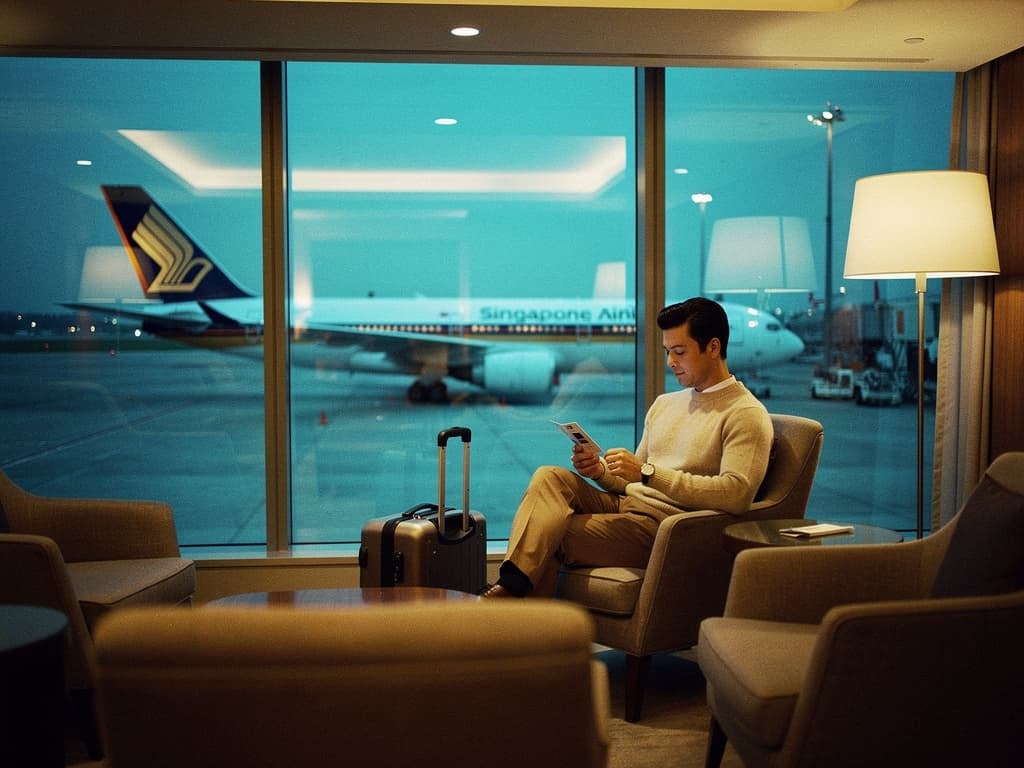
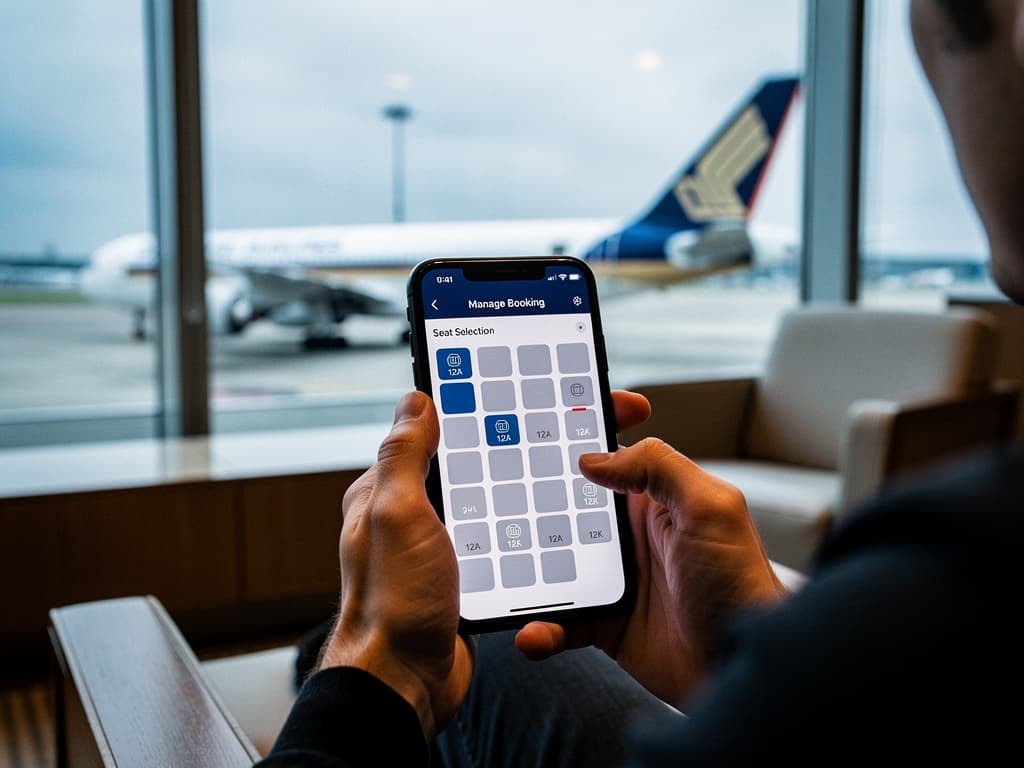
The core of United‘s new policy is the introduction of “Basic Polaris” and “Basic Premium Economy” fares. These new, more restrictive fare types strip away benefits that have long been considered standard for premium cabins. Specifically, passengers holding Basic Polaris tickets will lose access to the dedicated Polaris Lounges, a significant amenity for long-haul international travelers. Additionally, both Basic Polaris and Basic Premium Economy fares will require payment for advanced seat selection and will be non-changeable, mirroring the rigid terms of basic economy tickets.
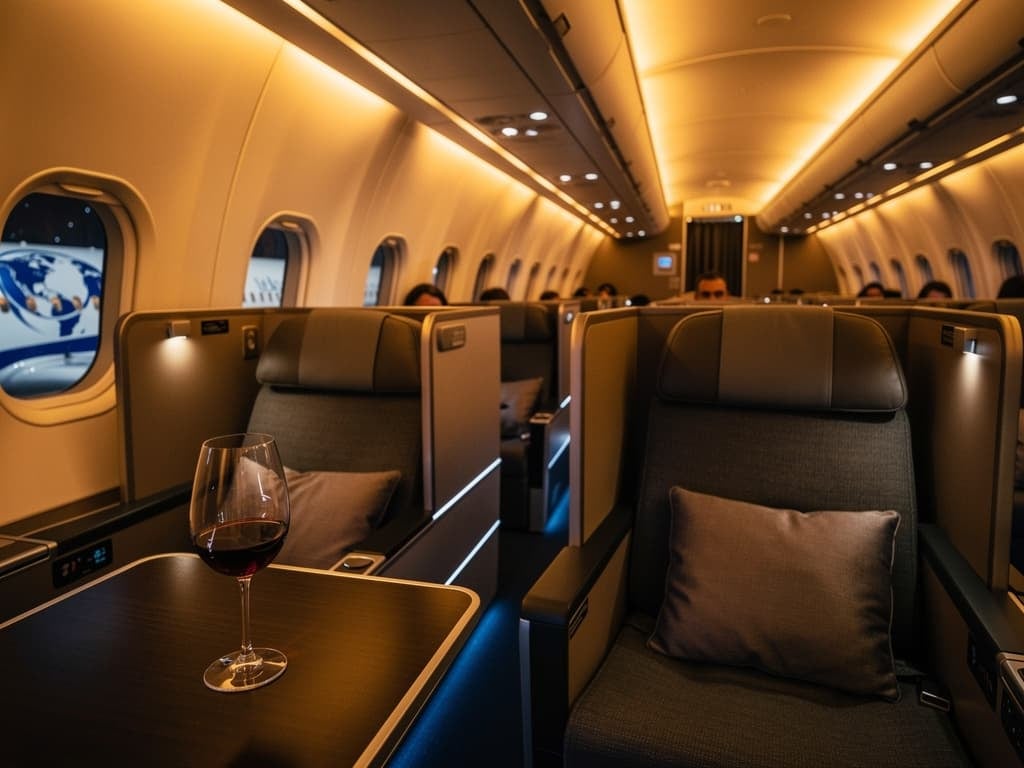
While United has not yet released detailed pricing structures for these new fare families, the implication is clear: the lowest advertised premium fares will no longer offer the full suite of benefits. Travelers seeking the traditional Polaris experience—including lounge access, free seat selection, and flexible changes—will need to book into higher, presumably more expensive, “Standard Polaris” or “Standard Premium Economy” fare classes. This unbundling represents a significant shift in how United values its premium product components. For context, United is also introducing enhanced Polaris Studio suites on new Boeing 787-9 aircraft starting April 22, 2026, which will feature 25% larger spaces and sliding doors, further segmenting the premium experience. These new hard products will likely be reserved for the higher fare buckets.
| Fare Type | Lounge Access | Seat Selection | Change Flexibility |
|---|---|---|---|
| Basic Polaris | No | Paid | No changes |
| Standard Polaris | Yes | Complimentary | Flexible |
| Basic Premium Economy | No | Paid | No changes |
| Standard Premium Economy | No | Complimentary | Flexible |

Flight deals most people never see
Our AI monitors 150+ airlines for pricing anomalies that traditional search engines miss. Air Traveler Club members save $650 per trip per person on average: see how it works.
Each deal saves 40–80% vs. regular fares:

United’s premium strategy shift
This move by United is not an isolated incident but rather a strategic realignment within the competitive landscape of premium air travel. By unbundling Polaris, United is positioning itself to capture different segments of the premium market. The airline can now offer a seemingly lower entry price point for business class, while simultaneously monetizing previously included services for those who still value them.
This strategy mirrors the “basic economy” trend seen in coach cabins over the past decade, now extending into the premium space. It allows United to compete on price with carriers offering less comprehensive premium products, while still maintaining a high-yield “Standard Polaris” option that includes all the traditional perks. Aviation insiders suggest this is a direct response to increasing pressure to optimize revenue from every seat, especially as new, more expensive cabin products like the Polaris Studio are introduced. The airline is effectively creating a wider pricing ladder within its premium offerings, ensuring that every traveler pays for the specific amenities they desire.
Navigating the new Polaris landscape
This intelligence matters for booking and award decisions because the value proposition of United‘s premium cabins has fundamentally changed. Travelers must now be more vigilant when selecting Polaris or premium economy fares.
- Review Existing Bookings: Immediately check any current Polaris or premium economy reservations made before April 3, 2026, to confirm if new restrictions apply. Contact United Reservations at 1-800-UNITED-1 for clarity on change policies or lounge access for your specific ticket.
- Understand Fare Types: When booking new travel, pay close attention to the fare family details. Ensure you are selecting “Standard Polaris” if lounge access, free seat selection, and flexibility are critical to your travel experience.
- Factor in Ancillary Costs: If opting for a “Basic Polaris” fare, budget for potential additional costs such as lounge passes or seat selection fees. A single Polaris Lounge visit can cost upwards of $59 if purchased separately.
- Consider Alternatives: Evaluate competing carriers like Delta One or American Flagship Business, which may offer more inclusive premium products at comparable price points, especially for routes where United‘s new restrictions significantly devalue its offering.
Watch: The full rollout of United‘s new Boeing 787-9 aircraft with Polaris Studio suites will further define the top-tier experience, potentially creating even greater disparity between basic and premium Polaris products.
FAQ
What is “Basic Polaris” and how does it differ from “Standard Polaris”?
“Basic Polaris” is a new, more restrictive fare class for United‘s business class that excludes complimentary Polaris Lounge access, free advanced seat selection, and change flexibility. “Standard Polaris” will continue to include these benefits but will likely be priced higher.
Will my existing Polaris booking be affected by these new fare families?
Yes, the changes are effective for bookings made from April 3, 2026, and may apply to existing reservations. It is crucial to contact United Airlines directly or check your booking details online to confirm your specific entitlements.
Can I still access Polaris Lounges if I book a “Basic Polaris” ticket?
No, “Basic Polaris” fares explicitly exclude complimentary Polaris Lounge access. You would need to purchase a lounge pass separately, if available, or upgrade to a “Standard Polaris” fare.
Read more