Summary
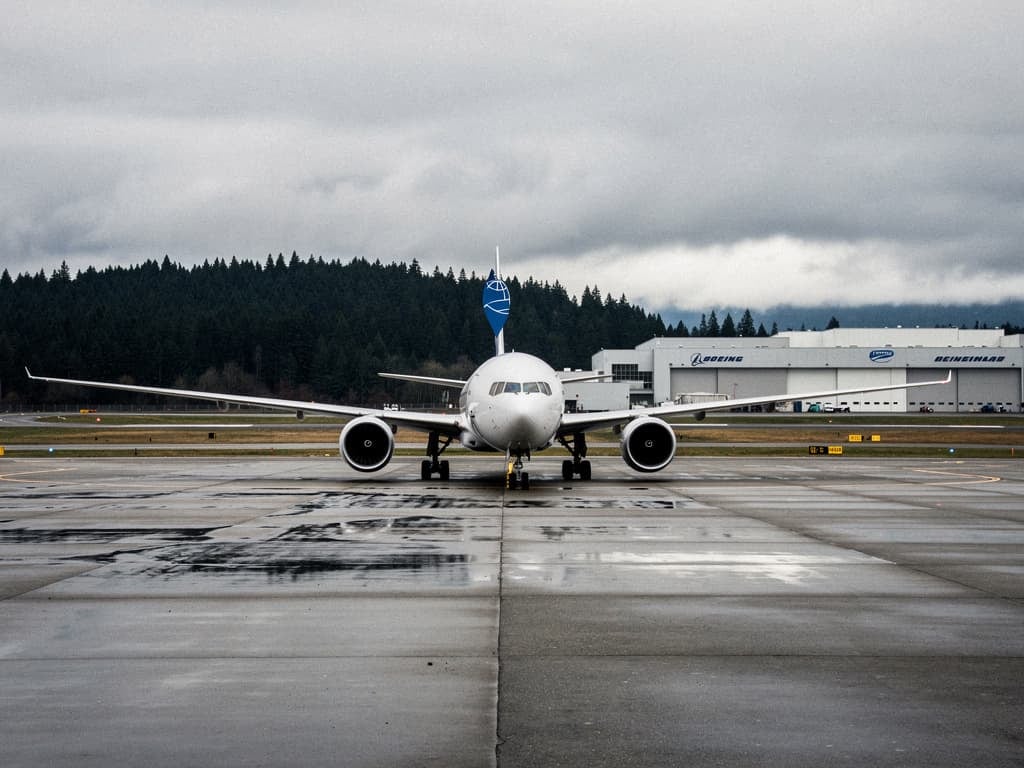
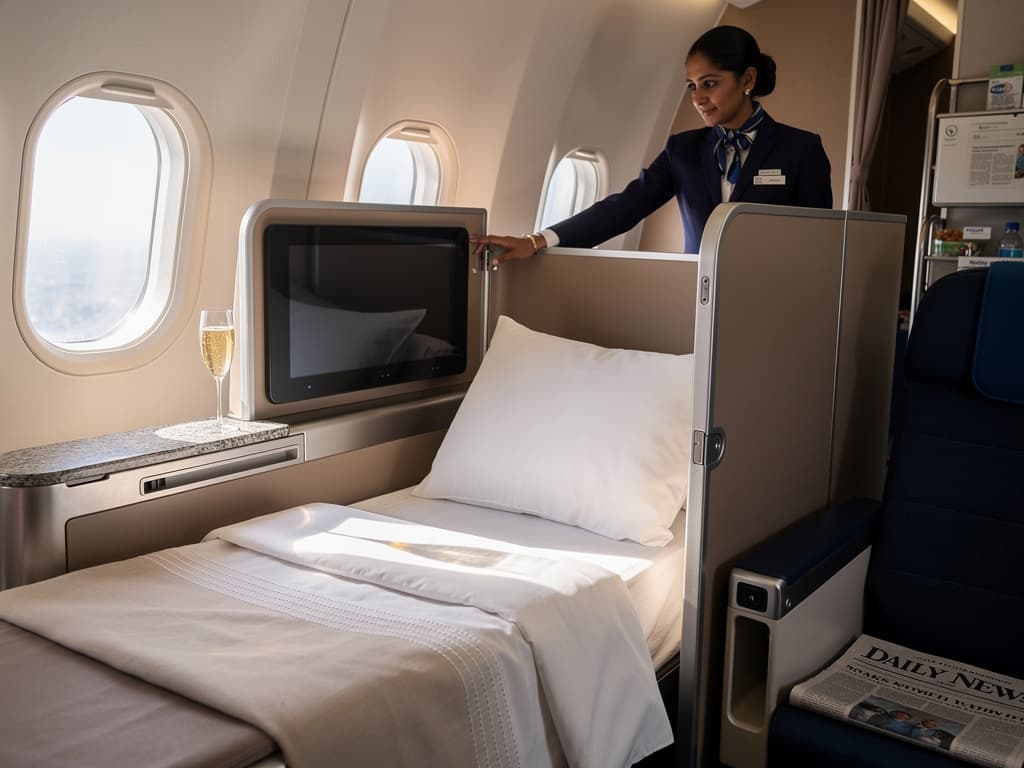
United Airlines‘ flagship new Boeing 787-9 (registration N61101)—the first aircraft configured with the carrier’s all-new Polaris business class interiors—has been grounded twice in five days, raising serious questions about the aircraft’s readiness for long-haul service. The inaugural return flight from Singapore on April 24, 2026 diverted back to Changi Airport after an electrical smell filled the cabin; after three days of maintenance and a test flight, the aircraft returned to service only to be grounded again on April 29 when flight UA382 was canceled due to a second maintenance issue.
Passengers booked on the SFO-SIN route face immediate rebooking uncertainty and potential downgrade risk. United has not publicly announced specific compensation or rebooking policies for affected travelers.
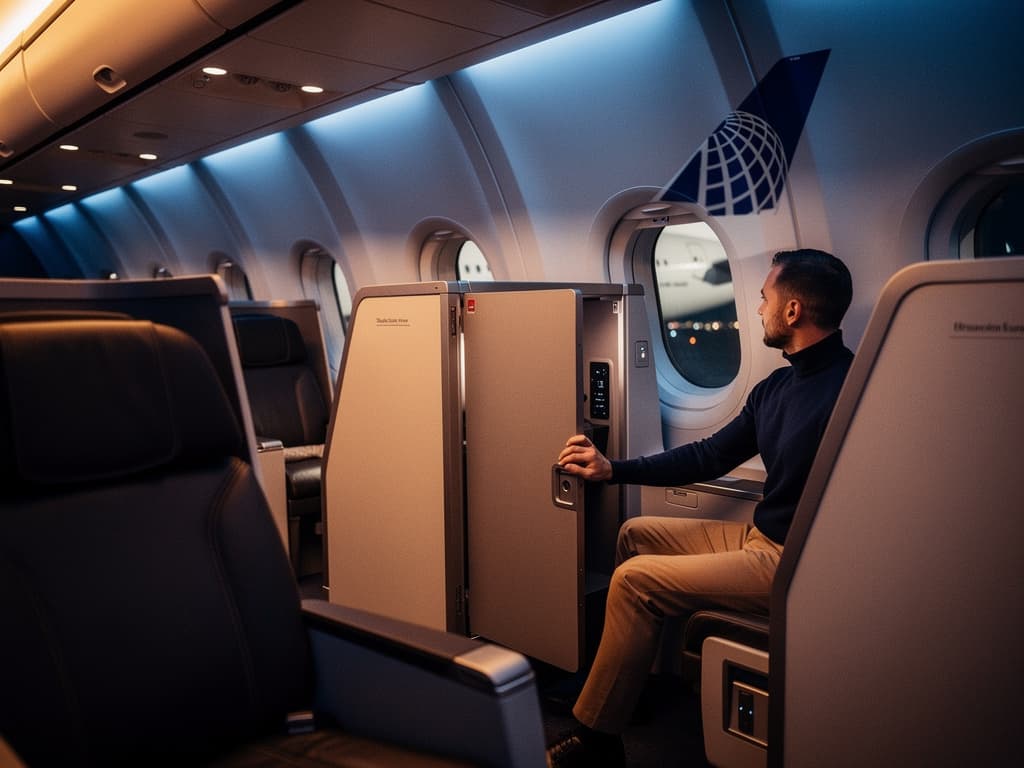
United Airlines had every reason to celebrate the entry into service of aircraft N61101. The carrier’s first Boeing 787-9 with next-generation Polaris interiors—complete with a 100th anniversary livery—launched international service on the San Francisco to Singapore route on April 22, 2026, representing the most premium configuration in United’s widebody fleet. The inaugural outbound flight, UA1, completed the 16-hour, 31-minute journey without incident. What followed has been considerably less celebratory.
The return flight, UA2, departed Singapore on April 24 before the crew detected an electrical smell in the cabin and made the decision to turn back. The aircraft landed safely after 1 hour and 50 minutes airborne. It was then ferried empty to San Francisco on April 25—a 15-hour, 5-minute positioning flight—and grounded for three days of maintenance.
The aircraft passed a 48-minute test flight on April 28 and briefly reentered revenue service, completing three domestic legs between San Francisco and Houston. Then, on April 29, a second maintenance issue forced the cancellation of flight UA382. Two groundings in five days on a brand-new aircraft is an outcome no airline—or passenger—plans for.
The disruption directly affects MileagePlus elite members and Polaris passengers who have paid premium fares or redeemed significant award miles on the SFO-SIN route, one of the longest transpacific segments in United’s network.
What the maintenance record shows
Aviation records confirm the full operational timeline for N61101 since entering international service. The aircraft’s movements—tracked via registration on flight data services—reveal a pattern of disruption that goes beyond a single isolated incident.
The electrical smell that triggered the April 24 diversion is the detail drawing the most scrutiny. United’s new 787-9 features substantially different cabin wiring compared to older fleet members, given the installation of new Polaris suites, Polaris Studio seats, and associated in-flight entertainment and power systems. Whether the new interior systems contributed to the electrical anomaly has not been confirmed. Industry sources note that certified seat products undergo rigorous testing before installation, but integration with aircraft-specific electrical architecture introduces variables that only operational service can fully stress-test.
The second grounding—occurring within 24 hours of the aircraft returning from maintenance—is the more troubling data point. A single early-service disruption is operationally unremarkable. A second, independent maintenance cancellation on the same airframe within the same week signals either a recurring fault or multiple unrelated issues converging on a new aircraft still being worked into service.
| Date | Flight / Event | Duration / Detail | Status |
|---|---|---|---|
| April 22, 2026 | UA1 — SFO to SIN (inaugural) | 16 hr 31 min | Completed normally |
| April 24, 2026 | UA2 — SIN to SFO (return) | 1 hr 50 min before divert | Returned to SIN; electrical smell in cabin |
| April 25, 2026 | UA3968 — SIN to SFO (ferry, no passengers) | 15 hr 5 min | Positioning flight; aircraft grounded on arrival |
| April 25–28, 2026 | Maintenance ground stop — SFO | 3 days | Engineering inspection and repair |
| April 28, 2026 | UA4196 — test flight, SFO area | 48 min | Maintenance sign-off; returned to service |
| April 28–29, 2026 | UA2047, UA487, UA2498 — SFO/IAH domestic ops | 3 revenue flights completed | Operated without incident |
| April 29, 2026 | UA382 — IAH to SFO | Canceled pre-departure | Second maintenance grounding; cause not disclosed |

Flight deals most people never see
Our AI monitors 150+ airlines for pricing anomalies that traditional search engines miss. Air Traveler Club members save $650 per trip per person on average: see how it works.
Each deal saves 40–80% vs. regular fares:

Why the American Airlines precedent matters—and where it falls short
This is not the first time a brand-new premium-configured Boeing 787-9 has struggled through its early weeks in service. American Airlines inducted its own new 787-9s with all-new premium interiors in 2025, and one of those aircraft posted a notably poor maintenance record during its initial operational period. The reported issues in that case involved engines and door alignment—mechanical faults with no obvious connection to cabin systems or interior wiring.
That distinction matters when evaluating United’s situation. American’s 2025 experience suggests new premium 787s can face early teething problems that are entirely unrelated to their cabin configurations. The aircraft eventually returned to reliable service. That precedent offers some reassurance—but it doesn’t explain an electrical smell, which is a different fault category than engine or door issues.
Air Traveler Club’s analysis of the 787 program’s development history provides useful context on why the Dreamliner’s electrical architecture—built around an all-electric bleed-air-free system—is more complex than conventional widebodies, and why integration faults can surface in ways that are difficult to predict during ground testing alone.
The SFO-SIN route itself adds operational pressure. At roughly 8,700 miles, it is one of the longest transpacific segments in commercial service—a route where an aircraft must perform reliably for 16-plus hours with no diversion options for much of the flight. Electrical anomalies that might be tolerable on a 3-hour domestic leg carry different risk calculus over the Pacific.
What the N61101 timeline means for SFO-SIN bookings
This is an awareness story with a concrete action window. United has not grounded the entire SFO-SIN route—the service continues on alternative aircraft—but passengers specifically seeking the new Polaris product face real uncertainty for the next two to three weeks.
- Check your aircraft assignment now. Search registration N61101 on FlightRadar24 or check the seat map on United.com 24–48 hours before departure. The new 787-9’s 1-2-1 Polaris layout is visually distinct from the older 787-8’s 2-4-2 configuration. If N61101 is assigned to your flight, assess your rebooking options before the departure window tightens.
- Understand your downgrade rights. If United substitutes an older aircraft and cannot accommodate you in a comparable premium cabin, you are entitled to a refund of the fare difference—or a full refund if you prefer not to travel. Do not accept a downgrade without written confirmation of compensation terms.
- Award travelers: monitor alternative routing. MileagePlus award space on SFO-SIN is typically constrained. If your booking is disrupted, check United.com for award availability via Tokyo (NRT) or Seoul (ICN)—both add 4–8 hours but may offer more reliable equipment. Star Alliance partners including Singapore Airlines and ANA may offer premium cabin availability under interline agreements, though inventory is limited.
- Watch the May 5 threshold. If United does not return N61101 to SFO-SIN service by May 5, 2026, the disruption has likely escalated beyond routine maintenance. That is the signal to rebook proactively rather than wait for United to act.
Watch: If investigators or United’s maintenance team identify a fault in the aircraft’s electrical integration rather than an isolated component failure, expect a broader review of the new interior installation across the 787-9 fleet—a development that would affect the rollout timeline for United’s cabin modernization program.
FAQ
Is United’s SFO-SIN route still operating while N61101 is grounded?
Yes. United’s San Francisco to Singapore service continues on alternative aircraft. The route is not suspended; only the specific new 787-9 (N61101) has been affected by maintenance groundings. Passengers should verify their aircraft assignment via United.com or FlightRadar24 before departure.
Can I get a refund if United swaps my new 787-9 for an older aircraft?
If United substitutes an aircraft that cannot accommodate you in the same cabin class you booked, you are entitled to a refund of the fare difference or a full refund if you choose not to travel. Award ticket holders should confirm redeposit fee waivers in writing before accepting any rebooking. Call the United Polaris Desk at 1-800-UNITED-1 to initiate the process.
Is the electrical smell on the 787-9 a known safety issue with the aircraft type?
The Boeing 787 uses an all-electric bleed-air-free architecture that differs significantly from conventional widebodies, making electrical integration faults more complex to diagnose. An electrical smell in the cabin is treated as a serious precautionary event requiring investigation, but it does not indicate a known fleet-wide defect. The crew’s decision to return to Singapore was a standard precautionary response. United has not disclosed the specific source of the fault.
How does United’s situation compare to American Airlines’ 787-9 issues in 2025?
American Airlines’ new premium 787-9 experienced a difficult early-service period in 2025, with reported issues involving engines and door alignment. That aircraft eventually returned to reliable service. United’s fault—an electrical smell—falls into a different technical category, making direct comparison uncertain. The American precedent suggests new premium 787s can recover from early teething problems, but it does not predict the timeline or outcome for United’s specific issue.
Read more