Summary
United Airlines is deploying Starlink Wi-Fi fleet-wide by mid-2026, offering free gate-to-gate high-speed internet that leapfrogs Delta’s paid Viasat service. The carrier’s 20 new Boeing 787-9s arriving in 2026 feature Polaris Studio business class with enhanced privacy and space, while AI-powered rebooking tools cut connection failures during irregular operations.
The tech rollout costs billions but positions United ahead of American’s slower widebody refresh. MileagePlus elites gain priority access to AI tools and premium cabin waitlists on new aircraft, though award space remains tight 330-370 days out.
Scott Kirby isn’t hiding the ambition. United Airlines wants to operate like Apple — controlling hardware, software, and every passenger touchpoint from booking to baggage claim.
The comparison sounds like corporate theater until you examine the capital allocation. United is spending billions on proprietary seatback entertainment systems, free Starlink satellite Wi-Fi across its entire fleet, and AI infrastructure that manages crew scheduling and irregular operations recovery. The airline installed its Signature Interior — featuring Bluetooth-enabled seatback screens at every seat and larger overhead bins — on nearly its entire mainline fleet by late 2025, according to financial analysis tracking the carrier’s 2026 strategy.
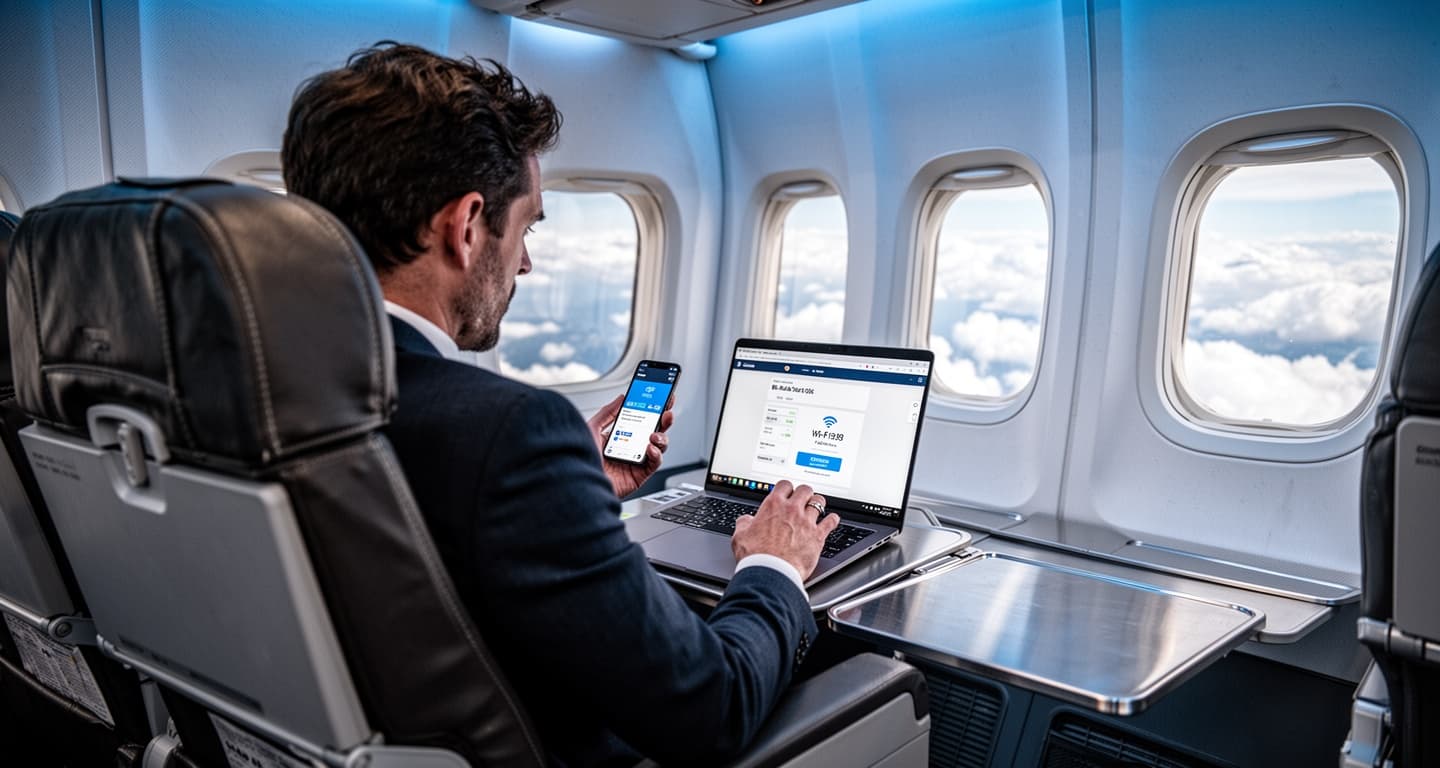
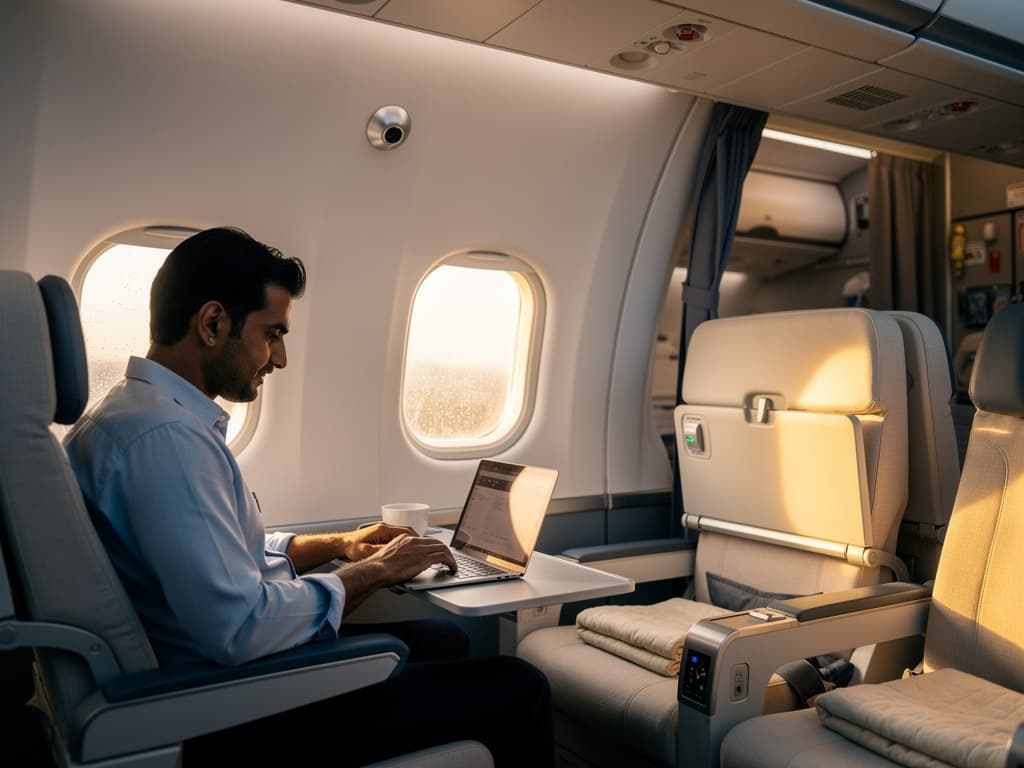
The Starlink rollout began in late 2025 and reaches fleet-wide deployment by mid-2026. That’s gate-to-gate connectivity fast enough for streaming and gaming, offered at no charge. Delta still charges for its slower Viasat service. American lags further behind on both speed and coverage.
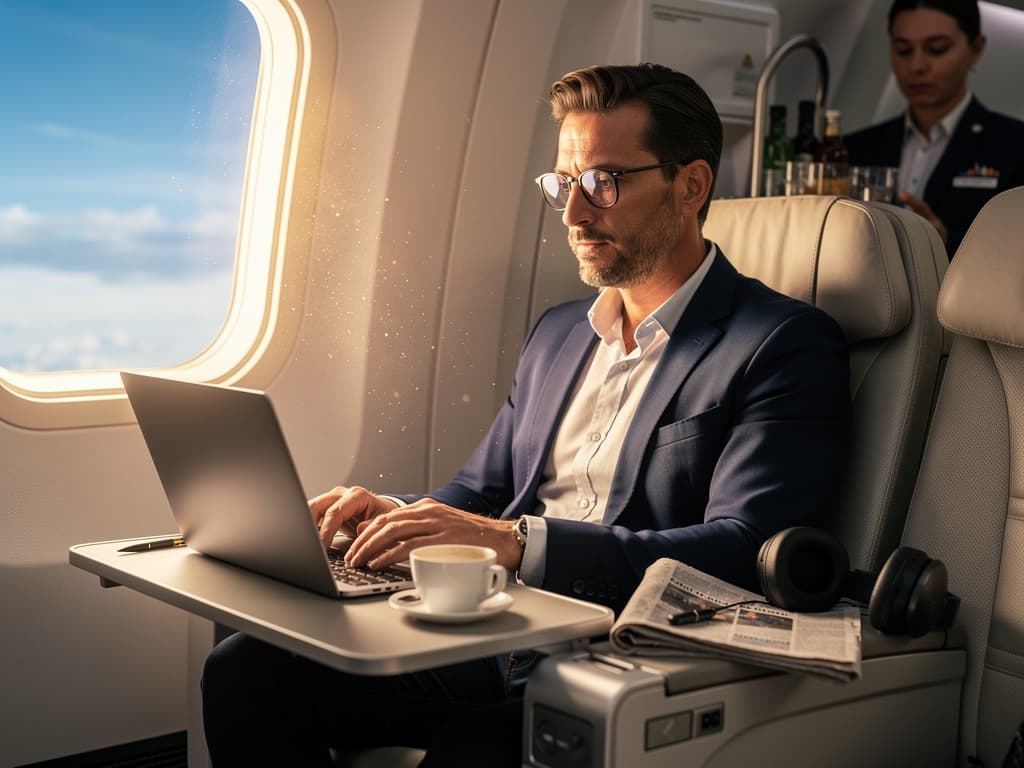
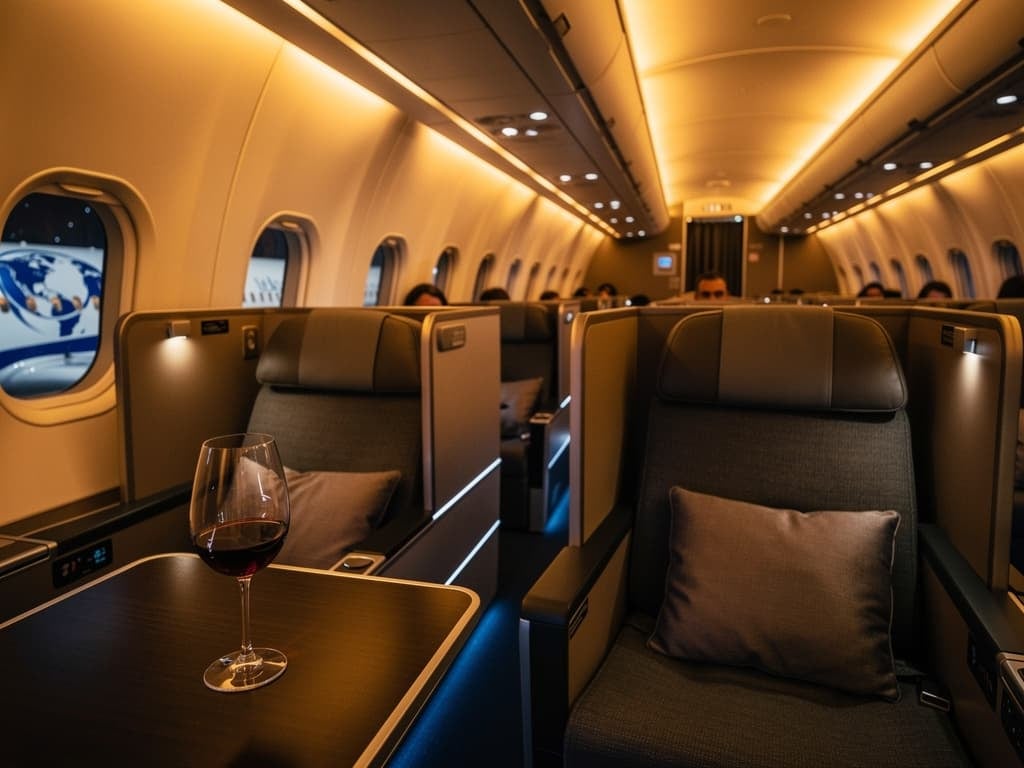
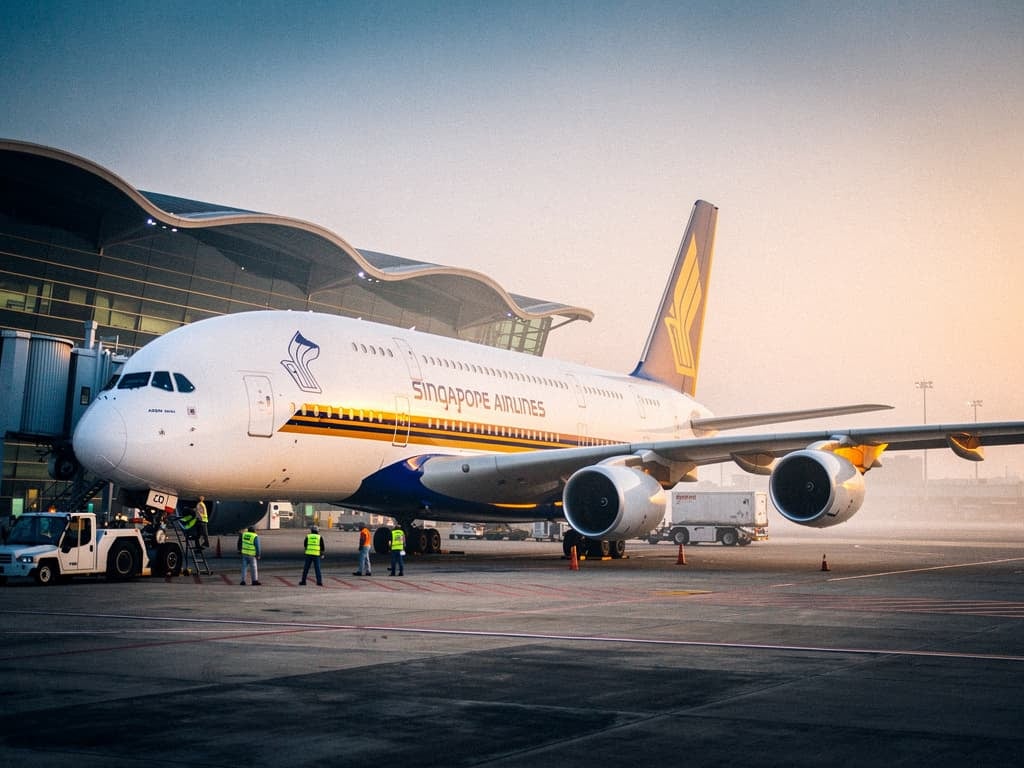
For premium cabin flyers, the hardware upgrade matters most on United’s 20 new Boeing 787-9 deliveries in 2026 — the largest U.S. widebody intake since 1988. These aircraft feature Polaris Studio, an enhanced business class configuration emphasizing privacy and space on transatlantic routes. The first Airbus A321XLR deliveries, delayed to summer 2026, will open thin transatlantic routes like Newark to secondary European cities with narrowbody premium cabins.
the infrastructure behind the screens
United’s February 2026 migration of its SHARES reservations system to cloud infrastructure enabled dynamic retailing and New Distribution Capability (NDC) without the operational meltdowns that plagued competitors’ transitions. The move positions the airline to personalize offers and pricing in real time, using data from its MileagePlus program — which generates billions annually through its Chase co-branded credit card partnership.
The AI deployment extends beyond customer-facing tools. United’s ConnectionSaver algorithm holds departing flights for passengers on delayed inbound connections when the math works, preventing hundreds of thousands of missed connections since launch. Machine learning models now drive crew scheduling, maintenance prediction, and weather response. When thunderstorms shut down Newark, algorithms increasingly determine which flights to cancel and how to rebook 40,000 passengers.
| Airline | Business class product | Wi-Fi offering | Key advantage |
|---|---|---|---|
| United Airlines | Polaris Studio (787-9) | Free Starlink, gate-to-gate | Superior space, no-cost connectivity |
| Delta Air Lines | Delta One Suites (A350) | Paid Viasat, slower speeds | Sliding privacy doors |
| American Airlines | Flagship Business (777) | Paid Viasat, limited coverage | Wider route network |
This matters during irregular operations. Airlines that recover faster from disruptions retain customers. United’s AI tools have measurably reduced the cascading failures that turn a single weather event into three days of chaos — a competitive advantage that doesn’t show up in seat maps but drives repeat bookings from business travelers.

Flight deals most people never see
Our AI monitors 150+ airlines for pricing anomalies that traditional search engines miss. Air Traveler Club members save $650 per trip per person on average: see how it works.
Each deal saves 40–80% vs. regular fares:

where this sits against Delta’s premium push
Delta has been positioning itself as the premium U.S. carrier for years, investing heavily in airport terminals at LaGuardia and Los Angeles while maintaining industry-leading operational reliability. Its Delta One Suites on the Airbus A350 feature sliding privacy doors that United’s Polaris Studio lacks. But Delta’s Wi-Fi remains a paid service using slower Viasat technology, and its widebody order book trails United’s by a significant margin.
American sits further behind. The Fort Worth carrier has ordered 19 widebodies compared to United’s 198, and its cabin retrofit schedule lags both competitors. American’s Flagship Business on Boeing 777s offers no privacy doors and charges for Wi-Fi that doesn’t match Starlink’s speeds.
The competitive landscape reveals United’s bet: that technology infrastructure — not just premium seats — will differentiate it in an industry where most carriers have historically competed on price and schedule. The airline’s 130 aircraft deliveries in 2026 dwarf competitors’ intake, prioritizing widebody growth while others retire older planes.
United’s premium revenue has been growing faster than passenger revenue, a trend visible across major U.S. carriers but one United has exploited most aggressively. Load factors in Polaris business class and first class remain strong even as economic uncertainty builds. The airline has added premium seats to its fleet faster than any competitor, betting that business travelers and points enthusiasts will pay for superior hardware and connectivity.
booking strategy for the tech advantage
The Starlink and Polaris Studio upgrades create immediate booking implications for premium travelers targeting transatlantic routes in 2026.
- Book 787-9 routes directly via united.com — the new Polaris Studio configuration operates primarily on Newark to London, San Francisco to Frankfurt, and Washington Dulles to Munich. Search 330-370 days out for award space, which remains tight on new deliveries.
- MileagePlus Premier Gold and above — gain priority waitlist access for premium cabins on new aircraft. Use the app’s real-time upgrade list to track clearing probability 5 days before departure.
- A321XLR summer 2026 debut — watch for thin transatlantic route announcements (Newark to secondary European cities). These narrowbody premium cabins will offer superior comfort on routes previously served by older 757s.
- Free Starlink activates mid-2026 fleet-wide — no registration required. Bluetooth pairing for personal headphones works on all Signature Interior aircraft. Productivity-focused travelers should prioritize United over Delta on routes where both operate widebodies.
- AI rebooking tools — download the United app and enable push notifications. During irregular operations, the system automatically rebooks MileagePlus members on alternative flights without agent interaction, cutting connection failure rates.
Watch: The A321XLR summer 2026 launch will reveal whether United’s thin transatlantic strategy succeeds — successful premium load factors on secondary European routes would confirm the technology moat and enable 10+ new city pairs by 2027.
FAQ
Does United’s free Starlink Wi-Fi work on all routes?
Fleet-wide deployment completes mid-2026, covering domestic and international flights. The service operates gate-to-gate, including taxi and cruise, with speeds sufficient for streaming and video calls. No registration or payment required.
Which United routes get the new Polaris Studio business class?
The Boeing 787-9 aircraft with Polaris Studio operate primarily on transatlantic routes from Newark, San Francisco, and Washington Dulles to major European cities. United is taking delivery of 20 new 787-9s in 2026, the largest U.S. widebody intake since 1988. Check aircraft type when booking — look for 787-9 specifically.
How does United’s AI rebooking work during delays?
The ConnectionSaver algorithm holds departing flights for passengers on delayed inbound connections when feasible. During irregular operations, MileagePlus members receive automatic rebooking via the app without agent interaction. The system prioritizes elite status tiers and considers connecting flight availability in real time.
Is United’s premium cabin strategy sustainable compared to Delta?
United’s 10.4% operating margins in 2024 support the capital expenditure on technology and premium seats. The carrier’s 198 widebody orders versus Delta’s smaller backlog positions it for sustained premium revenue growth. Free Starlink creates switching costs that paid Wi-Fi services cannot match, particularly for business travelers who rely on connectivity.
Read more