Summary
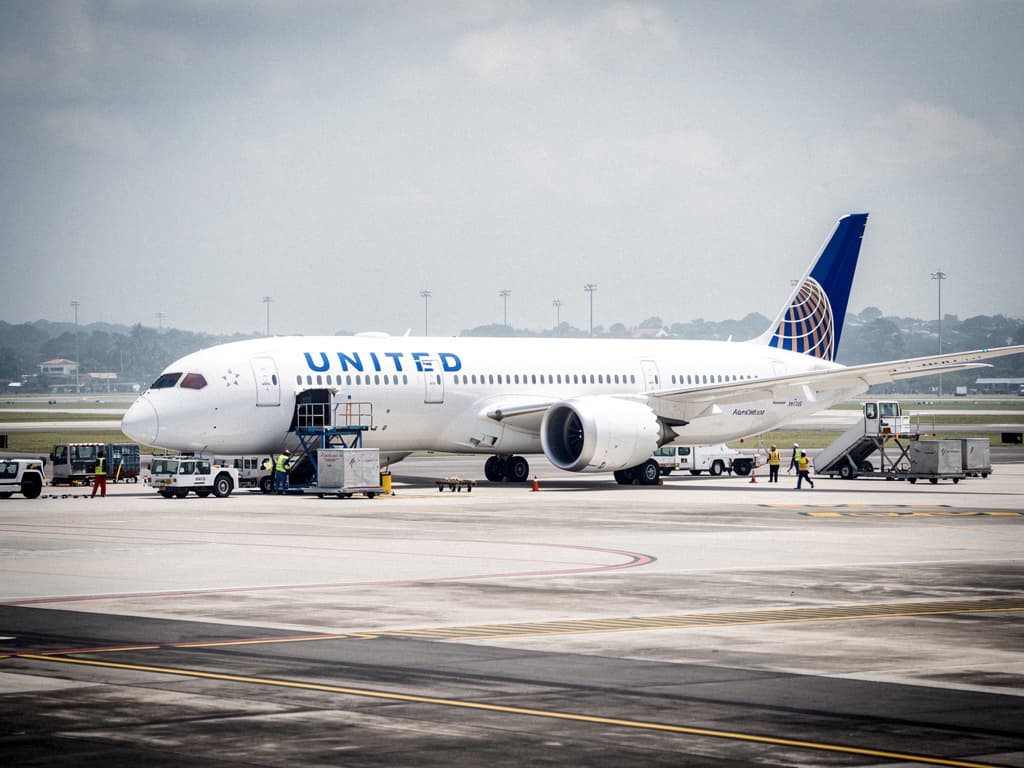
T-Mobile removed United Airlines and American Airlines from its official In-Flight Connection support page as of April 13, 2026, ending free Wi-Fi access for customers on both carriers. While American now offers free Wi-Fi to all AAdvantage members through AT&T sponsorship, United eliminated the perk 12-18 months before completing its Starlink rollout across the mainline fleet.
United passengers now pay $8 (MileagePlus members) or $10 (non-members) per flight for connectivity. The carrier’s decision creates an interim service gap affecting business class travelers who relied on free messaging and email access during the transition to satellite-based systems.
The free Wi-Fi perk that T-Mobile customers counted on for years disappeared without warning this week, stripping connectivity from two of the three largest U.S. carriers.
T-Mobile’s official support page now lists only Delta Air Lines, Alaska Airlines, Hawaiian Airlines, and Southwest Airlines as partners offering complimentary inflight internet. United and American vanished from the roster between April 11 and April 13, confirmed by archived versions of the carrier’s website.
The timing creates vastly different impacts. American’s exit makes strategic sense—the carrier rolled out free Wi-Fi to all AAdvantage members across its narrowbody fleet through AT&T sponsorship, effectively replacing the T-Mobile benefit with broader access.
United’s move defies logic.
The carrier eliminated free access for T-Mobile customers while the vast majority of its mainline fleet still operates legacy Gogo systems requiring payment. Starlink installation remains in early stages, with full deployment not expected until mid-to-late 2027. That leaves a connectivity vacuum spanning at least 18 months for passengers who previously relied on the T-Mobile partnership for basic messaging and email.
The details
Multiple travelers reported the T-Mobile option disappearing from inflight Wi-Fi portals on United flights starting April 13, with forum discussions on FlyerTalk and Reddit documenting the change. The carrier has not issued a formal statement explaining the decision or providing transition guidance for affected customers.
T-Mobile sent emails to customers stating “free in-flight Wi-Fi may no longer be available on some flights and airlines starting April 13, 2026” due to airline Wi-Fi program changes, according to messages reviewed by industry publications. The company’s support page confirms the partnership terminations.
The perk previously allowed T-Mobile customers to connect smartphones (but not tablets or laptops) through a phone verification process on United and American Wi-Fi portals. The service supported messaging apps, email, and light web browsing but lacked streaming capability—adequate for business travelers needing to stay connected during domestic flights.
| Airline | Free access eligibility | Paid option | Technology |
|---|---|---|---|
| United Airlines | None (Starlink rollout pending) | $8 elites / $10 general | Gogo / Starlink (limited) |
| American Airlines | All AAdvantage members | $10 non-members | Viasat / Panasonic |
| Delta Air Lines | All SkyMiles members | $8-$10 non-members | Viasat |
| Alaska Airlines | MVP Gold 75K+ / T-Mobile | $8 general | Gogo |
| Southwest Airlines | T-Mobile customers | $8 general | Viasat |

Flight deals most people never see
Our AI monitors 150+ airlines for pricing anomalies that traditional search engines miss. Air Traveler Club members save $650 per trip per person on average: see how it works.
Each deal saves 40–80% vs. regular fares:

The value-add
American’s shift away from T-Mobile reflects a broader industry trend toward carrier-controlled free Wi-Fi funded by corporate sponsors. The AT&T partnership delivers connectivity to all loyalty program members on narrowbody aircraft, though international widebody flights still require payment or elite status for complimentary access.
United’s decision creates a competitive disadvantage during the transition period. Delta already provides free Wi-Fi to all SkyMiles members through T-Mobile sponsorship with streaming capability via Viasat satellite systems. American matches that accessibility on domestic routes. United now stands alone among the Big Three requiring payment for basic connectivity on non-Starlink aircraft.
The Air Traveler Club’s analysis of United’s recent Polaris Lounge access restrictions identified a pattern of the carrier removing benefits before replacement services reach scale—the Wi-Fi decision follows identical logic, prioritizing operational simplification over passenger experience during transitions.
Strategic guidance
The Starlink rollout timeline determines whether United’s gamble pays off—if mainline fleet equipage reaches 25% by Q3 2026, premium cabin passengers gain reliable high-speed connectivity offsetting the T-Mobile loss.
- Book American or Delta for guaranteed free Wi-Fi on domestic routes through mid-2027 if connectivity matters for your travel—both carriers offer broader access than United’s transitional paid model.
- Check aircraft type before booking United premium cabins requiring reliable internet—Starlink-equipped aircraft appear on flight status pages, though availability remains limited on mainline routes.
- Purchase United Wi-Fi passes in advance through the app at $8 (MileagePlus members) rather than paying $10 onboard—the discount applies automatically when logged into your account.
- Enroll in AAdvantage at no cost if flying American regularly—free Wi-Fi for all members beats United’s elite-only discount during the transition period.
- Monitor United’s Q2 2026 fleet update for Starlink installation progress—accelerated deployment would justify the interim service gap, while delays signal extended competitive disadvantage.
Watch for United to announce free Wi-Fi for all MileagePlus members once Starlink reaches critical mass—the carrier’s historical pattern suggests matching competitor offerings once infrastructure supports it.
FAQ
Will United refund Wi-Fi purchases made before the T-Mobile change?
Neither United nor T-Mobile has announced refunds or compensation for the partnership termination. Passengers who purchased Wi-Fi passes or subscriptions retain those benefits according to original terms, but no retroactive credits apply for the loss of free T-Mobile access.
Does American’s free Wi-Fi work on international flights?
American’s free Wi-Fi for AAdvantage members currently covers most domestic narrowbody flights with AT&T sponsorship. International widebody routes still require payment or elite status for complimentary access, though the carrier continues expanding coverage across its fleet.
Which United aircraft currently have Starlink installed?
United has equipped portions of its regional fleet with Starlink, but mainline aircraft installation remains in early stages as of April 2026. Check the flight status page for specific aircraft types—Starlink availability appears in the amenities section when searching individual flights.
Can T-Mobile customers still get free Wi-Fi on any airlines?
T-Mobile customers retain free inflight Wi-Fi on Delta Air Lines, Alaska Airlines, Hawaiian Airlines, and Southwest Airlines according to the carrier’s updated support page. These partnerships remain active with no announced termination dates.
Read more