Summary
Cathay Pacific is stripping seven economy seats from its 202-seat Airbus A321neo fleet, cutting capacity from 190 to 183 in a cabin reconfiguration that directly answers the most frequent passenger complaint: a roughly 30‑inch pitch that felt punishing on regional hops. The first updated aircraft enters service this summer, with the whole fleet of 16 current and 14 future jets eventually receiving the new layout.
The new cabin also debuts 13.3-inch OLED in-flight entertainment screens and dual USB-C ports. Exact post-retrofit seat pitch remains unconfirmed, meaning real-world legroom gains can only be verified once the first refitted aircraft starts flying.
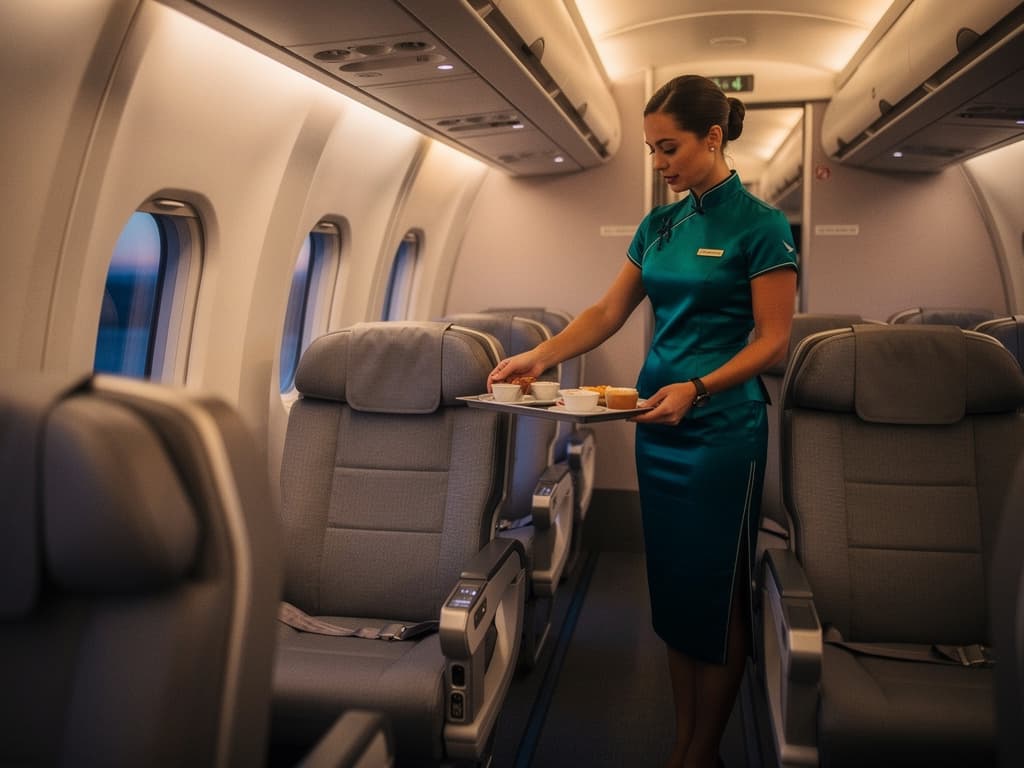
Cathay Pacific’s long-running A321neo comfort problem is finally getting a fix. Since absorbing the narrowbody fleet from former regional subsidiary Cathay Dragon in 2021, the airline has fielded relentless complaints about the cramped economy cabin — a dense 190-seat configuration that left even average-height travellers with knees against the seatback. On 23 July, Cathay confirmed it will refit every A321neo with a lower-density layout that yields seven more inches of aggregate cabin length, redistributed as additional legroom.
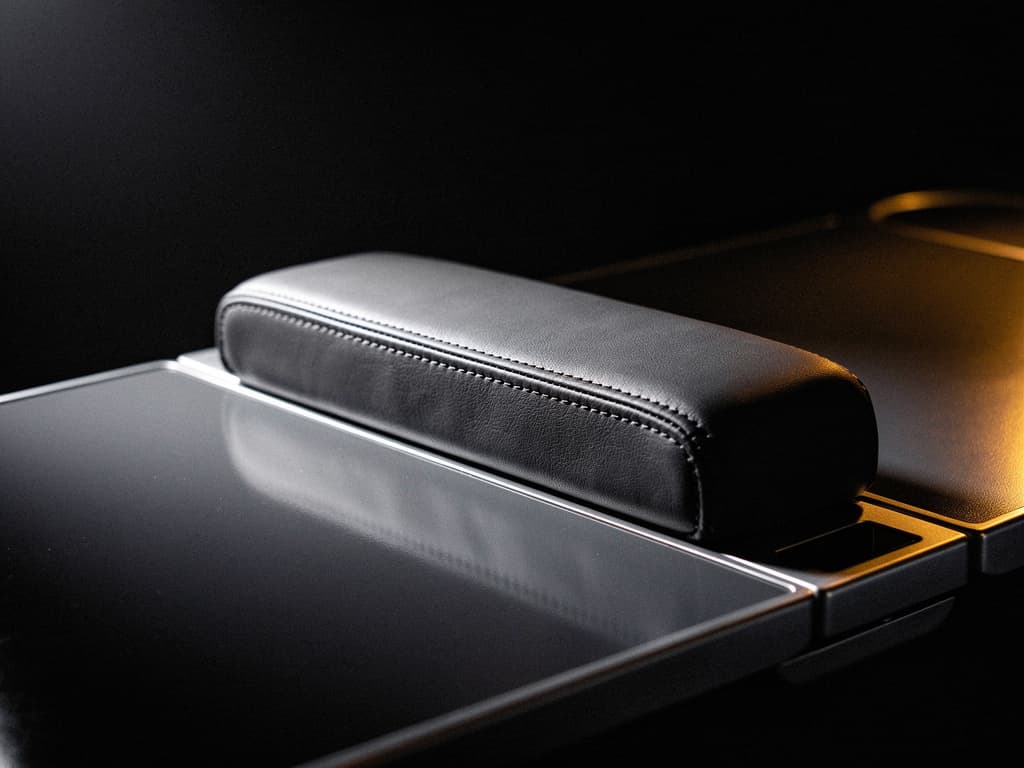
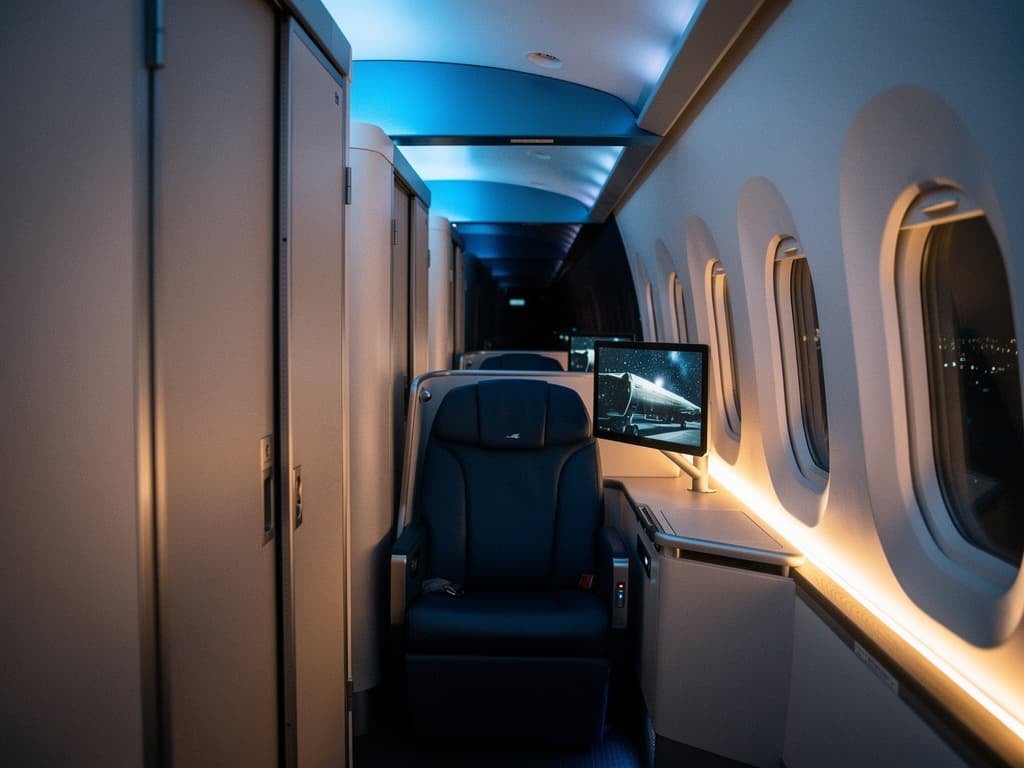
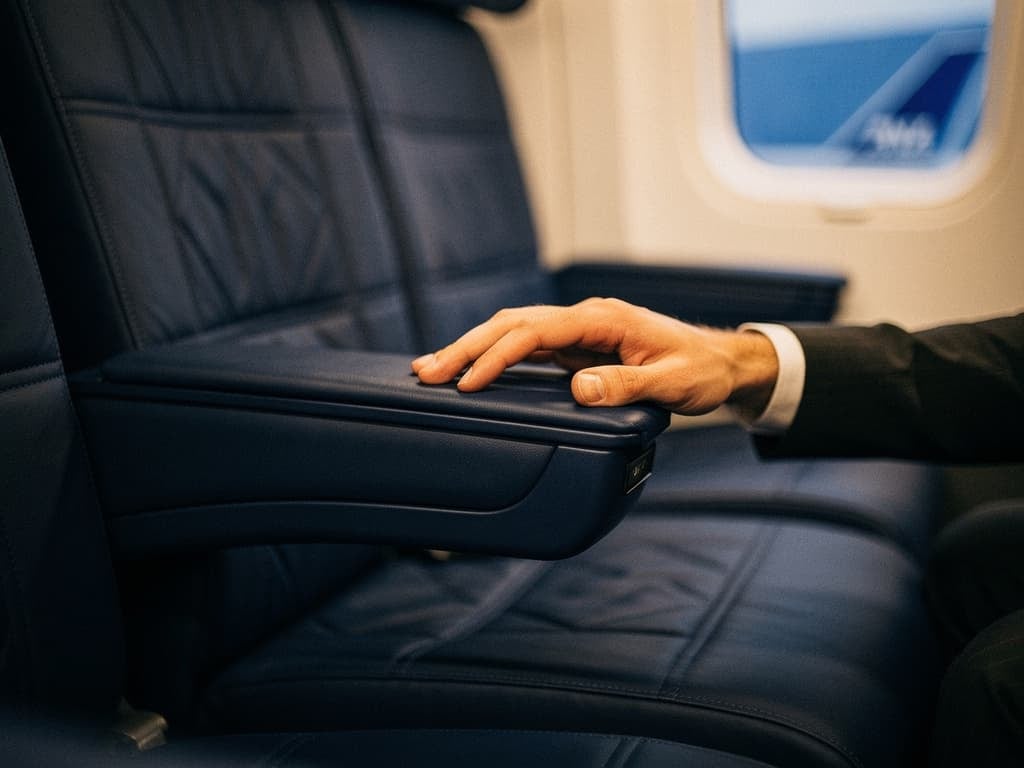
The retrofit is not a soft-goods refresh. Alongside the seat‑count reduction, the cabin gains 13.3-inch OLED displays fed by Panasonic Avionics’ current NEXT system, with a future path to 4K Astrova screens on later deliveries. Dual USB-C fast-charging ports appear at every economy seat — a first for the type. Business class stays at 12 seats and receives only cosmetic touch-ups: refreshed leather accents and a new shade on the side-console stowage.
The programme affects all 16 in-service A321neos plus 14 others still on order. Three rear lavatories are being repositioned to create a larger galley, improving crew workflow on turnarounds that sometimes dip below 35 minutes. Cathay’s Hong Kong-originating regional network — Bangkok, Singapore, Tokyo, Manila, and secondary Chinese cities — will see the new interior first, though the airline has not yet named specific launch routes.
The cabin-by-cabin overhaul
Cathay’s own fleet page confirms the new economy seat count and the shift to 13.3-inch OLED panels with dual USB-C ports, noting that the upgrade will be “progressively introduced through our brand new A321neo aircraft and also refitted onto our existing fleet.” The airline’s 2025 annual report adds that the lower-density layout is specifically designed to give each customer more space.
What remains unpublished is the exact seat pitch after the reconfiguration. The outgoing cabin sat at approximately 30 inches; Cathay has promised “more legroom” without providing a firm number. Seat width and recline are also absent from the current materials, making it impossible to quantify the full comfort gain until the first finished aircraft is measured.
| Feature | Pre-retrofit | Post-retrofit |
|---|---|---|
| Economy seat count | 190 | 183 |
| Legroom (pitch) | ~30 inches | Increased (exact figure TBC) |
| IFE screen | Smaller LCD | 13.3-inch OLED (new deliveries) |
| USB power | Standard USB | Dual USB-C fast charging |
| Rear galley | Standard | Larger, redesigned |
| Business class | Unchanged (12 seats) | Same seats, refreshed leather & stowage colour |

Flight deals most people never see
Our AI monitors 150+ airlines for pricing anomalies that traditional search engines miss. Air Traveler Club members save $650 per trip per person on average: see how it works.
Each deal saves 40–80% vs. regular fares:

Why the comfort shift matters now
Cathay’s narrowbody product had been a loyalty liability. The ex‑Dragon A321neos, operated at high frequency on competitive regional routes, undercut the premium feel Cathay cultivates on long‑haul. By finally delivering on the legroom complaint, the airline is aligning its short‑haul experience with the standards passengers expect after stepping off a refurbished Boeing 777 or Airbus A350.
Against peers like Singapore Airlines and Japan Airlines, both of which offer respected regional economy products, Cathay’s new 13.3‑inch OLED screens and fast‑charge USB-C give it a technology edge — provided the final pitch lands above the industry floor. The lack of a new seat frame means the comfort improvement hinges entirely on that extra space, making the unconfirmed pitch number the single most important figure to watch.
How to lock in the upgraded economy seat
The new configuration is a tangible product upgrade that can be actively sought out — provided you know what to look for when booking.
- Verify the seat map before paying. Cathay’s booking engine displays the aircraft type; the new interior will show 183 economy seats. If you see 190, you are on the old layout.
- Track Hong Kong departures first. Cathay is likely to debut the retrofitted aircraft on high‑profile trunk routes. Bangkok and Singapore same‑day returns are plausible launch candidates because they turn quickly through the hub.
- Monitor the fleet page. Bookmark Cathay’s own A321neo page for registration‑level refit updates; until the full fleet is completed, the only guarantee is the seat map at check‑in.
- Award bookings need extra attention. Miles‑booked seats rarely let you lock in a sub‑fleet, so re‑check your reservation weekly and be ready to switch flights if an upgraded aircraft appears on a different departure.
- Know when to bypass economy. If guaranteed space is essential — especially on segments over four hours — premium economy or business class on the wide‑body alternatives remains the hedge until the entire A321neo fleet is standardised.
FAQ
When will all Cathay Pacific A321neos be upgraded?
Cathay has not published a completion date. The programme covers 16 in‑service aircraft plus 14 future deliveries, with the first refit entering service in summer 2026. Full fleet standardisation will likely take several years given the scale of the retrofit.
Does the new economy layout affect seat width or only legroom?
Cathay’s public information only confirms a reduction in seat count to add legroom. No changes to seat width, recline, or under‑seat storage have been announced, so the comfort gain appears to be driven entirely by pitch.
Will business class seats be replaced with a new product?
No. The business class cabin retains the same 12 seats and hardware. The refresh is cosmetic — new leather accents and a darker shade on the side‑console stowage — without structural changes.
Read more