Summary
Cathay Pacific is cutting seven economy seats from its Airbus A321neo fleet, dropping from 190 to 183 seats, to give passengers more legroom on regional flights. The 195-seat reconfiguration, which keeps 12 business class seats, debuts this summer and will be progressively installed on both new deliveries and existing aircraft — a direct response to complaints about the roughly 30-inch seat pitch.
The move reverses the densification trend that once packed the A321neo with 202 seats. Newly delivered aircraft will also feature 13.3-inch OLED inflight entertainment screens, while the airline eyes a potential upgrade to Panasonic Astrova’s 4K OLED line. Because the rollout is phased, not fleetwide, travelers must verify the specific aircraft assignment to lock in the improved cabin.
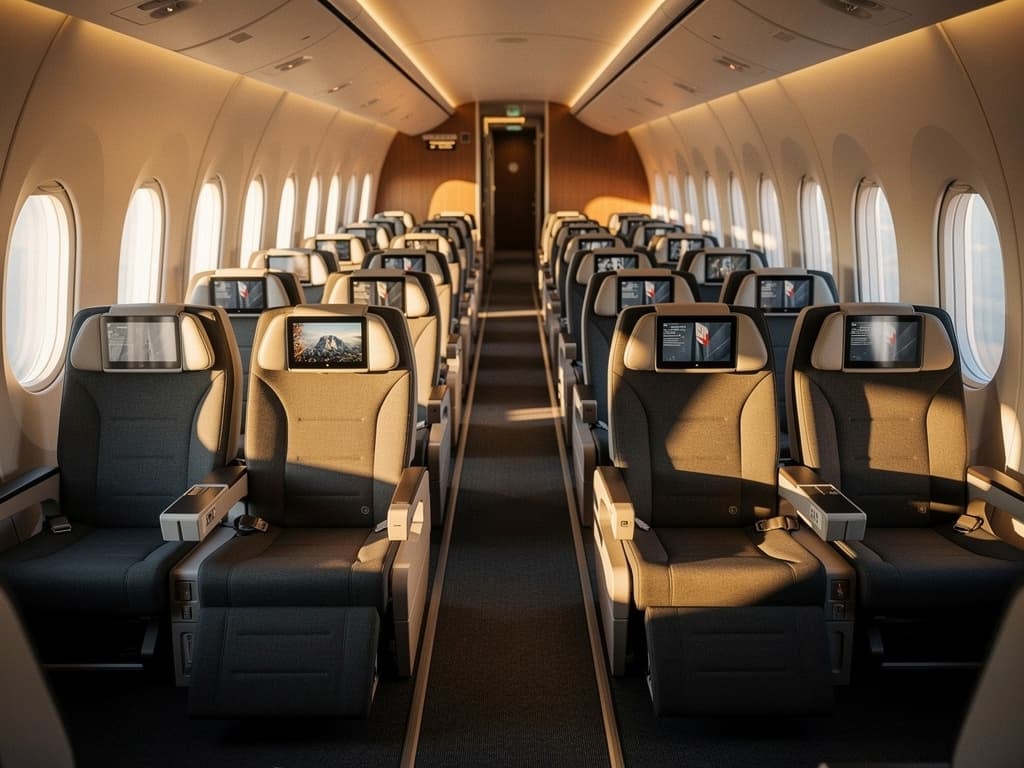
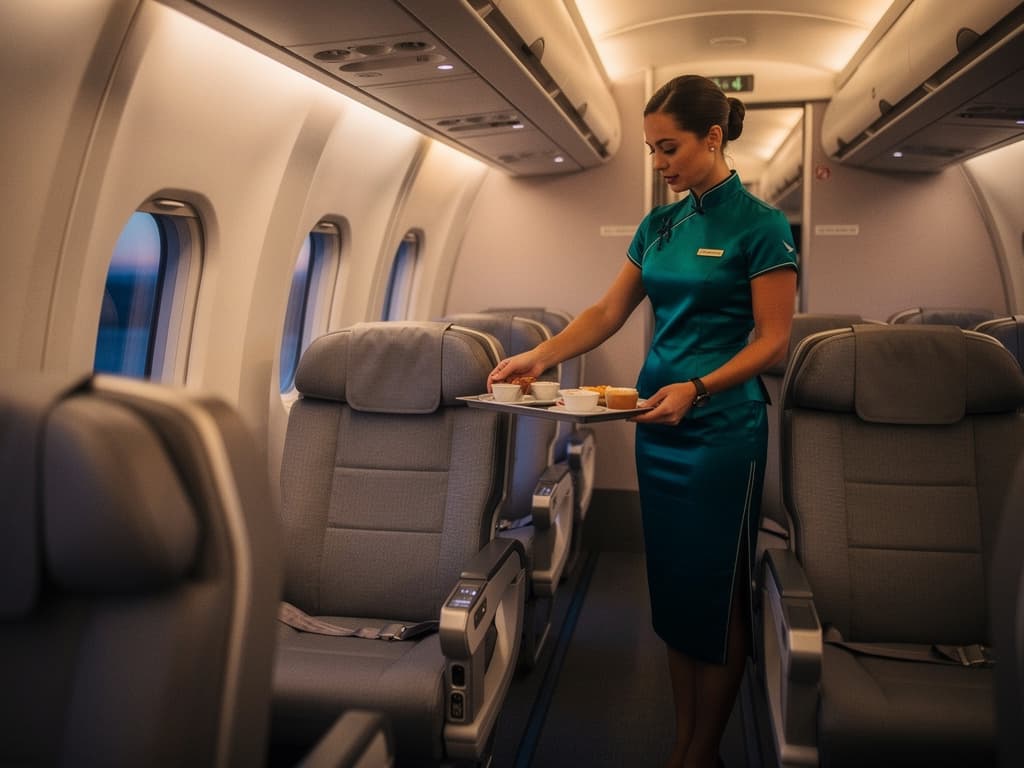
Cathay Pacific is tackling the passenger gripe that dogged its regional workhorse: the squeezed-in economy seat. The carrier is removing seven seats from each Airbus A321neo, trimming the total count from 202 to 195 and shrinking economy from 190 to 183 seats. The 12-seat business cabin stays intact, but the densification unwind hands flyers a noticeably more generous pitch on flights radiating from Hong Kong.
The refit, which launches this summer, also reworks the cabin architecture. Lavatories are rearranged to carve out a larger galley — a nod to crew efficiency — while business class leather and side‑console stowage get a refreshed shade. The real story, though, is the inch of legroom gain that turns a cramped regional hop into a genuinely comfortable connector for long‑haul itineraries.
For the 16 A321neos already in service and the 14 still on order, the new configuration will arrive progressively. New factories will roll out with 13.3-inch OLED screens in economy, a step up from the current Panasonic Avionics NEXT system, and the airline is evaluating a migration to the 4K Astrova line. Existing aircraft will be refitted over time, meaning the cabin upgrade is not an overnight fleetwide switch.
The change matters most on routes to Southeast Asia, Mainland China, and other short‑haul destinations where the A321neo is the sole premium bridge from Cathay’s long‑haul network. Passengers connecting through Hong Kong on widebody services will now find a regionally consistent comfort level, rather than a jarring step down to a tight 30‑inch pitch.
Cabin reconfiguration: fewer seats, more legroom, and upgraded IFE
The new layout drops the economy seat count from 190 to 183 while leaving the 12 business class seats untouched. The airline’s own A321neo fleet page confirms the cabin already features 4K ultra‑high‑definition inflight entertainment and Bluetooth audio streaming across all seats, a technical backbone that the refit amplifies with larger OLED screens on new deliveries.
| Feature | Current 202‑seat layout | New 195‑seat layout |
|---|---|---|
| Total seats | 202 | 195 |
| Business class | 12 | 12 |
| Economy class | 190 | 183 |
| Seat pitch (economy) | ~30 inches | Improved (exact TBD) |
| IFE screens | Panasonic NEXT | 13.3″ OLED on new deliveries; existing fleet may retain Panasonic NEXT |
| Lavatories | 3 | 3 rearranged, larger galley |

Flight deals most people never see
Our AI monitors 150+ airlines for pricing anomalies that traditional search engines miss. Air Traveler Club members save $650 per trip per person on average: see how it works.
Each deal saves 40–80% vs. regular fares:

What the densification reversal means for regional premium travel
Cathay Pacific’s decision to remove seats rather than add them bucks the post‑pandemic densification wave. On short‑haul Asia routes, the A321neo competes with narrowbody business products from full‑service rivals like Singapore Airlines, whose 737 MAX offers a similar seat pitch but lacks the 4K IFE and Bluetooth audio standard on Cathay’s fleet. This isn’t a leap to a lie‑flat cabin, but it does move the economy experience closer to the higher‑comfort end of the regional spectrum.
The change also signals how passenger feedback is reshaping narrowbody cabins. When Cathay absorbed Cathay Dragon’s A321neo order during the pandemic, the dense 202‑seat layout was a cost‑focused choice. Now, the investment in legroom and IFE screens reflects a strategic bet that comfort sells on routes where travelers have multiple one‑stop options.
How to ensure you fly the new A321neo cabin
The cabin upgrade makes Cathay Pacific’s regional A321neo flights more attractive for travelers who prioritize comfort, but the progressive rollout means not all flights will feature the new interior immediately.
- Verify aircraft type before booking. Cathay’s website shows the operating aircraft for each flight. If an A321neo is listed, the chance of getting the new cabin rises — especially on routes where the airline has deployed newer deliveries.
- Check the seat map for 195 seats. When selecting seats online, a 195‑seat configuration confirms the new layout. A 202‑seat map means you’re on the old cabin.
- Prioritize summer 2026 and later flights. The airline says the refit begins this summer, so flights departing later in the season are more likely to feature the updated interior.
- Watch for airline announcements on specific tail numbers. If Cathay publishes a list of refitted aircraft, you can target those exact registrations. For now, the fastest signal is the seat map.
- Book routes that tend to receive new deliveries. New A321neos roll off the line with the new cabin from day one, so routes that see freshly delivered aircraft may get the upgrade sooner than those relying on older frames.
FAQ
When will the new A321neo cabin be available on all Cathay Pacific flights?
Cathay Pacific has not announced a firm completion date. The progressive rollout covers both new deliveries and existing aircraft, so it will take several months to years before every A321neo in the fleet has the 195‑seat layout. Checking the seat map before booking remains the only way to confirm.
How can I tell if my flight has the new cabin?
Look at the seat map during the booking process. A 195‑seat configuration indicates the new interior, while a 202‑seat map means the old layout. You can also check the operating aircraft type — though the cabin itself depends on whether that specific A321neo has been refitted.
Will the seat pitch be published?
The airline has not released an exact new seat pitch. It describes the change as “more legroom” from the roughly 30‑inch baseline. Until Cathay publishes a specific measurement, the improvement is evident only in the reduced seat count and firsthand passenger reports.
Read more