Summary
Cathay Pacific’s regional business class on the Airbus A330 from Hong Kong to Phnom Penh delivers a dated but functional 2-2-2 recliner cabin — 24 seats across four rows, a 45-inch pitch, and zero privacy dividers — redeemable for as little as 10,000 Avios plus €63.02 in taxes. The soft product remains strong, with attentive crew and a full hot breakfast service on a two-hour sector. But the hard product trails modern Asian regional standards, and the gap will only feel wider until the incoming Aria Suite retrofit arrives.
The airline has confirmed a 1-2-1 fully flat Aria Suite regional cabin entering service by end of 2026. Aircraft assignment on this route varies materially — checking the seat map before booking is essential.
There is a version of Cathay Pacific regional business class that rivals the best short-haul premium products in Asia. Then there is the version that flew registration B-HLN out of Hong Kong at 8:40 am on the 962-mile sector to Phnom Penh — and the two are not the same aircraft.
The carrier operates 43 Airbus A330-300s across its regional network, deploying five distinct business class configurations on that single fleet type. That range spans from modern reverse herringbone seats in a 1-2-1 layout with direct aisle access all the way down to the traditional 2-2-2 recliner cabin reviewed here. For passengers booking on route alone, the lottery is real.
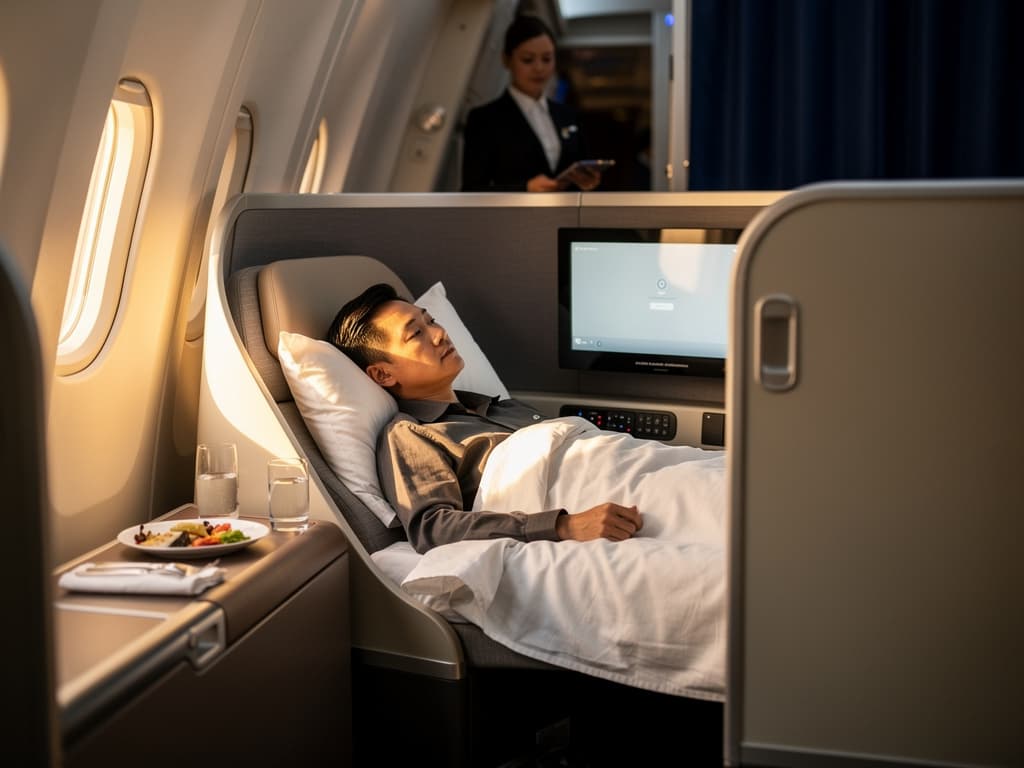
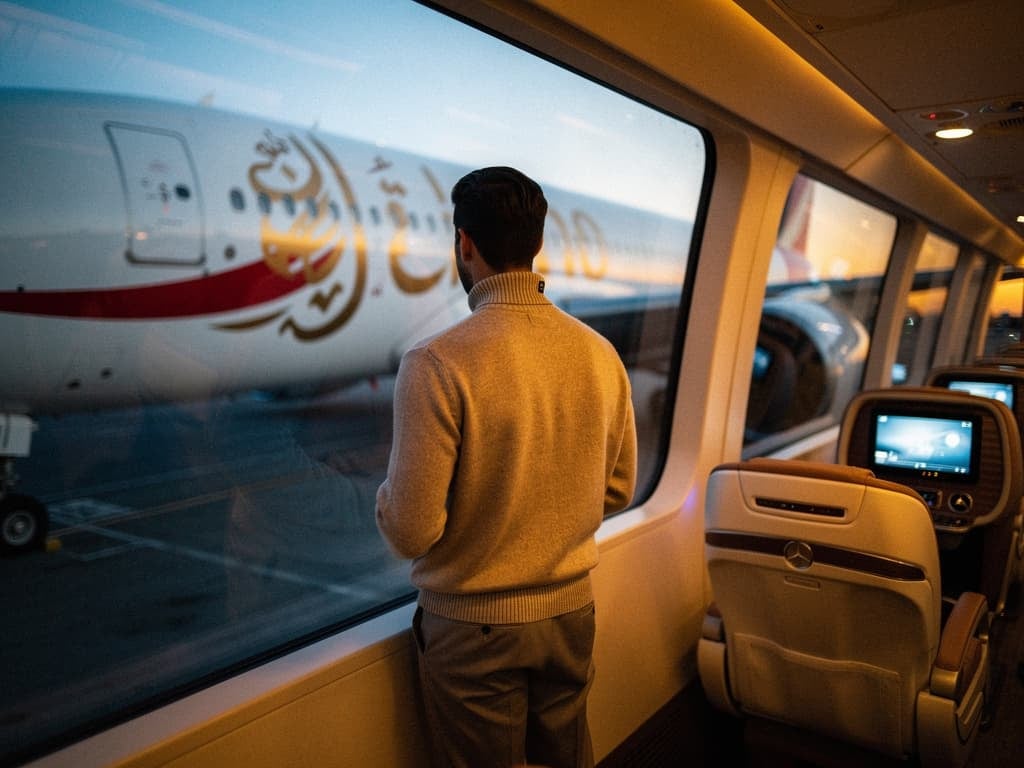
On this particular sector, the cabin delivered exactly what the seat map promised: a shell-style recliner with a 20-inch width, no privacy divider, no dedicated storage, and a small touchscreen IFE that felt a generation behind current standards. The seat slid forward within its fixed shell rather than reclining into the row behind — a thoughtful mechanical detail that preserves cabin harmony, even if the recline itself remains limited and nowhere near angled-flat.
What kept the experience from feeling like a disappointment was the soft product. Crew were attentive throughout the two-hour flight, a full printed breakfast menu was offered shortly after takeoff, and business class passengers received complimentary Wi-Fi — while economy passengers paid between USD $3.95 for messaging-only and USD $12.95 for full-flight access. For a short daytime sector, the service cadence was well-executed. The hard product is the story here, not the crew.
The details: what the A330 regional cabin actually delivers
The business class cabin on this A330-300 comprised four rows in a 2-2-2 configuration, totaling 24 seats. Seat controls were entirely manual, integrated into the center armrest, allowing independent adjustment of recline and legrest. A tray table stored below the IFE screen folded out from the seatback ahead. Universal 110V power outlets were located along the center panel between paired seats — functional, if not elegantly positioned.
Cathay’s official A330 seat map confirms the layout variation across the fleet, making it the most reliable pre-booking reference for passengers who want to know which product they are actually purchasing. The difference between a 2-2-2 recliner and a 1-2-1 herringbone on the same aircraft type is not marginal — it is the difference between a dated regional seat and a genuinely competitive premium product.
The breakfast service was a genuine highlight. A printed menu offered a choice between a Western crepe with scrambled eggs, chorizo-style sausage, portobello mushrooms, vine tomato, and potatoes, or a dim sum selection featuring chicken beancurd roll, shrimp fun gor, pork siu mai, a seafood dumpling with spinach skin, and a sticky rice roll. Presentation was clean; flavors were competent rather than memorable. For a two-hour sector, the generosity of a multi-choice hot meal service is worth noting.
The arrival added an unexpected dimension. Techo International Airport — Phnom Penh’s new purpose-built replacement for the former Pochentong facility — was essentially deserted on arrival, with the reviewed A330 the only aircraft on the ground. The terminal is architecturally striking, with large-scale Khmer-inspired design elements and vast open spaces evoking traditional temple spatial qualities. Long-term capacity targets run into the tens of millions of passengers annually — an ambition that, as of mid-2026, remains aspirational.
| Configuration | Layout | Seat pitch | Seat width | Bed position | Aisle access | Status |
|---|---|---|---|---|---|---|
| 2-2-2 regional recliner (reviewed) | 4 rows, 24 seats | 45 in (114 cm) | 20 in (51 cm) | Recliner only | Middle seats indirect | Current fleet |
| 1-2-1 reverse herringbone | Direct aisle access | Not specified | Not specified | Fully flat | All seats direct | Current (select A330s) |
| Aria Suite regional (A330) | 1-2-1 | Not yet disclosed | Not yet disclosed | Fully flat | All seats direct | Expected end 2026 |
| A330-900neo cabin | Updated configuration | Not yet disclosed | Not yet disclosed | Fully flat | All seats direct | Delivery from 2028 |

Flight deals most people never see
Our AI monitors 150+ airlines for pricing anomalies that traditional search engines miss. Air Traveler Club members save $650 per trip per person on average: see how it works.
Each deal saves 40–80% vs. regular fares:

The value-add: where Cathay’s regional product actually stands
The honest competitive position of Cathay Pacific’s older A330 regional cabin is this: it outperforms most short-haul Western business class products, where a recliner with meal service and lounge access is still considered adequate. Against the leading Asian carriers, the comparison is less flattering. Singapore Airlines operates more consistent regional cabins, and the absence of direct aisle access on Cathay’s 2-2-2 product is a meaningful differentiator for solo travelers on overnight or early-morning sectors.
The award value, however, is difficult to argue with. A redemption of 10,000 Avios plus €63.02 for a business class ticket on a 962-mile sector — with lounge access at The Pier Business Class Lounge in Hong Kong, a full hot meal, and complimentary Wi-Fi — represents strong points-per-dollar efficiency. Air Traveler Club’s analysis of business class redemption value to Southeast Asia explores how programs like Alaska Mileage Plan can unlock Cathay metal at similarly competitive rates, particularly for West Coast departures connecting through Hong Kong.
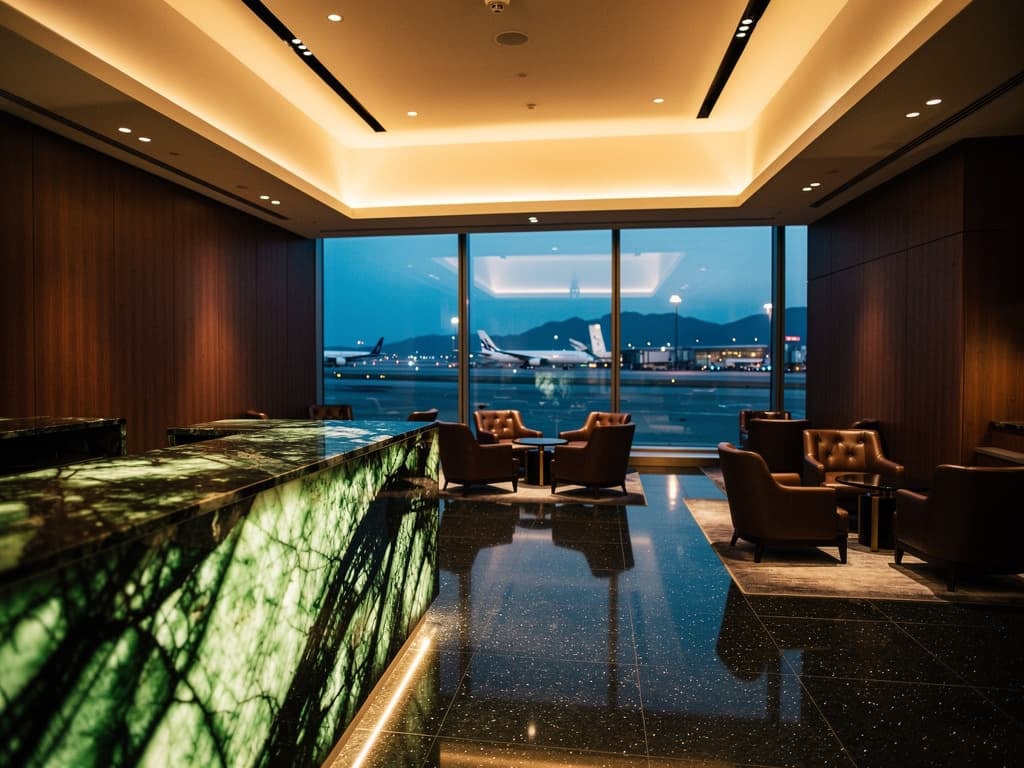
The lounge experience at The Pier — seating for approximately 550 guests, a Noodle Bar, Tea House, Food Hall, and 14 shower suites — adds genuine pre-departure value that partially offsets the dated onboard hard product. Designed by London-based Studioilse, the space is one of the more considered airport lounges in the region, and it is accessible to oneworld Emerald and Sapphire members transiting Hong Kong.
How to book Cathay A330 business class before the Aria Suite arrives
The aircraft assignment gap makes pre-booking research essential on any Cathay Pacific regional sector. Booking the route without checking which A330 configuration is assigned means accepting a meaningful product variance — the difference between a 2-2-2 recliner and a 1-2-1 herringbone is not a minor comfort upgrade.
- Check the seat map before confirming: Cathay’s booking flow and the official A330 aircraft page both display the cabin layout for the specific aircraft assigned. A 1-2-1 seat map indicates the herringbone product; a 2-2-2 map indicates the older recliner.
- Monitor for aircraft swaps closer to departure: Cathay occasionally reassigns aircraft on regional routes. Checking the seat map again within 72 hours of departure can reveal whether an upgrade or downgrade has occurred.
- Use Avios for short regional sectors: At 10,000 Avios plus taxes, the HKG–Phnom Penh sector represents strong redemption value regardless of which A330 configuration operates. The lounge access and meal service justify the points cost even on the older cabin.
- Prioritize window seats in the last row: On the 2-2-2 cabin, seats 15A and 15K offer marginally more quiet and less galley traffic than the bulkhead row, where bassinet installations and proximity to lavatories increase disruption.
- Watch for Aria Suite route announcements: When Cathay Pacific confirms which regional routes will receive the new 1-2-1 cabin first, those sectors become the priority booking targets for the remainder of 2026 and into 2027.
Watch: if the Aria Suite regional rollout begins on schedule by end of 2026, expect Cathay to prioritize higher-frequency, higher-yield routes — Tokyo, Singapore, Bangkok — before extending to lower-density sectors like Phnom Penh. A delay into 2027 would keep the older recliners dominant across most of the regional network.
FAQ
Which Cathay Pacific A330 business class configuration is best, and how do I know which one I’ll get?
The best current configuration is the 1-2-1 reverse herringbone, which offers direct aisle access and a fully flat bed. The worst is the 2-2-2 recliner reviewed here. To identify which product is assigned to your flight, check the seat map during booking on Cathay’s website or on the official A330 aircraft page — a 1-2-1 layout indicates the herringbone product, while a 2-2-2 layout confirms the older recliner. Re-check within 72 hours of departure in case of aircraft substitution.
When will the Cathay Pacific Aria Suite regional business class enter service?
The airline has confirmed the Aria Suite regional product — a 1-2-1 fully flat cabin with direct aisle access — is expected to enter service by the end of 2026. No specific launch route has been publicly confirmed as of May 2026. A separate fleet renewal involving 30 Airbus A330-900neo aircraft is scheduled to begin deliveries from 2028 onward.
Is 10,000 Avios a good redemption for Cathay Pacific business class on this route?
Yes. At 10,000 Avios plus €63.02 in taxes and fees for a 962-mile business class sector with lounge access, a full hot meal, and complimentary Wi-Fi, the redemption rate is strong by any regional standard. The value holds even on the older 2-2-2 cabin, given the soft product quality and pre-departure lounge experience at The Pier in Hong Kong.
Read more