Summary
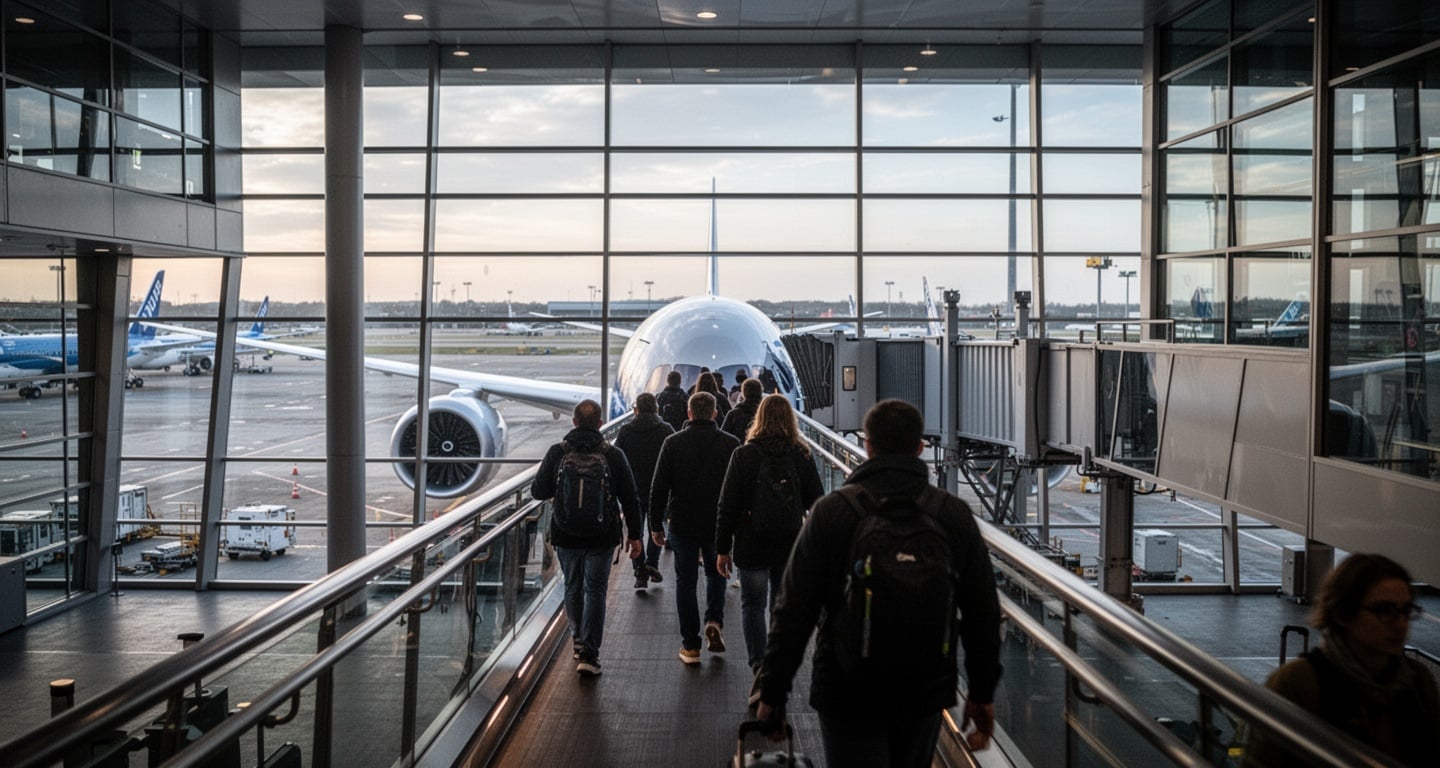
Air New Zealand is betting that the best way to conquer the “tyranny of distance” is to make passengers forget they’re flying. CEO Nikhil Ravishankar confirmed the carrier will expand its Boeing 787 fleet from 14 to 24 aircraft, with the first two new jets arriving shortly, each equipped with seven seat products — five optimized for sleep — including the industry-first SkyNest economy bunk beds. Sales for the $495-per-session pods opened in May 2026, with the first flights from New York JFK to Auckland launching December 24, 2026.
The airline has also recovered from engine-related groundings that idled 20% of its fleet a year ago, leaving just one aircraft grounded by end of June 2026. New direct routes from Christchurch to Japan, Singapore, and Perth will open South Island access, bypassing Auckland, while fuel price shocks are being partially offset by fare increases and schedule adjustments.
Air New Zealand’s new chief executive has a singular focus for the airline’s next chapter: sleep. In a wide-ranging strategy briefing, CEO Nikhil Ravishankar laid out a plan to turn the carrier’s remoteness into a competitive advantage by making its ultra-long-haul cabins the most sleep-friendly in the sky. “We want to win on sleep,” he said, framing the product overhaul as the key to converting the strong global desire to visit New Zealand into actual bookings.
The airline is emerging from a year of severe fleet constraints. At its worst, one in five aircraft sat grounded with engine issues — a mix of Rolls-Royce Trent 1000 and Pratt & Whitney GTF problems. By the end of June 2026, only a single aircraft remained out of service, and the last stored Dreamliner returned to revenue flying in early July. That recovery, combined with the arrival of new Boeing 787-9s, gives Ravishankar the capacity to refocus on growth for the first time since the pandemic.
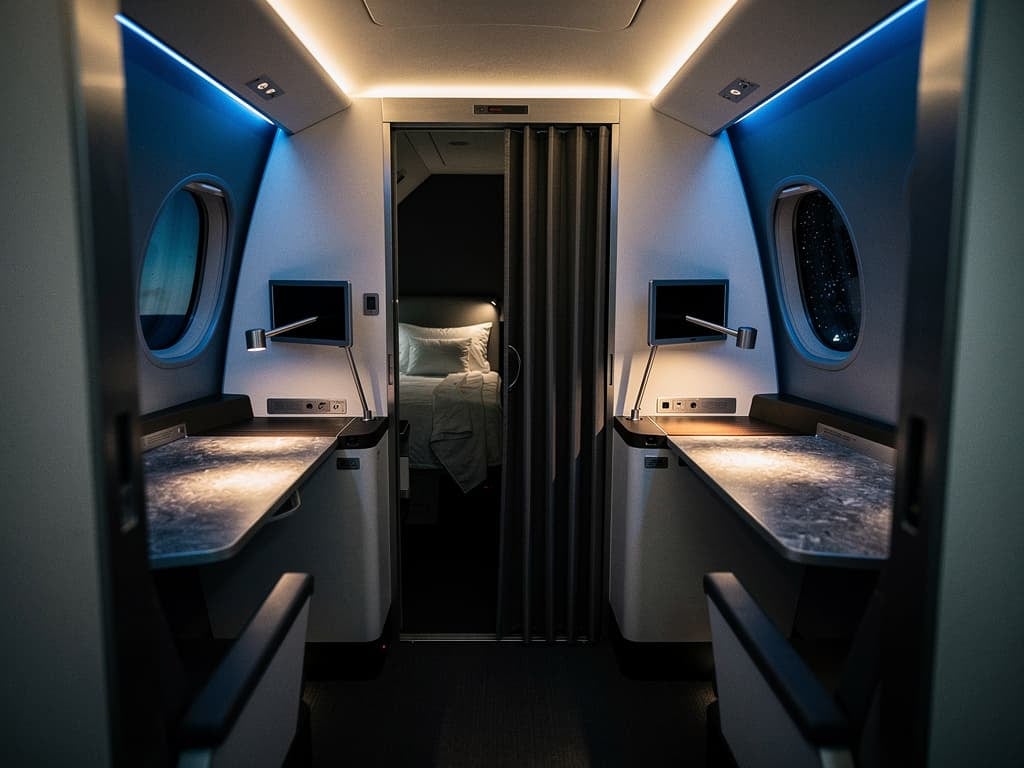
The centerpiece is SkyNest, a set of six lie-flat bunk beds stacked three-high in a dedicated module between Economy and Premium Economy. Each pod measures 80 inches (203 cm) long and 23 inches (58.4 cm) wide at the shoulders, with privacy curtains, mattress pads, pillows, blankets, and USB/USB-C charging. Passengers aged 15 and older can book one four-hour session per flight for $495, with two sessions initially offered on the 17-hour JFK–Auckland route starting December 24, 2026.
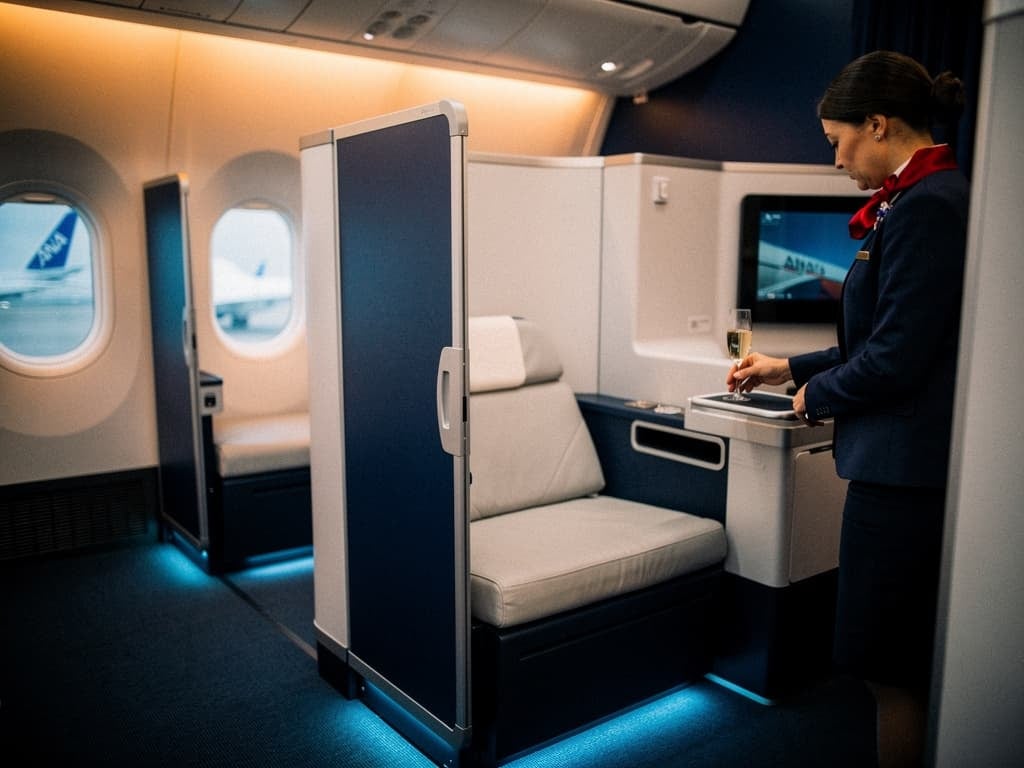
Alongside SkyNest, the new 787s will feature SkyCouch — a row of three economy seats that converts into a bed — plus a redesigned Premium Economy seat and two business-class variants: Business Premier and the fully enclosed Business Premier Luxe suite. Five of the seven seat types are explicitly optimized for sleep, a deliberate design choice that Ravishankar believes will differentiate Air New Zealand on the world’s longest routes.
The details
Ravishankar confirmed that international tourism demand into New Zealand remains exceptionally strong, calling the country “an oasis of peace, tranquility and stability” in a chaotic world. Tourism is the nation’s second-largest GDP contributor, and the airline sees its sleep-focused cabins as the bridge between that demand and the reality of 12-to-17-hour flights from North America and Asia. The carrier’s operational performance now ranks among the top five global airlines for on-time arrivals and low cancellation rates, with customer satisfaction at historic highs.
Fleet expansion is already underway. The first two of ten additional Boeing 787-9s will be delivered shortly, growing the widebody fleet to 24 aircraft. That capacity unlocks new route possibilities, starting with direct international services from Christchurch — the gateway to the South Island’s fjords, Southern Alps, and Queenstown — to Japan, Singapore, and Perth. The routes also carry high-value cargo: king salmon, cherries, and crayfish bound for Asian and Australian markets.
Fuel costs remain a headwind. Much of the airline’s crude supply comes from the Middle East, and the ongoing conflict has triggered a price shock. Ravishankar said the carrier is mitigating about 40% of the increase through fare rises, flight consolidation, frequency reductions, and cost controls, with no supply disruptions reported.
On the sustainability front, a flight-test campaign with BETA Technologies’ all-electric ALIA CX300 concluded successfully, but Ravishankar noted that a larger passenger variant — over 19 seats — would be needed for commercial viability on domestic routes, 65% of which are under 350 nautical miles. The airline remains in discussions with BETA and continues to evaluate Heart Aerospace.
| Seat product | Key specs | Approximate pricing (JFK–AKL one-way) |
|---|---|---|
| Business Premier Luxe | Enclosed suite, 22″ width, 78″ length, 180° lie-flat, 18″ screen | $7,000+ |
| Business Premier | Lie-flat seat, 20.5″ width, 76″ length, direct aisle access | $5,000–$6,000 |
| Premium Economy | New seat, 19″ width, 41″ pitch, leg rest | $2,500–$3,500 |
| SkyCouch | Row of 3 economy seats converting to bed, 20″ width per person, 76″ length | From $1,800 (plus upgrade fee) |
| SkyNest | Lie-flat bunk bed, 80″ length, 23″ width, privacy curtain, USB/USB-C | $495 per 4-hour session |

Flight deals most people never see
Our AI monitors 150+ airlines for pricing anomalies that traditional search engines miss. Air Traveler Club members save $650 per trip per person on average: see how it works.
Each deal saves 40–80% vs. regular fares:

The value-add
Air New Zealand’s sleep strategy is a bold bet on ultra-long-haul differentiation, but it arrives at a moment when competitors are still years away from matching it. Qantas’ Project Sunrise sleep zones won’t launch until 2027, and Singapore Airlines’ “Starry” economy pods remain a concept. By putting SkyNest into revenue service this December, the Kiwi carrier secures a 12-to-18-month head start — and forces rivals to accelerate their own cabin innovations. Air Traveler Club’s analysis of SkyNest’s potential to reshape long-haul economy explores whether the bunk beds can truly transform the passenger experience or remain a niche novelty.
The commercial logic extends beyond passenger comfort. By linking Christchurch directly to Asia and Australia, the airline captures both tourism flows and high-margin perishable cargo — a dual-revenue model that insulates routes from demand swings. For premium travelers, the immediate takeaway is that award space on the new 787s will be tight, especially on the flagship JFK–Auckland service, where only six bunks and a limited number of Business Premier Luxe suites exist per aircraft.
How to secure SkyNest and premium access on new routes
The rollout of sleep-optimized cabins and new South Island routes creates immediate booking opportunities for premium travelers, but inventory is scarce and timing is critical.
- Book SkyNest immediately upon ticket purchase. The six bunks per aircraft sell quickly, especially on the 17-hour JFK–AKL flight. Sessions are $495 per four-hour block and can only be added at the time of booking via Air New Zealand’s website.
- Prioritize Business Premier Luxe for privacy. The enclosed suite offers the most refined experience on the new 787s, with direct aisle access and a 22-inch-wide bed. Award availability is limited; use ExpertFlyer alerts or call the Premier desk to monitor space.
- Leverage Star Alliance partners for award tickets. United MileagePlus and Singapore Airlines KrisFlyer often release unsold premium inventory 2–3 weeks before departure. Positioning flights via Auckland can then connect to Christchurch for South Island itineraries.
- Watch for Christchurch route launch dates. Direct services to Japan, Singapore, and Perth will bypass Auckland, cutting travel time to Queenstown and the Southern Alps. If launch dates are confirmed before Q4 2026, book early to secure premium seats on these inaugural flights.
The carrier has hinted at East Coast U.S. expansion as a higher priority than a London return, so monitor for new nonstop routes from New York or Chicago that could further open award space.
FAQ
How much does a SkyNest session cost, and what does it include?
SkyNest sessions are priced at $495 per four-hour block on the New York JFK–Auckland route. Each pod includes a mattress pad, pillow, blanket, privacy curtain, reading lamp, ventilation, and USB/USB-C charging. Passengers aged 15 and older may book one session per flight, with two sessions initially offered per aircraft.
When will SkyNest be available on Air New Zealand flights?
SkyNest will debut on the first two new Boeing 787-9 aircraft, with the inaugural JFK–Auckland service scheduled for December 24, 2026. Sales opened in May 2026, and the product will eventually roll out across the expanded 787 fleet as additional aircraft are delivered.
What new routes is Air New Zealand launching from Christchurch?
The airline has announced direct international services from Christchurch to Japan, Singapore, and Perth, Western Australia. These routes will provide nonstop access to the South Island’s tourism and high-value cargo markets, bypassing Auckland. Launch dates have not yet been confirmed but are expected in the coming months.
Read more