Summary
London Gatwick Airport halted all operations on September 4, 2026, after a Norse Atlantic Airways Boeing 787-9 rejected takeoff on its sole main runway. The aircraft, bound for New York JFK, stopped at approximately 120 knots due to a reported nose-gear problem, triggering an immediate ground stop that forced multiple inbound EasyJet flights to divert to Luton and Stansted.
The runway reopened at 14:36 BST after the aircraft was towed and inspected, but knock-on delays are expected through the rest of the day. Affected passengers should check flight status directly with their airlines and review rebooking options immediately.
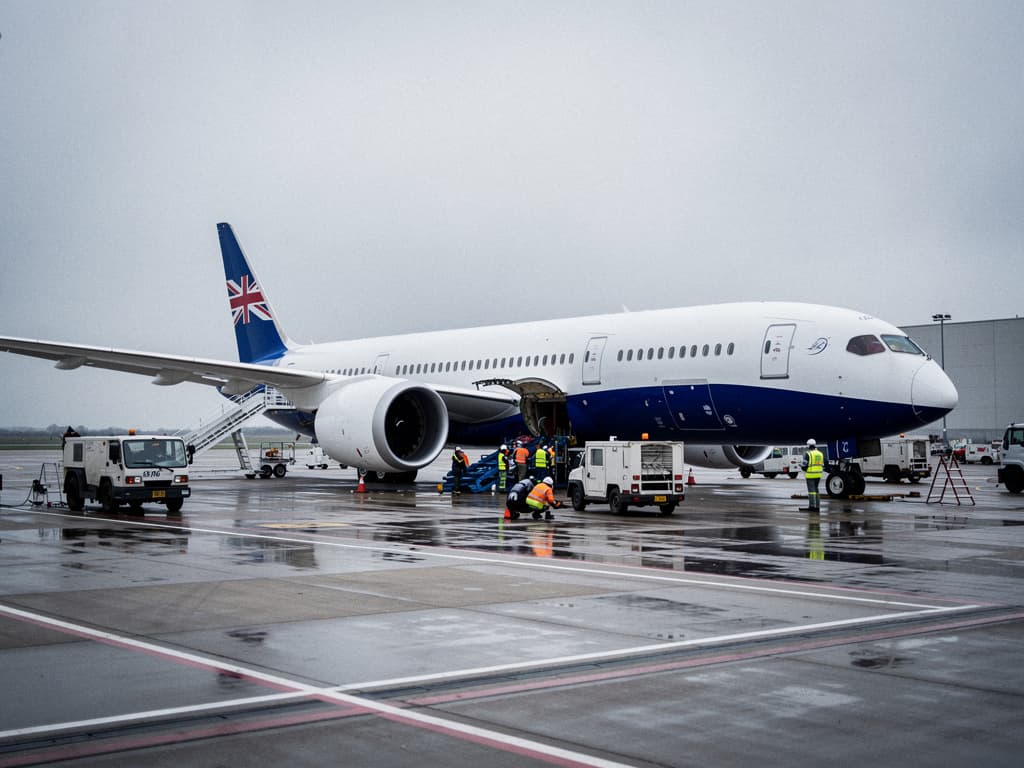
A routine transatlantic departure turned into a region-wide operational headache on Thursday when a Norse Atlantic Airways Boeing 787-9 aborted its takeoff roll at London Gatwick. Flight Z0701, bound for New York JFK, rejected takeoff at approximately 120 knots after a reported issue with the nose-gear assembly. No injuries were reported among those onboard the aircraft, registered G-CKOF.
The incident exposed the fragility of single-runway operations at one of Europe’s busiest airports. With runway 26L blocked by the disabled widebody, Gatwick imposed an immediate ground stop. The disruption cascaded quickly through the London airport system.
Several inbound EasyJet flights diverted to London Luton and London Stansted, scattering passengers across the region’s alternative hubs. Emergency vehicles responded to the far end of the runway while airport authorities prepared for the mandatory post-incident inspection required before any resumption of service.
By 14:30 BST, the Dreamliner had taxied to a remote stand. Operations resumed on runway 26L just six minutes later, at 14:36 BST, after the aircraft was towed clear and the surface inspected for debris. But for premium passengers on the London–New York corridor and EasyJet travelers across Western Europe, the disruption was far from over. Residual delays and crew displacement are expected to ripple through schedules for hours.
The details
The sequence began when Norse Atlantic flight Z0701 initiated its takeoff roll on runway 26L. At approximately 120 knots — well below typical rotation speed for a 787-9 — the crew rejected the takeoff. Industry sources confirm the decision followed an indication of a nose-gear fault, though the specific mechanical failure remains unconfirmed pending further inspection.
Gatwick’s single-runway configuration meant there was no alternative surface to use. The airport’s operating model makes it particularly exposed to disabled-aircraft events, and a widebody stranded mid-runway represents a worst-case scenario for recovery coordinators. The mandatory runway inspection — standard procedure after any rejected takeoff at high speed — added necessary time before the airfield could reopen.
For affected travelers, the immediate priority is rebooking. Norse Atlantic directs customers to its “Your Trips” portal, accessible with a booking reference and surname. Changes must be made at least one hour before departure and are limited to the same route. Flextra fares carry no change fee, while lower-tier fares incur charges. Pre-purchased ancillaries are non-refundable and cannot be transferred to a new flight after a date change.
EasyJet passengers displaced by diversions can use the airline’s Manage Booking Disruption Portal to book indirect EasyJet routes free of charge. The carrier also confirms that disrupted passengers may be entitled to meals, refreshments, hotel accommodation, transport, and communication support when waiting times require it.
| Time (BST) | Event | Impact |
|---|---|---|
| ~12:00–13:00 | Z0701 rejects takeoff at ~120 knots on runway 26L | Immediate ground stop; Gatwick operations halted |
| 12:00–14:30 | Emergency response; aircraft inspection; EasyJet diversions to LTN/STN | Regional disruption; passengers scattered across London hubs |
| 14:30 | G-CKOF taxis to remote stand | Runway clearance begins |
| 14:36 | Runway 26L reopens after inspection | Flight operations resume; residual delays continue |

Flight deals most people never see
Our AI monitors 150+ airlines for pricing anomalies that traditional search engines miss. Air Traveler Club members save $650 per trip per person on average: see how it works.
Each deal saves 40–80% vs. regular fares:

What this reveals about single-runway vulnerability
The incident is less about the specific aircraft fault — nose-gear issues are rare but not unheard of on the 787 fleet — and more about the operational fragility of a single-runway airport handling both short-haul and long-haul traffic. Gatwick’s recovery was swift by industry standards: the aircraft was moved and the runway inspected within roughly two hours. But the cascading effect on EasyJet’s European network shows how quickly a London airport disruption redistributes passengers across the region’s already congested system.
For premium travelers on the London–New York corridor, the practical differentiator during disruptions like this is schedule density and alliance coverage. British Airways, Virgin Atlantic, and American Airlines operate far more frequencies from Heathrow than Norse Atlantic offers from Gatwick — and that depth becomes critical when same-day recovery is required. Air Traveler Club’s analysis of the BA Dreamliner grounding at Heathrow earlier this year demonstrated how quickly premium cabin inventory tightens after a single widebody cancellation, and the same dynamic applies here.
How to protect your booking as residual delays continue
The runway has reopened, but crew displacement and aircraft positioning mean knock-on delays will persist through the evening. For anyone holding a Gatwick booking today, the window for proactive rebooking is narrow.
- Check Norse Atlantic’s portal now rather than waiting for airline outreach. The carrier’s manage-booking flow requires only a booking reference and surname. Changes must be completed at least one hour before departure, and same-route restrictions apply — you cannot switch to a different destination pair even if it serves the same region.
- Flextra fares eliminate change fees, but lower-tier tickets will incur costs. Compare the change fee plus any fare difference against refunding and rebooking separately. Pre-purchased ancillaries — seat selection, meals, baggage — are non-refundable and non-transferable after a date change, so factor that loss into your calculation.
- EasyJet’s indirect rebooking option is genuinely useful for stranded passengers. The Disruption Portal allows free rebooking onto alternative EasyJet routes without extra fees. If your original destination is no longer reachable today, consider routing through a different EasyJet base — the tool handles this automatically.
- Preserve every receipt if your delay extends overnight. UK passenger rights entitle you to meals, refreshments, hotel accommodation, and transport when waiting time requires it. EasyJet explicitly acknowledges these obligations; claim through the airline’s disruption page rather than waiting for automatic processing.
Watch for any formal statement from the UK Air Accidents Investigation Branch or Civil Aviation Authority naming a specific nose-gear defect. If a technical investigation opens, it could signal a broader fleet inspection requirement rather than an isolated incident.
FAQ
Is Gatwick Airport still closed?
No. Runway 26L reopened at 14:36 BST on September 4, 2026, after the Norse Atlantic Boeing 787 was towed to a remote stand and the runway surface was inspected. Flight operations have resumed, though residual delays continue.
What caused the rejected takeoff?
The crew rejected takeoff at approximately 120 knots due to a reported problem with the nose-gear assembly. The specific mechanical fault has not been publicly confirmed, and no formal investigation has been announced as of publication time.
Can I rebook my Norse Atlantic flight without a fee?
Only if you hold a Flextra fare, which carries no change fee. Lower-tier fares incur charges, and all changes must be made at least one hour before departure via the “Your Trips” portal. Changes are limited to the same route, and pre-purchased ancillaries are non-refundable and non-transferable.
What happens if my EasyJet flight was diverted?
Use the airline’s Manage Booking Disruption Portal to rebook onto an indirect EasyJet route free of charge. You may also be entitled to meals, refreshments, hotel accommodation, and transport depending on waiting time. Preserve all receipts for claims.
Read more