Summary
A United Airlines transatlantic flight from Edinburgh to Chicago devolved into a nine-hour ground ordeal at a small Wisconsin airport on July 27, stranding passengers outdoors for five hours after the crew hit FAA duty limits and customs officers had gone home. The compounding failures—severe weather, crew timeouts, and a closed CBP facility—left travelers in a controlled tarmac area with no clear path to processing or compensation.
The incident exposes a critical vulnerability for international diversions at secondary U.S. airports. United flight UA119 ultimately reached Chicago O’Hare at 10:55 p.m., nearly nine hours late.
What began as a routine transatlantic crossing on July 27 became a stress test of operational resilience when United flight UA119 from Edinburgh diverted to Green Bay, Wisconsin. Severe storms around Chicago had spawned seven tornadoes and wind gusts exceeding 100 mph, forcing the Boeing 757-200 to land at Austin Straubel International Airport shortly after 2:00 p.m. Passengers would not reach O’Hare until 10:55 p.m. that night.
The aircraft, registration N14120, sat on the ground for roughly four hours as United initially filed a repositioning flight for 3:05 p.m. But the crew’s FAA-mandated duty clock kept ticking. When the 757 finally taxied toward the runway, the pilots timed out—forcing an immediate return to the ramp.
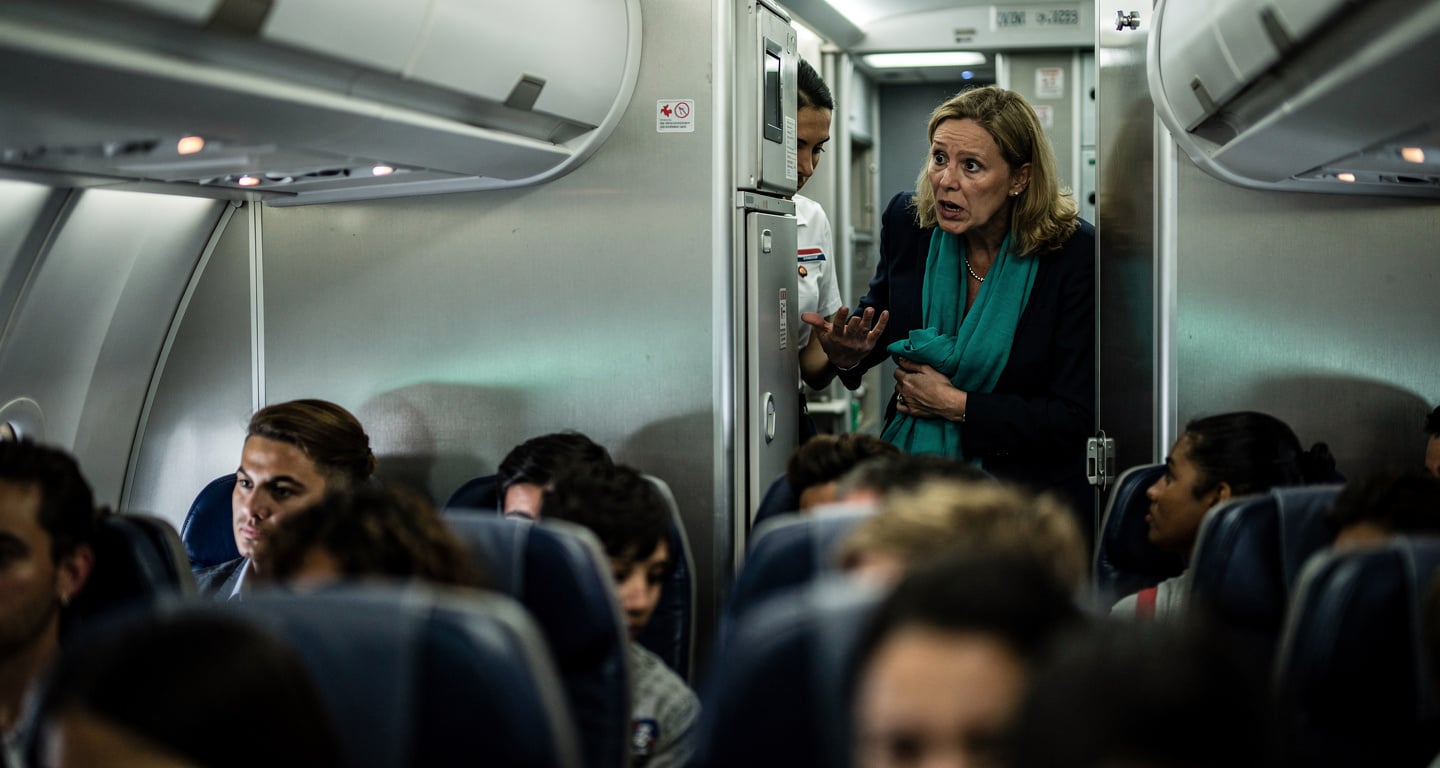
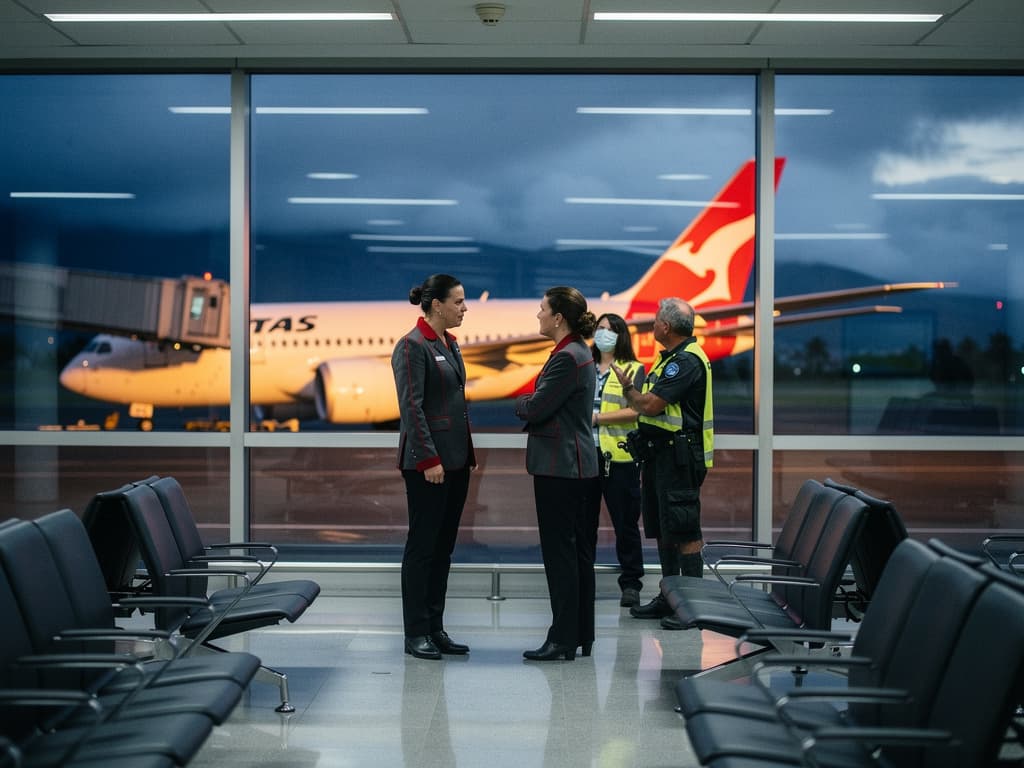
What followed was unprecedented for an international diversion. With Green Bay’s Customs and Border Protection office closed since 4:30 p.m., passengers were deplaned into a controlled outdoor tarmac area. They remained there for approximately five hours, unable to enter the terminal because no officers were available to process international arrivals. A United spokesperson confirmed the airline was permitted to deplane customers into the controlled area but could not clear them through customs.
The scope of the disruption extended beyond the immediate delay. Passenger accounts described shortages of food and toilet paper during the initial onboard hold, though these conditions remain unverified. The total journey time for some travelers, including connections, reportedly approached 20 hours.
The operational cascade that broke a transatlantic flight
The chain of failures at Green Bay illustrates how three independent constraints—weather, crew legality, and customs staffing—can compress into a single passenger crisis. FAA flight crew duty limits under 14 CFR Part 117 typically allow between nine and 14 hours on duty, and ground holds count against that clock. The four-hour wait consumed the crew’s remaining duty time, leaving United to source a replacement crew at an outstation airport.
Simultaneously, DOT tarmac delay rules under 14 CFR 259.4 require international flights to offer passengers deplaning opportunities before four hours elapse, provide food and water within two hours, and maintain operational lavatories. United confirmed it provided food and beverages during the extended wait, but the transition from an onboard hold to an outdoor tarmac area raises new questions about what constitutes acceptable deplaning for international arrivals.
| Time (local) | Event | Impact |
|---|---|---|
| 11:57 a.m. | UA119 departs Edinburgh | Scheduled Chicago arrival: 2:05 p.m. |
| ~2:00 p.m. | Diverts to Green Bay (GRB) | Severe weather closes O’Hare approaches |
| ~6:00 p.m. | Crew times out during taxi-out | Aircraft returns to ramp; replacement crew required |
| ~6:00–11:00 p.m. | Passengers held in outdoor tarmac area | CBP office closed; no customs processing available |
| 10:19 p.m. | Flight departs Green Bay | 37-minute flight to Chicago |
| 10:55 p.m. | Arrives Chicago O’Hare | Total delay: ~9 hours |

Flight deals most people never see
Our AI monitors 150+ airlines for pricing anomalies that traditional search engines miss. Air Traveler Club members save $650 per trip per person on average: see how it works.
Each deal saves 40–80% vs. regular fares:

Why this matters beyond one bad delay
This is not an isolated incident for United. On June 14, flight UA404 from Houston to Newark diverted to Washington Dulles, where the captain hit his duty limit with a reported single minute to spare before takeoff. The pattern suggests weather diversions are increasingly colliding with crew scheduling constraints across United’s network.
For premium transatlantic travelers, the risk is structural rather than anecdotal. Every major U.S. carrier faces the same vulnerability: once an international flight diverts to a secondary airport, customs hours and crew legality matter as much as seat quality. The Air Traveler Club’s operational disruption analysis has tracked similar systemic breakdowns where infrastructure gaps magnify routine delays into passenger crises.
The Edinburgh–Chicago corridor is a Tier-1 premium route where travelers book nonstop convenience. This incident demonstrates how quickly that value proposition collapses when the recovery network lacks the infrastructure to process international arrivals outside business hours.
How to protect yourself on international itineraries
The Green Bay incident exposes a specific vulnerability: diversions to airports with limited customs hours can strand international passengers even after they leave the aircraft. Here’s what to do now if you hold bookings on transatlantic routes prone to summer storm disruptions.
- Check your flight’s diversion airports before departure. Identify which alternate airports your airline uses on the route and verify CBP operating hours. If a diversion point closes customs by late afternoon, afternoon arrivals carry higher risk of post-deplaning holds.
- Know the four-hour tarmac rule. Under 14 CFR 259.4, international flights must offer deplaning before four hours on the ground. If you approach that threshold, ask crew about deplaning plans and document the timeline.
- File for trip delay benefits immediately. Premium cards like the Amex Platinum cover expenses after six-hour delays. Save receipts for food, transport, and lodging during the disruption—do not wait until you return home to file.
- Request same-cabin rebooking. If a diversion forces an overnight stay or cancellation, insist on rebooking in your original cabin. Accepting a downgrade may waive your right to fare difference compensation.
- Document everything. Note times of key events—landing, deplaning, crew timeout announcements, and final departure. This timeline matters for both compensation claims and any regulatory complaint.
FAQ
Does United owe passengers compensation for the Green Bay diversion?
Weather-related diversions do not automatically trigger compensation under U.S. law. Airlines must refund tickets only for canceled flights or when a passenger declines travel after a significant delay. United reportedly offered affected passengers flight credits ranging from $200 to $500, though this remains unverified by the airline.
Did United violate tarmac delay rules during the Green Bay incident?
The DOT’s four-hour deplaning requirement for international flights appears to have been met when passengers exited the aircraft. However, the outdoor controlled tarmac area raises questions about whether this constitutes acceptable deplaning. No DOT enforcement action has been announced as of publication.
How can I avoid similar situations on future international flights?
Research your route’s typical diversion airports and their CBP hours before travel. Afternoon transatlantic arrivals into storm-prone hubs carry higher risk of diversion to airports where customs facilities close by early evening. Booking morning arrivals reduces this exposure.
Read more