Summary
Delta Air Lines is unbundling its premium cabins, launching basic fares across Delta First, Premium Select, and Delta One that strip away seat selection, lounge access on long‑haul, upgrade eligibility, and meaningful mileage earning. The lowest‑priced Delta One Basic Business tickets lose Sky Club and Delta One Lounge access after January 18, 2027, forcing passengers to accept a gate‑assigned seat and zero Medallion Qualification Dollars.
While the new fares tout lower upfront costs, the elimination of advance seat choice and the looming lounge cutoff fundamentally alters the value proposition. Travelers can book now for September travel to lock in the temporary lounge grace period before the restrictions take full effect.
Delta Air Lines upended premium cabin booking logic on July 8, splitting its signature products into a cheaper tier that slashes the very perks flyers pay for. The carrier began selling Delta First Basic, Premium Select Basic, and Basic Business—the Delta One version—with immediate effect for travel starting in September, but anyone expecting a fully‑featured premium experience will find a starkly stripped‑down product.
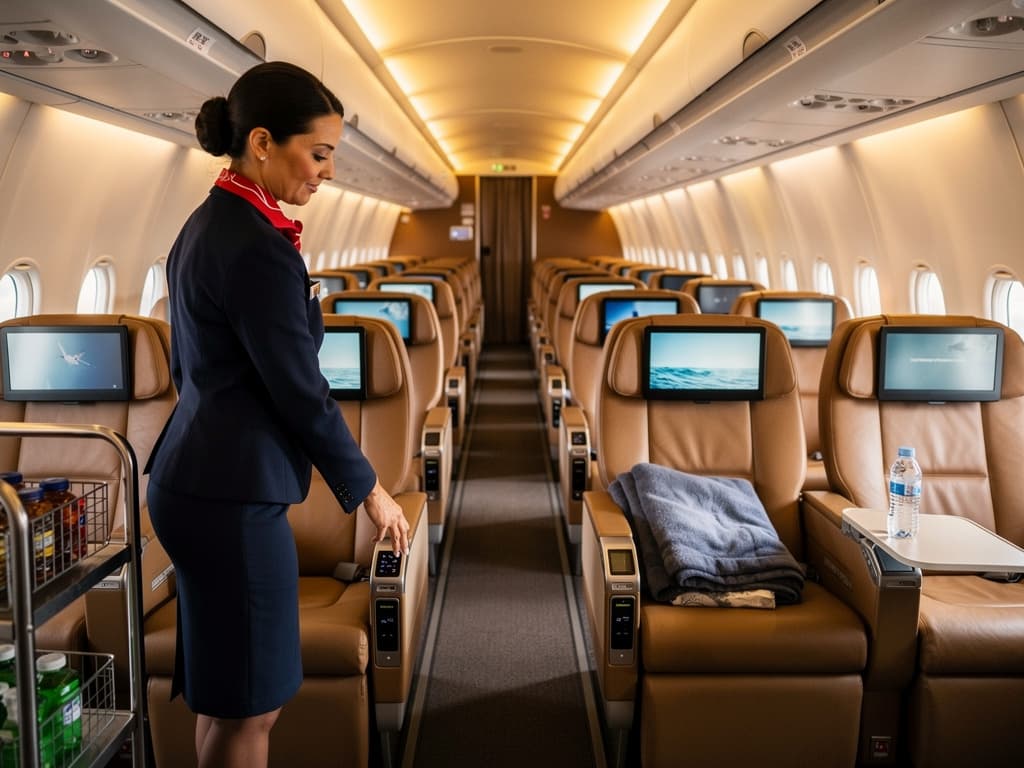
Delta First Basic, already airborne on select domestic and Latin routes, delivers a larger seat but no advance seat assignment; travelers receive a seat only after check‑in and are excluded from all upgrades, even with elite status. Mileage earning is reduced and includes no MQDs, meaning these tickets do nothing to advance toward Medallion status.
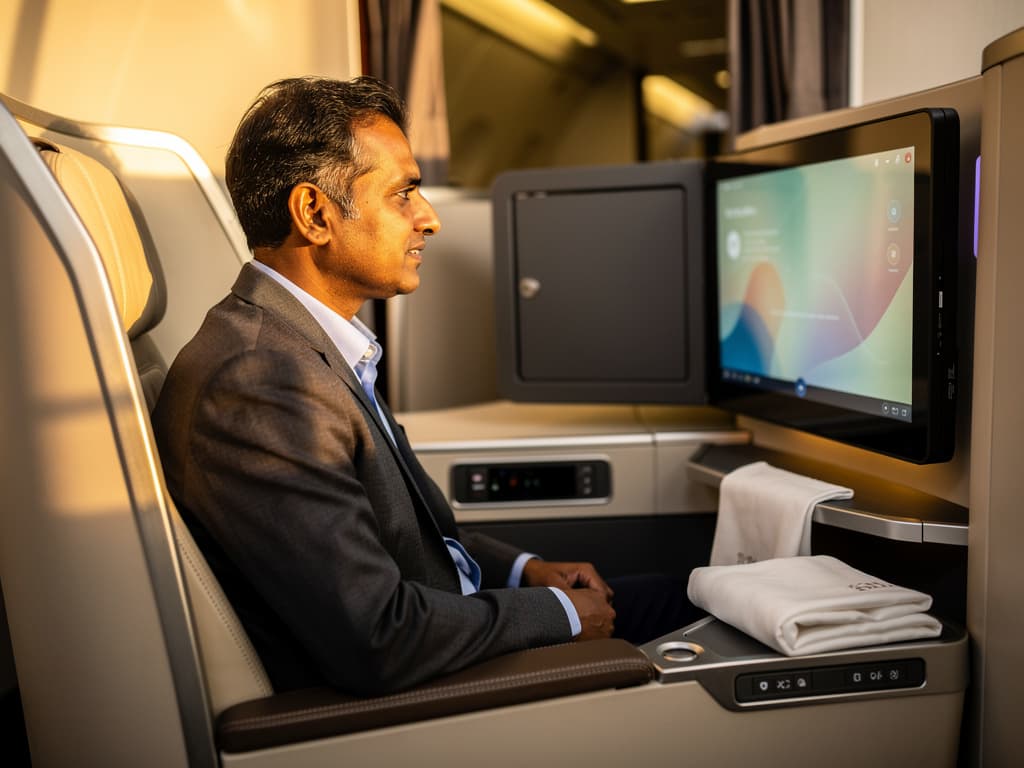
The Basic Business fare for Delta One is where the cuts cut deepest. Through January 18, 2027, the airline is granting temporary access to Sky Club and the new Delta One Lounge to ease the transition. On January 19, 2027, that access vanishes, leaving basic business passengers with no club privileges unless they hold Platinum or Diamond status, carry a qualifying co‑branded credit card, or purchase a club membership.
The move mirrors United Airlines’ controversial basic Polaris launch but diverges sharply on lounges. United’s basic business fares retain United Club access—a crucial distinction for long‑haul flyers facing a 15‑hour itinerary with a long layover. Delta’s version recalibrates the math between fare savings and ground‑service sacrifice.
The Details
Delta confirmed the new fare structure in its official announcement, outlining three stripped‑down premium options. The Basic fares eliminate advance seat assignment—passengers are assigned a seat at the gate—block all complimentary and paid upgrades, reduce mileage earning to a trickle with no MQD contribution, and cut one checked bag compared to Classic fares. Basic Business inherits the same restrictions but adds the lounge‑access time bomb.
| Product | Lounge Access | Seat Selection | Mileage Earning | Upgrade Eligibility |
|---|---|---|---|---|
| Delta First Basic | Not applicable (domestic) | After check-in | Reduced; no MQDs | None |
| Delta Premium Select Basic | Not included | After check-in | Reduced; no MQDs | None |
| Delta Basic Business (Delta One) | Sky Club & One Lounge excluded after Jan 2027 | After check-in | Reduced; no MQDs | None |
| United Basic Polaris | United Club included; Polaris Lounge excluded | After check-in (fees for advance) | Zero miles for general members; elite tiers may earn reduced | None |

Flight deals most people never see
Our AI monitors 150+ airlines for pricing anomalies that traditional search engines miss. Air Traveler Club members save $650 per trip per person on average: see how it works.
Each deal saves 40–80% vs. regular fares:

The Value-Add
Delta’s aggressive unbundling of its premium experience is a calculated bet that price‑sensitive flyers will trade away pre‑flight comfort for a lie‑flat seat. Yet the strategy immediately positions the airline behind United Airlines, whose basic Polaris product retains United Club access—a critical advantage for long‑haul business travelers who value a hot shower and workspace before a transpacific odyssey. Air Traveler Club’s premium cabin fare devaluation analysis documented the blowback United faced when it stripped mileage for base fares; Delta now risks a similar elite exodus by removing lounge access altogether.
For domestic first class, the calculus is simpler: a seat that’s 18 inches wide with no upgrade chance may still be worth a $200–$300 discount if you never visit the Sky Club. On Delta One, the value gap widens as lounge closures approach, pointing travelers toward United’s more inclusive basic business or back to standard Delta fares for those who can’t stomach the trade‑off.
How to decide if a basic premium fare is right for you
This sweeping change forces every Delta premium traveler to reassess the price‑worth‑perks equation—especially for long‑haul itineraries where lounge access can rescue a tight connection.
- Calculate the total cost, not just the sticker. A Basic Business fare may save $400 round‑trip, but if you value advance seat selection, two checked bags, and lounge showers, the standard fare’s extras often exceed the discount.
- Lock in the lounge grace period. Book Basic Business travel through January 18, 2027, to enjoy Sky Club and Delta One Lounge access while it lasts; after that date, access requires elite status or a qualifying credit card.
- Leverage elite status selectively. Medallion Gold, Platinum, and Diamond members retain priority check‑in and waived baggage fees, but they cannot upgrade and still earn no MQDs. Consider whether the loss of qualification progress offsets the fare savings.
- Shop United for lounge‑dependent routes. If your itinerary includes a long layover at a hub with a United Club, United’s basic Polaris product—complete with club access—may deliver a substantially better ground experience for a similar price.
Watch: Delta is expected to announce a route expansion for basic premium fares in Q3 2026. If Asia‑Pacific Delta One flights are added, the lounge cutoff will become a make‑or‑break factor for transpacific business travelers, shifting more volume toward United’s inclusive basic product.
FAQ
Can I still access the Delta Sky Club with a Basic Business ticket in 2026?
Yes, Basic Business passengers enjoy full Sky Club and Delta One Lounge access through January 18, 2027. After that date, access is removed unless the traveler holds qualifying Medallion status, carries an eligible credit card, or purchases a club membership.
Do basic premium fares earn Medallion Qualification Dollars?
No. Delta First Basic, Premium Select Basic, and Basic Business earn reduced redeemable miles and zero MQDs, meaning these tickets do not contribute to elite status qualification.
Will my Medallion status get me an upgrade from a Basic First ticket?
No. Basic fares are ineligible for any complimentary or paid upgrades, regardless of Medallion tier. Even Diamond Medallion members cannot move from a Basic First seat to empty space in Delta One.
What happens if I need to change my Basic Business ticket?
Changes are fee‑restricted and governed by the fare rules at the time of booking. Unlike fully flexible premium fares, basic tickets carry stiff penalties and may not be changeable at all, so careful trip planning is essential.
Read more