Summary
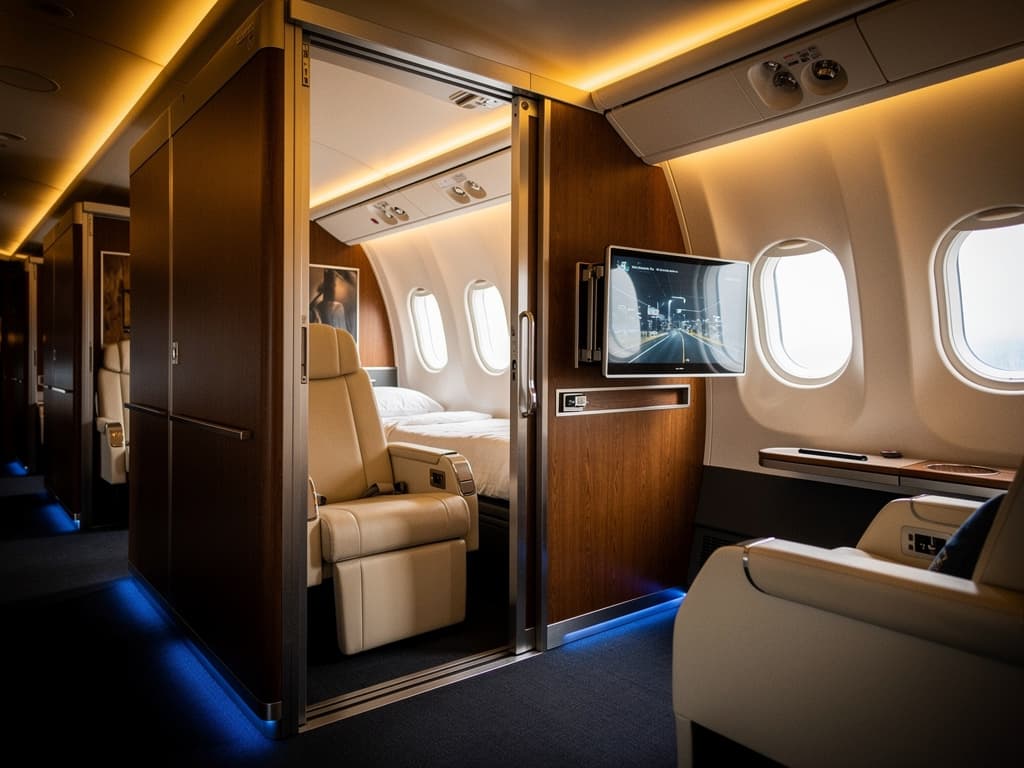
The Airbus A380 is the only commercial aircraft ever to feature onboard showers, and the amenity will almost certainly vanish when the superjumbo retires. Emirates and Etihad exploited a unique quirk of the double-decker’s design — a non-revenue “crown area” at the front of the upper deck where passenger seats cannot legally be installed — to build shower suites that double as the ultimate brand differentiator.
The A380’s 575-tonne maximum takeoff weight absorbs the half-tonne water and plumbing penalty with negligible operational impact. No twin-engine aircraft, including Emirates’ future Boeing 777-9 flagship, replicates this equation.
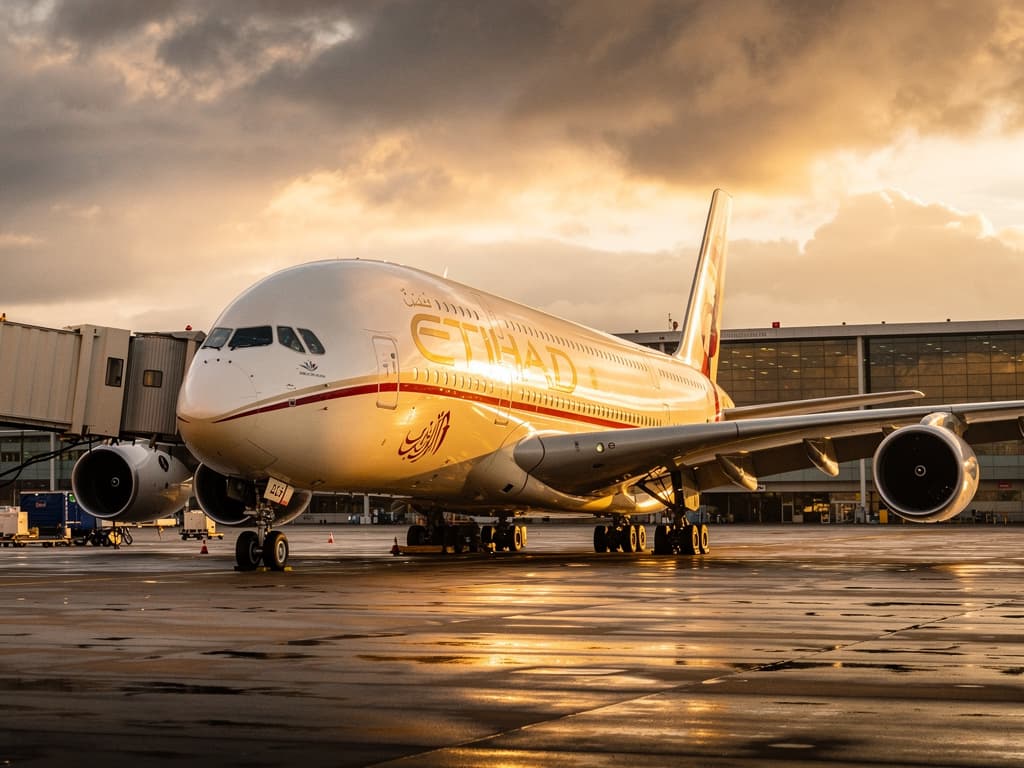
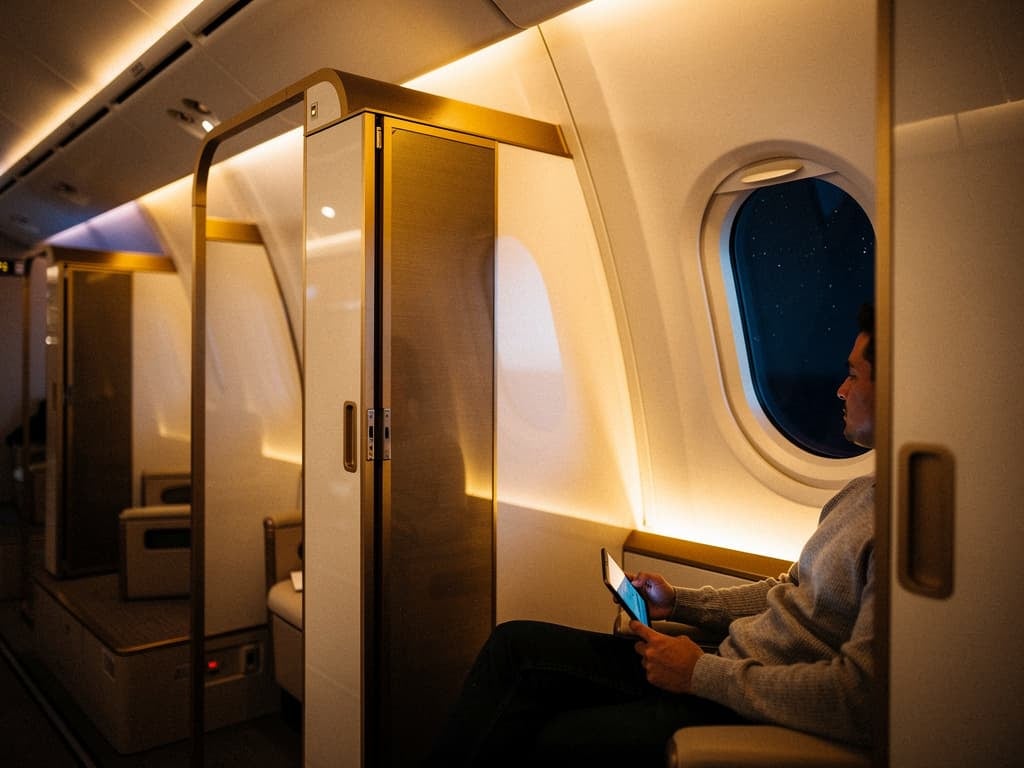
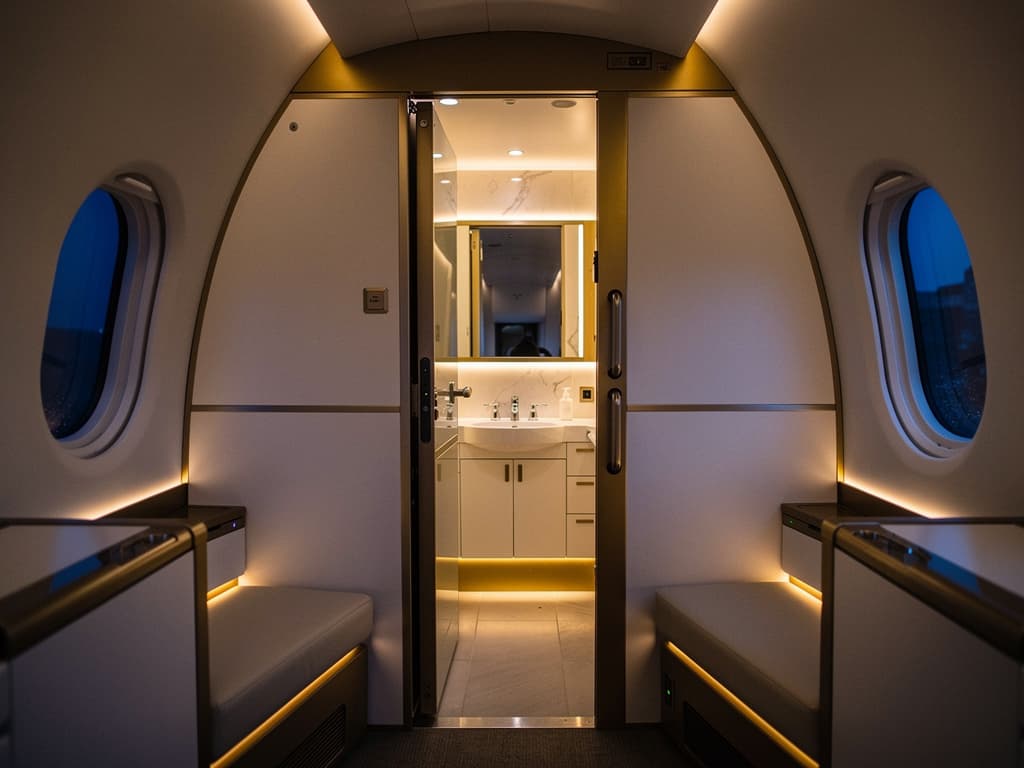
At 40,000 feet, a five-minute shower with heated floors and a view of the curvature of the Earth is as close to an airship-era indulgence as modern commercial aviation gets. For sixteen years, Emirates and Etihad have turned the Airbus A380’s forward upper deck into a spa-like sanctuary, a feature that remains entirely absent from every other aircraft type in scheduled service.
The numbers tell a story of extreme engineering accommodation. Emirates’ two shower suites serve up to 14 first class passengers, while Etihad dedicates one shower to its nine first class apartments and a separate shower suite to The Residence, its three-room private cabin. Both carriers limit guests to five minutes of running water per session, booked by appointment with the cabin crew.
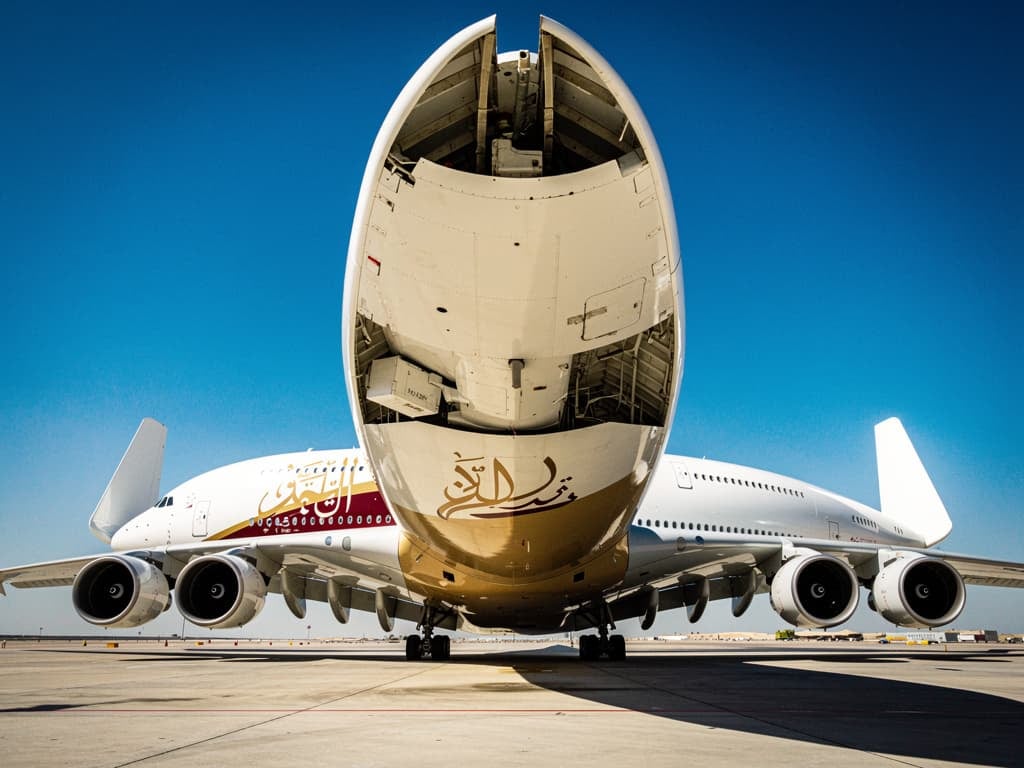
But the operational math that made these showers possible is tied to a single airframe. The A380’s crown area — the sloping fuselage section ahead of the first class cabin on the upper deck — cannot legally accommodate revenue seats. Emirates and Etihad converted this dead space into shower suites without sacrificing a single paying passenger. Meanwhile, the aircraft’s 575-tonne maximum takeoff weight trivializes the roughly 500 kilograms of water and plumbing required. A Boeing 777-300ER, by comparison, maxes out at 351.5 tonnes. The same water weight hits a twin-engine jet’s payload-range performance far harder.
The engineering and economics of a sky-high shower
Emirates introduced its shower spas in late 2008, pairing them with a booking system and timed hot-water use. Etihad followed in 2014, installing one shower for first class and another within The Residence. Both airlines placed the suites in the forward crown area, a space other A380 operators have used for lounges, larger lavatories, or — in Air France’s case — a digital art gallery.
The water itself draws from a tank near the center wing-box and is pumped up two decks to the shower suites. Emirates President Sir Tim Clark has confirmed the system adds roughly half a tonne to the aircraft’s empty weight. On the A380, that figure barely registers. On any twin-engine widebody currently flying, it would represent a meaningful trade-off between payload, fuel, and range.
| Airline | Crown area usage |
|---|---|
| Emirates | Two shower suites (first class A380s only) |
| Etihad Airways | Residence shower/bedroom (left), first class shower and lavatory (right) |
| Korean Air | Two lavatories (left), lounge (right) |
| Qantas | Lounge |
| Singapore Airlines | Larger lavatories |
| British Airways | Larger lavatories |
| Air France | Larger lavatory (left), art gallery (right) |
Neither airline installed showers purely for passenger comfort. Emirates and Etihad are government-owned carriers whose onboard experience functions as a marketing vehicle for Dubai and Abu Dhabi. The showers generate disproportionate media coverage and reinforce a halo effect that elevates the entire brand — even for passengers who will never set foot in first class. The feature is a strategic asset, not an amenity designed to break even on a per-square-foot basis.

Flight deals most people never see
Our AI monitors 150+ airlines for pricing anomalies that traditional search engines miss. Air Traveler Club members save $650 per trip per person on average: see how it works.
Each deal saves 40–80% vs. regular fares:

Why the shower dies with the superjumbo
The A380’s retirement timeline is the countdown clock on this experience. Emirates’ future flagship, the Boeing 777-9, will feature upgraded first class suites and a smaller social area, but leaked renderings indicate a far less opulent space than the A380’s staffed bar — and no showers are expected. Sir Tim Clark has confirmed the airline is developing in-suite bathrooms for first class and is collaborating with Boeing on a potential stretched 777-10, though even that larger platform is unlikely to host a shower.
The strategic read is straightforward. The A380’s unique combination of non-revenue crown space and massive weight margin created a one-aircraft window for onboard bathing. Future premium cabins will compete on privacy, suite doors, and service choreography — not plumbing. For travelers who want to experience a shower at cruising altitude, the remaining A380 first class services represent a genuinely finite opportunity. Air Traveler Club’s analysis of Emirates’ en-suite bathroom concept details how the airline is pivoting its premium strategy toward privacy rather than theatrical amenities.
How to experience the A380 shower before it disappears
The shower is not a standard first class feature — it is a narrow, A380-only differentiator available exclusively on Emirates and Etihad aircraft equipped with first class cabins. Booking it requires deliberate planning, not luck.
- Verify the aircraft type before ticketing. Emirates’ showers exist only on A380s configured with first class. The airline also operates two-class A380s without first class and an all-777 fleet on many routes — neither offers the amenity. Use the seat map during booking to confirm the first class cabin is present.
- Check Etihad’s A380 schedule carefully. The airline’s A380 fleet is smaller than Emirates’, and the aircraft operates on a limited set of routes. The Residence shower is available to exactly one passenger per flight, while the first class shower serves up to nine.
- Book the shower session early in the flight. Crews allocate time slots on a first-come basis. Five minutes of water may sound brief, but the experience — heated floors, changing space, and the sheer novelty — is what matters. The session itself runs longer than the water timer.
- Monitor A380 retirement announcements. Emirates has signaled the A380 will remain in service for years, but fleet drawdowns will shrink the route map where showers are available. Each retirement reduces the number of daily opportunities to book the experience.
Watch for Emirates’ 777-9 first class reveal — expected as the aircraft approaches entry into service. If the product launches without showers, it confirms the amenity is an A380-only signature rather than a transferable design feature.
Read more