Summary
Airbus’s plan to produce 12 A350s per month by 2028 is now an industrial-execution test, not a demand question, as newly disclosed delivery delays expose persistent instability at a single composite structures plant in North Carolina. The Kinston facility, acquired from Spirit AeroSystems in December 2025, supplies critical fuselage panels and wing spars, and its struggles are directly causing delivery pushbacks for some airlines later this decade.
The target remains official, but the margin for error is shrinking. With A350 deliveries averaging fewer than five per month in the first half of 2026, Airbus must stabilize Kinston’s workforce and production cadence quickly to avoid a cascade of delays affecting long-haul fleet plans and premium cabin rollouts.
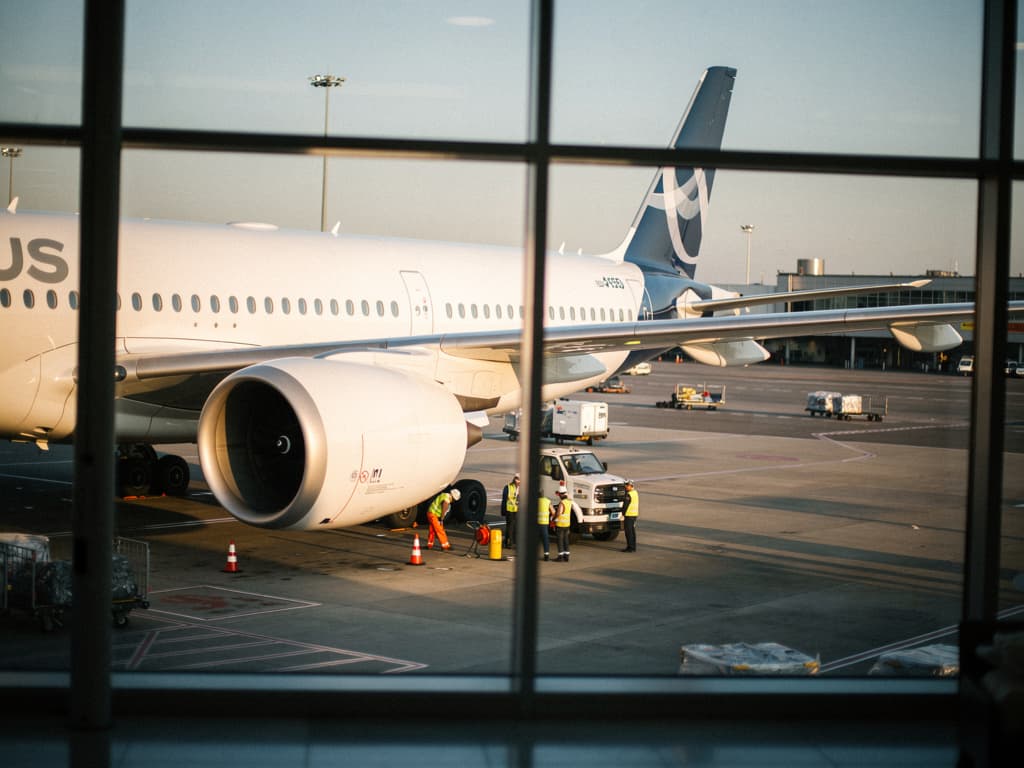
A single factory floor in eastern North Carolina has become the unlikely fulcrum for the future of long-haul premium travel. Airbus‘s stated ambition to build 12 A350 aircraft per month by 2028—nearly double its current output—is now openly threatened by integration problems at a composites plant it acquired less than two years ago. The manufacturer has informed some customers to expect additional delivery delays, a move that transforms the production target from a confident forecast into a high-stakes industrial gamble.
The core issue is not a lack of orders. Demand for the A350, a mainstay on premium intercontinental routes, remains robust. Instead, the bottleneck is at Airbus Aerosystems Kinston, a 500,000-square-foot facility employing about 1,000 people that produces fuselage panels and wing spar structures. These components must arrive in sequence at final assembly lines in France. A disruption in Kinston means downstream assembly stations sit idle, regardless of capacity elsewhere.
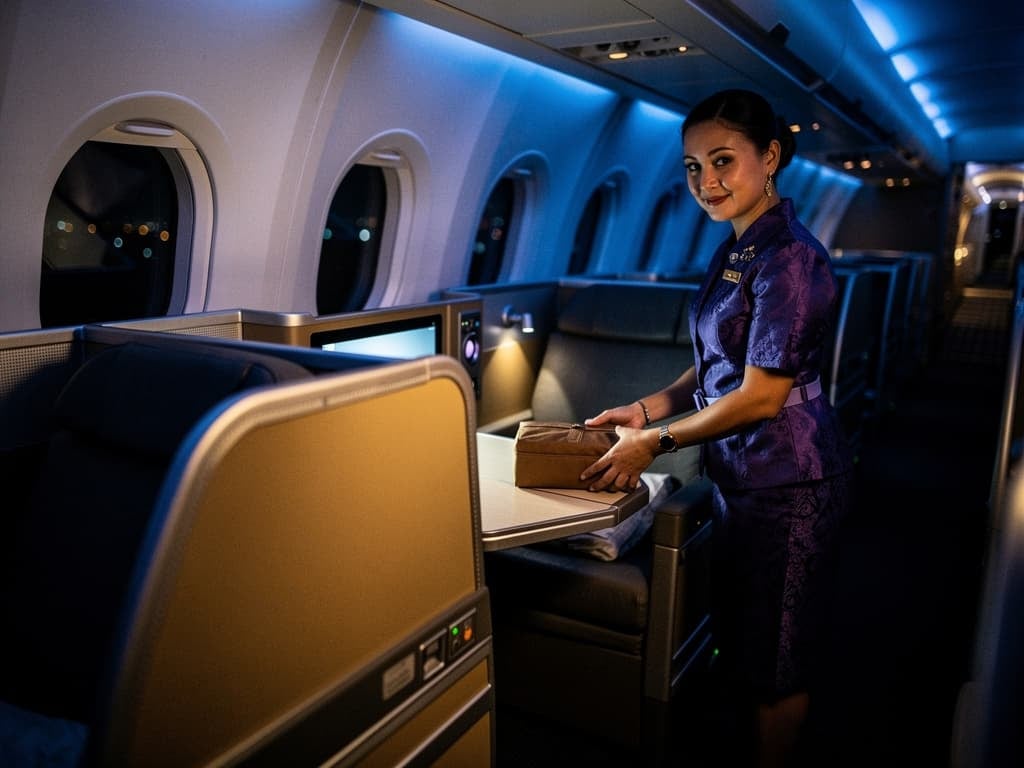
The stakes extend well beyond Airbus’s balance sheet. For airlines awaiting these widebodies, each delayed delivery represents a postponed route launch, a deferred cabin refresh, or an aging aircraft kept in service longer than planned. The A350 family, including the in-development A350F freighter, is central to fleet strategies at carriers from Singapore to Atlanta. A constrained delivery pipeline directly impacts the availability of new premium hard products and lie-flat seat capacity on some of the world’s most competitive long-haul routes.
The details
Airbus took control of the Kinston site from Spirit AeroSystems in December 2025 as part of a complex transaction that saw it receive $439 million while assuming ownership of selected industrial assets. The deal was designed to stabilize the supply of critical aerostructures after Boeing moved to reacquire most of Spirit’s operations. However, the transition has been turbulent. Some former Spirit employees chose to return to Boeing-related work, draining expertise from the facility at a moment when Airbus needed to accelerate output.
The financial impact is already material. Airbus recorded a €188 million ($208 million) adjustment in its 2025 results tied to acquiring and integrating the Spirit work packages. In April 2026, executives discussed the logistical complexity of sending European specialists to support the North Carolina operation, underscoring the difficulty of transferring knowledge and processes across continents under production pressure.
The company delivered only 26 A350s in the first half of 2026, an average below five per month. While monthly delivery figures do not perfectly mirror factory production rates, the gap between current output and the 12-per-month target is stark. Airbus has reaffirmed the 2028 goal, with Chief Executive Guillaume Faury stating the company was in a steep ramp-up and even studying possibilities for further increases. But the newly disclosed delays, averaging about one month for some customers, suggest the industrial system is not yet reliable enough to support such ambitions.
| Metric | Figure | Status |
|---|---|---|
| 2028 Monthly Target | 12 aircraft | Reaffirmed by Airbus |
| H1 2026 Deliveries | 26 aircraft (avg <5/month) | Constrained by Kinston bottleneck |
| Kinston Workforce | ~1,000 employees | Stabilizing after Spirit transition |
| Spirit Integration Cost (2025) | €188 million ($208M) adjustment | Recorded in 2025 results |
| A350F First Flight | Expected late 2026 | On track despite cargo door disruptions |
Separately, Airbus temporarily paused A330 deliveries during the summer of 2026 after a tool was found in an aircraft’s tail section during inspections. The root cause was identified and deliveries have since resumed. While Airbus characterized the issue as isolated and without safety implications, the incident highlights the vulnerability of a production system operating under pressure. Industry reporting indicates no A330s were delivered in June or July, with the flow restarting in August.

Flight deals most people never see
Our AI monitors 150+ airlines for pricing anomalies that traditional search engines miss. Air Traveler Club members save $650 per trip per person on average: see how it works.
Each deal saves 40–80% vs. regular fares:

The value-add
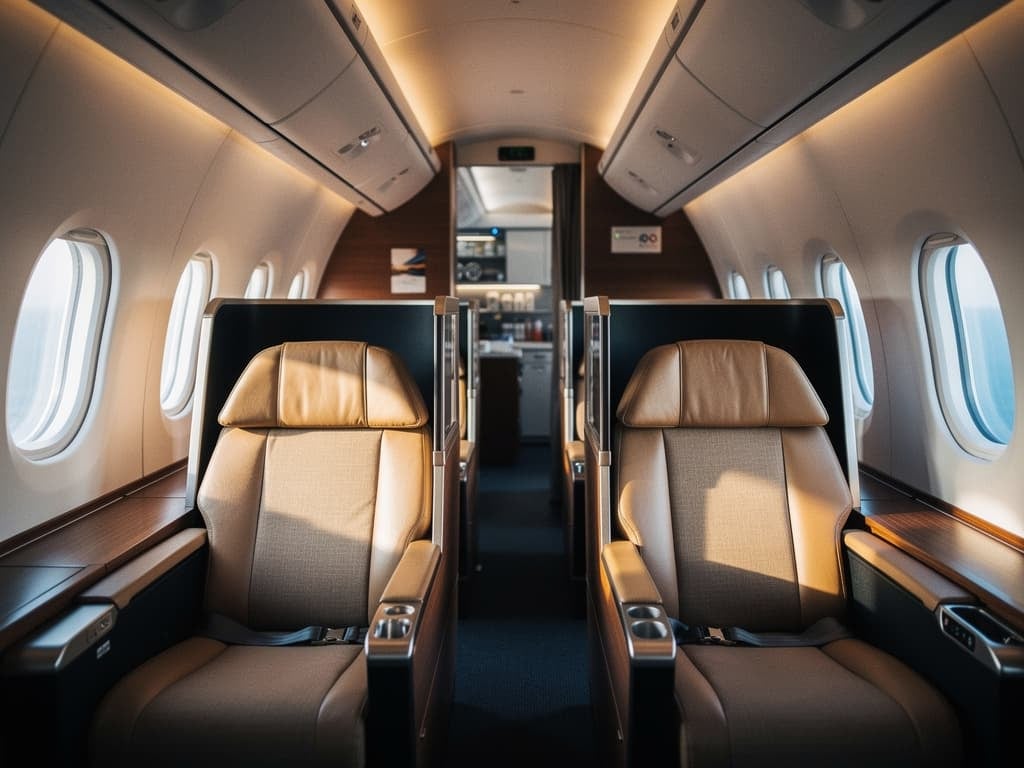
For premium travelers, this is fundamentally a timing problem. The A350 is the platform upon which many airlines are building their next-generation long-haul cabins. Delivery delays do not cancel those products, but they push back the dates when travelers can experience them. An airline waiting on A350s to replace older Boeing 777s or A330s may keep those aircraft in service longer, complete with previous-generation seats and cabin architecture.
The Kinston bottleneck also introduces uncertainty into airline fleet planning that extends beyond a single type. If A350s slip, carriers may lean more heavily on Boeing 787s to bridge capacity gaps, altering the competitive dynamics on key trunk routes between Tier-1 hubs. Air Traveler Club’s analysis of Qantas’s A350-dependent Project Sunrise illustrates how tightly new premium route launches are tied to specific aircraft deliveries—and how delays can ripple through network plans years in advance.
How delivery delays reshape premium route planning
For travelers booking long-haul premium cabins, aircraft delivery schedules directly determine when new seats, routes, and products become available. A one-month delay on paper can cascade into a quarter-long postponement of a route launch if crew training, slot allocations, and maintenance planning must be realigned.
- Monitor fleet announcements from A350-dependent carriers. Airlines with significant A350 order books—including several major Asia-Pacific and European operators—may adjust long-haul launch timelines if delays persist. Watch earnings calls and fleet update presentations for revised delivery schedules.
- Verify operating aircraft before booking. On routes where an airline has promised a new A350 cabin but may substitute an older widebody, check the seat map and aircraft type at the point of purchase. Delivery bottlenecks increase the risk of last-minute equipment swaps.
- Expect extended life for current-generation premium cabins. If A350s arrive late, airlines will keep older 777s and A330s flying longer. That means existing lie-flat products on those types will remain in service beyond their planned retirement dates, delaying the rollout of next-generation suites and improved premium-economy offerings.
- The A350F adds indirect pressure. While freighters do not carry passengers, their production consumes engineering and assembly resources. Any further delay to the freighter program could divert attention from stabilizing passenger-aircraft output.
Watch for Airbus’s full-year 2026 results and any explicit update on the Kinston recovery trajectory. If the company cannot demonstrate a clear path to higher-rate production by then, airlines will begin adjusting their own fleet plans publicly—and premium travelers will feel the effects in booking options through 2028 and beyond.
FAQ
Is Airbus cancelling the 12-per-month A350 target?
No. Airbus has reaffirmed the 12-per-month target for 2028. The risk is executional—whether the Kinston facility and broader supply chain can stabilize quickly enough to support that production rate sustainably—not a cancellation of the objective.
Which airlines are affected by the A350 delivery delays?
Airbus has not publicly named affected customers, but industry sources indicate some airlines have been told to expect additional delays averaging about one month for A350 deliveries later this decade. Carriers with large A350 order books and imminent fleet renewal plans are most exposed.
Does the A330 quality pause affect the A350 program?
The A330 pause was caused by a misplaced tool found during inspections and is considered an isolated event. Deliveries resumed in August 2026. However, it highlights the broader challenge of maintaining quality control while ramping production across multiple widebody programs simultaneously.
Read more