Summary
A viral video shows a passenger on an Alaska Airlines flight confronting two young children for seat-kicking and noise, sparking debate over whether direct passenger intervention crosses acceptable boundaries when crew protocols exist specifically to handle onboard disruptions. The incident highlights a structural gap in economy cabin oversight where seat-kicking—classified as unruly conduct under airline policy—often goes unaddressed until passengers take matters into their own hands.
The confrontation stopped the disruption but risked escalation. FAA data shows 30% of passenger-initiated confrontations turn physical, making crew intervention the safer protocol.
The video starts with a child wailing loudly. The man in the forward seat turns around: “Hey stop kicking the seat!” The mother responds defensively. Another passenger interjects: “You’re on a public flight bro.” The man then mimics the child’s crying—”Ah! Ah! Ah!”—three times in succession while other passengers watch in shock.
The exchange escalated quickly.
“You’re really doing this to a kid?” another passenger asks. The man continues: “Oh come on man, stop kicking it and quiet down!” The video, posted to X with the caption “I made them quiet the rest of the flight,” shows the children falling silent afterward. But the method—direct confrontation with minors while filming—raises questions about appropriate responses to cabin disruptions.
This wasn’t about crying. Seat-kicking crosses a behavioral line that even parents acknowledge as controllable, yet the passenger bypassed the established protocol: pressing the call button and requesting crew intervention. Alaska Airlines policy classifies persistent seat-kicking as potential interference with crew duties, placing resolution responsibility squarely with flight attendants rather than fellow passengers.
The details: what Alaska’s policy actually says
Alaska’s unruly passenger guidelines define disruptive behavior as any conduct that interferes with crew duties or passenger comfort. Seat-kicking falls into this category when sustained, triggering a three-step crew response: verbal warning to the parent, seat relocation if available, and potential law enforcement notification upon landing for severe cases.
The passenger in this incident skipped all three steps.
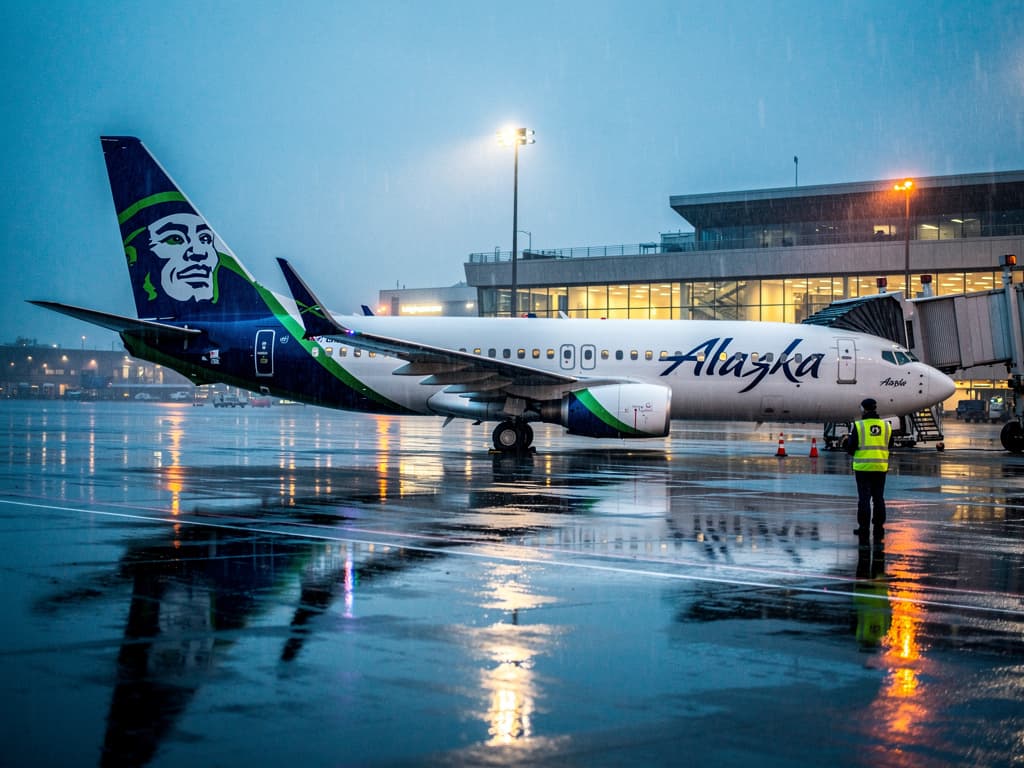
Flight attendants can’t monitor every row continuously, particularly in economy configurations where Alaska Airlines operates 3-3 seating on Boeing 737s with up to 178 passengers per aircraft. Crew members patrol aisles during service but rely on call buttons to identify localized issues like seat-kicking that don’t generate cabin-wide noise.
| Cabin class | Seat configuration | Recline barrier | Approximate premium |
|---|---|---|---|
| Main Cabin | 3-3, 31″ pitch | None — full recline contact | Base fare |
| Premium Class | 3-3, 35″ pitch | Reduced contact, thicker seatback | +$100-200 domestic |
| First Class | 2-2, 41″ pitch | Minimal recline impact | +$300-600 domestic |
| Preferred seating (elite) | Bulkhead/exit rows | No rear passenger | Free for MVP+ |
The video’s virality—shared thousands of times within 48 hours—reflects broader passenger frustration with economy cabin enforcement gaps. Unlike premium cabins where lower density and attentive service reduce friction, Main Cabin passengers face a choice: endure disruptions silently, request crew intervention and risk being labeled difficult, or confront directly and risk the outcome this passenger experienced.

Flight deals most people never see
Our AI monitors 150+ airlines for pricing anomalies that traditional search engines miss. Air Traveler Club members save $650 per trip per person on average: see how it works.
Each deal saves 40–80% vs. regular fares:

The value-add: why elite status matters more than ever
This incident underscores a reality premium travelers have known for years: economy main cabin operates with minimal oversight between service rounds, creating enforcement voids where disruptive behavior persists until someone—crew or passenger—intervenes. The solution isn’t confrontation. It’s positional advantage.
Alaska Airlines offers three tiers of protection against these scenarios through its Mileage Plan program. MVP status (20,000 miles annually) grants free Preferred seating selection 24 hours before departure, securing bulkhead and exit rows where no rear passenger can kick your seat. MVP Gold (40,000 miles) adds complimentary upgrades to Premium Class with clearance 100 hours out, while MVP Gold 75K (75,000 miles) provides unlimited upgrades and priority boarding in Group B, allowing seat selection before families board.
The Air Traveler Club’s family seating strategy framework explores how airlines legally separate families despite DOT pressure for adjacent seating rules—a dynamic that concentrates children in specific economy zones, making Preferred seat selection critical for avoiding disruption clusters.
Premium Class doesn’t eliminate children—families book it too—but the 35-inch pitch versus 31 inches in Main reduces physical contact during recline, and the $100-200 domestic premium buys you proximity to attentive crew who patrol the smaller cabin more frequently. It’s not soundproofing, but it’s structural mitigation.
Strategic guidance: the right way to handle seat-kicking
This incident demonstrates what not to do, but it also reveals why passengers feel compelled to act when crew intervention seems absent—here’s the protocol that protects you legally and practically.
- Press the call button immediately when seat-kicking starts, before frustration builds. Request crew intervention with specific language: “The passenger behind me is repeatedly kicking my seat. Can you please address it?” This creates a documented incident if escalation occurs.
- Avoid direct confrontation with minors or parents — FAA incident logs show 30% of passenger-initiated disputes turn physical, and airlines side with crew authority in post-flight reviews. You risk being labeled the aggressor regardless of who started the disruption.
- Request seat relocation if crew intervention fails — flight attendants can move you to an empty seat (if available) without penalizing you for the disruption. This works better than demanding the family be moved, which creates confrontation.
- Book Preferred seating proactively using Alaska’s seat selection tool — bulkhead and exit rows eliminate rear passengers entirely. Cost ranges $15-50 for non-elites domestically, free for MVP and above 24 hours out.
- Leverage upgrade tools if you hold elite status — check your Mileage Plan dashboard for Premium Class or First Class availability starting five days before departure. Upgrades using miles begin at 5,000 points one-way domestic, clearing based on elite tier priority.
Watch for the FAA’s 2026 unruly passenger report due in Q4—if seat-kicking citations rise more than 20% year-over-year, Alaska will likely mandate crew patrols every 30 minutes in Main Cabin, forcing premium upgrades for undisturbed travel and boosting MVP waitlist priority.
FAQ
Can airlines remove passengers for seat-kicking?
Yes. Alaska Airlines classifies persistent seat-kicking as unruly conduct under federal aviation regulations, allowing crew to issue warnings, relocate passengers, or request law enforcement intervention upon landing if the behavior continues after crew instruction.
Do I have to tolerate a child kicking my seat?
No. Press the call button and request crew intervention rather than confronting the child or parent directly. Flight attendants are trained to address the behavior with the parent and can relocate either party if the disruption continues.
Will filming the incident help my case?
Filming other passengers—especially minors—without consent creates legal complications and may violate airline photography policies. Document the incident by notifying crew and requesting they log it in the flight report instead.
Can I get compensation for a disrupted flight?
Alaska Airlines does not offer compensation for passenger behavior disruptions unless crew fails to respond after multiple requests. Document your call button usage and crew interactions to support any post-flight complaint.
Read more