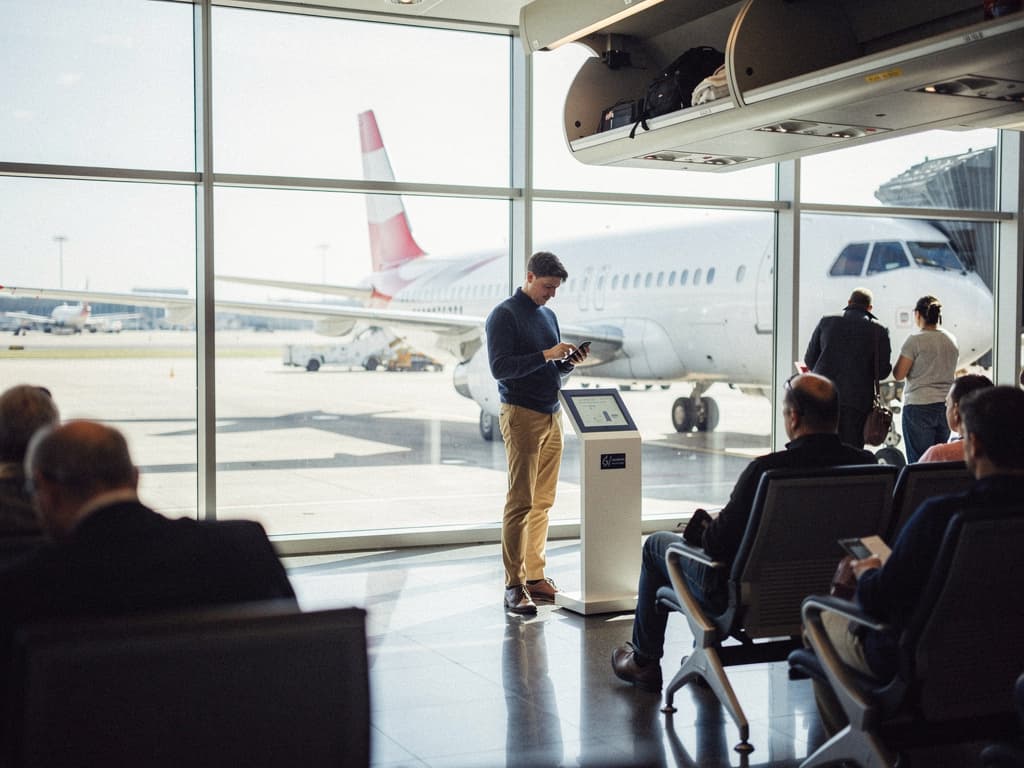
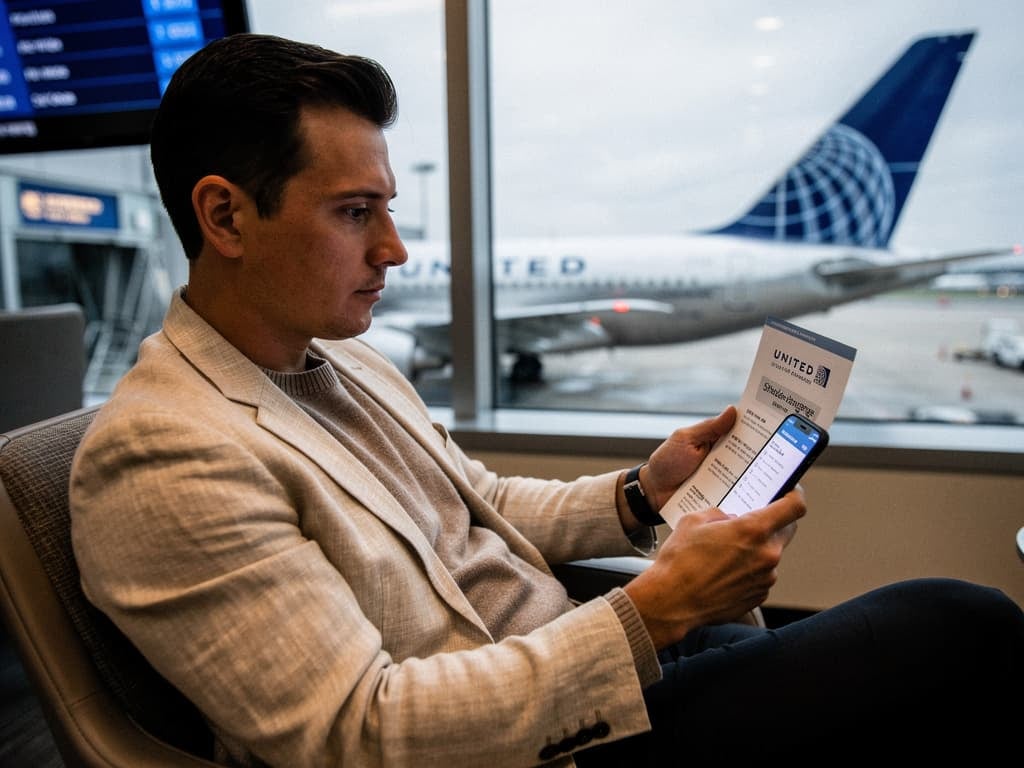
As of January 27, 2026, Southwest Airlines A-List elite status now guarantees priority boarding, one free checked bag, and complimentary selection of Preferred or Standard seats at booking, with Extra Legroom seats available 48 hours prior to departure. These benefits are critical for navigating the airline’s new assigned seating model, which replaced its long-standing open seating policy.
This shift significantly enhances the value of A-List for premium travelers, particularly those leveraging credit card spending to qualify. However, full flights still necessitate early check-in or status to secure optimal seating.
The landscape of domestic air travel has fundamentally shifted, and nowhere is this more evident than at Southwest Airlines. For premium travelers accustomed to maximizing every advantage, the airline’s recent overhaul of its boarding and seating policies presents a new challenge – or, for those with elite status, a new opportunity. The airline, known for its unique open seating and flexible policies, has transitioned to an assigned seating model, introducing new fees and tiered perks.
This strategic pivot, implemented to boost revenue post-pandemic, means that benefits once universally available are now tied directly to loyalty tiers. For those holding A-List status, the airline’s lower elite tier, these changes are proving to be a significant differentiator, transforming what could be a frustrating experience into a streamlined journey. Our intelligence indicates that A-List status, whether earned through flights or credit card spending, is now almost a prerequisite for a comfortable Southwest experience.
The impact is particularly pronounced on routes like Las Vegas to New York, where the new system dictates everything from boarding group to seat selection. Without A-List, travelers face the prospect of gate-checking bags and less desirable seating, a stark contrast to the pre-2025 experience.
The details of A-List status in the new era
Southwest Airlines has redefined the value proposition of its A-List status, especially following the implementation of assigned seating for flights departing on or after January 27, 2026. A-List members now enjoy guaranteed priority boarding no later than Group 5, a crucial benefit on often-full flights. This ensures overhead bin space and a better selection of seats. Additionally, A-List status includes one free checked bag, with subsequent bags costing $35, a change from the airline’s previous universal free checked bag policy.
A key enhancement for A-List members is the ability to select Preferred or Standard seats at booking without additional cost, a benefit that significantly improves the in-flight experience. Extra Legroom seats become available for selection within 48 hours of departure, subject to availability. Qualification for A-List remains at 20 qualifying one-way flights or 35,000 tier qualifying points (TQPs) within a calendar year, with benefits activating immediately and lasting through the following calendar year. More details on these benefits can be found on the official Southwest Rapid Rewards tiers page.
| Benefit | Pre-2025 Policy | Post-Jan 27, 2026 A-List | Value Impact |
|---|---|---|---|
| Boarding Position | Based on check-in time | Guaranteed Group 5 or earlier | Significant enhancement |
| Seat Selection | Open seating, first-come | Preferred/Standard at booking, Extra Legroom 48 hrs out | New, valuable perk |
| Checked Bags | Two free for all | One free, second $35 | Devaluation for non-status, enhancement for A-List vs. non-status |
| Points Earning Bonus | Standard | 25% bonus | Enhancement |

Flight deals most people never see
Our AI monitors 150+ airlines for pricing anomalies that traditional search engines miss. Air Traveler Club members save $650 per trip per person on average: see how it works.
Each deal saves 40–80% vs. regular fares:

The value-add of A-List in a competitive landscape
In a market where airlines are increasingly segmenting their offerings, Southwest‘s A-List status now serves as a critical tool for premium travelers seeking to maintain a comfortable experience on what is fundamentally a budget carrier. While the “premium” seats offered to A-List members are essentially enhanced economy with standard 31-inch pitch, they provide front-cabin positioning without the extra cost non-status passengers would incur. This positions Southwest‘s offering as a strong contender for point-to-point domestic travel, particularly when compared to the significantly higher fares of true premium cabins like JetBlue Mint or Delta One Suites on routes such as LAS-NYC.
The strategic value of A-List lies in its ability to mitigate the pain points of a low-cost carrier while avoiding the premium pricing of competitors. For travelers who prioritize convenience and a guaranteed better seat without paying for a lie-flat product, A-List fills a specific niche. This is especially true for those who can leverage credit card spending, such as with the Chase Sapphire Reserve, to meet the TQP requirements, effectively turning everyday purchases into tangible travel benefits.
Strategic guidance for maximizing Southwest A-List
This intelligence is crucial for optimizing your booking and travel experience with Southwest Airlines, especially if you rely on credit card spending for status.
- Prioritize qualification: Ensure you meet the 35,000 TQPs or 20 qualifying flights annually to secure A-List status, particularly if leveraging credit card spend.
- Book early for optimal seats: With A-List, select your Preferred or Standard seats at booking. For Extra Legroom, set a reminder to check availability 48 hours before departure.
- Leverage priority access: Utilize priority check-in and security lanes where available, even if you have TSA PreCheck, as a backup during peak travel times.
- Consider the value proposition: For short-haul domestic flights, A-List provides significant value by mitigating common pain points without the higher cost of traditional premium cabins.
Watch: The ongoing fleet retrofit schedule will determine when device holders and USB-C ports become standard across all Southwest 737s, further enhancing the in-flight experience for device-reliant premium travelers.
FAQ
How does the new assigned seating impact A-List members?
A-List members are now guaranteed a boarding position no later than Group 5, ensuring earlier access to the aircraft and overhead bin space. They can also select Preferred or Standard seats at booking for free, a significant advantage over non-status passengers.
Can I still get A-List status through credit card spending?
Yes, you can earn Tier Qualifying Points (TQPs) through spending on co-branded Southwest credit cards, such as the Chase Sapphire Reserve. For example, spending $5,000 on certain cards can earn 1,000 TQPs, contributing to the 35,000 TQP requirement for A-List.
What is the difference between Preferred and Extra Legroom seats for A-List members?
Preferred seats are typically located at the front of the aircraft and can be selected at booking by A-List members. Extra Legroom seats, offering more pitch, become available for selection within 48 hours of departure, subject to availability.
Read more