Summary
A Walmart receipt from September 3, 2001, details how United Flight 175 hijacker Marwan Al-Shehhi assembled a fake bomb using four everyday items—a toggle switch, gel mate, auto tape, and a 9-volt battery—to terrorize passengers without actual explosives. The FBI found no trace of real bombs at any 9/11 crash site, confirming the devices were psychological weapons.
The tactic’s legacy now defines modern airport security. In 2026 alone, two separate passengers at Miami International Airport were arrested for joking about having explosives during routine screening questions, with Florida law mandating felony prosecution regardless of intent.
Twenty-five years after the September 11 attacks, a single retail transaction illuminates the chilling simplicity of the hijackers’ deception. On September 3, 2001, United Airlines Flight 175 hijacker Marwan Al-Shehhi walked into a Walmart on Copans Road in Pompano Beach, Florida, and purchased four items that would become instruments of psychological warfare. The toggle switch, gel mate, auto tape, and 9-volt battery were not components of a functional explosive device. They were props—assembled to create a credible bomb threat that would paralyze passengers and crew into submission.
The ruse worked with devastating precision. At 9:00 a.m. on September 11, passenger Peter Hanson called his father from aboard Flight 175 and reported hijackers claiming to have a bomb, stabbings, and passengers vomiting as the aircraft moved erratically. Hanson believed the plane would be flown into a building. He was right.
The 9/11 Commission later concluded the bombs were “probably fake,” noting the FBI found no trace of explosives at any crash site. No evidence suggested hijackers attempted to smuggle real explosives through security screening. Across all four hijacked flights—American Airlines Flight 11, United Flight 175, American Flight 77, and United Flight 93—the pattern varied. Mohammed Atta’s team used irritant spray on Flight 11 while claiming a bomb. Ziad Jarrah announced a bomb over the cabin intercom on Flight 93. Only Flight 175 has a documented paper trail linking specific retail purchases to a fake device.
Today, the operational legacy of that deception governs every airport checkpoint interaction. Any statement about explosives—joke, mistranslation, or genuine threat—triggers an immediate law enforcement response and potential felony charges under statutes like Florida’s § 790.163, which explicitly prohibits suspended or deferred adjudication for false bomb reports.
The Walmart receipt and the modern enforcement mirror
The Copans Road Walmart transaction anchors the historical record with a specificity rarely available in terrorism investigations. Al-Shehhi’s purchase—documented eight days before the attacks—provided the 9/11 Commission with concrete evidence of premeditated psychological weaponization. The items themselves were mundane, legally purchased, and required no smuggling. Their power came entirely from context: passengers conditioned to believe a bomb threat meant imminent death.
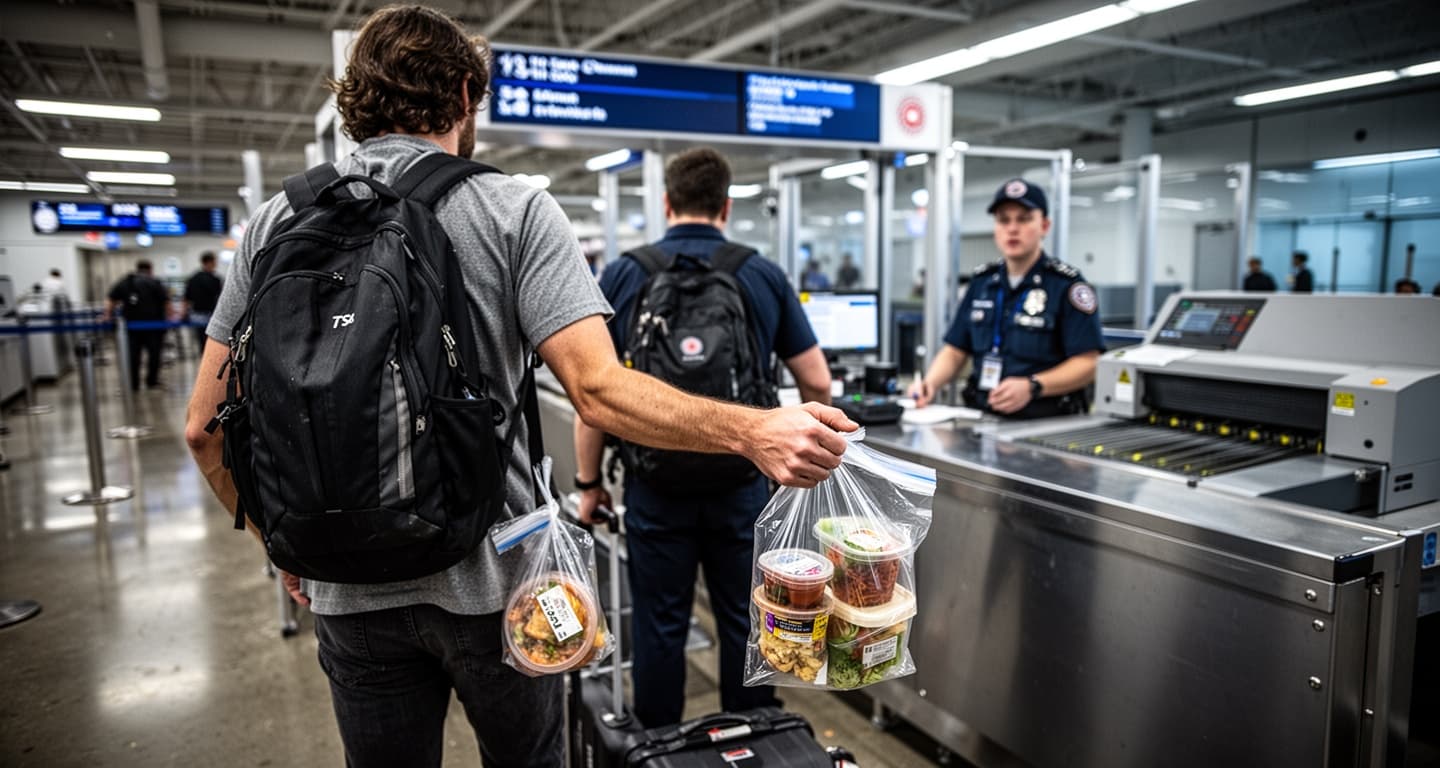
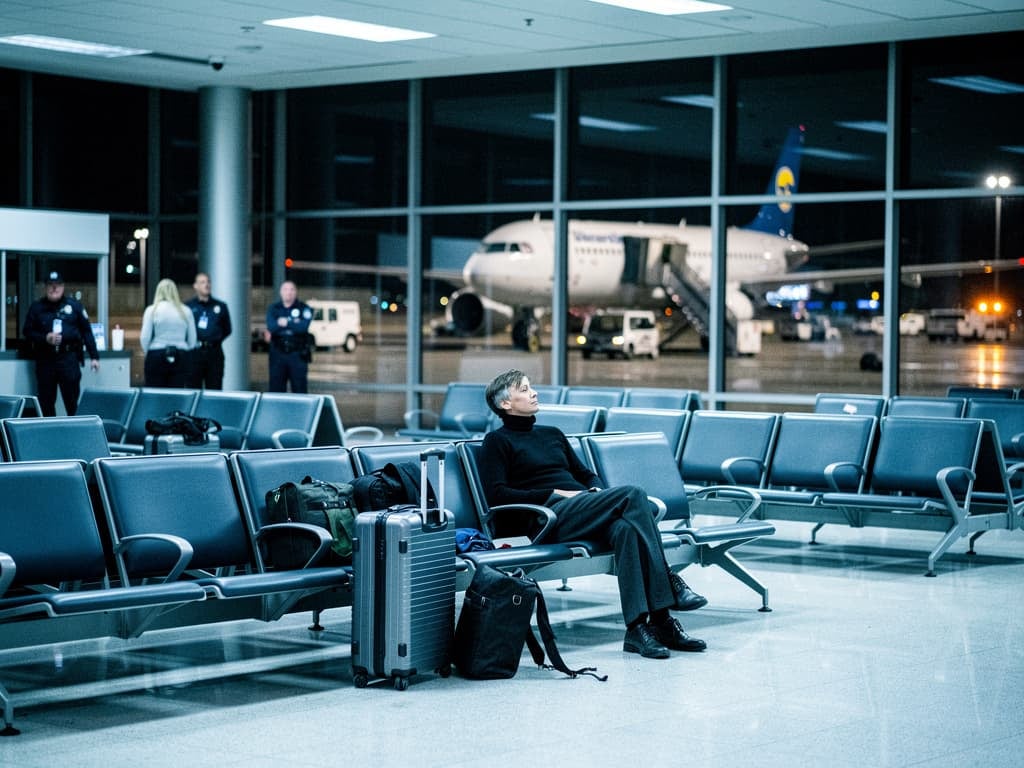
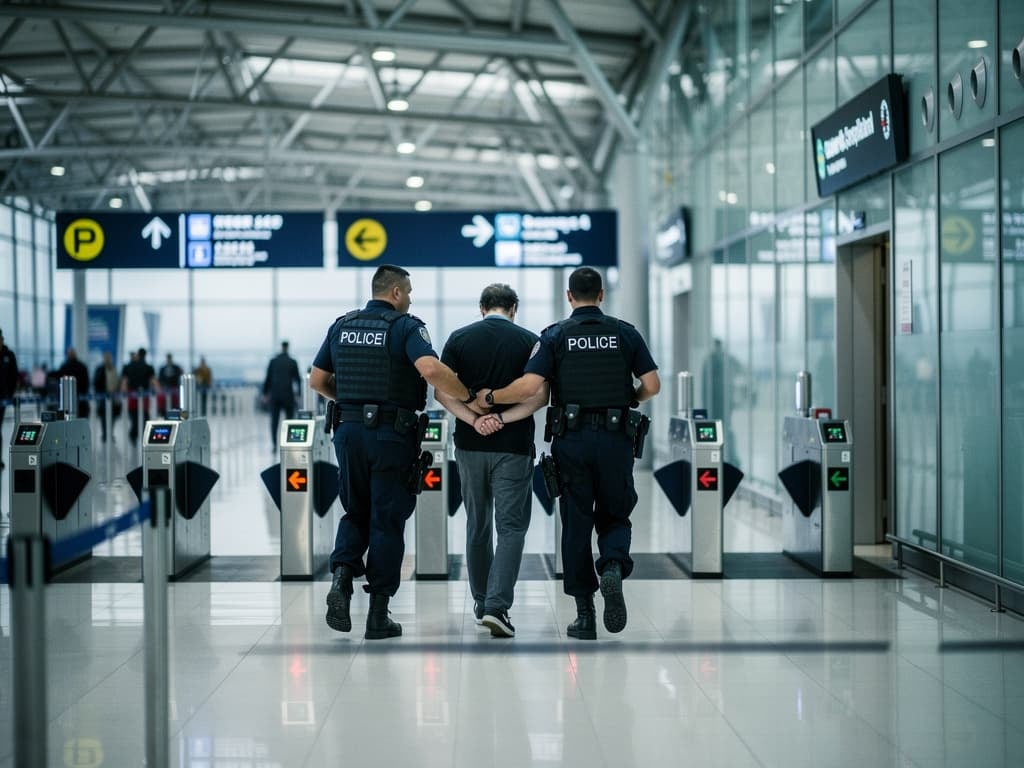
In 2026, that context has been codified into zero-tolerance enforcement protocols. At Miami International Airport, two separate incidents this year demonstrate the automatic escalation now standard across U.S. airports. One passenger, asked about lithium batteries during boarding, replied that he had a bomb instead. Another told an American Airlines ticket agent in Spanish that he had a grenade in his luggage. Both were arrested. Explosive-detection canines searched the luggage in each case and found no prohibited devices or explosives.
| Date | Location/Context | Claim Type | Outcome |
|---|---|---|---|
| September 3, 2001 | Walmart, Pompano Beach, FL | Purchase of fake bomb components | Used aboard United 175; no real explosives |
| September 11, 2001 | United Flight 175 | Verbal bomb threat + prop device | Aircraft crashed into World Trade Center South Tower |
| August 2026 | Miami International Airport | Passenger joked about having a bomb | Arrested; canine search found no explosives |
| August 2026 | Miami International Airport | Passenger claimed grenade in luggage (Spanish) | Arrested; canine search found no explosives |
The Florida statute covering these cases leaves no room for prosecutorial leniency on sentencing structure. Under § 790.163, a false report concerning a bomb or destructive device constitutes a felony of the second degree, punishable as provided in Florida sentencing law. The provision barring suspended or deferred adjudication means that even first-time offenders face permanent criminal records if convicted.
The 2026 Miami arrests follow a consistent pattern visible in earlier cases. In 2025, another passenger at the same airport faced charges after making a bomb threat at a ticket counter. The repetition suggests that public awareness of the zero-tolerance policy remains incomplete—a gap with serious legal consequences for travelers who assume common sense or humor will defuse the situation.

Flight deals most people never see
Our AI monitors 150+ airlines for pricing anomalies that traditional search engines miss. Air Traveler Club members save $650 per trip per person on average: see how it works.
Each deal saves 40–80% vs. regular fares:

The psychology-to-prosecution pipeline
The thread connecting Al-Shehhi’s Walmart trip to today’s airport arrests is not about physical security technology. It is about how institutions process verbal threats when the cost of underestimation is catastrophic. The 9/11 hijackers exploited a pre-attack environment where bomb claims were not universally treated as credible. Post-attack analysis revealed that passengers and crew sometimes hesitated to act on threats precisely because they suspected bluffing.
That ambiguity no longer exists. Modern airport security operates on the principle that every explosive claim must be treated as real until proven otherwise—a direct institutional response to the hijackers’ successful exploitation of skepticism. The result is a system where the legal machinery activates before factual verification occurs. Canine searches may clear a bag in minutes, but the arrest and charging process follows its own timeline.
For travelers moving through any U.S. airport, the practical implication is stark: the words spoken at a checkpoint or ticket counter carry immediate legal weight independent of intent. Air Traveler Club’s coverage of TSA operational collapse during the 2026 government shutdown demonstrated how quickly airport security systems can degrade under pressure—but the zero-tolerance protocol for verbal threats remains constant regardless of staffing levels or wait times.
Why your words at the checkpoint carry felony weight
The legal framework governing false bomb reports at airports operates on a single, non-negotiable premise: intent is irrelevant once the statement is made. Florida’s statute does not require proof that the speaker meant to cause panic or actually possessed a device. The act of making the false report is itself the offense.
- Never use the words “bomb,” “grenade,” or “explosive” in any context at an airport. Screening staff and airline agents are trained to escalate immediately, and no amount of clarification after the fact will stop the process once triggered.
- Describe electronic devices and batteries using literal, neutral language. If asked about lithium batteries or equipment, state exactly what the item is without humorous comparisons or casual exaggerations. Ambiguous phrasing creates legal exposure.
- Language barriers increase risk. The 2026 Miami case involving a Spanish-speaking passenger illustrates how statements made in any language are treated identically. If traveling with someone who has limited English proficiency, ensure they understand that joking about security matters is never safe.
- Expect canine searches and potential flight delays even if no device exists. The security response unfolds according to protocol, not according to the factual reality of your luggage. Your travel plans will be disrupted regardless of the outcome.
The distance between a Walmart shopping trip in 2001 and a felony arrest at a ticket counter in 2026 is measured in institutional memory. The hijackers taught the system that a credible threat requires no actual weapon. The system responded by making every verbal claim a crime.
FAQ
Is joking about a bomb at an airport actually a felony?
Yes. Under Florida Statute § 790.163, falsely reporting a bomb or destructive device is a second-degree felony. The law explicitly prohibits suspended, deferred, or withheld adjudication, meaning conviction carries mandatory consequences including potential prison time and a permanent criminal record.
Did the 9/11 hijackers have real bombs?
No. The 9/11 Commission concluded the bombs were probably fake after the FBI found no trace of explosives at any crash site. Marwan Al-Shehhi purchased items from a Florida Walmart to construct a prop device for United Flight 175, but no evidence suggests any hijacker smuggled actual explosives through security.
What happens if I accidentally say something that sounds like a bomb threat?
Airport security protocols treat any statement about explosives as a credible threat regardless of intent. Law enforcement will be called, explosive-detection canines will search your luggage, and you may be arrested even if no device is found. Clarification after the fact does not stop the process once it begins.
Read more