Summary
Australian passport holders can now use automated immigration e-gates at Bangkok’s Suvarnabhumi Airport, slashing arrival-hall waits after a one-time biometric registration. The quiet expansion places Australians among 33 nationalities eligible for faster processing at a hub where international arrivals average 70,000 passengers daily and peak-hour volumes hit 6,000 per hour.
First-time users still face a manual counter stop for enrollment, delaying the benefit until the next trip. A separate 14-hour outage of Australia’s own e-gates at Sydney, Melbourne, and Brisbane on September 17, 2026 exposed the fragility of automated borders — a stark reminder that even the fastest lanes need a manual backstop.
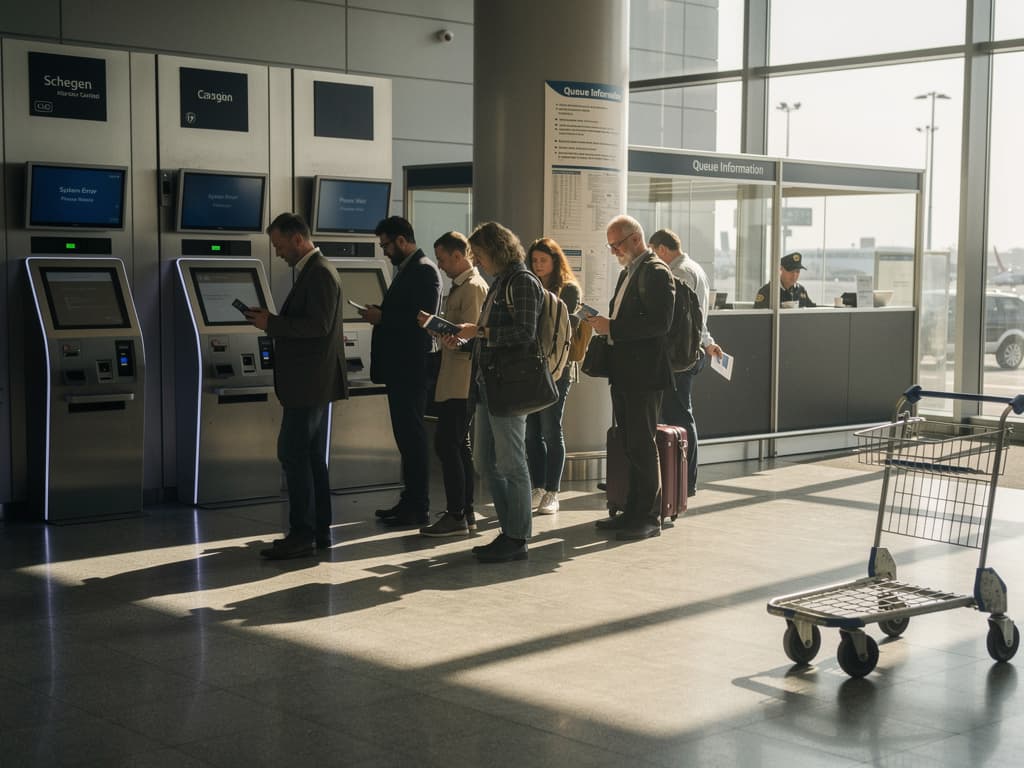
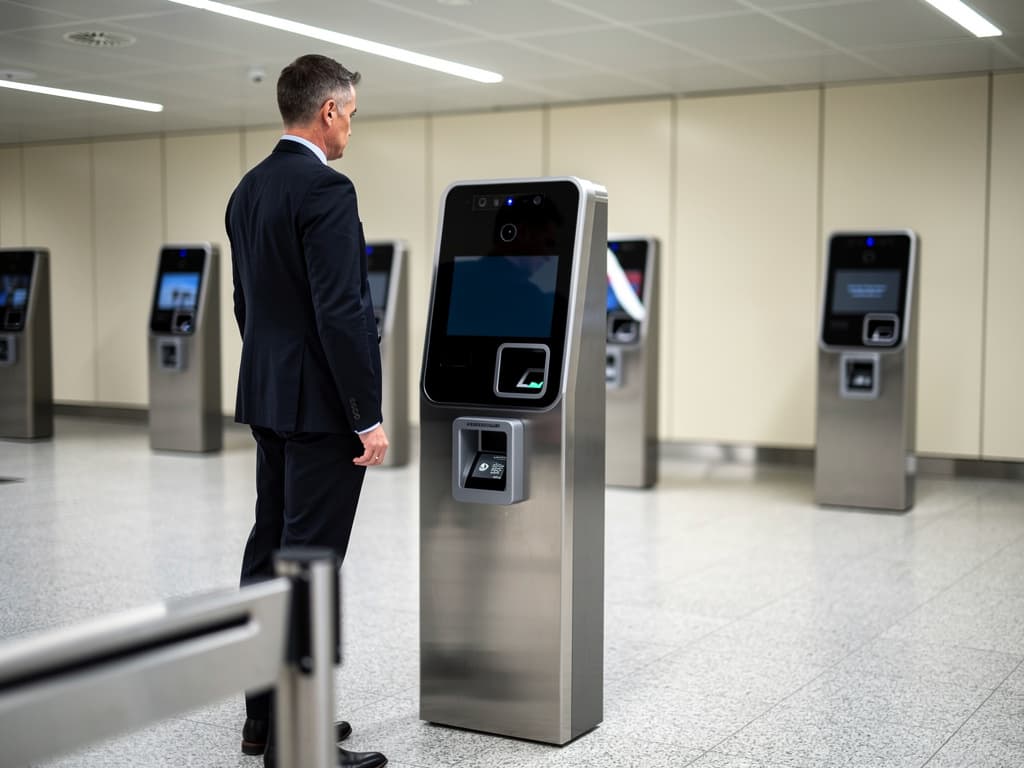
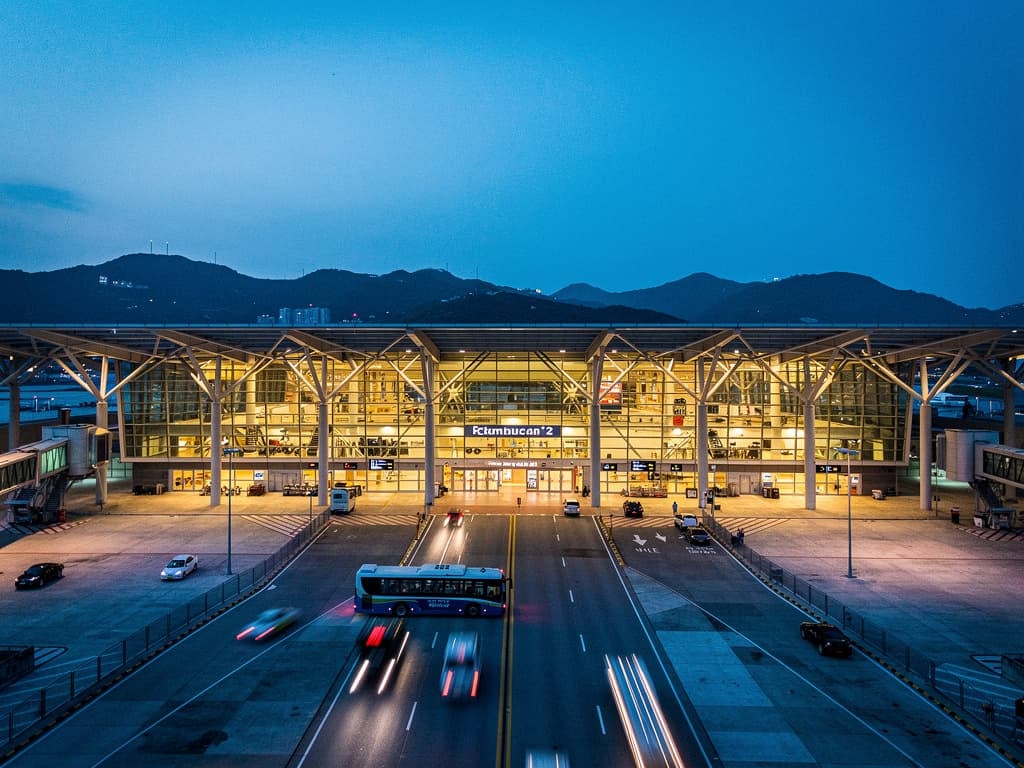
Australian travellers touching down at Bangkok’s Suvarnabhumi Airport can now bypass the serpentine immigration queues that have long greeted long-haul arrivals, thanks to newly available automated e-gates. The shift, which quietly added Australian passport holders to the list of 33 eligible nationalities, promises to slash entry times for repeat visitors — provided they’ve completed a one-time biometric enrollment.
The development lands just as Australia’s own automated border gates suffered a crippling 14-hour failure across Sydney, Melbourne, and Brisbane, forcing thousands of passengers into manual processing lines and underscoring how quickly convenience evaporates when the technology fails. For the millions of Australians who visit Thailand annually — for holidays, family trips, and business — the e-gate expansion at Suvarnabhumi addresses a persistent pain point.
The airport handles up to 190,000 passengers on peak days, with international arrivals alone averaging 70,000 daily. During the busiest afternoon window from 1pm to 5pm, immigration halls process between 5,000 and 6,000 passengers per hour. Automated lanes offer a way out of that crush, but only if the system stays online — a lesson driven home by the Australian outage.
The details
Australians are now among the nationalities eligible for automated immigration gates at Suvarnabhumi, a move confirmed by airport operations data. The expansion covers roughly 53% of inbound international passengers and follows a broader biometric push that had been expected to go live in the coming months. First-time users must still visit a staffed immigration desk to provide biometric data; subsequent trips can use the Auto Gates directly.
Meanwhile, a 14-hour outage of Australia’s SmartGate system on September 17, 2026 forced the Australian Border Force to deploy extra officers for manual processing at Sydney, Melbourne, and Brisbane airports. The system was restored by the morning of September 18, though queues took hours to clear. No root cause has been publicly identified, but the incident illustrates the single-point-of-failure risk inherent in automated border infrastructure.
| Date | Event | Impact | Status |
|---|---|---|---|
| September 2026 (reported) | Suvarnabhumi expands e-gate eligibility to include Australian passports | Eligible Australians can use automated lanes after biometric enrollment | Operational per airport sources; awaiting official Thai government confirmation |
| Evening 17 September 2026 | Australian e-gates fail at Sydney, Melbourne, Brisbane airports | All international passengers diverted to manual processing, causing significant delays and congestion | System restored by morning 18 September; queues cleared throughout the day |
| Morning 18 September 2026 | E-gates restored; ABF maintains extra staffing | Queues gradually reduced, normal operations resumed | Resolved; root cause investigation underway |
| Ongoing | Biometric enrollment for first-time Australian users at Suvarnabhumi | Future arrivals become faster; initial trip still requires counter visit | Active |

Flight deals most people never see
Our AI monitors 150+ airlines for pricing anomalies that traditional search engines miss. Air Traveler Club members save $650 per trip per person on average: see how it works.
Each deal saves 40–80% vs. regular fares:

The value-add
This e-gate expansion arrives just months after Bangkok abruptly ended fast-track immigration for premium passengers, leaving business-class travellers without priority lanes. Now the mass-market efficiency of automated gates fills part of that gap — but only for those who’ve enrolled. Air Traveler Club’s coverage of Bangkok’s fast-track elimination revealed that premium lane access had become inconsistent, making the e-gate option even more critical for time-sensitive arrivals.
For Qantas, Jetstar, and Thai Airways passengers landing at Suvarnabhumi, the benefit is nationality-based, not fare-class-dependent. That means a business-class ticket won’t speed up the first trip, but once enrolled, every subsequent arrival becomes dramatically faster — effectively a permanent fast-track that costs nothing.
How to use Bangkok’s e-gates and avoid the manual queue
For Australian frequent flyers, the new e-gates turn a previously tedious arrival step into a quick scan — but only if you prepare. Here’s what to know before your next trip.
- Complete biometric enrollment on your first post-expansion trip. Visit a designated immigration counter before exiting the airport. Registration is a one-time requirement; future visits will allow direct e-gate use.
- Fill out the Thailand Digital Arrival Card online before departure. This remains mandatory and is separate from e-gate eligibility. Without it, you’ll be redirected to a manual counter regardless of enrollment status.
- Schedule flights to land outside the 1pm–5pm peak window when possible. Even with automated gates, terminal congestion can slow progress if volumes overwhelm the system. Early morning or late evening arrivals are consistently faster.
- Keep your passport valid for at least six months and ensure the chip is undamaged. Damaged biometric chips may prevent gate scanning, forcing a return to the manual queue.
- Monitor official Airports of Thailand announcements. Formal confirmation will clarify whether e-gate access applies to all Australian passport holders or only certain visa categories, and whether age restrictions exist.
Watch for a Thai Immigration Bureau notice — if it names eligible nationalities and an effective date, it will settle whether Australians are in a live rollout or a staged pilot.
FAQ
Do I need to register every time I visit Thailand?
No, biometric registration is a one-time process. After enrolling, you can use e-gates on all subsequent trips.
What happens if the e-gates are down when I arrive?
You’ll be directed to a manual immigration counter. Suvarnabhumi keeps staffed lanes operational as a fallback, similar to how Australian airports handled their outage.
Can I use the e-gates at Phuket or other Thai airports?
Currently, automated arrival gates are only confirmed at Suvarnabhumi Airport. Phuket has automated departure gates, but arrival e-gates for Australians have not been announced elsewhere.
Is there any cost to use the e-gates?
No, the service is free for eligible passport holders. It is not tied to any airline ticket class or paid fast-track program.
Read more