Summary
A technical outage crippled automated e-gates at Sydney, Melbourne, and Brisbane international terminals on Friday morning, forcing Australian Border Force officers to manually process passengers and triggering queues that snaked through check-in areas. The failure comes exactly one week after a separate air traffic controller shortage at Sydney Airport caused widespread domestic cancellations.
The e-gate system was restored by 11:00 AEDT and backlogs cleared, but the cause remains under investigation. For anyone transiting Australia’s east-coast hubs in the coming weeks, the twin disruptions signal a network under strain where tight connections carry elevated risk.
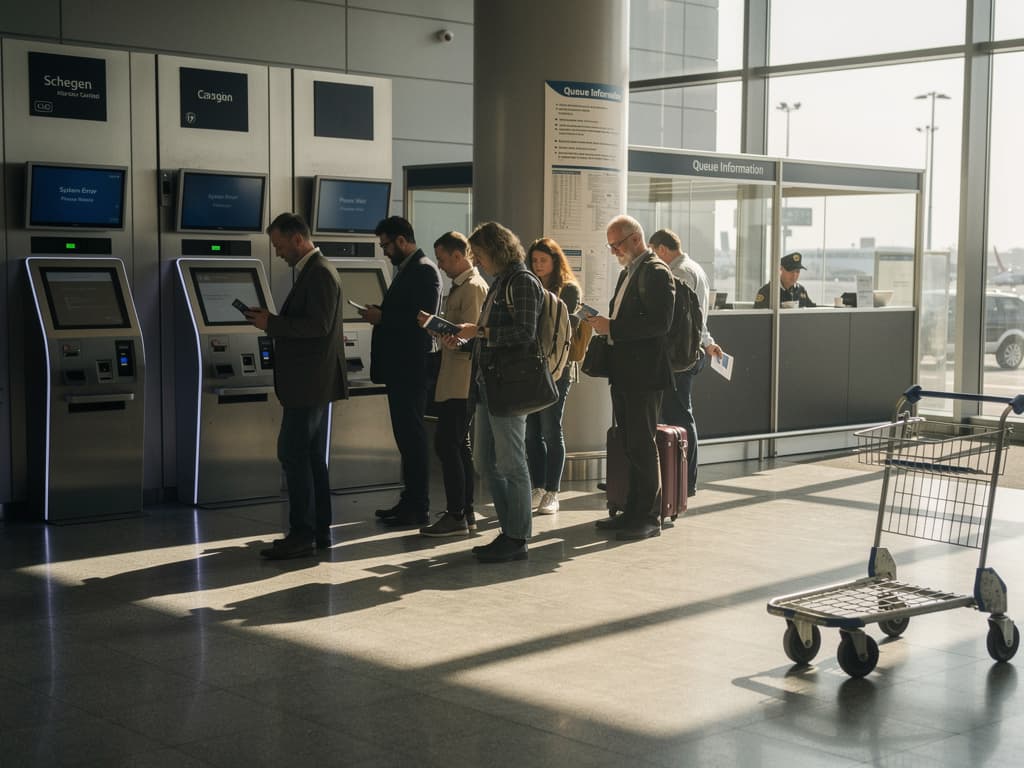
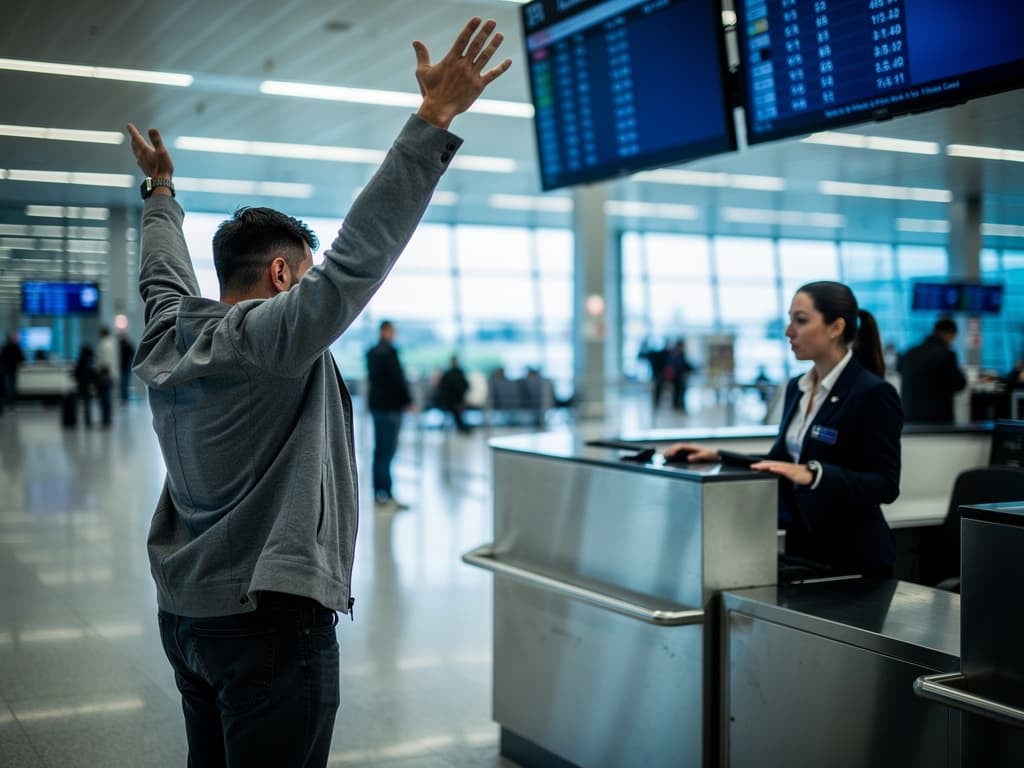
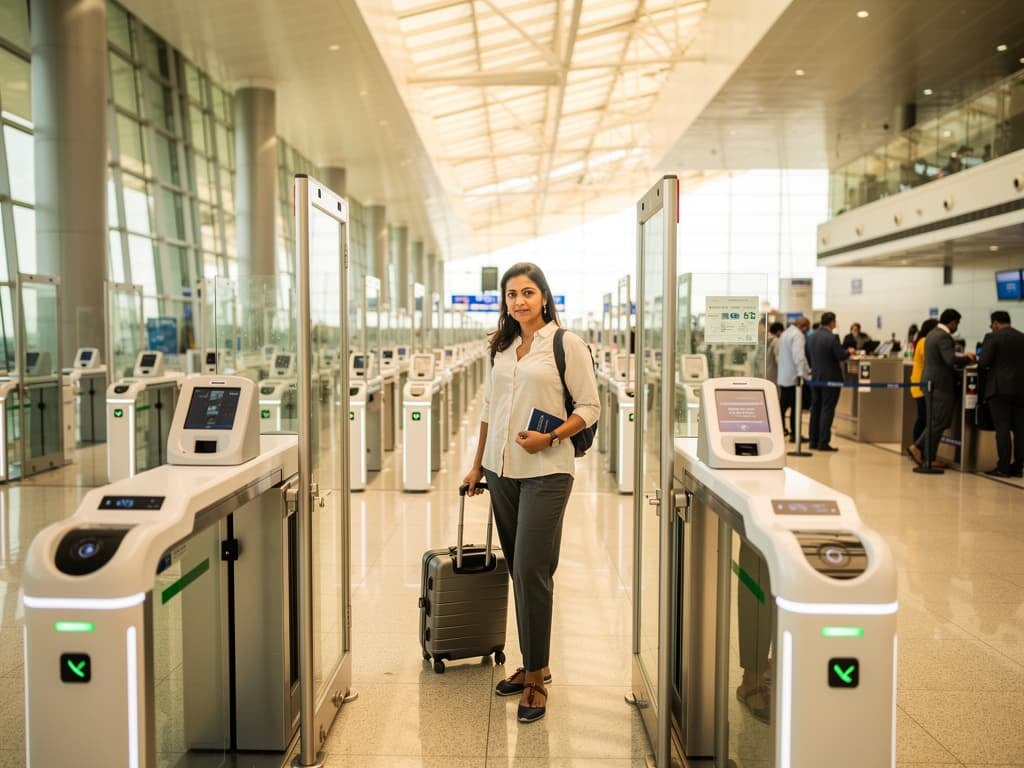
Two critical infrastructure failures in seven days have exposed how quickly Australia’s busiest airports can unravel. On Friday 18 September 2026, a still-unexplained technical outage disabled the automated e-gates used for outbound and some inbound passenger processing at Sydney Airport, Melbourne Airport, and Brisbane Airport. Passengers described queues stretching from immigration halls back into check-in zones, with social media images capturing the chaos as the Australian Border Force scrambled additional officers to manually clear travellers.
The disruption hit during the heavy Friday morning international departure window — precisely when premium passengers expect fast-track processing to deliver seamless terminal transit. Instead, they found themselves in the same static lines as everyone else, watching lounge time and connection margins evaporate.
This e-gate meltdown follows the 11 September 2026 air traffic controller shortage at Sydney that forced Airservices Australia to impose flow management measures, limiting aircraft movements and triggering cancellations that cascaded through the domestic network to Melbourne and Brisbane. Together, the incidents paint a picture of systemic fragility across the east-coast aviation corridor.
The details
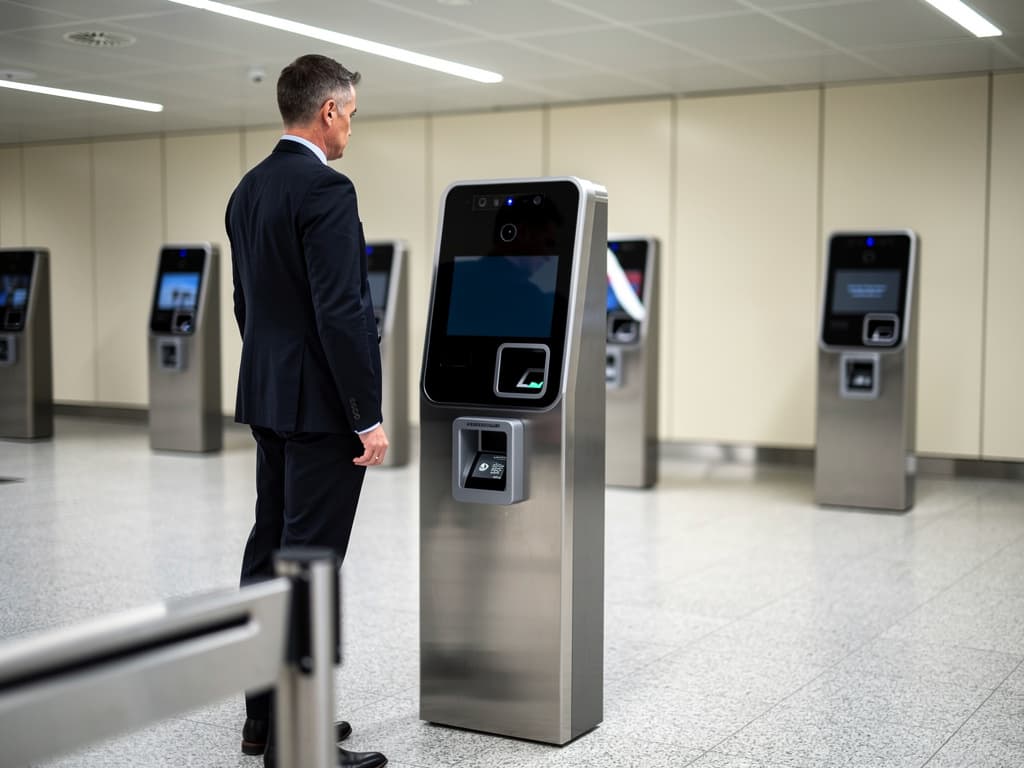
An Australian Border Force spokesperson confirmed the agency was “aware of a technical outage impacting e-gates for outbound and some inbound passengers” and that “Brisbane International Airport, Melbourne International Airport, and Sydney International Airport are currently impacted.” Extra officers were deployed to manually process travellers while technicians worked to restore the automated system.
By 11:00 AEDT, the ABF confirmed the issue had been resolved at all three airports and backlogs were cleared. The cause of the technical failure remains under investigation, with no indication yet whether it stemmed from a software fault, network issue, or something more concerning. The earlier Sydney controller shortage, meanwhile, has been linked to broader staffing strain — Reuters reported fatigue concerns among controllers flagged as high-risk in the weeks before the disruption, and Bloomberg indicated Airservices Australia planned roster changes to stabilise operations over coming months.
| Date | Event | Impact | Status |
|---|---|---|---|
| 4 September 2026 | Sydney controller fatigue flagged | Operational strain identified; near-miss incident reported | Under review |
| 11 September 2026 | Sydney ATC controller shortage | Cancellations and delays; flow management imposed; domestic cascade to Melbourne and Brisbane | Roster changes planned |
| 18 September 2026 | E-gate technical outage at SYD, MEL, BNE | Manual processing; extensive queues through international terminals | Resolved 11:00 AEDT; cause under investigation |

Flight deals most people never see
Our AI monitors 150+ airlines for pricing anomalies that traditional search engines miss. Air Traveler Club members save $650 per trip per person on average: see how it works.
Each deal saves 40–80% vs. regular fares:

What two failures in one week reveal about hub resilience
These aren’t isolated glitches — they’re stress fractures in a system where a single point of failure can paralyse three major gateways simultaneously. The e-gate outage affected every passenger equally regardless of cabin class or elite status, stripping away the very benefits premium travellers pay for: expedited processing, predictable transit times, and buffer room for connections.
The earlier Sydney controller shortage demonstrated how quickly domestic schedules unravel once flow management kicks in. Airservices Australia’s move to limit aircraft movements meant cancellations that couldn’t be absorbed by rival carriers, since Sydney, Melbourne, and Brisbane operate less as independent competitors and more as linked nodes in one fragile network. This pattern echoes what Air Traveler Club’s analysis of the TSA shutdown crisis revealed — when government-operated screening infrastructure fails, premium status and lounge access become irrelevant against the brute reality of manual processing bottlenecks.
Why tight connections through east-coast hubs need a buffer rethink
The twin disruptions expose a practical truth for anyone booking itineraries through Sydney, Melbourne, or Brisbane: minimum connection times assume systems are functioning normally. When they aren’t — whether it’s border processing or air traffic flow — those margins collapse instantly.
- Rebuild your connection buffer through east-coast hubs. The standard 90-minute international-to-domestic transfer assumes e-gates work. Until ABF confirms system stability, add at least 60 minutes to published minimums for any itinerary touching Sydney, Melbourne, or Brisbane international terminals.
- Prioritise morning departures cautiously. Friday’s outage hit the peak international departure bank hardest. If your routing offers a midday or afternoon alternative with equivalent cabin availability, take it — you’ll face thinner queues if another failure occurs outside the morning rush.
- Preserve disruption evidence proactively. Screenshot terminal queue photos, airline delay notifications, and ABF service status pages in real time. Trip-delay coverage from cards like the American Express Platinum typically requires documentation of the specific cause and duration — and border-processing delays may sit in a grey zone between covered travel delays and excluded pre-boarding processing.
- Monitor the controller roster outcome. If Airservices Australia confirms stabilised Sydney staffing, domestic cancellation risk drops. If the roster gap persists, avoid same-day domestic-to-international connections through Sydney entirely — book an overnight buffer instead.
FAQ
What caused the e-gate outage at Australian airports?
The Australian Border Force has not yet identified the cause. The technical failure remains under investigation, with no confirmation on whether it was a software fault, network issue, or cyber-related incident. An official incident review is expected in the coming weeks.
Are the Sydney air traffic controller shortages likely to continue?
Airservices Australia has indicated the staffing issue may persist for months and is planning roster changes to stabilise operations. Earlier reporting linked the shortage to high short-term absences and fatigue concerns among controllers, suggesting structural rather than temporary gaps.
Does travel insurance cover delays caused by airport system outages?
Coverage depends on your specific policy and card benefits. Premium cards like American Express Platinum typically cover trip delays, but border-processing delays may fall into a grey zone — some policies exclude pre-boarding processing from covered travel delays. Check your card’s benefit guide for minimum delay thresholds and eligible causes before filing any claim.
Read more