Summary
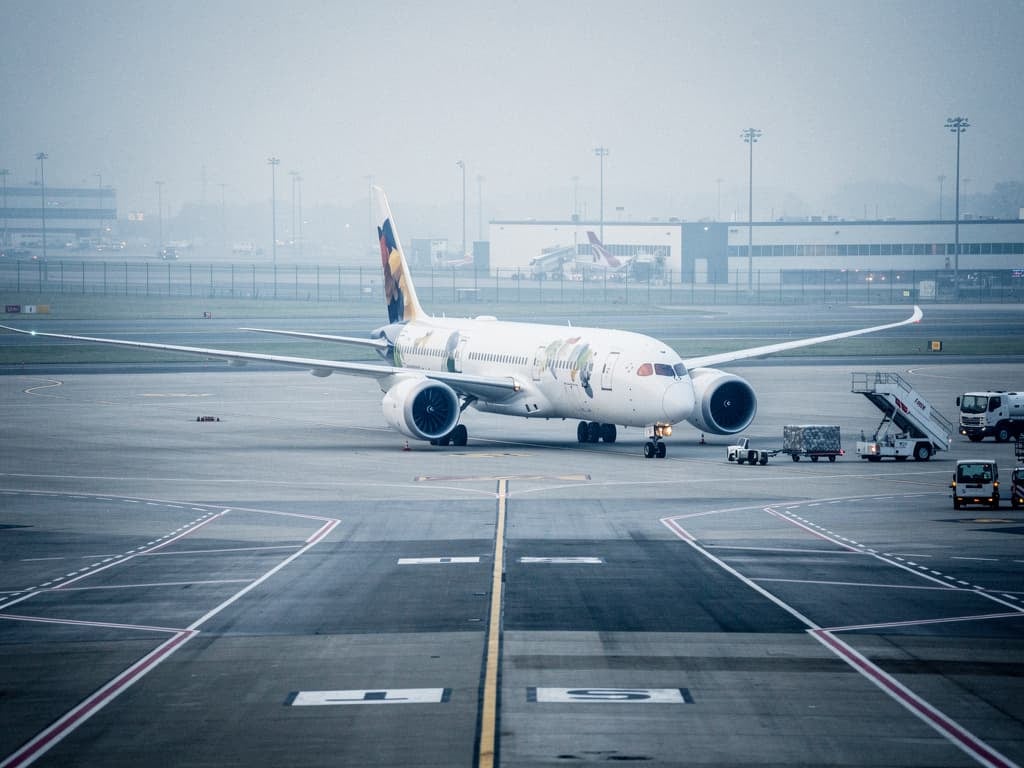
On 15 August 2026, Vietnam Airlines flight VN34 from Munich to Hanoi overran the runway and struck its tail during takeoff, forcing the Boeing 787-9 registered VN-A867 to dump fuel and return. The aircraft landed disabled on runway 26R, closing Munich’s north runway; no injuries were reported.
The crew held near Munich at approximately 9,000 feet for 90 minutes to reduce landing weight before returning. German investigators are now examining whether mechanical fault, tire damage, brakes, or crew procedure caused the overrun.
Munich Airport’s north runway shut down after a Vietnam Airlines Boeing 787-9 bound for Hanoi became disabled on landing, following a dramatic takeoff sequence that included a tail strike and runway overrun. The event briefly forced all traffic to shift to the south runway at one of Germany’s busiest air gateways.
Flight VN34 departed on 15 August 2026 with the 787-9 registered VN-A867 rotating beyond the paved surface. The lower tail section struck the runway, and the aircraft damaged edge lights before climbing away with abnormal tire-pressure indications.
The crew leveled at approximately 9,000 feet and held for 90 minutes while dumping fuel. One or more low passes over the airport preceded a landing on runway 26R, where the aircraft could not taxi off under its own power. No injuries were reported among passengers or crew.
For travelers on the Munich–Hanoi corridor and connecting Southeast Asia services, the incident introduces short-term schedule uncertainty while the aircraft is inspected and the runway situation resolves.
The details
Vietnam Airlines characterized the event as a technical issue and said the crew followed procedures. The carrier has posted disruption and refund information through its customer service plan, which allows change and refund restrictions to be waived when a flight is significantly delayed or changed.
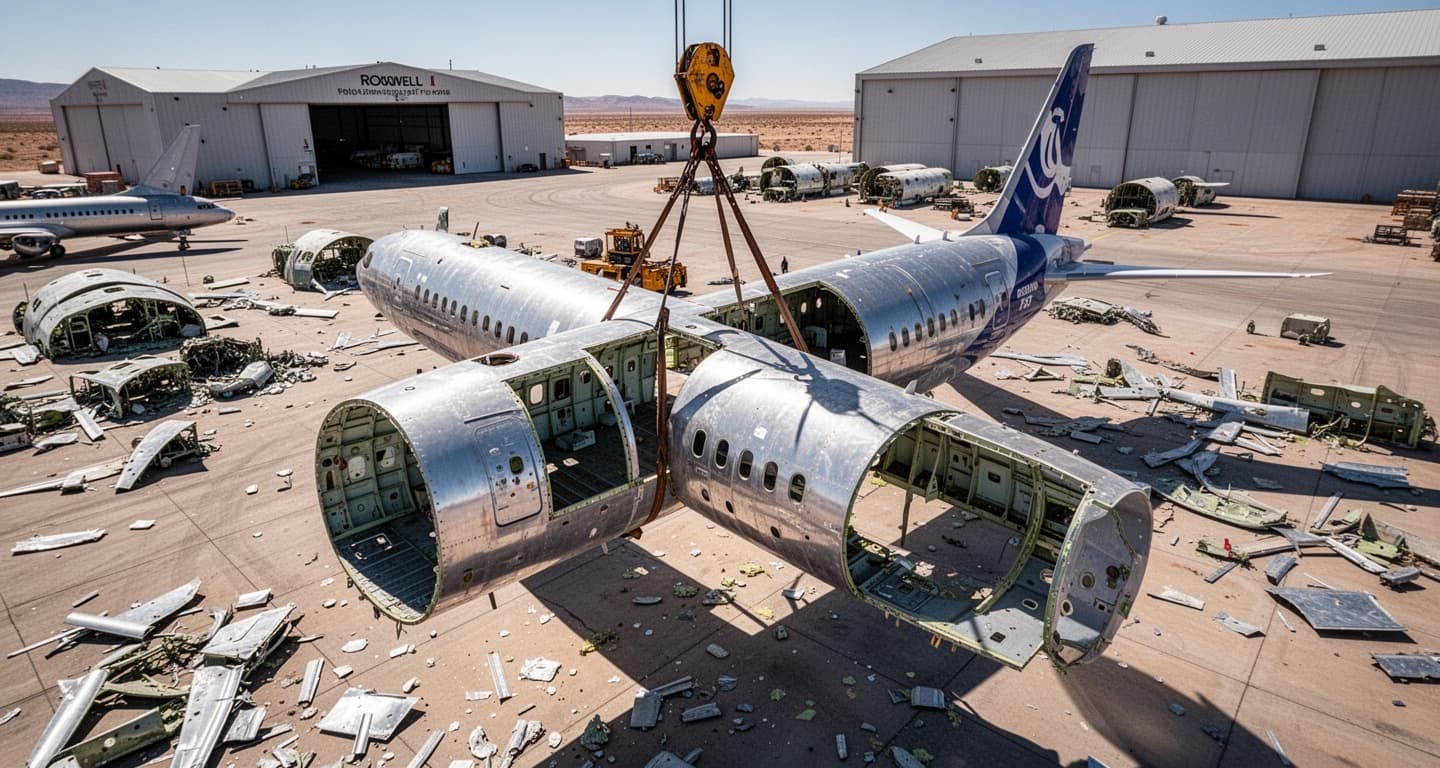
Germany’s BFU is expected to lead the formal inquiry. Publicly shared imagery appeared to show punctured tires and lower-fuselage scraping, consistent with the reported tail strike, though no official cause has been identified.
| Phase | Event | Impact / Status |
|---|---|---|
| Takeoff roll | VN34 overran paved runway surface; tail strike occurred; edge lights damaged | Aircraft became airborne; crew identified tire-pressure anomalies |
| Climb and hold | Leveled near 9,000 ft; held approximately 90 minutes while dumping fuel | Landing weight reduced for return |
| Return | One or more low passes over Munich; landed back on runway 26R | Tail-strike module and tires damaged |
| After landing | Aircraft disabled on runway; could not taxi under own power | North runway closed; traffic shifted to south runway |
| Occupants | All passengers and crew disembarked safely | No injuries reported |

Flight deals most people never see
Our AI monitors 150+ airlines for pricing anomalies that traditional search engines miss. Air Traveler Club members save $650 per trip per person on average: see how it works.
Each deal saves 40–80% vs. regular fares:

Why this matters for Munich–Southeast Asia schedules
Munich is a key European gateway for Southeast Asia long-haul services, and the closure of the north runway shifted all traffic to the south runway for the duration of the disabled aircraft’s recovery. That may sound procedural, but it compresses arrival and departure spacing at one of Germany’s busiest airports. For a 787-9 configured with premium cabins, the disruption is not just a single flight. Vietnam Airlines operates the Munich–Hanoi route as part of a wider long-haul network, and while the aircraft is under inspection, schedule reliability becomes the central question for connecting passengers.
Air Traveler Club has tracked similar 787 ground-damage disruptions, including a British Airways Dreamliner grounded at Heathrow after maintenance steps pierced a fuselage hatch — a reminder that widebody ground events can linger in schedules.
What the BFU investigation means for Munich operations
BFU preliminary findings are expected within 30 days. If investigators identify a systemic mechanical fault such as a brake seizure rather than isolated tire damage, expect Vietnam Airlines to face more extensive inspection requirements across its 787 fleet.
Munich Airport’s north runway has already resumed operations, but schedule knock-on effects may continue if VN-A867 remains out of service. Watch for a BFU preliminary note and Vietnam Airlines’ return-to-service update on VN-A867 — if either signals structural damage beyond the tail-strike module, Munich–Hanoi schedule stability could remain under pressure into September 2026.
FAQ
Why did the crew dump fuel before landing?
Fuel dumping is used after an immediate return to reduce landing weight below maximum limits, protecting tires and brakes and reducing stopping distance. In this case, the 787-9 held near Munich for about 90 minutes to burn and dump fuel.
Does this incident affect future Vietnam Airlines Boeing 787 flights?
The investigation and inspection focus on aircraft VN-A867. Unless regulators issue a broader directive, the rest of the Vietnam Airlines 787 fleet remains in service, though the carrier may apply additional inspections.
What should passengers booked on Munich–Hanoi services do now?
Check Vietnam Airlines Manage Booking and monitor flight status. If disruption protection applies, request same-cabin rebooking or refund through official channels before accepting a downgrade.
Read more