Summary
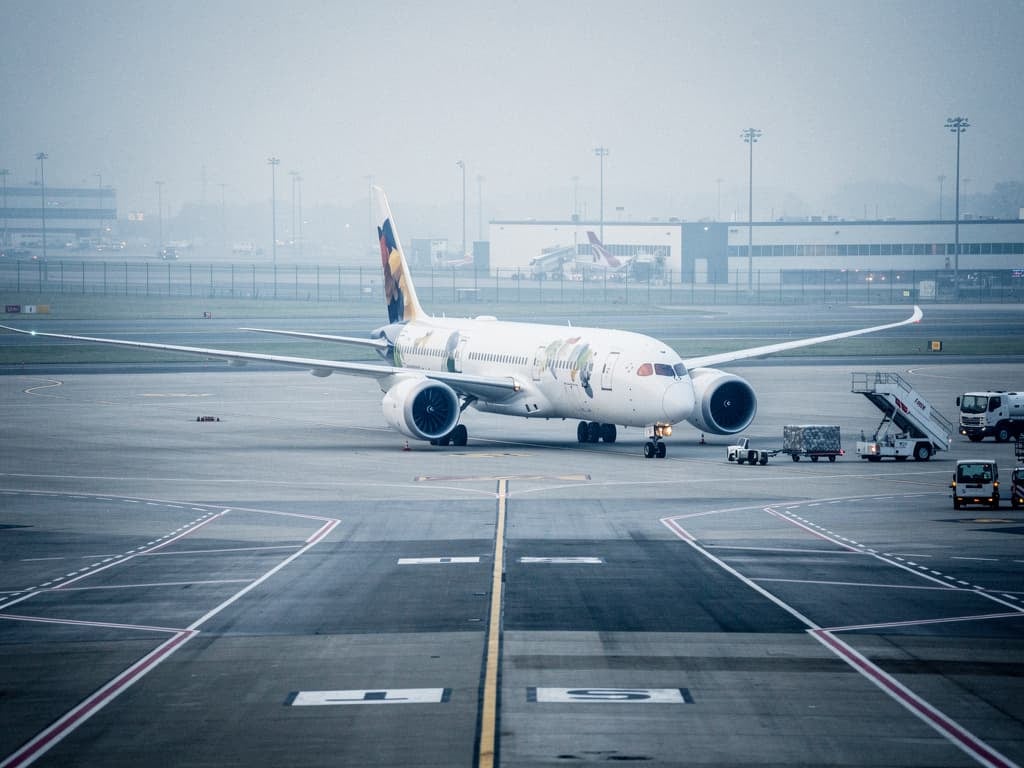
Vietnam Airlines flight VN34 from Munich to Hanoi suffered a late-rotation takeoff incident at Munich Airport on August 15, 2026. The Boeing 787-9, registered VN-A867, used nearly all of runway 26L, then held at roughly 9,000 feet to burn fuel before landing safely on runway 26R with visible tire and landing gear damage. No injuries were reported.
No official cause has been established, and speculation about takeoff performance or configuration remains unconfirmed. German aviation safety authorities are expected to review the event, and travelers on the Munich–Hanoi route should monitor equipment substitutions.
On August 15, 2026, the Saturday departure from runway 26L was anything but routine. Vietnam Airlines flight VN34 began its takeoff roll at roughly 13:45 local time, but the Boeing 787-9 stayed on the ground far longer than normal. Video captured near the airport shows the aircraft rotating close to the runway’s far end and kicking up a dust plume.
Instead of continuing toward Hanoi, the crew held the aircraft near Munich at approximately 9,000 feet, burning fuel while emergency services stood by. A low pass over the airfield allowed ground observers to check for damage before the jet landed on runway 26R.
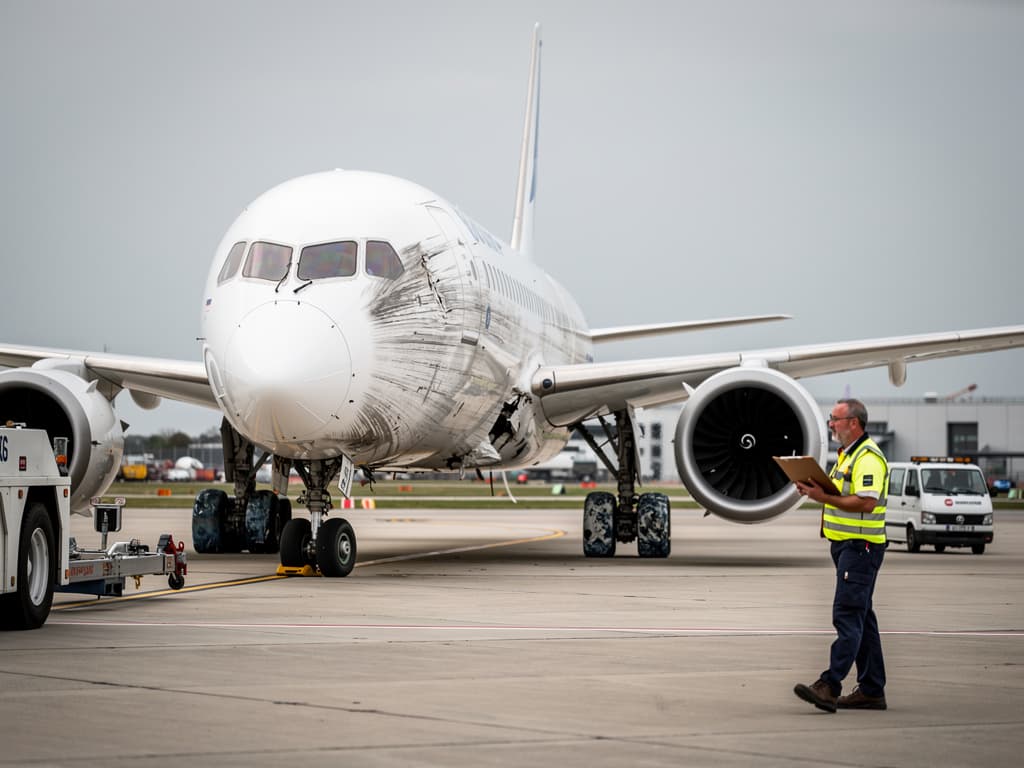
Passengers and crew were reported safe after returning to the terminal. The aircraft, registration VN-A867, had arrived the previous day as VN35 from Hanoi and now faces inspection after ground personnel observed damaged landing gear and multiple tires. The event immediately creates operational uncertainty for the Munich–Hanoi route and adds scrutiny to long-haul departure performance at a major European hub. For travelers on this corridor, schedule disruption risk is now elevated.
What happened on runway 26L
Flight-tracking data confirms the Boeing 787-9 departed Munich Airport at approximately 13:45 local time and then remained in the area instead of proceeding toward Hanoi. The crew climbed to around 9,000 feet and entered a holding pattern, which industry sources say allowed fuel burn and reduced landing weight. Emergency services were placed on standby while the aircraft orbited.
Before landing, the crew made a low pass so ground observers could assess possible damage in the tail and horizontal stabilizer area. The extent of structural damage has not been confirmed. The aircraft landed safely on runway 26R, vacated the runway, and was inspected on a taxiway. Several tires were reported damaged or blown, and ground personnel observed damage to the landing gear and multiple tires.
Passengers and crew were reported safe.
The number of people on board had not been disclosed in available information.
| Date/time | Event | Impact | Status |
|---|---|---|---|
| Aug 14, 2026 | VN-A867 arrives from Hanoi as VN35 | Aircraft positioned for next day’s VN34 | Normal |
| Aug 15, ~13:45 | VN34 departs runway 26L with late rotation, possible tailstrike/runway end | Jet remains low and enters hold instead of continuing | Confirmed by flight tracking |
| Aug 15 afternoon | Low pass, then landing on runway 26R; tire/gear damage found | Passengers returned to terminal, no injuries reported | Under assessment |
| As of Aug 15 | No official cause; German authority review expected | VN34 aircraft status pending | Open |

Flight deals most people never see
Our AI monitors 150+ airlines for pricing anomalies that traditional search engines miss. Air Traveler Club members save $650 per trip per person on average: see how it works.
Each deal saves 40–80% vs. regular fares:

Why Munich–Hanoi reliability matters
Vietnam Airlines operates this nonstop corridor as a mainstream premium option, so equipment substitutions or inspection delays could temporarily reshape capacity. Business and premium leisure flyers on the route value consistency as much as hard product. A single widebody pulled for inspection can quickly tighten seat availability. The Munich–Hanoi segment has grown into a reliable long-haul link for Star Alliance and Gulf carrier competitors alike.
Air Traveler Club’s Boeing 787 ground damage casebook details a separate Heathrow incident involving a one-year-old Dreamliner removed from service after ground equipment pierced its fuselage. That case shows how even non-fatal ground damage can have immediate schedule consequences.
What to watch as investigators review the takeoff
Watch for the first German authority statement — expected within the coming weeks — if it names the lead agency and confirms the evidence review. Watch also for Vietnam Airlines’ next Munich service update or aircraft substitution; if that changes, it means the airline is managing operational fallout rather than treating the event as a one-off.
FAQ
Did the aircraft actually overrun the runway?
Early descriptions included a late rotation, tailstrike, and travel beyond the runway end, but physical overrun beyond the prepared surface has not been confirmed by authorities. Video shows dust being kicked up near the far end of runway 26L, and no official runway excursion confirmation has been issued.
How many people were on board?
Vietnam Airlines had not disclosed the number of passengers and crew involved as of the latest available information. No injuries have been reported.
What happens to VN34 in the coming days?
The aircraft is likely to undergo detailed inspection after reports of tire and landing gear damage. Passengers booked on Munich–Hanoi should monitor Vietnam Airlines’ flight status tools for equipment substitutions or schedule changes before departure.
Which agency will investigate?
German aviation safety authorities are expected to lead the review, with the German Federal Bureau of Aircraft Accident Investigation (BFU) the likely agency. A formal announcement has not yet been made.
Read more