Summary
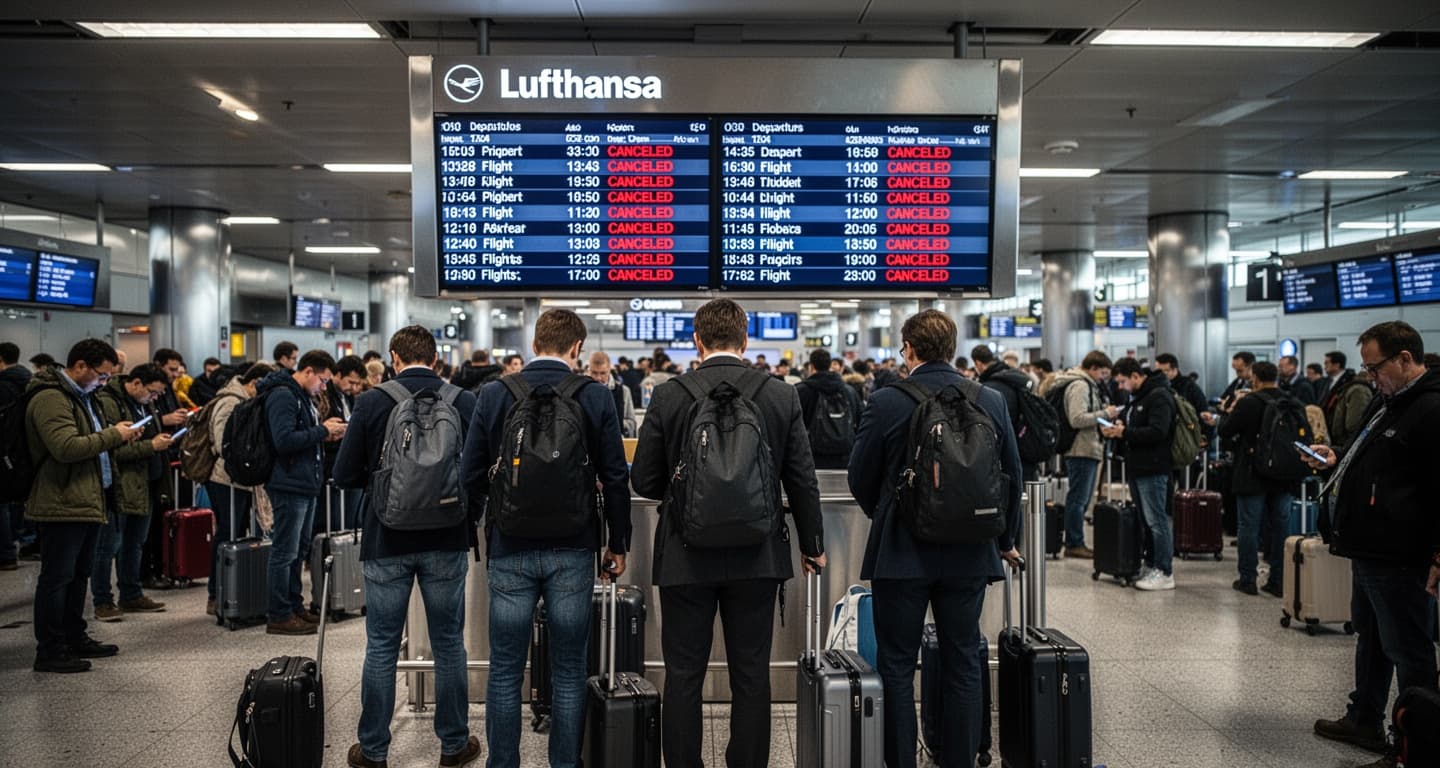
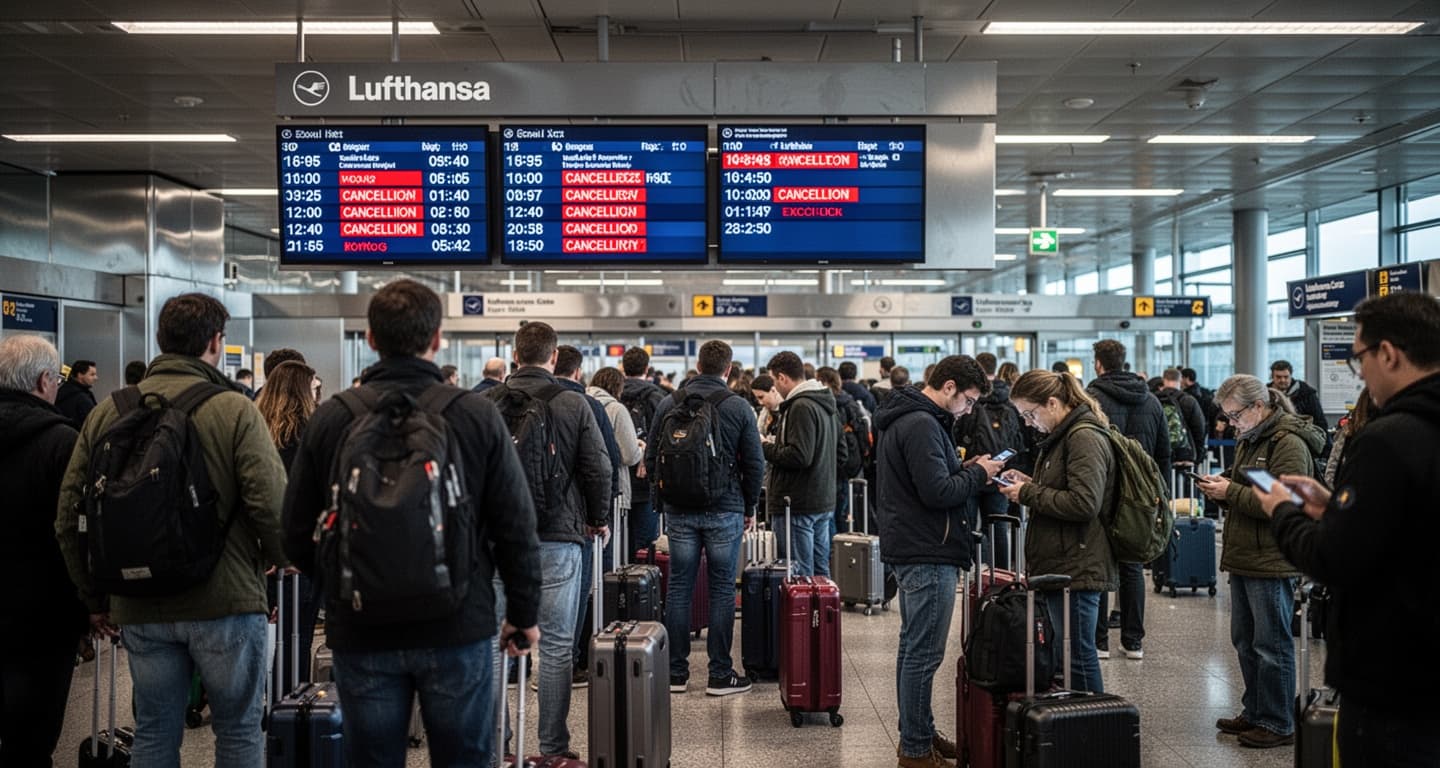
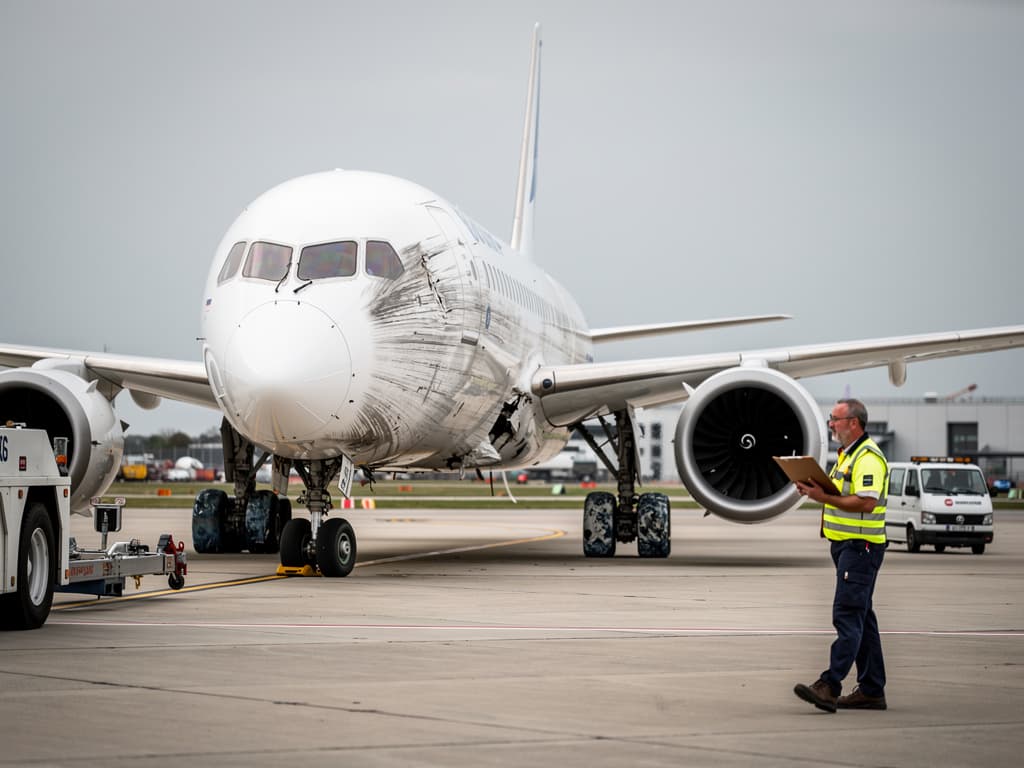
A Lufthansa Airbus A380 carrying 351 passengers struck runway approach lights while landing short of the threshold on Munich Airport’s Runway 26L on August 17, 2026. The flight, LH459 from San Francisco, damaged lighting infrastructure and remained grounded more than 24 hours later with suspected landing-gear damage.
No injuries were reported. A Vietnam Airlines 787-9 hit approach lights on the same runway two days earlier, and German investigators now hold the A380’s flight recorders.
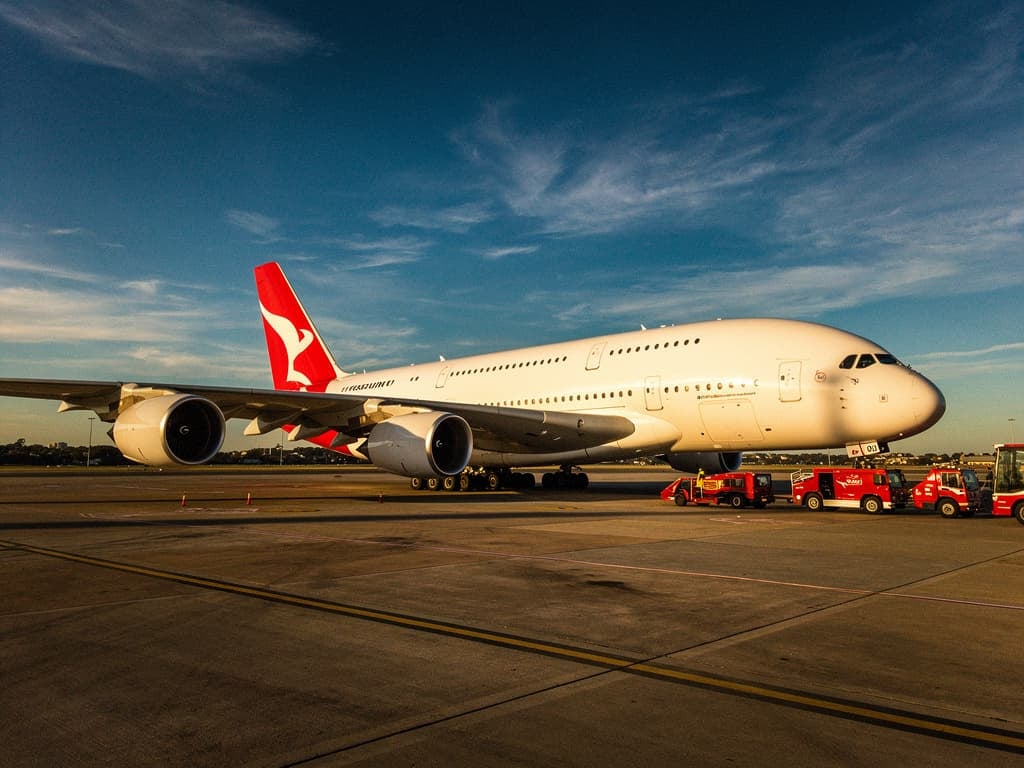
A Lufthansa Airbus A380 touched down short of the designated threshold on Munich Airport’s southern runway Monday evening, striking several approach lights and triggering an immediate federal investigation. The aircraft, registered D-AIML, was operating flight LH459 from San Francisco with 351 passengers on board when it landed below the expected glide path on Runway 26L.
The superjumbo taxied to its terminal gate under its own power and no one on board was hurt. But the incident occurred just 48 hours after a Vietnam Airlines Boeing 787-9 ran past the concrete end of the same runway during departure, striking approach lights at the opposite end. That aircraft later landed on Munich’s parallel runway, 26R, and had to be towed to the gate.
Germany’s Federal Bureau of Aircraft Accident Investigation has secured the A380’s flight data and cockpit voice recorders. The jet remained on the ground more than 24 hours after landing while inspectors examined possible landing-gear damage.
Heavy thunderstorms moved through the area in the hours before arrival. At the time of touchdown, conditions had eased to passing showers with visibility near 10 km, leaving investigators to weigh weather, pilot technique, and runway geometry.
The details
Publicly available incident data shows the Airbus A380-800 was around 12 years old at the time of the event. The aircraft departed San Francisco at 10:20 pm on August 16 and was scheduled to arrive in Munich at 5:10 pm on August 17. It landed below the threshold on Runway 26L, where a chevron area marks the absolute start of the concrete before the lined threshold and touchdown zone.
The aircraft landed on the concrete runway itself, but earlier than intended. That vertical and longitudinal deviation is precisely what German investigators will examine: whether the crew received an unstable-approach warning, whether the approach lighting or threshold geometry played a role, or whether the weather influenced the final moments of the descent.
The same federal bureau, BFU, is already investigating the Vietnam Airlines 787-9 event from August 15, 2026. That aircraft departed past the end of Runway 26L’s concrete, struck approach lights at the opposite end, and was disabled on the parallel runway. Investigators have not yet said whether the two events share a common cause.
| Date | Event | Impact | Status |
|---|---|---|---|
| August 15, 2026 | Vietnam Airlines 787-9 overruns concrete end on departure from 26L | Landing gear struck approach lights at opposite end; aircraft landed on 26R and was towed | BFU investigation open |
| August 17, 2026 | Lufthansa A380 D-AIML lands short of threshold on 26L | Several approach lights damaged; suspected landing-gear damage; aircraft grounded | BFU secured FDR and CVR |
| August 18, 2026 | A380 remains at Munich, inspections pending | Potential schedule impact on San Francisco–Munich rotation and hub connections | Early fact-finding |

Flight deals most people never see
Our AI monitors 150+ airlines for pricing anomalies that traditional search engines miss. Air Traveler Club members save $650 per trip per person on average: see how it works.
Each deal saves 40–80% vs. regular fares:

Why two events on one runway demand a shared-risk review
Runway threshold and approach-light incursions are treated as serious safety occurrences even without casualties. Two such events on the same runway within 48 hours raises the stakes: a single unusual landing is pilot technique, but a pair at opposite ends of Runway 26L suggests a shared environmental or geometric factor.
Air Traveler Club’s analysis of the Frontier A321neo near-collision at LAX shows how airport ground movements and infrastructure blind spots can create close calls independently of weather. Munich’s situation is different — it involves the vertical path on approach and departure — but the underlying question is the same: whether the airport’s operating environment, not just a single crew, contributed to the event.
The A380’s grounding also shows how a non-fatal incursion carries immediate operational cost. A high-capacity widebody out of service reduces seats on one of Lufthansa’s flagship transatlantic rotations and can ripple through connecting itineraries.
What BFU scrutiny means for Munich approach stability
BFU preliminary findings are expected within weeks, not days. If investigators identify threshold geometry or lighting placement as a shared factor, expect Munich Airport or DFS to issue operational changes affecting Runway 26L approach minima or lighting design.
The A380’s return-to-service date matters most for Lufthansa’s San Francisco–Munich rotation. Any extended grounding reduces high-capacity seats on that transatlantic route. Watch for a BFU preliminary statement or airport maintenance notice — expected after on-site review and recorder extraction — because either would signal whether Munich can resume normal runway operations without special handling.
FAQ
Was anyone injured in the Lufthansa A380 landing incident?
No injuries were reported among the 351 passengers and crew. The aircraft taxied to the gate under its own power after landing.
Why is the aircraft still grounded?
Inspectors suspect the landing gear was damaged when it struck the runway approach lights. The BFU has secured the flight recorders, and Lufthansa has not yet confirmed a return-to-service date.
Could Munich change runway approach procedures after these two events?
Possibly. If the BFU finds a shared factor between the Vietnam Airlines and Lufthansa incidents, Munich Airport or DFS could revise approach minima, lighting design, or operating rules for Runway 26L.
Read more