Summary
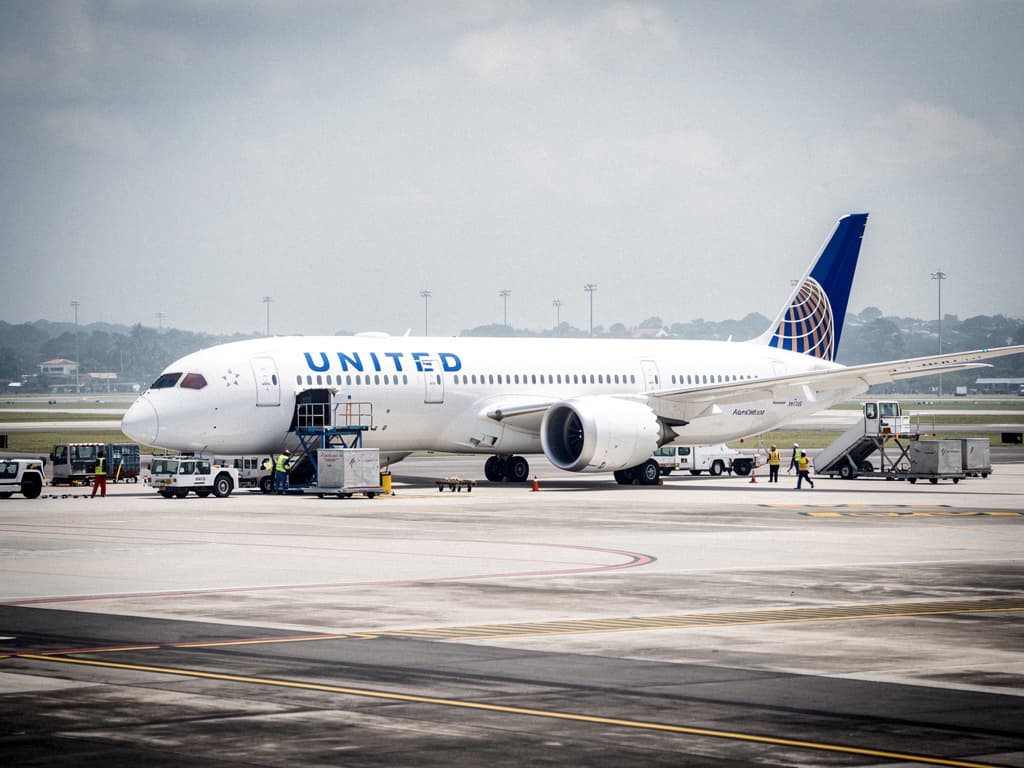
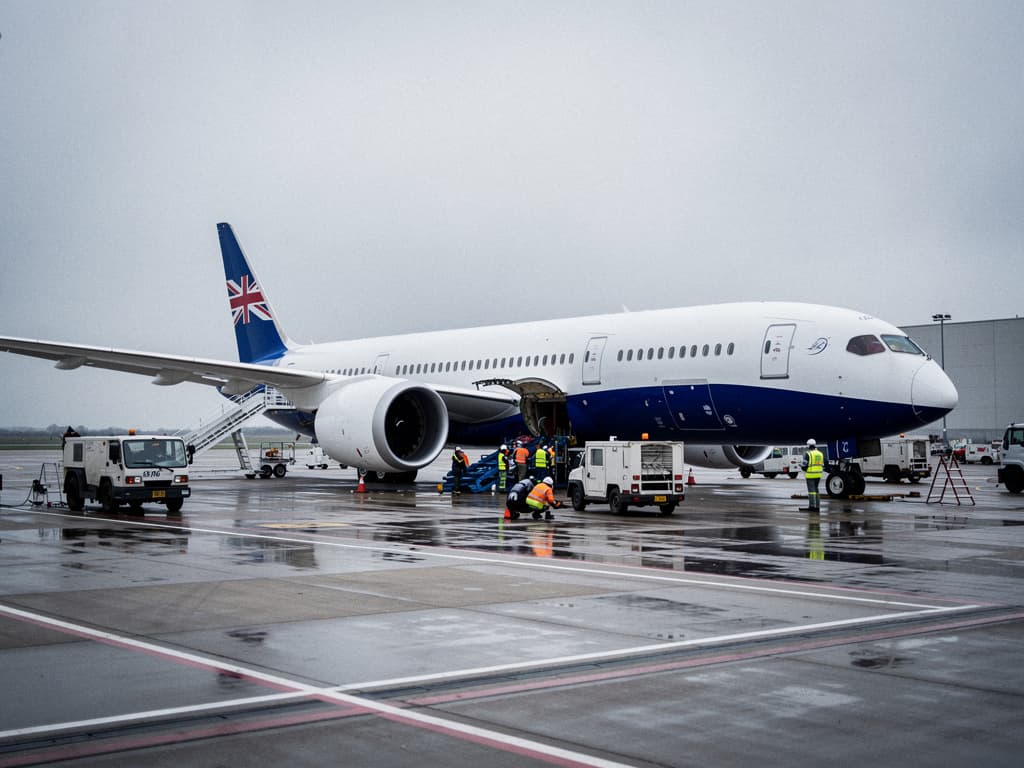
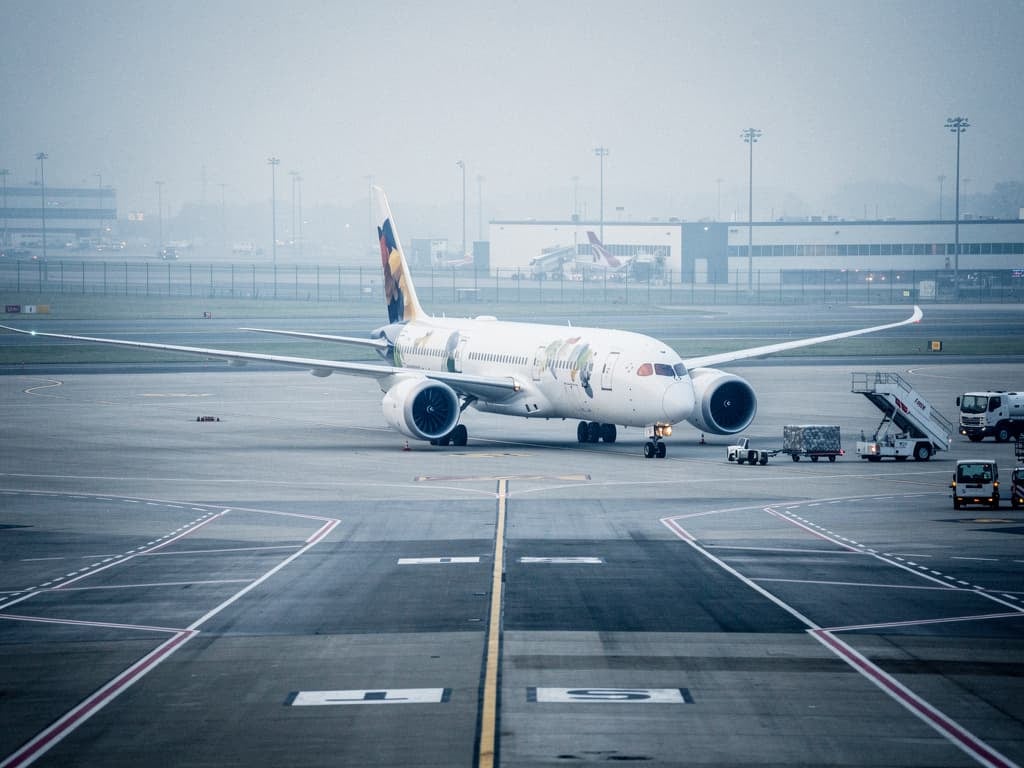
United Airlines’ flagship Boeing 787-9 Dreamliner, registration N61101, was grounded again on July 3, 2026 — just days after a 10-day repair at Boeing’s Moses Lake facility — canceling flight UA939 from London Heathrow to San Francisco. The aircraft’s Traffic Alert and Collision Avoidance System (TCAS) failed despite Boeing replacing both antennas, rendering the jet legally unable to operate under FAA mandates.
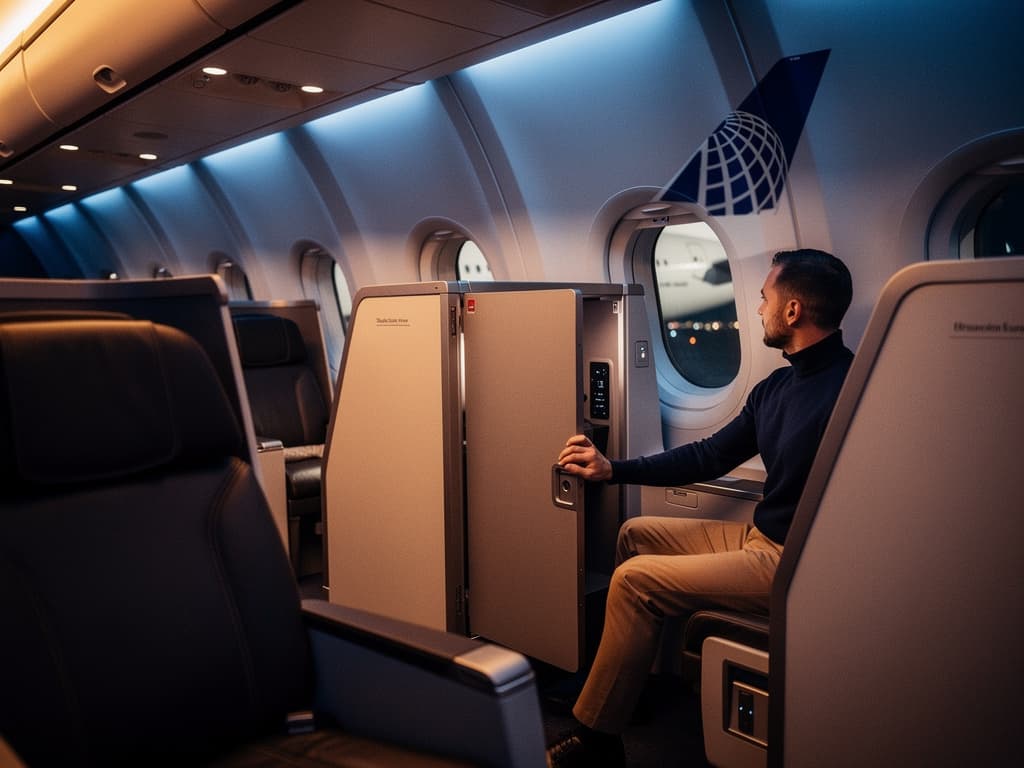
The grounding directly impacts premium passengers booked on the SFO-LHR route, where N61101 was one of only seven 787-9s featuring United’s new Polaris Studio “Business Class Plus” seats. United must now rebook affected travelers onto alternative aircraft, potentially without the upgraded cabin.
The repeated failure of a brand-new, premium-configured widebody just months after delivery exposes a troubling pattern for United Airlines and Boeing. N61101 — delivered in late February 2026 — was supposed to anchor United’s “Elevated” long-haul experience, showcasing 56 next-generation Polaris business class suites and eight exclusive Polaris Studio seats. Instead, the aircraft has been plagued by persistent TCAS faults, forcing multiple diversions and cancellations since its first international flight on April 24, 2026.
The latest grounding came after a seemingly successful domestic proving run. On July 2, N61101 flew San Francisco–Houston and back without incident, then departed for London as flight UA930. But the return leg, UA939 on July 3, was scrubbed when the TCAS malfunction reappeared. United’s passenger notification was blunt: “Your flight is canceled because we needed to take the plane out of service to address a maintenance issue.”
TCAS II — the version mandated on all US commercial aircraft — provides both traffic advisories and resolution advisories, the latter issuing direct collision-avoidance commands to pilots. When the system is inoperative, the aircraft cannot fly. Boeing’s attempt to fix the issue by replacing both antennas at its Moses Lake engineering center clearly did not resolve the underlying problem, and industry sources now suggest the fault may extend beyond this single tail.
The disruption is particularly acute for premium travelers. N61101’s Polaris Studio seats — a “Business Class Plus” concept with larger seats, more legroom, and upgraded service — are available on only seven of United’s 787-9s. With the aircraft grounded indefinitely, United must substitute older 777-300ERs or A350s on the SFO-LHR route, neither of which offers the Studio product.
The timeline of a troubled flagship
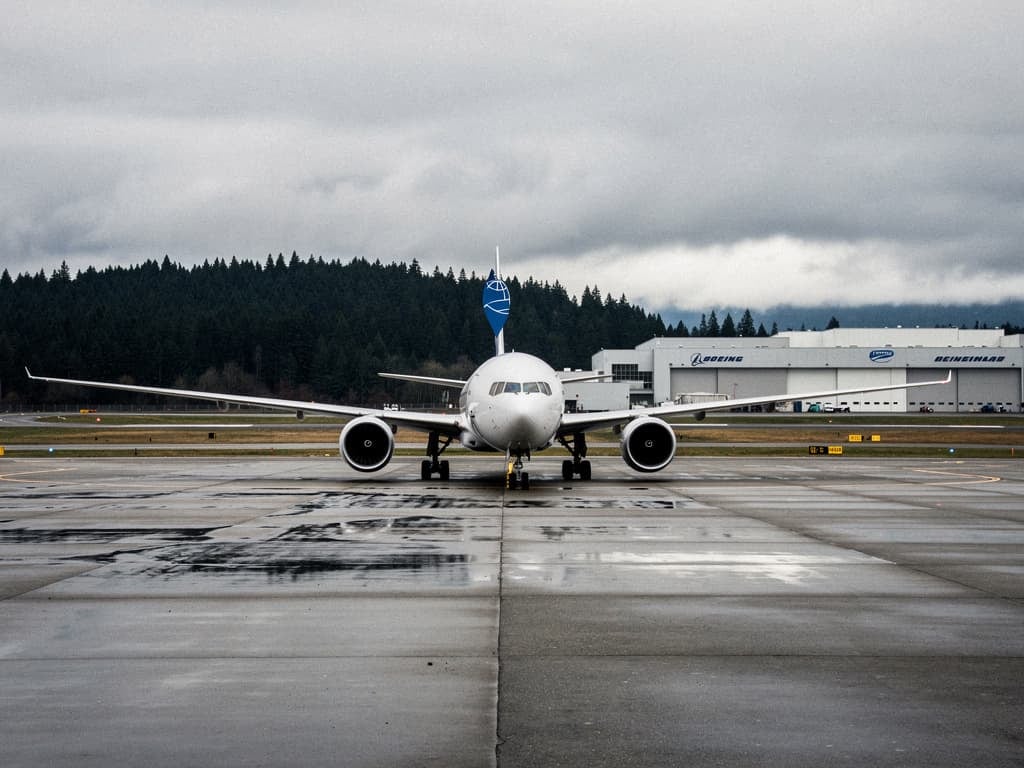
N61101’s operational history reads like a chronicle of cascading failures. Delivered fresh from Boeing’s Charleston assembly line in late February 2026, the aircraft suffered an emergency diversion just minutes after departing Singapore on April 24 — its first international mission. After a brief return to service, it was grounded again on arrival in Singapore on June 4, and then once more at London Heathrow on June 13. By late June, United sent the jet to Moses Lake for a 10-day repair stint, where Boeing replaced both TCAS antennas. The aircraft returned June 30, flew a domestic rotation July 2, and then failed again on its very next long-haul flight.
This TCAS issue is entirely separate from the manufacturing flaw that recently grounded eight other 787s globally for fuselage composite barrel defects, as confirmed by regulatory filings. United has not publicly detailed the root cause, but a well-known aviation insider noted that TCAS failures “keep failing. Both…” — hinting the problem might not be isolated to N61101.
| Date | Event | Impact | Status |
|---|---|---|---|
| Late Feb 2026 | Delivery from Boeing Charleston | Enters United fleet | Operational |
| Apr 24, 2026 | Emergency diversion after SFO-SIN departure | First international flight aborted | Grounded |
| Jun 4, 2026 | Grounding on arrival in Singapore | Repeat TCAS failure | Grounded |
| Jun 13, 2026 | Grounding at London Heathrow | Third international failure | Grounded |
| Jun 20–30, 2026 | Repair at Boeing Moses Lake; antennas replaced | 10-day maintenance | Returned to service |
| Jul 2, 2026 | Domestic SFO-IAH rotation, then SFO-LHR as UA930 | Successful flights | Operational |
| Jul 3, 2026 | UA939 LHR-SFO canceled; TCAS failure recurs | Immediate grounding | Grounded indefinitely |

Flight deals most people never see
Our AI monitors 150+ airlines for pricing anomalies that traditional search engines miss. Air Traveler Club members save $650 per trip per person on average: see how it works.
Each deal saves 40–80% vs. regular fares:

Boeing’s quality shadow lengthens
The repeated failure of a critical safety system on a factory-fresh airframe raises uncomfortable questions about Boeing’s quality control processes. While the 2013 global 787 grounding stemmed from a systemic battery flaw, N61101’s TCAS issue appears tail-specific — for now. But the hint from industry sources that “TCAS keeps failing. Both…” suggests the problem could be broader, potentially affecting other recently delivered 787s. United’s silence on the technical details only fuels uncertainty.
Air Traveler Club’s detailed analysis of N61101’s earlier grounding documented the pattern of ferry flights and emergency diversions that preceded this latest failure. For United, whose entire “Elevated” premium strategy hinges on these new aircraft, any extended grounding of its flagship 787-9s risks eroding traveler confidence just as it battles Delta and American for high-yield corporate contracts.
How to protect your premium cabin booking on SFO-LHR
With N61101 out of service indefinitely, passengers on the SFO-LHR route face immediate rebooking decisions that could affect their premium cabin experience. The aircraft substitution means Polaris Studio seats are unavailable, but you can still secure a lie-flat business class product.
- Rebook proactively on UA937 or UA941. These SFO-LHR flights are operated by 777-300ER or A350 aircraft, both offering 1-2-1 Polaris business class — without the Studio upgrade, but with direct aisle access. No change fees apply for maintenance cancellations.
- Confirm your fare class protection. Full-fare (Y) business class tickets are protected at the same cabin level. Basic economy (N) fares are refund-only; you’ll need to purchase a new ticket. If you’re downgraded from Polaris Studio to standard Polaris, request the $500 credit plus a complimentary upgrade on your next flight.
- Use the seat map to verify equipment. When rebooking, click “seat map” on United.com to confirm the aircraft type. Avoid any 787-9 that shows Studio seats — that’s N61101 or its sister ships, which could be substituted if the grounding expands.
- Monitor United’s July 10 fleet update. If N61101 remains grounded beyond that date, expect a formal equipment swap on the SFO-LHR route. United may shift to a 777-300ER permanently for the summer schedule, eliminating Studio availability entirely.
FAQ
What exactly is TCAS and why does its failure ground the aircraft?
TCAS (Traffic Alert and Collision Avoidance System) is a mandated safety system that detects nearby aircraft and issues collision-avoidance commands to pilots. The TCAS II version on N61101 provides both traffic advisories and resolution advisories. Under FAA regulations, no US commercial aircraft can operate with an inoperative TCAS — it’s considered a no-go item.
Is this grounding related to the recent Boeing 787 manufacturing flaw that affected eight other jets?
No. The eight 787s grounded globally were for fuselage composite barrel defects — a completely separate issue. N61101’s problem is specifically a TCAS system failure, and it has not been included in that fleet-wide grounding. However, the repeated failure of a critical safety system on a new aircraft raises separate quality concerns.
How can I tell if my United flight is operated by the troubled aircraft?
On United.com, select your flight and click “seat map.” If you see Polaris Studio seats (a 1-1-1 configuration at the front of the business cabin), the flight is operated by one of the seven new 787-9s — including N61101. To avoid this aircraft, choose a flight showing a standard 1-2-1 Polaris layout (777-300ER or A350) or a 2-4-2 configuration (older 787-9).
Read more