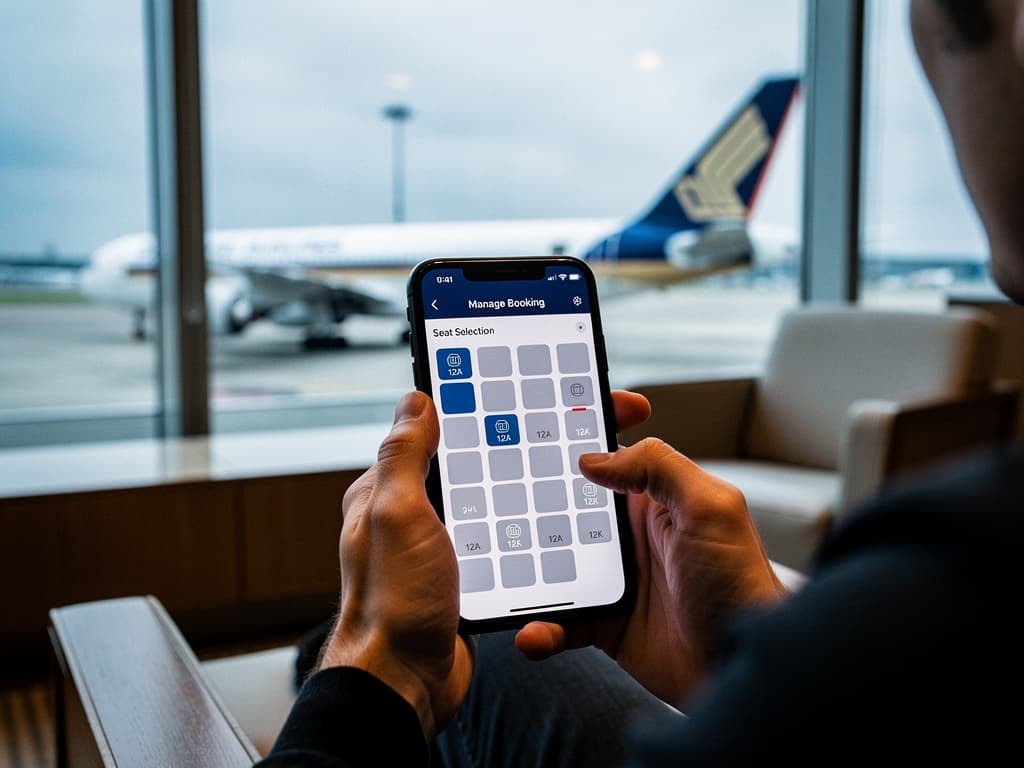
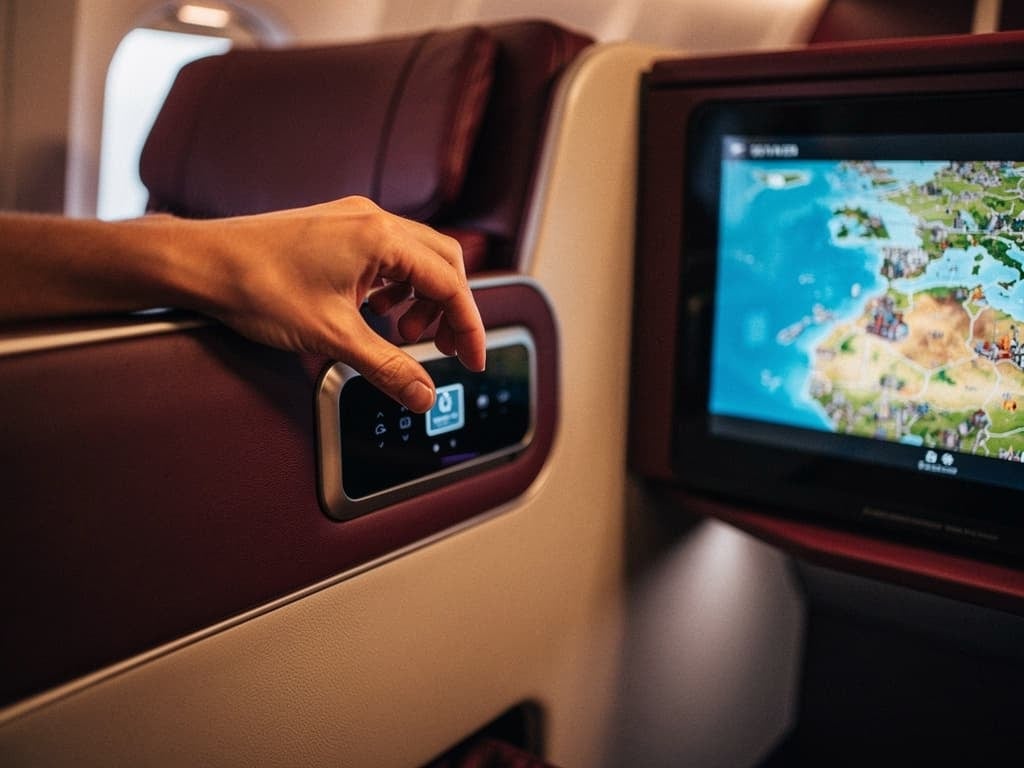
Summary
A firsthand account of Turkmenistan Airlines‘ Boeing 737-800 business class on the Ashgabat–Delhi route exposes a bizarre meal service, an unexplained mid-flight holding pattern, and a strict no-photo policy. The 3-hour-5-minute flight, departing at 6:40 a.m., served lunch dishes—including beef stroganoff—with staggering delays, leaving one passenger to eat just 50 minutes before landing. The full 16-seat cabin and operational quirks underscore the gulf between low fares and premium expectations.
The trade-off for budget-minded business class travelers transiting through Ashgabat is stark. Rock-bottom fares of around $600–$700 roundtrip come with bare-bones service and potential mid-air delays that could jeopardize tight connections.
Flying a state-owned Central Asian carrier in business class is rarely uneventful, but even seasoned travelers would find Turkmenistan Airlines‘ latest performance on the Ashgabat–Delhi corridor unusually disorienting. A review published today documents an inflight experience that veered from the surreal to the operationally unsettling—starting with a cabin crew member’s shouted “photos are not allowed,” continuing with an unexplained 180-degree turn and holding pattern shortly after takeoff, and culminating in a meal service that crawled across three hours with 10-minute gaps between servings.
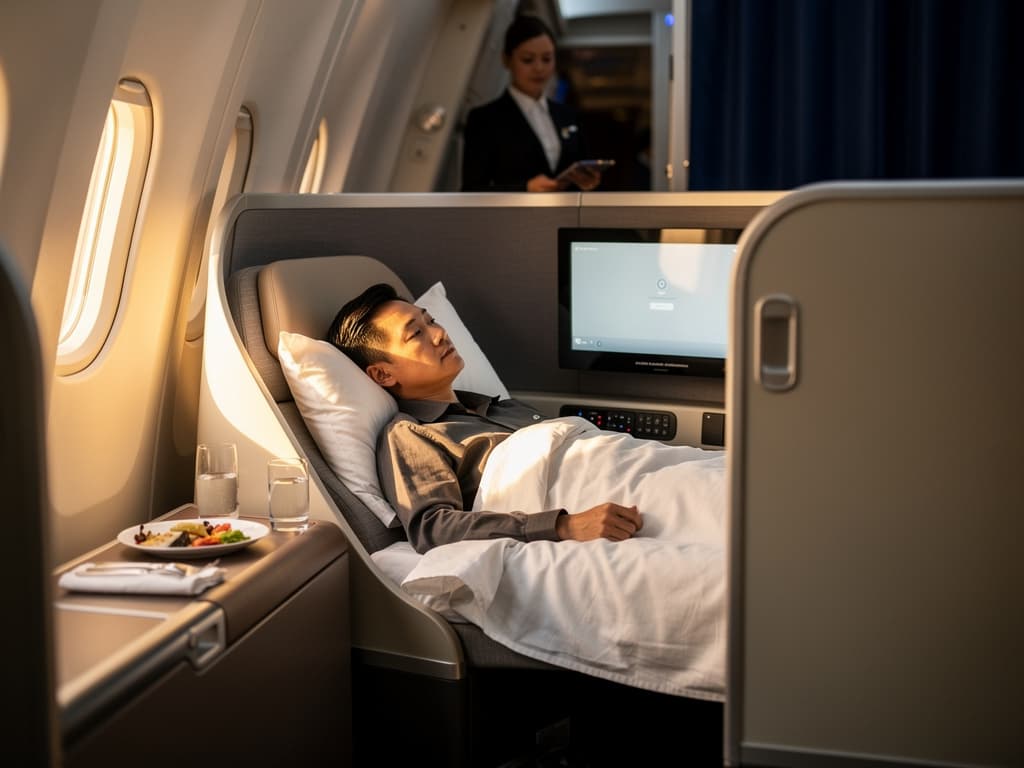
The flight, operated by a Boeing 737-800 with 16 recliner seats in a 2-2 layout, left Ashgabat at 6:40 a.m. bound for Delhi. The business cabin was completely full, yet all other passengers boarded at once after a long delay, leaving the reviewer in isolation for half an hour. Once airborne, the aircraft performed a sharp reversal back toward ASB before looping wide again—likely a holding pattern forced by airspace congestion near Turkmenistan and Afghanistan. No Wi‑Fi and only basic streaming entertainment are offered, and the crew’s single flight attendant handled service at an almost impossible pace.
For Western travelers eyeing this route as a low-cost business class hop into South Asia, the account is a vivid reminder that fare alone rarely tells the full story. The airline’s deep state control, limited network, and sporadic operational transparency create an environment where anything from unexpected routing to a no‑photo ambush can turn a bargain ticket into an endurance test.
What the review reveals about the business class experience
The detailed report, first published by One Mile at a Time, catalogs a series of anomalies that together paint a picture of a bare-bones premium cabin. The 737-800’s recliners offer reasonable space by U.S. domestic first-class standards, but the absence of Wi‑Fi, power outlets, and meaningful entertainment leaves little to do during delays. A strict no‑photo policy, not previously announced or displayed, was enforced almost immediately upon boarding when the lead flight attendant called out the photographer from the front of the cabin.
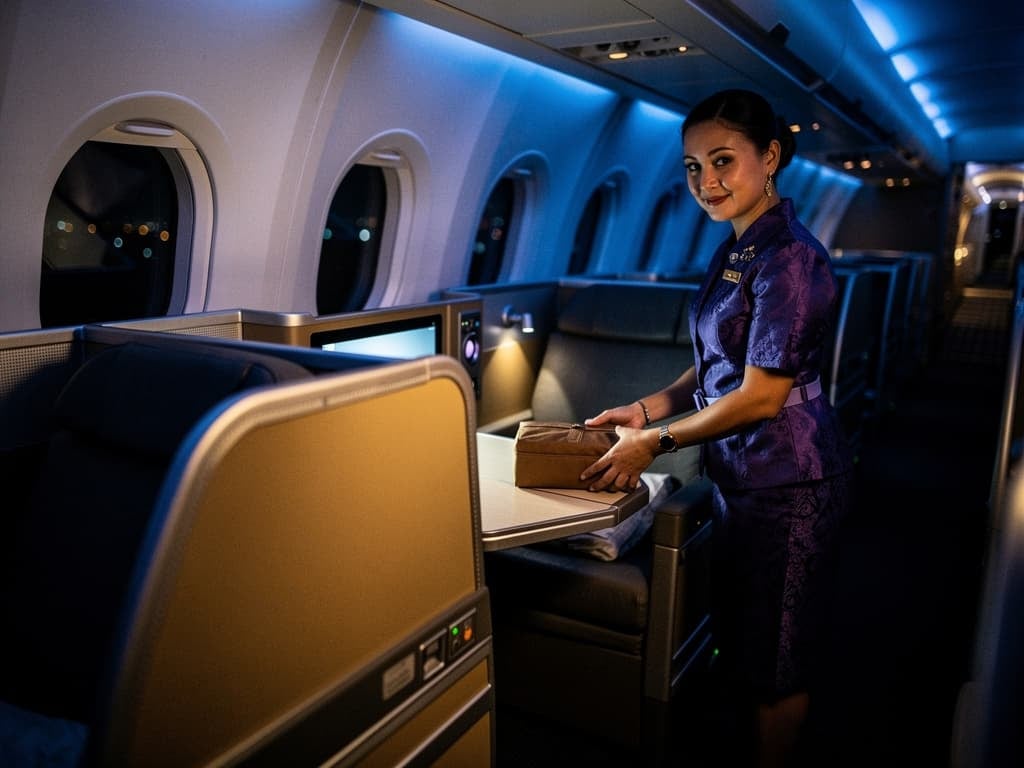
Shortly after departure, the aircraft’s turn back toward Ashgabat and subsequent wide holding pattern raised immediate questions about airspace management. While the maneuver resolved without incident, it added an unplanned buffer to a flight that already had a meal service moving at a glacial pace. The sole business class flight attendant served front-to-back, but each tray required such extensive preparation that gaps stretched to 10 minutes or more. The upshot: one passenger received their lunch—beef stroganoff, not breakfast—just 50 minutes before landing, moments before descent.
The menu itself was a puzzle. Despite the early morning departure, the airline pushed lunch dishes alongside breakfast items, and the tray presentation was a chaos of packaging. Multiple packs of nuts, dried fruit, and accompaniments were piled high, leaving scarcely enough room to eat. The reviewer acknowledged that the food quality was average, but the sheer quantity suggested a misguided generosity that only compounded the service dysfunction.
| Airline | Seat product | Key specs | Approximate roundtrip fare (USD) |
|---|---|---|---|
| Turkmenistan Airlines | Recliner, 2‑2 | 16 seats, no Wi‑Fi, limited IFE, no power | $600–700 |
| Uzbekistan Airways | Lie‑flat, Boeing 787 | Full IFE, Wi‑Fi on select aircraft, superior dining | $1,200 |
| Air Astana | Recliner, Airbus A320neo | Enhanced dining, power outlets, modern cabin | $1,400 |

Flight deals most people never see
Our AI monitors 150+ airlines for pricing anomalies that traditional search engines miss. Air Traveler Club members save $650 per trip per person on average: see how it works.
Each deal saves 40–80% vs. regular fares:

Why this matters for the adventurous premium traveler
The Ashgabat–Delhi business class product is a case study in extreme value pricing and its hidden costs. For the $600–700 roundtrip, a traveler gets a seat that would look familiar on any U.S. narrowbody, plus a service philosophy that seems designed more for operational convenience than passenger comfort. The holding pattern incident—whether caused by regional airspace restrictions or a routine measure—highlights the unpredictability of flying an airline without robust network intelligence. The meal chaos, meanwhile, suggests that a single‑crew service model breaks down completely when the cabin is full.
For those unaccustomed to the idiosyncrasies of Central Asian state carriers, Air Traveler Club’s breakdown of how cabin crew identify first‑time business class flyers provides a useful lens. On a carrier like this, where the line between service and surveillance can blur, even innocuous behavior—snapping a photo, for instance—may be read differently. The experience underscores why situational awareness and low expectations are essential assets when trading luxury for price.
How to weigh the value proposition on this corridor
For business class travelers considering the Ashgabat–Delhi run, the calculus goes beyond fare alone. Operational reliability, service consistency, and connection protection become critical factors. The firsthand account provides several strategic takeaways.
- Book directly and early. With no alliance partners or third‑party aggregators, the only reliable channel is the airline’s own website or airport counter. Aim for a 2‑ to 4‑week booking window to secure a seat before inventory vanishes.
- Avoid tight connections. The demonstrated holding pattern and meal service delays make a minimum 3‑hour transit buffer at Delhi advisable. Re‑routing or overnighting may be necessary if things go sideways.
- Manage expectations ruthlessly. This is not a lie‑flat, dine‑on‑demand product. Treat it as a domestic‑first‑style seat with unpredictable service. Bring your own entertainment, a power bank, and snacks.
- Consider Uzbekistan Airways or Air Astana for reliability. Both cost more—roughly $1,200–$1,400 roundtrip—but offer lie‑flat seats, better meal pacing, and fewer operational surprises. They are the safer bet if your itinerary cannot absorb risk.
- Respect the photo policy. There are no posted signs or announcements, but enforcement appears ad‑hoc and stern. Keep devices out of sight until you’re off the aircraft.
Watch for Turkmenistan Airlines’ planned 2027 Airbus A320neo fleet arrivals. If confirmed, they could bring upgraded business class amenities, but for now, the 737 remains the workhorse and the quirks persist.
FAQ
Is the no‑photo policy always enforced on Turkmenistan Airlines?
There is no formal posted policy, but crew may enforce it aggressively and without warning. Past passenger reports suggest it is inconsistently applied—sometimes ignored, sometimes called out loudly—making it a gamble best avoided by keeping cameras stowed.
Why was the meal service so slow on this flight?
A single flight attendant managed the entire 16‑seat cabin, preparing each tray individually with extensive packaging. The front‑to‑back service and 10‑minute gaps between servings, combined with a full cabin, created a logjam that left the last passenger eating minutes before descent.
How does this business class compare to other Central Asian carriers?
It is the cheapest but most basic. Uzbekistan Airways offers lie‑flat seats and full entertainment on its 787, while Air Astana provides modern A320neo cabins with enhanced dining and power. Both offer more predictable service at higher fares.
Read more