Summary
A Porter Airlines flight was abandoned overnight after a toddler’s refusal to fasten a seatbelt triggered a chain of events that pushed departure past Victoria International Airport’s 12:30 a.m. curfew, stranding passengers until the next day. The dramatic sequence, which began when crew spotted the child standing during taxi, underscores how a single passenger’s non-compliance can unravel an entire schedule when operating against strict noise curfews.
The aircraft had already left the terminal before returning to offload the family and luggage, devouring the remaining minutes before the mandatory runway shutdown. Passengers on the August 6, 2026 flight were rebooked, but the incident raises questions about crew authority and operator resilience on late-night, curfew-bound services.
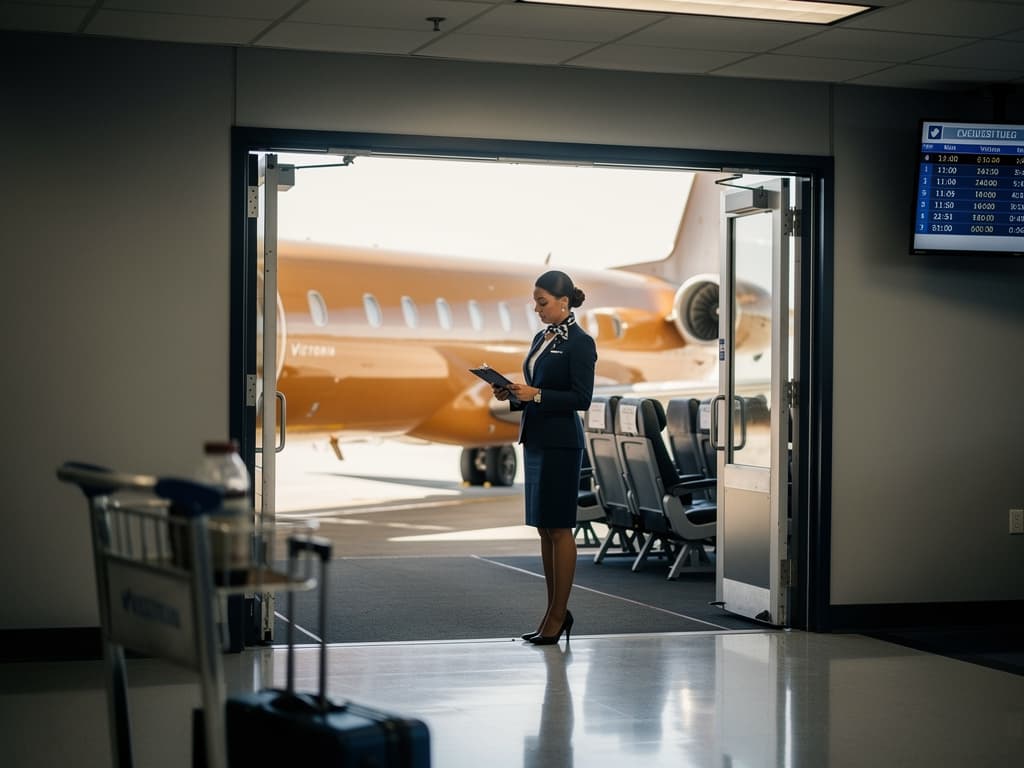
Porter Airlines flight 444 was less than an hour from its scheduled departure when a crew member noticed a young child standing in the seat — and neither the accompanying adult nor the flight attendants could get the child to sit down and buckle up. The aircraft, already taxiing toward the runway, turned back to the terminal, but by the time the family and their luggage were offloaded and the paperwork signed, the clock had ticked past Victoria International Airport’s strict 12:30 a.m. curfew.
The flight was cancelled, and the 100-plus passengers were left to scramble for hotel rooms and next-day rebooking.
This incident exposes a fragile operational margin: when a departure is timed within two hours of a noise curfew, any return-to-gate event — even one as unusual as an uncooperative toddler — can tip a minor delay into a full cancellation.
For frequent travelers on domestic Canadian routes, particularly those connecting through Toronto on business itineraries, the August 6 disruption is a reminder that late-evening flights on curfew-bound airports carry outsized risk. Porter’s De Havilland Dash 8-400 turboprop service between Victoria and Toronto lacks the schedule depth of network carriers, leaving passengers with few same-night alternatives. The cancellation stranded a full load of passengers without recourse beyond a next-day rebooking, while the carrier grappled with the cascading consequences of one unsecured seatbelt.
How a single seatbelt refusal grounded flight 444
Flight 444 had pushed back from the gate at Victoria International Airport (YYJ) and was taxiing for a 10:30 p.m. departure when the flight attendants spotted the child standing. The accompanying adult, along with crew members, attempted repeatedly to secure the child, but without success. The captain decided to return to the terminal to offload the passenger, the adult, and their checked luggage — a process that involves a gate return, passenger deplaning, and updating the load manifest.
That process consumed nearly two hours, pushing the departure window past the mandatory 12:30 a.m. noise curfew. In a statement confirming the events, the airline said: “A young child was standing in their seat and would not secure their seatbelt.”
The remaining passengers were rebooked onto a flight the following day. Porter’s conditions of carriage require children under two to be in an approved restraint system, though the child’s age was not disclosed.
| Time/event | Detail | Impact | Status |
|---|---|---|---|
| ~10:30 p.m. | Scheduled departure; aircraft taxis out | Normal operation | On time |
| Shortly after | Crew spots child standing; adult and crew fail to secure seatbelt | Aircraft returns to terminal | In-flight safety delay |
| ~11:45 p.m. | Family offloaded; luggage removed; paperwork completed | Departure window slipping | Gate return complete |
| 12:30 a.m. | Victoria curfew; runway closed | Flight cancelled; 100+ passengers stranded | Cancelled |
| August 7 | Passengers rebooked on next-day flight | One-day delay | Resolved |

Flight deals most people never see
Our AI monitors 150+ airlines for pricing anomalies that traditional search engines miss. Air Traveler Club members save $650 per trip per person on average: see how it works.
Each deal saves 40–80% vs. regular fares:

When the clock outranks the cabin
This late-night fragility is not unique to Porter. At airports with curfews — from Orange County’s John Wayne to London City — late-evening departures live on borrowed time. For premium travelers, the lesson is that cabin amenities matter less than schedule resilience when operating against hard runway closures.
Porter’s all-turboprop fleet, while comfortable, limits reaccommodation speed after a curfew miss. Here, the airline could only rebook passengers onto the next day’s flight, whereas a network carrier might have offered alternative routings through Vancouver or Calgary. Air Traveler Club’s deep dive into child-related cabin disruptions shows how even a minor kerfuffle can cascade into operational chaos — as it did when three unsupervised children in coach forced flight attendants to intervene on a United Airlines flight earlier this year.
What the YYJ curfew means for your booking strategy
For travelers on Canada’s domestic network, the PD444 cancellation is a practical reminder that schedule choice can be as valuable as seat choice when curfews are involved.
- Book earlier departures when flying from curfew airports. A 7:00 p.m. or 8:00 p.m. flight absorbs gate-return delays more easily than a 10:30 p.m. departure, especially at airports like Victoria, where the cut-off is absolute.
- Compare same-day alternatives before selecting a late flight. Network carriers serving Toronto-bound travelers via Vancouver or Calgary can offer more reaccommodation options if a curfew disruption occurs — reducing the risk of an unplanned overnight stay.
- Flexible fares or upgradeable tickets add a safety net. On curfew-bound routes, being able to change to an earlier flight on the same day, or to rebook onto a partner airline with no penalty, minimizes the impact of a single-curfew miss.
- Credit card trip delay benefits can cover hotel costs. If you’re stranded overnight due to a cancellation that the airline deems outside its control (such as a passenger safety removal), your premium card’s delay coverage may reimburse lodging and meals — but you must document the cause and claim promptly.
Watch for any Transport Canada review of child restraint compliance or Porter operational memos — expected in the coming weeks. If those materialize, it means the incident is being treated as more than an isolated cabin-management case, potentially influencing carrier policies on late-night departures.
FAQ
Can an airline actually cancel a flight because a child won’t wear a seatbelt?
Yes. Canadian aviation regulations require all passengers — including infants and toddlers — to be properly secured during taxi, takeoff, and landing. If a child cannot be secured after reasonable efforts, the crew is legally required to return to the terminal and remove the passengers. In this case, the return-to-gate consumed enough time that the flight missed Victoria’s curfew, forcing cancellation.
What are my rights if my flight is cancelled due to another passenger’s behaviour?
Under Canada’s Air Passenger Protection Regulations, airlines must rebook passengers on the next available flight at no extra cost. However, compensation for delay or cancellation may be denied if the disruption is considered within the passenger’s control — as may be the case when a passenger is removed for safety non-compliance. Passengers can still claim for out-of-pocket expenses through their travel insurance or credit card benefits.
Does Porter require a child safety seat for toddlers?
Porter’s policy requires children under two to be in an approved restraint system, such as a child safety seat. The airline has not disclosed the age of the child in this incident, so it’s unclear whether the requirement applied.
Read more